Ella Zulfa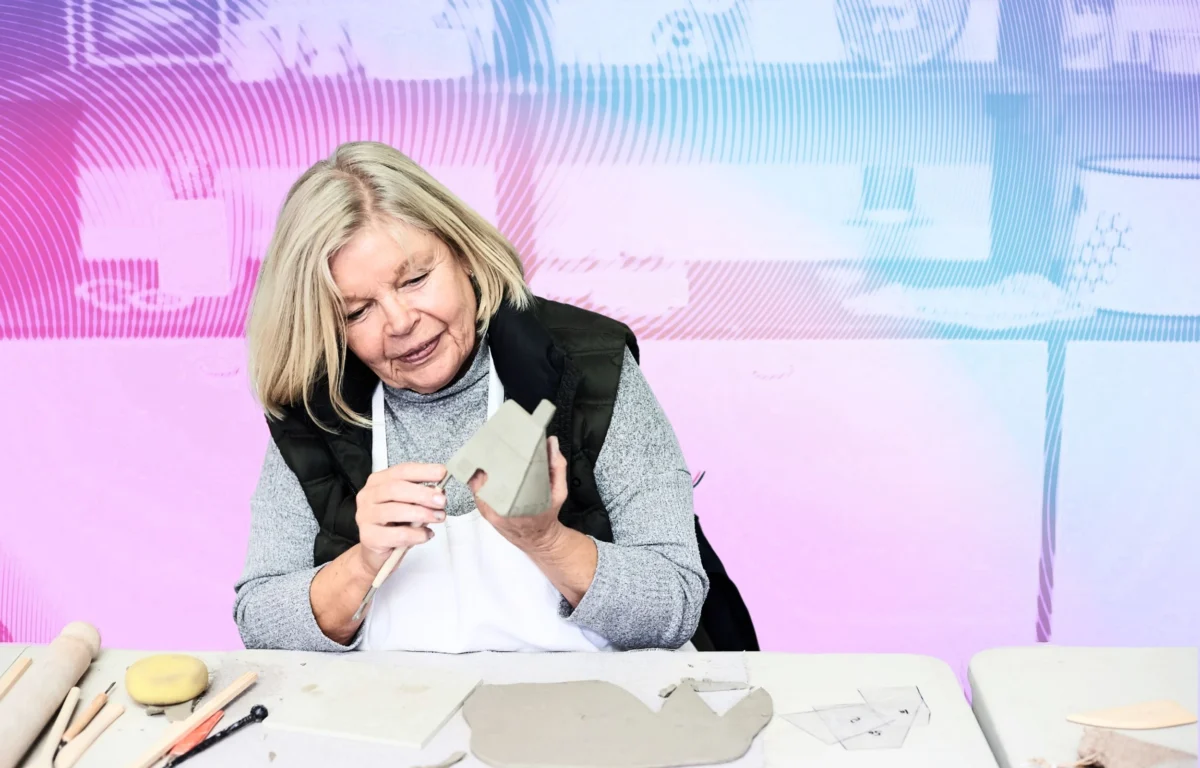
Americans are increasingly placing a higher value on their leisure activities, with a significant portion of the population now considering hobbies and recreational pursuits as "extremely" or "very important" to their well-being, according to a recent Gallup poll. This growing emphasis on personal enrichment comes at a time when spending on these activities has seen a notable increase, prompting economists to coin the term "funflation" to describe the rising costs associated with entertainment and experiences. A comprehensive analysis by the Bank of America Institute, which delved into credit card transaction data, offers a generational breakdown of how different age groups are participating in and contributing to this evolving "hobby economy."
The data reveals a substantial year-over-year increase of 7.9% in hobby spending as of August. More significantly, this growth rate is more than double the rate of transaction growth, indicating that consumers are not just engaging in more hobby-related purchases, but are also willing to spend more per transaction. This phenomenon, dubbed "funflation," is attributed by economists to a collective desire among individuals to compensate for time and experiences lost during the pandemic. The willingness to allocate more financial resources to leisure activities reflects a post-pandemic recalibration of priorities, where personal enjoyment and mental well-being are being actively pursued and invested in.
Generational Spending Habits in the Hobby Economy
The Bank of America Institute’s analysis provides a nuanced view of generational spending patterns within the hobby sector. Baby Boomers, a generation known for its established financial security, report spending an average of over $200 per person on their hobbies each month. This figure aligns closely with that of Generation X, who also demonstrate a robust commitment to their leisure pursuits. However, this spending level is notably higher than that of younger demographics.
Generation Z, the youngest adult generation, typically allocates around $100 per month to their hobbies. Millennials, the generation bridging the gap between Gen Z and Gen X, exhibit a more varied spending profile. Younger millennials spend just over $140 per month on average. Interestingly, older millennials emerge as the highest monthly spenders on hobbies, averaging nearly $220 per person. Researchers suggest this elevated spending by older millennials may be attributed to their dual role as participants in their own hobbies and as providers for their children’s activities. This observation underscores the multifaceted nature of hobby engagement, which can extend beyond individual pursuits to encompass family-oriented enrichment.
The rise in hobby spending, particularly at a rate exceeding transaction growth, suggests a shift in consumer behavior. It indicates that individuals are not only seeking out more leisure activities but are also investing in higher-quality experiences or more specialized equipment and supplies. This could be driven by a desire for more immersive or fulfilling hobby experiences, or simply by the general inflationary pressures affecting the broader economy, which naturally extend to the cost of goods and services associated with recreational pursuits. The term "funflation" aptly captures this trend, highlighting the premium consumers are willing to pay for enjoyment and stress relief in an increasingly demanding world.
From Pastime to Profit: Hobbies as Business Ventures
Beyond personal enjoyment and enrichment, the analysis also points to a significant trend: the transformation of hobbies into lucrative business opportunities. The pandemic, while disruptive, also served as a catalyst for many individuals to explore new interests and skills. A survey conducted by LendingTree revealed that nearly 60% of Americans picked up a new hobby during the pandemic, and a substantial portion of these individuals subsequently turned their newfound passions into side hustles to generate additional income.
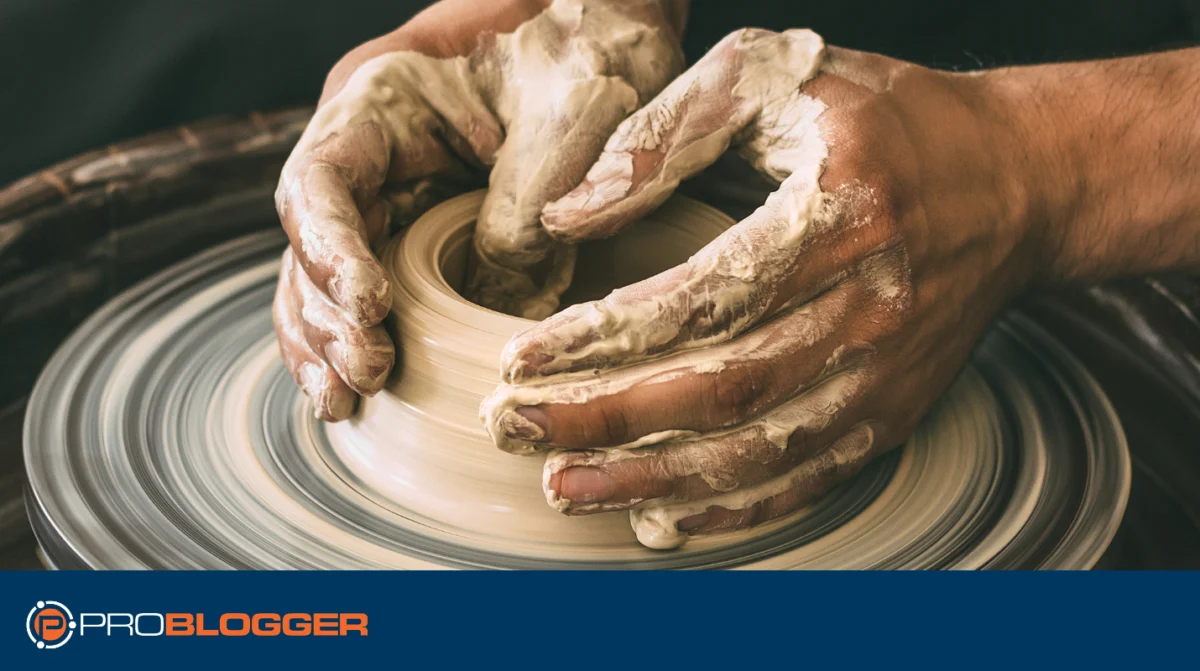
This entrepreneurial spirit is exemplified by individuals like Anna Hudick, who, after retiring from a career in engineering at the age of 58, successfully transitioned her passion for jewelry making into a thriving business. Hudick’s story, shared with Entrepreneur, illustrates how dedicated pursuit of a creative hobby can lead to unexpected professional fulfillment and financial reward. She now not only sells her handcrafted jewelry designs but also offers craft classes, priced between $65 and $75 per person, aimed at introducing others to the joys of jewelry making.
Hudick’s description of her classes highlights the therapeutic and fulfilling nature of engaging in creative hobbies. She notes that participants often arrive after a demanding workday, seeking an escape from the stresses of their professional lives. "They’re coming in after work, stressed, and they have two hours where they aren’t tied to their phone or email," Hudick observed. "They just relax. Then by the time they’re done, they’re so happy with what they’ve made. It’s really fulfilling." This sentiment underscores the broader societal value of hobbies, which extend beyond mere pastimes to serve as crucial outlets for stress reduction, self-expression, and personal growth.
The economic implications of this trend are noteworthy. The increasing investment in hobbies, coupled with the entrepreneurial spirit of turning these interests into income streams, contributes to a vibrant "hobby economy." This sector not only fuels consumer spending but also fosters innovation and creates new avenues for employment and self-sufficiency. As more individuals leverage their skills and passions for commercial purposes, the lines between personal leisure and professional endeavor become increasingly blurred, offering new models for career development and personal fulfillment.
Broader Economic and Social Implications of Hobby Engagement
The Bank of America Institute’s research, drawing on a three-month moving average of credit card data up to August 2026, provides a granular look at consumer behavior. The consistent rise in hobby spending, particularly when analyzed against transaction volume, suggests a sustainable trend rather than a temporary surge. This sustained growth has several implications for the broader economy.
Firstly, it indicates a growing demand for goods and services related to a wide array of leisure activities, from outdoor pursuits and crafting to collecting and digital entertainment. This can stimulate growth in specialized retail sectors, service providers, and even the manufacturing of hobby-specific equipment. Businesses that cater to these interests may find a growing and engaged customer base.
Secondly, the concept of "funflation" itself warrants further attention. If consumers are willing to pay a premium for experiences and entertainment, this could influence pricing strategies across the leisure and hospitality industries. It suggests that the perceived value of these activities is increasing, driven by factors such as a desire for unique experiences, a premium placed on relaxation and mental well-being, and potentially, a shift in discretionary spending away from other categories. Understanding the drivers of "funflation" could be key for businesses seeking to capitalize on this consumer willingness to spend more on enjoyment.
Thirdly, the generational differences in spending highlight demographic trends and evolving consumer values. While older generations may have more disposable income to dedicate to hobbies, younger generations are also prioritizing these activities, albeit potentially with different spending habits and preferences. This could indicate a future shift in market demand, with younger consumers driving growth in specific hobby niches. Furthermore, the increasing number of individuals turning hobbies into businesses suggests a growing interest in entrepreneurship, particularly among those seeking more flexible or passion-driven career paths. This could have long-term implications for the labor market and the nature of work itself.
The Gallup poll’s finding that more Americans than two decades ago rate hobbies as "extremely" or "very important" is a crucial piece of context. This suggests a fundamental societal shift where personal fulfillment and mental health are gaining prominence. In an era often characterized by high stress and demanding work environments, hobbies offer a vital counterbalance, providing opportunities for relaxation, creativity, and social connection. This increased perceived importance of leisure activities is likely a primary driver behind the willingness to spend more, even in the face of rising costs.
Looking ahead, the continued evolution of the "hobby economy" will likely be shaped by several factors. Technological advancements may introduce new hobby possibilities and lower barriers to entry for some activities. Economic conditions will, of course, play a significant role in overall consumer spending. However, the underlying trend of prioritizing personal well-being and the pursuit of enjoyable activities appears to be a robust and enduring one. The willingness of Americans to invest in their leisure, and even to monetize their passions, paints a picture of a society that is actively seeking to enhance its quality of life, one hobby at a time. This ongoing transformation signifies more than just a change in spending habits; it reflects a deeper cultural re-evaluation of what constitutes a fulfilling life.