Farhan Pambudi
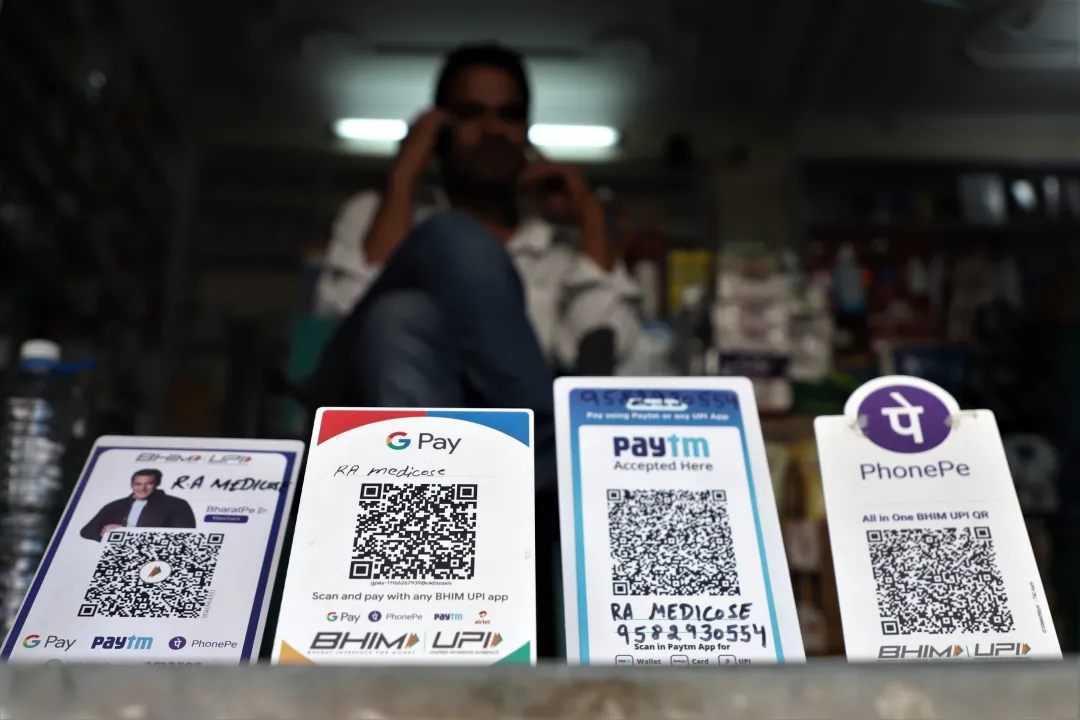
The National Payments Corporation of India (NPCI), the umbrella organization for operating retail payments and settlement systems in India, has announced a strategic delay in the implementation of merchant fees for its Unified Payments Interface (UPI) network. This decision follows significant pushback from various merchant sectors and trade associations across the country, who expressed concerns over the impact of new levies on high-value transactions. Originally scheduled to take effect on October 15, the rollout of a 0.4% fee on eligible merchant transactions exceeding ₹2,000 (approximately $21) has been deferred until after the conclusion of the Diwali festive season. While the NPCI confirmed the postponement on Tuesday, a specific new implementation date has not yet been established, leaving the industry in a state of anticipation regarding the future of the nation’s digital payment economics.
The proposed fee structure represents a pivotal shift in India’s long-standing policy of maintaining a "Zero MDR" (Merchant Discount Rate) regime for UPI. Since January 2020, the Indian government has mandated that no charges be levied on merchants for accepting payments via UPI or RuPay debit cards, a move designed to accelerate the adoption of digital payments and reduce the economy’s historical reliance on cash. This strategy has been wildly successful, propelling UPI to become the most popular digital payment method in the country. However, the costs associated with maintaining the massive infrastructure required to support billions of monthly transactions have led to increasing pressure from banks and payment service providers to reintroduce a revenue model.
The Scale and Growth of the UPI Ecosystem
To understand the magnitude of this policy shift, one must examine the staggering volume of transactions handled by the UPI network. According to official data released by the NPCI, the month of September alone saw UPI process approximately 24.07 billion transactions. These transactions carried a cumulative value of ₹29.37 trillion (roughly $305 billion). These figures highlight the degree to which UPI has become the fundamental backbone of the Indian financial system, used for everything from micro-payments at roadside tea stalls to high-value transfers in luxury retail.
The network is currently dominated by two major players: PhonePe, owned by Walmart, and Google Pay. Together, these third-party application providers (TPAPs) facilitate the vast majority of consumer-facing UPI transactions. While these companies have driven innovation and user adoption, they have also operated under a model where monetization is difficult due to the absence of transaction fees. The NPCI’s proposal to introduce a 0.4% fee on transactions above ₹2,000 was intended to create a sustainable revenue stream that could be shared among the various participants in the ecosystem, including the remitter bank, the beneficiary bank, and the payment service providers.
Chronology of UPI Development and Fee Regulations
The journey of UPI from a niche payment experiment to a global benchmark in fintech has been marked by several key regulatory milestones:
- April 2016: UPI is officially launched by the NPCI with 21 member banks, aiming to simplify peer-to-peer and peer-to-merchant transactions using a Virtual Payment Address (VPA).
- November 2016: The demonetization of high-value currency notes in India provides a massive catalyst for digital payment adoption, pushing millions of users toward UPI.
- January 2020: The Government of India eliminates the Merchant Discount Rate (MDR) for UPI and RuPay transactions. This "Zero MDR" policy is intended to remove the final barrier for small merchants to switch from cash to digital.
- 2021-2023: UPI experiences exponential growth. The government begins providing annual subsidies (averaging ₹1,500 crore to ₹2,000 crore) to banks to compensate for the lack of MDR, though industry stakeholders argue this is insufficient to cover operational costs.
- September 2024: NPCI announces the plan to introduce a 0.4% fee on merchant transactions over ₹2,000 to address the rising costs of infrastructure and security.
- October 2024: Following protests from retail associations and petrol pump operators, the NPCI announces a postponement of the fee, citing the importance of the festive shopping window.
Merchant Opposition and Industry Reactions
The primary catalyst for the postponement was the vocal opposition from various trade bodies. Retailers, particularly those operating in sectors with thin profit margins, argued that a 0.4% fee would significantly erode their earnings. The All India Mobile Retailers Association (AIMRA), which represents thousands of mobile phone storefronts, was among the first to protest, noting that high-value transactions—such as the purchase of smartphones—frequently exceed the ₹2,000 threshold.
Petrol pump operators also joined the chorus of dissent. Organizations representing fuel retailers warned that they might stop accepting UPI payments altogether if the charges were enforced. Given that fuel prices are heavily regulated and dealer margins are fixed, operators claimed they could not absorb any additional transaction costs without passing them on to consumers, which would be difficult under current pricing frameworks.
The timing of the proposed rollout was a particular point of contention. The "festive season" in India, which includes major holidays like Dussehra and Diwali, is the most critical period for the retail sector, often accounting for a substantial portion of annual sales. Merchants argued that introducing a new tax on digital transactions during this peak period would cause confusion, discourage consumer spending, and create logistical hurdles for businesses already stretched thin by holiday demand.
The Economic Reality: The Cost of Running a Free Network
Despite the merchant pushback, the NPCI and banking institutions face a harsh economic reality. The infrastructure required to process nearly a billion transactions a day is immense. Industry estimates cited by the NPCI suggest that the annual cost of operating the UPI network is approximately ₹200 billion (around $2.1 billion). These costs encompass server capacity, real-time settlement systems, cybersecurity measures, and comprehensive fraud prevention protocols.
Banks have long argued that the "Zero MDR" policy is unsustainable in the long term. While the government subsidy helps, it does not fully cover the capital expenditure and operational expenses incurred by banks that must maintain 24/7 uptime for their UPI switches. The proposed 0.4% fee was designed with several safeguards to protect the smallest players:
- Threshold Exemption: Transactions of ₹2,000 or less would remain free, protecting the "micro-payment" culture that UPI has fostered.
- Small Merchant Protection: Merchants with a monthly UPI turnover of less than ₹100,000 (about $1,033) would be exempt from the fee.
- Fee Cap: The total fee for any single large transaction would be capped at ₹300 (around $3), ensuring that very high-value payments are not prohibitively expensive.
Global Ambitions and Strategic Implications
The debate over UPI fees comes at a time when India is aggressively exporting its digital payment technology. The NPCI International Payments Limited (NIPL) was established in 2020 to take UPI to global markets. Today, the network is operational or in the process of being integrated in countries such as Singapore, the United Arab Emirates, France, Mauritius, and Nepal.
Maintaining a robust and financially viable domestic network is essential for India’s credibility as a global fintech leader. However, the challenge lies in balancing the need for revenue with the social objective of financial inclusion. If fees are perceived as too high, there is a risk that smaller merchants might revert to cash, undermining years of progress in formalizing the Indian economy.
Analysts suggest that the postponement gives the NPCI and the Ministry of Finance time to recalibrate the fee structure or perhaps increase the government subsidy to avoid a direct levy on merchants. There is also the possibility of implementing the fee in a phased manner, perhaps starting with specific high-margin categories rather than a blanket application based on transaction value.
Conclusion and Future Outlook
The deferment of the UPI merchant fee is a clear acknowledgment of the political and economic sensitivity surrounding digital payments in India. As the country moves into the Diwali season, the status quo of free transactions will remain in place, ensuring that the festive shopping surge is not dampened by new costs. However, the fundamental problem of how to fund the UPI ecosystem remains unresolved.
The post-Diwali period will likely see a renewed dialogue between the NPCI, the government, and merchant associations. Whether the NPCI proceeds with the 0.4% fee or seeks an alternative funding model will be a defining moment for the next phase of India’s digital journey. For now, the "free ride" for larger UPI transactions continues, but the window for a permanent zero-cost model appears to be closing as the network matures and its operational costs continue to climb. The outcome of this policy debate will serve as a case study for other nations looking to implement national digital payment systems while balancing the interests of consumers, merchants, and financial institutions.