Putri Inara
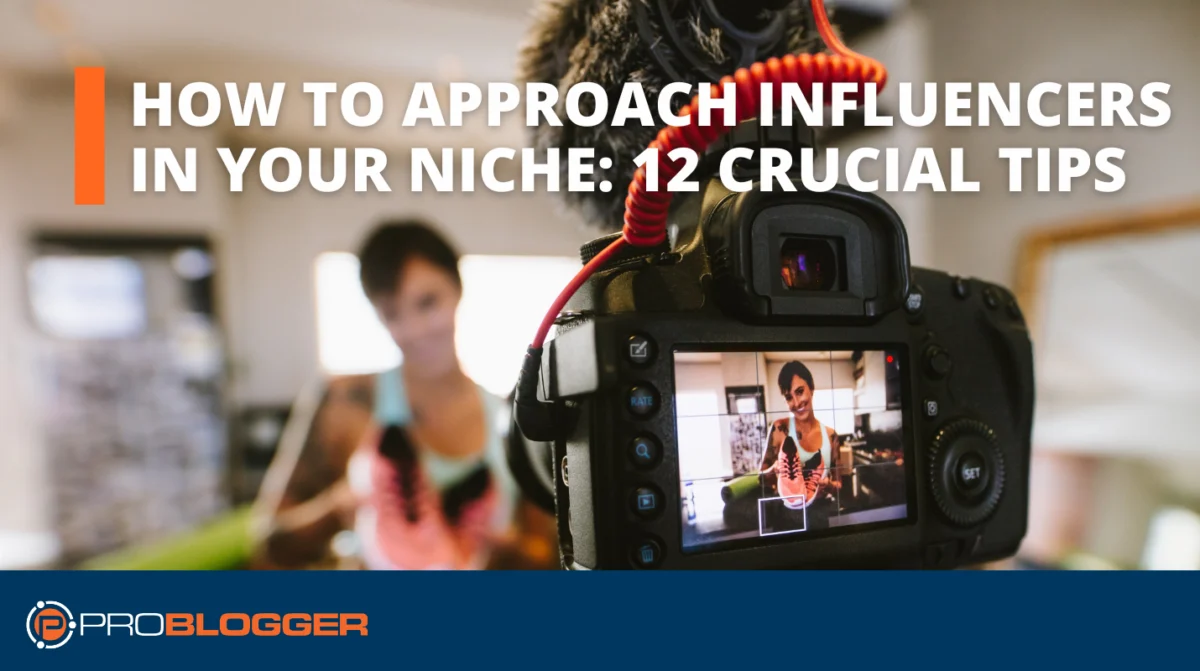
The rapid expansion of the global creator economy, projected by financial analysts at Goldman Sachs to reach a valuation of nearly $480 billion by 2027, has fundamentally altered the landscape of digital networking. For content creators, bloggers, and entrepreneurs, the ability to successfully connect with industry influencers is no longer a luxury but a strategic necessity. However, as the volume of digital noise increases, the traditional "cold outreach" methods are yielding diminishing returns. Industry data suggests that top-tier influencers receive between 10 and 100 partnership or connection requests daily, leading to a saturation point where automated and impersonal messages are systematically filtered out.
The core challenge in modern influencer relations lies in the shift from transactional interactions to relationship-based networking. While many novice creators attempt to utilize automated sequences and boilerplate templates, veteran digital strategists warn that these "systems" often cause irreparable damage to a personal brand. Professional networking in 2024 requires a nuanced, value-first approach that prioritizes the influencer’s objectives before seeking personal gain.
The Failure of Automated Outreach Systems
A significant portion of failed outreach can be attributed to the rise of automated "drip" email tools. These platforms allow users to schedule sequences that trigger based on whether an influencer opens a message. While marketed as time-saving solutions, these tools often result in a high volume of "boilerplate" content that influencers easily identify. Common errors include misspelling the recipient’s name, omitting specific niche details, or failing to account for the influencer’s current projects.
Data from digital marketing audits indicate that influencers with mid-to-large followings (50,000 to 1,000,000+ followers) ignore approximately 95% of automated outreach. The negative impact extends beyond a simple lack of response; being flagged as a "spammer" by high-authority figures can lead to being blacklisted within professional circles. Therefore, the first step in a professional outreach strategy is the abandonment of mass-automation in favor of bespoke, manual engagement.
Establishing a Credible Digital Presence
Before initiating contact, an outreach candidate must undergo a process of "social proofing." When an influencer receives a notification or email, the first reaction is typically to investigate the sender’s credentials. This preliminary vetting process examines the sender’s blog, social media activity, and overall professional tone.
Professionalism is measured not necessarily by the size of one’s following, but by the quality and consistency of their output. A creator who maintains a professional website and engages in constructive industry discourse is viewed as a peer, whereas those who use social media primarily for venting or unverified claims are often dismissed. The "Rule of Seven" in marketing—which suggests a prospect needs to see a brand at least seven times before taking action—applies here; influencers are more likely to respond to names they have seen interacting positively within their ecosystem.
A Twelve-Step Framework for Influencer Engagement
To navigate the complexities of modern networking, creators are encouraged to follow a structured framework based on mutual benefit and professional courtesy.
1. Management of Expectations and Persistence
A lack of response from an influencer should not be interpreted as a personal slight. High-level creators manage massive digital ecosystems and may simply lack the bandwidth to reply to every legitimate inquiry. Professionalism dictates that one should never "call out" or publicly criticize an influencer for a lack of response. Such actions serve as a permanent barrier to future collaboration.
2. Respecting Professional Boundaries
Effective networking requires enthusiasm without crossing into "stalking" behavior. While offline gestures, such as sending a relevant book or resource, can be effective, they must be handled with discretion. Gifts should be professional, modest in price, and directly related to the influencer’s stated interests or current projects.
3. Optimization of Contact Channels
Influencers often have a preferred medium for communication. While some may be highly active on LinkedIn or X (formerly Twitter), they may use platforms like Instagram solely for personal or visual content. Researching where an influencer is most responsive—often indicated on their "Contact" or "About" pages—increases the likelihood of a successful connection.
4. Facilitating Content Engagement
One of the most effective ways to enter an influencer’s radar is by contributing to their engagement metrics. This involves leaving constructive, insightful comments on their blog posts or videos. Simple "nice post" comments are insufficient; instead, contributors should answer questions posed by the influencer or provide additional data that adds value to the existing conversation.
5. Community Stewardship
Beyond direct interaction with the influencer, engaging with their community can establish a creator as a helpful and knowledgeable figure. This includes answering questions from other followers in Facebook groups or participating in Twitter chats. However, creators must avoid "community hijacking"—the act of attempting to divert the influencer’s audience to their own platform prematurely.
6. Audience Growth Assistance
Even creators with small audiences can provide value by sharing an influencer’s work with their own network. Linking to an influencer’s content in guest posts for larger publications is a high-value gesture that often triggers a notification for the influencer. Mainstream media outreach on behalf of an influencer—such as recommending them to a journalist for a quote—is another powerful way to build rapport.

7. Supporting Commercial Objectives
Influencers are business entities. Assisting them in achieving their commercial goals—whether through affiliate marketing, providing a high-quality testimonial for their products, or recommending their services on social media—creates a "win-win" scenario. Testimonials are particularly valuable when provided in video or audio formats, as they serve as powerful social proof for the influencer’s sales pages.
8. Content Research and Development
Providing research, data, or design assets can significantly reduce an influencer’s workload. Alerting an influencer to a broken link on their site or a typo in a recent post via a private, polite message is often appreciated. Additionally, suggesting well-researched topic ideas or providing interview questions can facilitate their content creation process.
9. Strategic Timing and Launches
Influencers are most receptive to help during specific windows, such as a book launch, product release, or the expansion into a new social platform. During these periods, their need for engagement and promotion is at its peak. Offering specific, time-sensitive assistance during these windows can lead to a rapid escalation of the relationship.
10. Humanizing the Interaction
It is essential to remember that influencers are individuals who deal with the same daily stresses as any other professional. Engaging on a human level—sharing a relevant piece of humor or offering words of encouragement during a difficult period—can differentiate a creator from the hundreds of purely transactional requests an influencer receives.
11. The Principle of Early Investment
The most successful relationships are built long before a favor is needed. Starting a relationship with a request for a guest post or a backlink is generally ineffective. Instead, creators should focus on building a foundation of trust and mutual respect over months or even years.
12. Maintaining Professional Authenticity
Authenticity is the cornerstone of digital networking. Influencers can easily detect disingenuous flattery. Approaches should be personal, honest, and focused on how the creator can genuinely contribute to the influencer’s mission.
Analysis of Broader Implications
The shift toward high-touch, personalized influencer outreach reflects a broader trend in the digital economy: the "Flight to Quality." As AI-generated content and automated bots flood the internet, human-centric networking becomes a premium asset.

For the influencer, these curated relationships provide a vetted network of collaborators who can be trusted to maintain the quality of their community. For the emerging creator, these connections offer a "halo effect," where the association with an established authority grants them immediate credibility in their niche.
Furthermore, data from SEO (Search Engine Optimization) studies suggests that "earned" mentions and backlinks from influencers carry significantly more weight in search algorithms than paid or automated links. This creates a tangible ROI (Return on Investment) for the time spent in manual relationship building.
Chronology of a Successful Connection
The timeline for establishing a high-level influencer relationship typically follows a predictable trajectory:
- Observation Phase (Weeks 1-4): Following the influencer across platforms, understanding their "voice," and identifying their current priorities.
- Engagement Phase (Months 1-3): Regular, insightful commenting and sharing of content without direct outreach.
- Value-Add Phase (Months 3-6): Providing a testimonial, a research link, or a mention in a guest post.
- Direct Outreach (Month 6+): A personalized email or message referencing the previous interactions and proposing a specific, mutually beneficial collaboration.
By adhering to this methodical and professional approach, creators can bypass the noise of the crowded digital marketplace and build lasting, impactful partnerships that drive long-term growth.