Farhan Pambudi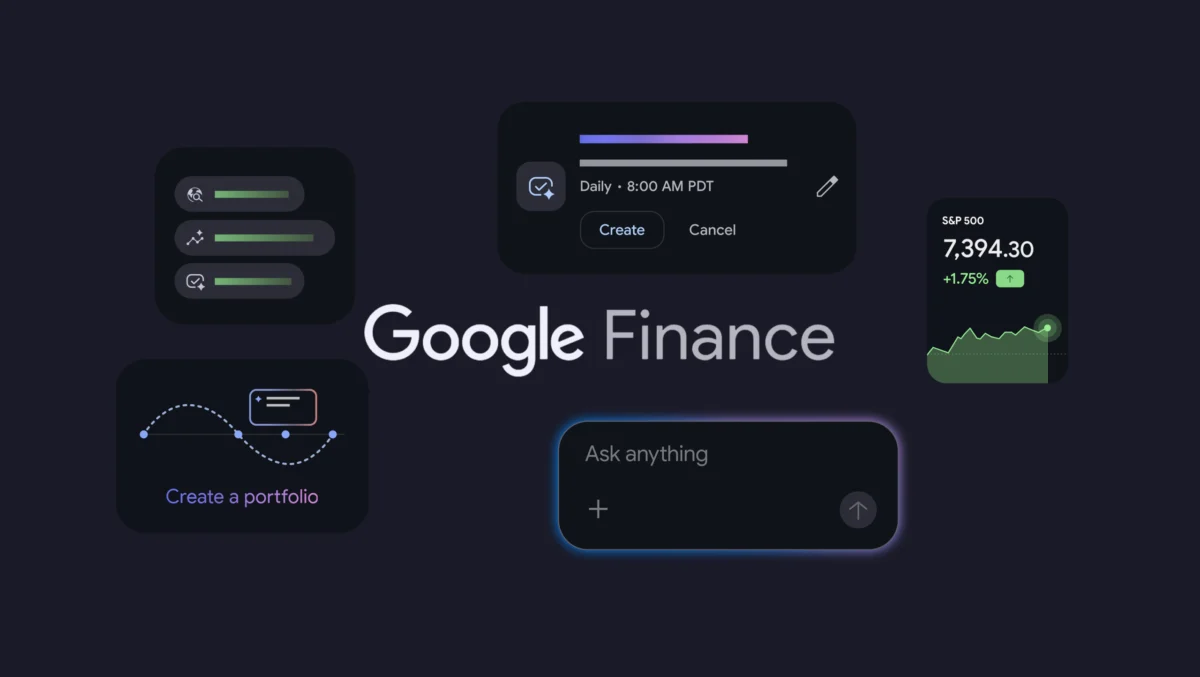
Google has officially entered the competitive landscape of standalone financial applications by launching its long-awaited Google Finance mobile app, marking a significant strategic shift in how the technology giant delivers market intelligence to its global user base. The new application, which debuted on the Android platform this Thursday, serves as a centralized hub for retail investors, housing personalized watchlists while providing a suite of advanced tools including real-time market data, live financial news feeds, and a proprietary AI-driven feature titled “Key Moments.” This launch represents the culmination of a multi-year effort to modernize Google’s financial data offerings, transitioning from a search-integrated tool to a comprehensive ecosystem designed to compete with established financial platforms and specialized trading applications.
The introduction of a dedicated mobile presence for Google Finance addresses a long-standing gap in Google’s mobile ecosystem. While financial data has been accessible through Google Search and a dedicated web portal for years, the lack of a native application often forced users to rely on third-party services like Yahoo Finance, Bloomberg, or the Apple Stocks app. By launching on Android first—with a promised iOS version to follow in the coming months—Google is prioritizing its own operating system’s users while signaling a broader intent to capture the mobile-first demographic of modern retail investors.
The Evolution of Google Finance: From Search Tab to Standalone Ecosystem
The journey toward this standalone app began in earnest last year when Google unveiled a revamped web experience for Google Finance, which remained in beta testing until this week. The transition out of beta signifies that the platform has reached a level of stability and feature density that Google believes can withstand the scrutiny of professional and amateur investors alike. Chronologically, Google Finance has seen several iterations since its inception in 2006. For much of its early life, it was a data-heavy destination for desktop users. In 2017, Google integrated many of its features directly into the main Search interface, a move that streamlined access but arguably diluted the platform’s utility for power users.
The 2026 launch reverses this trend, offering a specialized environment that removes the clutter of general web search. Central to this new experience is the "Key Moments" feature. Powered by Google’s latest generative AI models, Key Moments analyzes a vast array of financial news, earnings reports, and market fluctuations to provide users with concise explanations for why a specific stock is moving. If a company’s share price drops following an earnings call, the AI identifies the specific catalyst—such as a missed revenue target or lowered forward guidance—and presents it in an easily digestible format. This feature aims to democratize financial literacy by providing the kind of "why" analysis that was previously the domain of professional analysts or required hours of manual research.
Strategic Integration of Generative AI and Natural Language Processing
Beyond simple news aggregation, the new Google Finance experience leverages advanced Natural Language Processing (NLP) to change how users interact with their investment data. One of the most significant updates arriving with the global rollout is the "Portfolios" feature. This dashboard allows users to view their holdings in a single, unified view, tracking performance across various asset classes in real-time.

A distinctive element of the new portfolio system is the inclusion of a chatbot-driven research tool. Users are no longer required to manually input every data point or navigate complex menus to understand their asset allocation. Instead, they can create portfolios by uploading spreadsheets or simply describing their investments to the AI assistant in plain English. Once a portfolio is established, the AI becomes a proactive consultant. Users can ask complex questions such as, “What sectors are currently underrepresented in my portfolio?” or “How does my exposure to emerging markets compare to the S&P 500?”
Furthermore, Google is introducing automated "tasks" driven by natural language prompts. This allows users to set up recurring briefings or performance summaries that the AI generates in the background. For instance, an investor could instruct the app to “provide a weekly summary of how my tech holdings performed relative to the Nasdaq” or “alert me with a briefing if any of my watchlist stocks experience volatility due to regulatory news.” These features are currently live on the web version and are scheduled to be integrated into the mobile app in the upcoming update cycles.
Market Context and the Competitive Landscape
Google’s decision to launch a standalone finance app comes at a time of increased volatility and participation in global equity markets. Since the retail investing boom of 2020-2021, the demand for accessible, real-time financial data has skyrocketed. By entering this space, Google is positioning itself in direct competition with several tiers of financial services:
- Information Aggregators: Yahoo Finance has long been the dominant player in the free financial news and data space. Google’s advantage lies in its superior search algorithms and the integration of its proprietary AI, which can synthesize information faster than traditional news aggregators.
- Platform-Specific Tools: Apple Stocks has benefited from being pre-installed on hundreds of millions of iPhones. Google’s Android launch is a direct counter to this, providing a native, high-quality alternative for the Android ecosystem.
- Brokerage-Lite Apps: While Google Finance does not currently facilitate direct trading, its feature set overlaps significantly with the "research" tabs of apps like Robinhood, Webull, and E*TRADE. By providing superior research tools, Google may become the "top of the funnel" where investors spend their time before executing trades elsewhere.
Industry analysts suggest that Google’s move is less about immediate monetization through trading fees and more about "attention share" and data ecosystem retention. By keeping users within a Google-branded environment for their high-value financial queries, the company can better understand user intent and strengthen its advertising profile, even if the Finance app itself remains ad-free or minimally monetized in its early stages.
Supporting Data: The Growing Demand for Financial Intelligence
The scale of the market Google is targeting is substantial. According to recent market research data, the global financial information service market is projected to grow at a compound annual growth rate (CAGR) of over 7% through 2030. Furthermore, internal Google Search trends have shown a consistent year-over-year increase in queries related to "stock market explanation" and "why is [ticker] up," indicating a clear user need for the "Key Moments" functionality.
The democratization of AI tools is also a factor. A 2025 survey of retail investors indicated that nearly 60% of Gen Z and Millennial investors are open to using AI-generated summaries to inform their investment decisions, provided the data comes from a reputable source. Google’s brand authority in data processing gives it a significant head start in gaining the trust of these demographics.

Official Responses and Future Roadmap
In a statement accompanying the launch, Google emphasized its commitment to providing "authoritative and accessible" financial information. "Our goal with the new Google Finance app and the enhanced web experience is to take the complexity out of market data," a company spokesperson noted. "By utilizing Google’s advancements in AI, we can help users not just see the numbers, but understand the stories behind them."
The company has also teased a robust roadmap for the remainder of 2026. Beyond the iOS release, Google plans to integrate live audio streaming for corporate earnings calls directly into the app. This would allow users to listen to CEOs and CFOs discuss quarterly results while viewing real-time price reactions and AI-generated transcripts on the same screen. This integration of live multimedia with data visualization would represent a significant step forward in making institutional-grade tools available to the general public.
Analysis of Broader Implications
The launch of the Google Finance app signals a broader trend of "AI-first" utility apps. We are moving away from an era where apps were mere containers for data and into an era where apps act as proactive agents. Google Finance is not just showing a stock price; it is interpreting the market. This shift has profound implications for the financial media industry. If AI can accurately and instantly explain market movements, the role of traditional financial journalism may shift toward more deep-dive investigative pieces, as the "breaking news summary" becomes a commoditized AI output.
Additionally, the global rollout of the portfolio feature suggests Google is looking at the international market where localized financial data is often fragmented. By providing a unified dashboard that can track global holdings, Google could become the primary interface for investors in emerging markets who previously lacked access to sophisticated portfolio tracking tools.
In conclusion, the standalone Google Finance app is a strategic play to reclaim the financial data vertical. By combining its massive data processing power with cutting-edge generative AI, Google is attempting to create the definitive "second screen" for investors. Whether it can unseat incumbents like Yahoo Finance will depend on the speed of its iOS rollout and the continued accuracy of its AI-driven insights, but for now, the launch marks a new chapter in the intersection of big tech and personal finance.