Reynand Wu
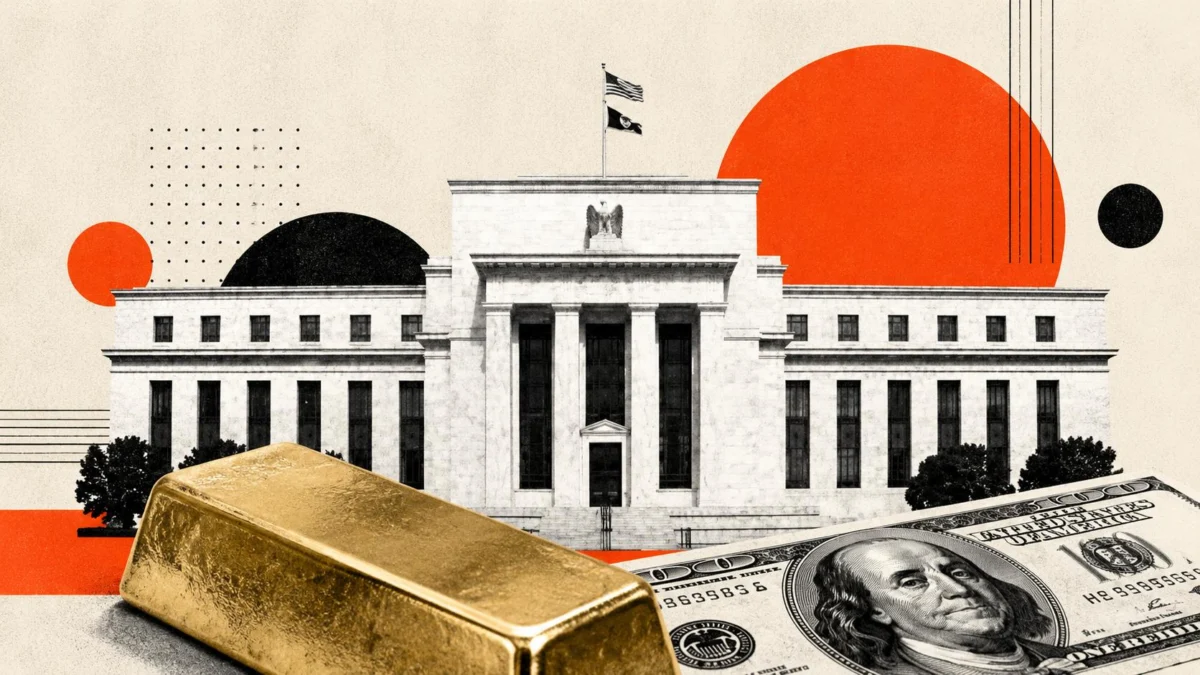
Gold (XAU/USD) experienced a significant downturn on Friday, plummeting to a new year-to-date (YTD) low of $3,880. This marked the first time the precious metal had breached the critical $3,900 threshold since October of the previous year, signaling a pronounced shift in market sentiment. By the close of trading, XAU/USD stood at $3,884, registering a decline of over 3.3% for the day. This sharp depreciation was primarily driven by a confluence of factors, including the strengthening US Dollar, an upward trajectory in US Treasury yields, a broad deterioration in global risk appetite, and increasingly hawkish rhetoric from Federal Reserve officials, collectively exerting immense downward pressure on bullion prices.
A Deep Dive into Gold’s Retreat: The Driving Forces
The dramatic fall in Gold prices is not an isolated event but rather the culmination of several interconnected economic and monetary policy developments. The non-yielding nature of Gold makes it particularly sensitive to interest rate expectations and the allure of competing assets like the US Dollar and Treasury bonds.
Hawkish Federal Reserve Rhetoric:
The primary catalyst for Gold’s recent decline stems from the Federal Reserve’s unwavering commitment to combating persistent inflation. Recent statements from key Fed officials have reinforced expectations of continued monetary tightening. Dallas Fed President Lorie Logan explicitly called for two additional rate hikes, underscoring a more aggressive stance than some market participants had anticipated. Her comments highlight concerns that current policy may not be sufficiently restrictive to bring inflation back to the Fed’s 2% target.
Echoing this sentiment, St. Louis Fed President Alberto Musalem advocated for another rate hike in the near future, emphasizing his view that monetary policy remains "too loose." Such declarations from influential policymakers signal a readiness to endure higher borrowing costs for longer, even at the risk of potentially slowing economic growth. This firm stance contrasts with the more cautious approach favored by some other officials, such as Richmond Fed President Thomas Barkin, who, while recognizing the spreading inflationary pressure, expressed a preference for a "gradual approach." Despite Barkin’s more measured tone, the dominant narrative emerging from the Fed points towards continued vigilance and potential further tightening, which inherently diminishes the appeal of non-yielding assets like Gold. The prospect of higher interest rates increases the opportunity cost of holding Gold, as investors can earn better returns on interest-bearing assets.
Rising Treasury Yields and a Resilient Dollar:
In tandem with the hawkish Fed commentary, US Treasury yields edged higher, further bolstering the attractiveness of fixed-income investments relative to Gold. The 10-year Treasury yield, a benchmark for global borrowing costs, has been on an upward trend, reflecting both inflation expectations and the anticipation of tighter monetary policy. As yields rise, the real return on holding government bonds increases, making them a more compelling alternative to Gold, which offers no yield.
Curiously, the US Dollar, often inversely correlated with Gold, failed to advance significantly on Friday despite the backdrop of rising yields and hawkish Fed talk. While typically a stronger Dollar makes Gold more expensive for holders of other currencies, thereby reducing demand, its subdued movement on Friday suggests that other factors were exerting stronger pressure on Gold. However, the overall trend of a strong Greenback throughout much of the year has contributed to Gold’s underperformance, as the Dollar serves as a competing safe-haven asset, particularly during periods of global economic uncertainty.
Deteriorating Risk Appetite and Global Economic Headwinds:
A general deterioration in global risk appetite also played a role in Gold’s slide. While Gold is traditionally seen as a safe-haven asset that performs well during times of uncertainty, a unique dynamic can emerge when the source of uncertainty is aggressive monetary tightening itself. When investors fear that central bank actions could trigger a recession or significantly slow economic activity, they might initially flock to the Dollar and highly liquid government bonds before considering Gold. The current environment, characterized by geopolitical tensions and concerns about global economic growth, creates a complex interplay where risk-off sentiment doesn’t always translate directly into immediate Gold buying, especially when faced with compelling returns elsewhere.
The Influence of Surging Oil Prices:
Further complicating the inflationary outlook and indirectly pressuring Gold is the sustained rise in energy prices. West Texas Intermediate (WTI), the US Oil benchmark, was up 0.5% on Friday, trading near $102 per barrel. The persistence of high oil prices, even amidst ongoing talks between the US and Iran (as reported by Axios), fuels inflation concerns. Elevated energy costs feed into production costs across various sectors, translating into higher consumer prices. This sustained inflationary pressure reinforces the Fed’s hawkish stance, as it necessitates tighter monetary policy to cool the economy and bring inflation under control. A more aggressive Fed, as discussed, is generally detrimental to Gold prices.
Economic Landscape: Fueling the Fed’s Resolve
Recent economic data from the United States provides a mixed picture but largely supports the Fed’s cautious and potentially hawkish outlook.
Robust US Economic Growth:
The US economy demonstrated remarkable resilience in the third quarter, growing at a healthy 3.4% year-over-year. This figure significantly exceeded forecasts, indicating robust underlying economic activity. While strong growth is generally positive, in the context of persistent inflation, it can provide the Fed with more leeway to continue raising interest rates without immediately fearing a severe recession. A strong economy can absorb higher borrowing costs, giving policymakers confidence to prioritize price stability.
Persistent Inflationary Pressures:
Despite some signs of moderation in headline inflation, core inflation metrics remain stubbornly high. Core Personal Consumption Expenditures (PCE) inflation, the Fed’s preferred measure, remained elevated at 3.1% year-over-year in Q3. This reading was up from September’s figure and in line with estimates, indicating that underlying inflationary pressures are still pervasive. This sustained inflation, well above the Fed’s 2% target, is the central bank’s primary concern and justifies its hawkish stance. The Fed’s dual mandate includes both maximum employment and price stability, and with employment robust, the focus remains squarely on taming inflation.
Shifting Market Expectations for Rate Hikes:
While the robust economic data and hawkish rhetoric might logically increase the likelihood of a Fed rate hike, investor sentiment has shown some nuanced shifts. According to the CME FedWatch Tool, the odds of a Fed rate hike have actually lowered slightly, from around 84% on Wednesday (following the Fed’s decision) to 70% by Friday. This modest reduction in perceived odds suggests that while the market acknowledges the Fed’s hawkish bias, there might be lingering doubts about the exact timing or magnitude of future hikes, perhaps influenced by concerns about the cumulative impact of past tightening or the ongoing debate among Fed officials regarding the pace of tightening. However, a 70% probability still represents a significant likelihood of further tightening, which continues to weigh on Gold.
Gold’s Historical Context and Role in the Global Economy
To fully appreciate Gold’s current predicament, it’s essential to understand its enduring role and historical correlations within the global financial system.
Gold as a Safe Haven and Inflation Hedge:
Gold has captivated humanity for millennia, serving not only as a symbol of wealth and adornment but also as a fundamental store of value and medium of exchange. In contemporary finance, its most celebrated attributes are its status as a "safe-haven asset" and a "hedge against inflation." During periods of geopolitical instability, economic uncertainty, or widespread market turbulence, investors traditionally flock to Gold, seeking refuge from depreciating currencies and volatile equities. Its intrinsic value, independent of any specific issuer or government, makes it a reliable sanctuary when trust in fiat currencies or financial institutions wanes. Similarly, when inflationary pressures erode the purchasing power of money, Gold tends to retain its value, making it an attractive asset for preserving wealth over the long term.
Central Bank Holdings and Strategic Importance:
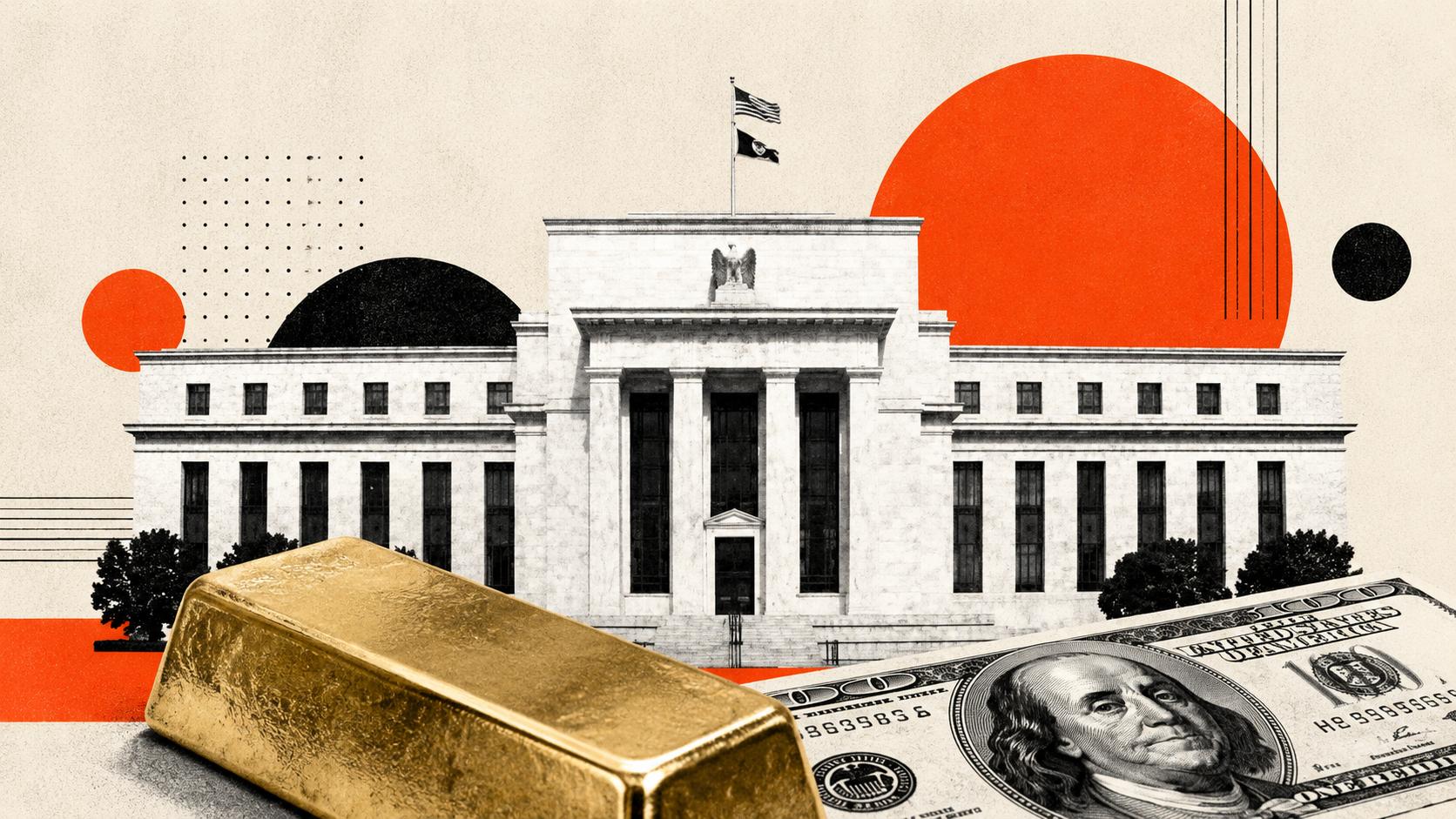
Central banks globally are the largest institutional holders of Gold, a testament to its strategic importance in national reserves. Their motivations are multifaceted: to diversify reserves, bolster the perceived strength of their national currency, and instill confidence in a country’s solvency. High Gold reserves are often seen as a bulwark against economic shocks. The World Gold Council reported that central banks added an unprecedented 1,136 tonnes of Gold, valued at approximately $70 billion, to their reserves in 2022—the highest yearly purchase on record. Emerging economies, notably China, India, and Turkey, have been particularly aggressive in increasing their Gold holdings, signaling a broader trend towards de-dollarization and diversification away from traditional reserve assets.
Correlations with Key Assets:
Gold’s price movements are often characterized by an inverse correlation with the US Dollar and US Treasuries, both major reserve and safe-haven assets. When the Dollar strengthens, Gold tends to weaken, as it becomes more expensive for international buyers. Conversely, a depreciating Dollar often propels Gold prices higher, as investors seek to diversify their portfolios. Similarly, rising Treasury yields, which offer a guaranteed return, tend to diminish Gold’s appeal, given that it is a non-yielding asset. Gold also generally exhibits an inverse correlation with risk assets; a rally in stock markets often sees investors rotate out of safe havens like Gold into higher-growth opportunities, while significant sell-offs in riskier markets typically favor the precious metal.
A Chronology of Recent Market Events (Inferred and Expanded)
The current bearish trajectory for Gold is not a sudden occurrence but rather the culmination of a series of events over recent weeks and months.
- Late September/Early October: Initial signs of economic resilience in the US begin to emerge, with better-than-expected jobs data and consumer spending figures. Simultaneously, crude oil prices start to firm up, sparking renewed inflation concerns.
- Mid-October: Federal Reserve officials begin to articulate a more unified, hawkish message, emphasizing the need to keep interest rates elevated for longer. Speeches from regional Fed presidents hint at the possibility of further rate hikes if inflation does not recede decisively. Gold, having shown some resilience earlier in the year, begins to face headwinds.
- Late October (leading up to Friday): The release of strong Q3 GDP figures, coupled with persistent core PCE inflation data, provides concrete evidence of a resilient economy and sticky inflation. This data reinforces the Fed’s hawkish resolve. Concurrently, US Treasury yields tick higher, making interest-bearing assets more attractive.
- Friday’s Trading Session: The combination of renewed hawkish comments from Fed officials (Logan, Musalem), rising oil prices, and a general shift away from riskier assets culminates in a decisive break below the $3,900 level for Gold, marking its new year-to-date low. The clearing of the significant support level observed on October 28 last year ($3,886 in the original context) suggests that bearish momentum has intensified.
Technical Analysis: Unpacking the Bearish Momentum
From a technical perspective, the outlook for XAU/USD remains distinctly downward following its breach of the $3,900 mark. This move has effectively opened the door to a potential retest of a 12-month low, reflecting a strong bearish sentiment pervading the market.
The momentum indicators corroborate this negative outlook. The Relative Strength Index (RSI), a key gauge of price momentum, is currently indicating bearish sentiment and is approaching oversold territory. While an oversold RSI can sometimes signal an impending bounce, in a strong downtrend, it often indicates that the selling pressure is intensifying rather than abating, suggesting that the path of least resistance for Gold is downwards.
Should XAU/USD fail to recover and close on the daily chart below the crucial support level of $3,886 (the significant low observed on October 28 last year), the next immediate downside target for bears is projected at $3,800. This psychological level would represent a significant capitulation for Gold. If this level is also breached, the subsequent area of interest for further downside movement would be the $3,500 mark, which previously acted as a swing high on April 22 last year before transitioning into a potential support zone. A move to $3,500 would signify a much deeper correction for the precious metal.
For a bullish reversal to materialize, Gold buyers would need to exert substantial upward pressure, first driving prices decisively above the $3,900 resistance level. Sustaining a move above this psychological barrier would be the initial step. Following this, a successful push beyond the $4,000 mark would be necessary to signal a more significant shift in sentiment. Clearing these key resistance levels would then pave the way for a potential test of the $4,100 mark. Beyond this, the ultimate challenge for bulls would be to reclaim the 100-day Simple Moving Average (SMA), currently positioned around $4,213. A sustained close above the 100-day SMA would be a strong technical indicator of a potential trend reversal, but given the current bearish momentum, such a move appears distant.
Forward Look: Navigating the Week Ahead
The coming week promises a packed schedule of US economic data releases, which will undoubtedly influence market sentiment and Gold’s trajectory. Investors will be closely watching for clues regarding the health of the US economy and the potential implications for the Federal Reserve’s monetary policy decisions.
Key data points on the economic calendar include:
- ISM Manufacturing PMI (October): This report provides an early look at the health of the manufacturing sector, offering insights into industrial activity, new orders, and employment. A strong reading could reinforce the narrative of economic resilience, potentially supporting a hawkish Fed.
- ISM Services PMI (October): Given that the services sector dominates the US economy, this report is crucial for understanding overall economic momentum. A robust services sector could similarly provide the Fed with more room to maneuver on interest rates.
Beyond these broad economic indicators, a slew of labor market figures will take center stage:
- JOLTS Job Openings: This report measures job vacancies, providing insights into labor demand. A high number of job openings could indicate a tight labor market, potentially contributing to wage inflation and supporting a hawkish Fed.
- ADP Employment Change: A private-sector estimate of nonfarm employment, often seen as a precursor to the official government jobs report.
- Initial Jobless Claims: Weekly data on new unemployment claims, offering a real-time gauge of the labor market’s health.
- Nonfarm Payrolls (NFP): The highlight of the week, this comprehensive report provides a detailed overview of employment, unemployment, and wage growth. A strong NFP report with robust wage growth could solidify expectations for further Fed tightening, potentially further pressuring Gold. Conversely, a weaker-than-expected report might offer some respite for bullion, suggesting the Fed could temper its hawkishness.
The collective impact of these releases will be pivotal in shaping market expectations for future Fed policy, and consequently, the direction of Gold prices. Any data suggesting a persistently strong labor market or elevated inflationary pressures will likely reinforce the bearish outlook for Gold, while signs of economic slowdown or cooling inflation could provide some much-needed support for the precious metal.
Implications for Investors and the Broader Market
Gold’s recent sharp decline and its breach of key psychological and technical support levels signal a challenging period for the precious metal. The ongoing tug-of-war between persistent inflation, robust economic growth, and an aggressively hawkish Federal Reserve creates a complex environment for investors. For the immediate future, the path of least resistance for Gold appears to be downwards, as the opportunity cost of holding a non-yielding asset remains high in a rising interest rate environment.
This situation also has broader implications. The strength of the US Dollar and the allure of US Treasury yields suggest that capital continues to flow into these traditional safe havens, reflecting global economic uncertainties but also confidence in the US monetary policy response. For other commodities, particularly those sensitive to economic growth, the outlook remains mixed, influenced by global demand dynamics and geopolitical factors. Equity markets, meanwhile, will continue to grapple with the prospect of higher-for-longer interest rates, which can dampen corporate earnings and valuations.
Ultimately, Gold’s fate in the coming weeks and months will largely depend on the Federal Reserve’s actions and communications, the trajectory of inflation, and the resilience of the US economy. Until there is a clear signal that the Fed is nearing the end of its tightening cycle or that inflation is definitively under control, Gold may continue to face significant headwinds, prolonging its agony below the $3,900 threshold.