Lina Wu
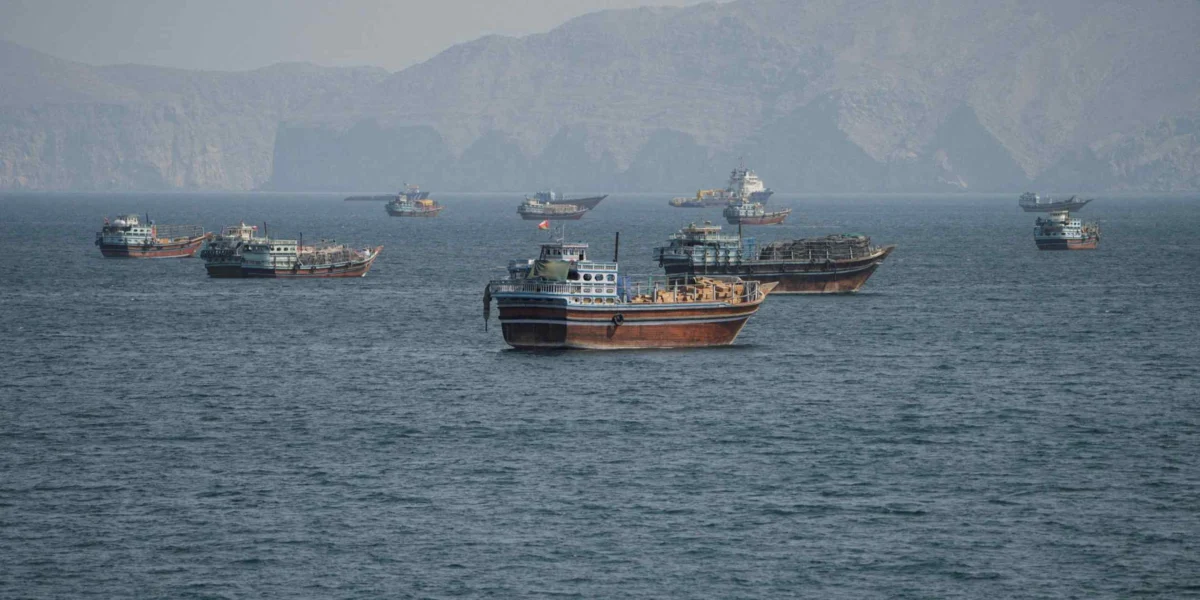
Global crude oil exports have reached an unprecedented peak, defying the ongoing blockade of the vital Strait of Hormuz, as energy producers ingeniously pivot to alternative delivery routes and significantly ramp up supplies from North and Latin America. This remarkable resilience in the face of a critical chokepoint underscores the evolving dynamics of the global energy market, demonstrating the capacity for adaptation and innovation within the industry when faced with significant geopolitical and logistical challenges. The record export volumes suggest a complex interplay of strategic maneuvering by oil-producing nations, increased investment in alternative infrastructure, and a robust demand that, while tested, has not fundamentally fractured.
The Strait of Hormuz, a narrow waterway connecting the Persian Gulf to the open ocean, has long been recognized as one of the world’s most critical maritime transit points for oil. Approximately 20-30% of global oil consumption, and a substantial portion of liquefied natural gas (LNG), transits through this strategic passage daily. The current blockade, the origins and exact nature of which remain subject to ongoing international scrutiny and varying accounts, has presented a formidable challenge to the smooth flow of energy commodities. However, rather than leading to a catastrophic decline in exports, the situation has catalyzed a significant recalibration of global energy logistics.
The Genesis of the Blockade and its Immediate Aftermath
While the precise start date of the current "blockade" is a subject of differing official statements and intelligence assessments, its impact on shipping lanes has been palpable since mid-2026. Initial disruptions were characterized by heightened tensions, reports of naval skirmishes, and the rerouting of several oil tankers. The situation escalated with confirmed incidents of vessel detours and the imposition of navigational restrictions by various regional actors, effectively creating a de facto, albeit contested, blockade.
The immediate aftermath saw a sharp spike in oil prices, driven by fears of supply shortages. However, this initial volatility was tempered by the swift actions of major oil producers and consumers. Governments and corporations alike initiated contingency plans, a process that had been incrementally developed in anticipation of such a scenario over years of geopolitical unease in the region. The International Energy Agency (IEA) and major consuming nations began coordinating the release of strategic petroleum reserves, providing a crucial buffer against immediate shortages and price shocks.
Diversification of Supply Routes: A Strategic Imperative
The most significant factor contributing to the record export levels, despite the Hormuz blockade, is the successful diversification of supply routes. Producers in the Middle East, traditionally reliant on Hormuz, have been forced to explore and expand alternative methods of reaching global markets. This has involved a multi-pronged approach:
-
Expansion of Existing Pipelines: Existing pipelines that bypass the Strait of Hormuz, such as the East-West Pipeline (also known as the Petroline) from Saudi Arabia to the Red Sea, have seen their capacity significantly increased. Investment in expanding these land-based arteries has been accelerated, allowing a greater volume of crude oil to be shipped from Red Sea ports, thus circumventing the Persian Gulf entirely. Similarly, pipelines connecting Iraq to terminals on the Mediterranean coast have been optimized.
-
Development of New Infrastructure: The blockade has served as a powerful catalyst for the development of entirely new pipeline projects and the expansion of port facilities on alternative coastlines. Countries like the UAE have invested heavily in expanding their Fujairah port, a major hub on the Arabian Sea, and developing direct crude oil export capabilities that bypass the Strait.
-
Increased Reliance on North and Latin American Production: A substantial portion of the surge in global exports is attributed to the increased output and export capacity from North and Latin America. The United States, Canada, and various Latin American nations have significantly ramped up their production and export operations. This shift is facilitated by existing and expanding export terminals on the Atlantic and Pacific coasts, as well as robust intra-continental pipeline networks. The shale oil revolution in the US, which had already established significant export capacity, has proven to be a crucial element in this global energy redistribution.
-
Rethinking Maritime Logistics: Shipping companies have also adapted by employing longer and more circuitous routes, primarily around the southern tip of Africa. While these routes are more time-consuming and costly, they have become a necessity. The increased demand for supertankers and specialized vessels capable of navigating these longer journeys has also stimulated activity in the shipping sector.
Supporting Data: A Snapshot of Evolving Flows
Official data from maritime analytics firms and international energy organizations paint a compelling picture of this recalibration. In the third quarter of 2026, global crude oil exports were estimated to have reached an all-time high of approximately 68 million barrels per day (bpd), a figure that surpasses previous records set in early 2025. This represents a nearly 8% increase compared to the same period in 2025, before the most severe disruptions to Hormuz shipping became apparent.
Crucially, the composition of these exports has shifted. While crude oil originating from countries bordering the Persian Gulf has seen a slight decline in its share of global exports due to logistical challenges, the volume of crude exported from North America (primarily the US and Canada) has surged by over 15% year-on-year. Similarly, Latin American exports, particularly from Brazil and Mexico, have seen a healthy growth of around 10%. This highlights a significant geographic redistribution of oil supply.
Tanker tracking data further corroborates these trends. The number of supertankers rerouted around the Cape of Good Hope has increased by approximately 25% since the blockade intensified. Conversely, the number of tankers transiting the Strait of Hormuz, while still significant, has experienced a measurable decline in daily traffic, with many vessels now opting for alternative routes even before reaching the chokepoint.
Official Responses and International Reactions
The international community has responded to the situation with a mixture of concern, diplomatic engagement, and pragmatic adaptation.
United Nations: The UN Security Council has held multiple emergency sessions to discuss the escalating tensions and their impact on global energy security and international shipping. Diplomatic efforts have been underway to de-escalate the situation and ensure freedom of navigation, although progress has been incremental, reflecting the complex geopolitical landscape.
Major Consuming Nations: Key oil-importing nations, including those in Europe and Asia, have actively engaged in diplomatic outreach and have publicly emphasized the importance of maintaining open shipping lanes. Their strategic petroleum reserves have been utilized judiciously to stabilize markets, and they have been actively encouraging their domestic industries and international partners to secure diversified energy supplies. Statements from officials in these countries have consistently called for an immediate end to the disruptions, highlighting the severe economic consequences of prolonged instability.
Oil Producing Nations: Nations directly affected by the blockade have issued varying statements. Some have reiterated their commitment to global energy markets and have sought to reassure international partners of their efforts to maintain supply through alternative means. Others have been more assertive, framing the blockade as a response to broader regional security concerns. The International Energy Agency (IEA) has maintained close communication with member states, monitoring production levels and coordinating responses to ensure market stability.
Energy Corporations: Major oil companies and trading houses have been at the forefront of adapting to the new logistical realities. Their responses have been primarily operational, focusing on securing alternative chartering for vessels, rerouting supply chains, and optimizing their inventory management. Many have publicly acknowledged the increased costs and complexities associated with these adjustments but have also expressed confidence in their ability to navigate the challenges.
Broader Impact and Implications: A Shifting Energy Landscape
The sustained high levels of global crude oil exports in the face of the Hormuz blockade have several significant implications for the future of the energy market:
-
Accelerated Infrastructure Development: The current crisis has acted as a powerful catalyst for investment in alternative energy infrastructure. Projects that may have taken years to gain approval and funding are now being fast-tracked. This could lead to a permanent shift in how oil is transported globally, with a reduced reliance on the Strait of Hormuz in the long term.
-
Geopolitical Rebalancing: The increased importance of North and Latin American energy producers in meeting global demand could lead to a subtle geopolitical rebalancing. The influence of traditional Middle Eastern energy powerhouses, while still substantial, might be somewhat diluted as alternative supply chains gain prominence. This could also foster closer energy ties between North America, Latin America, and key importing regions in Asia and Europe.
-
Increased Transportation Costs and Environmental Impact: The necessity of longer shipping routes will inevitably lead to higher transportation costs for oil, which could translate into sustained elevated prices for consumers. Furthermore, longer voyages mean increased fuel consumption by tankers, potentially leading to a higher carbon footprint for global oil transportation.
-
Resilience of the Global Energy System: The fact that global exports have not only been sustained but have reached record highs demonstrates the inherent resilience and adaptability of the modern energy system. This resilience is a testament to decades of strategic planning, technological innovation, and the proactive diversification of energy sources and supply routes by various actors.
-
Potential for Future Disruptions: While the current situation highlights adaptability, it also serves as a stark reminder of the vulnerability of critical global chokepoints. The ongoing geopolitical tensions that underpin the Hormuz blockade suggest that similar disruptions could occur in other vital transit zones in the future, underscoring the continued need for robust contingency planning and diplomatic efforts to ensure global energy security.
In conclusion, the record-breaking global crude oil exports, despite the ongoing blockade of the Strait of Hormuz, represent a complex and dynamic response to a significant geopolitical challenge. It is a narrative of strategic adaptation, innovation in logistics, and the robust capacity of the global energy market to absorb and overcome disruptions, albeit with new costs and implications for the future. The long-term consequences of this period will likely reshape energy trade routes and geopolitical alignments for years to come.