Lina Wu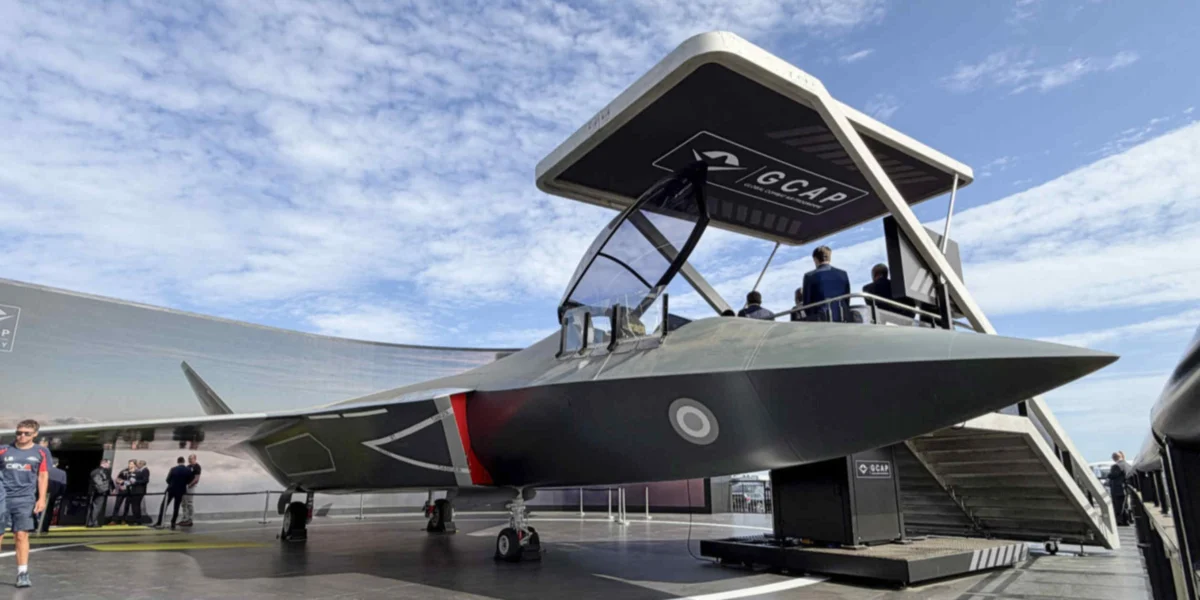
TURIN, Italy – Edgewing, the multinational consortium spearheading the development of a groundbreaking next-generation fighter jet for Japan, the United Kingdom, and Italy, has announced a significant strategic expansion, with plans to inaugurate a dedicated design and development center in Japan early next year. This ambitious undertaking is projected to create approximately 1,000 highly skilled jobs, underscoring the program’s commitment to integrating Japanese technological prowess and industrial capacity into its core operations. The announcement was made by Edgewing CEO Marco Zoff, signaling a crucial step forward in the collaborative effort to define the future of aerial combat.
Genesis of a Transformative Partnership: The GCAP Initiative
The Global Combat Air Programme (GCAP), a trilateral endeavor initiated in December 2022, represents a monumental leap in defense industrial cooperation. Its objective is to develop a sixth-generation fighter aircraft that will supersede existing platforms such as the UK’s Eurofighter Typhoon, Italy’s F-35As, and Japan’s F-2 fighter jets by the mid-2030s. This program is not merely about creating a new warplane; it is a strategic response to evolving geopolitical landscapes, characterized by the rapid modernization of military capabilities by potential adversaries and the escalating costs and complexities of developing advanced defense systems independently.
The genesis of GCAP can be traced back to earlier bilateral defense dialogues. Japan, prior to the formal GCAP agreement, was pursuing its own next-generation fighter program, the FX. Similarly, the UK and Italy, along with Sweden, were collaborating on the Tempest program. The convergence of these initiatives into the broader GCAP framework was driven by a shared recognition that pooling resources, expertise, and financial investments would yield a more capable and cost-effective outcome than individual national efforts. This consolidation allows for greater economies of scale, broader access to diverse technological innovations, and a more robust industrial base capable of sustaining such a complex undertaking over decades.
Edgewing: The Vanguard of Next-Generation Air Power
Edgewing, established in July 2023, serves as the primary entity responsible for the design, development, and eventual production of the GCAP fighter. Its ownership structure reflects the collaborative spirit of the program, with BAE Systems (UK), Leonardo (Italy), and Mitsubishi Heavy Industries (Japan) each holding a significant stake. The decision to establish a major design and development center in Japan is a direct acknowledgment of Japan’s advanced technological capabilities, particularly in areas such as advanced materials, sensor technology, and software development.
The Farnborough International Airshow, a globally recognized aerospace and defense exhibition, has previously served as a platform for showcasing the aspirations of the GCAP program. Mock-ups and conceptual designs of the next-generation fighter have been displayed, offering glimpses into the aircraft’s envisioned capabilities, which are expected to include advanced stealth features, network-centric warfare integration, directed-energy weapons, and sophisticated artificial intelligence (AI) driven operational systems. These exhibitions have not only generated interest but also served as crucial engagement points for potential suppliers, partners, and international observers, fostering transparency and building confidence in the program’s trajectory.
Strategic Rationale for Japanese Expansion
The establishment of the new center in Japan is multi-faceted. Firstly, it signifies a deep commitment to fully integrating Japan’s industrial and technological ecosystem into the GCAP project. Japan has a long-standing reputation for excellence in precision engineering, advanced electronics, and robotics, all of which are critical components for a sixth-generation fighter. By situating a significant design hub within Japan, Edgewing ensures that Japanese engineers and researchers are at the forefront of the development process, fostering a sense of ownership and maximizing the utilization of indigenous expertise.
Secondly, this expansion is a strategic move to bolster the program’s resilience and diversify its operational footprint. Relying on a single development base could present vulnerabilities. A distributed development model, with major centers in Europe and Asia, enhances the program’s ability to weather potential disruptions, whether they be economic, political, or environmental. It also allows for greater regional integration, potentially leading to streamlined production and support chains closer to the East Asian theater of operations.
Thirdly, the move is likely driven by the desire to attract and retain top talent. Japan boasts a highly educated and skilled workforce in the aerospace and technology sectors. Establishing a state-of-the-art facility there will enable Edgewing to tap into this rich talent pool, offering attractive career opportunities and fostering an environment of innovation. The projection of employing around 1,000 individuals suggests a substantial investment in human capital, underscoring the long-term vision for the Japanese presence within Edgewing.
Timeline and Phased Development
The GCAP program is envisioned as a multi-phased initiative, with the establishment of the Japanese design center representing a significant milestone within the early development stages. The initial phase, which commenced with the formalization of GCAP, focused on concept definition, technology maturation, and the establishment of the joint venture structure. The opening of the Japanese design center early next year marks the transition into a more intensive design and engineering phase.
- December 2022: Formal agreement signed by Japan, the UK, and Italy to launch the Global Combat Air Programme.
- July 2023: Edgewing officially established as the prime contractor for GCAP.
- Mid-2024 (projected): Opening of the new design and development center in Japan.
- Late 2020s: Expected completion of the core design and initial prototyping phases.
- Mid-2030s: Target operational capability for the next-generation fighter.
This phased approach allows for iterative development, incorporating lessons learned from each stage and adapting to emerging technological advancements. The inclusion of Japan from such an early stage ensures that its requirements and technological contributions are deeply embedded in the aircraft’s architecture from inception, rather than being retrofitted later.
Supporting Data and Technological Ambitions
The development of a sixth-generation fighter is a colossal undertaking, demanding unprecedented levels of technological innovation and investment. While specific budget figures for the entire GCAP program remain fluid and subject to national appropriations, the scale of such projects can be inferred from historical precedents. The US F-35 program, for instance, has seen total program costs exceed $1.7 trillion over its lifecycle. GCAP, being a collaborative international effort, aims to achieve efficiencies through shared development and production costs, but nonetheless, investment will be substantial, likely running into hundreds of billions of dollars over the next two decades.
The technological ambitions for the GCAP fighter are staggering. Beyond advanced stealth, which is a given for any modern combat aircraft, the program aims to incorporate several disruptive technologies:
- Artificial Intelligence (AI) and Machine Learning (ML): AI will be integrated into various aspects of the aircraft’s operation, from mission planning and sensor data fusion to autonomous decision-making and combat management. This could enable the fighter to act as a “digital wingman,” complementing human pilots or even operating autonomously in certain scenarios.
- Network-Centric Warfare: The aircraft will be a key node in a highly interconnected battlespace, sharing data seamlessly with other platforms, ground forces, and command centers. This enhances situational awareness and enables coordinated, multi-domain operations.
- Advanced Sensor Suites: Next-generation sensors, including multi-spectral imagers, advanced radar, and electronic warfare systems, will provide unparalleled detection, identification, and targeting capabilities, even in contested environments.
- Directed-Energy Weapons (DEWs): While still in development, the potential integration of laser or microwave weapons could revolutionize air combat by offering a virtually unlimited magazine depth and the ability to neutralize threats at the speed of light.
- Hypersonic Capabilities: While not explicitly confirmed for the primary variant, future iterations or associated systems might explore hypersonic speeds for enhanced reach and survivability.
- Advanced Materials and Propulsion: The use of novel composite materials will reduce weight and enhance stealth, while next-generation engine technology will provide superior performance, fuel efficiency, and potentially variable cycle capabilities.
The establishment of the Japanese design center will be critical in developing and refining many of these advanced systems, particularly in areas where Japan possesses unique expertise. For example, Japanese companies are at the forefront of developing high-performance sensors and advanced materials, and their contributions will be vital for the GCAP fighter’s sensor fusion capabilities and its low-observable characteristics.
Official Responses and International Collaboration
The announcement of Edgewing’s expansion into Japan has been met with positive reactions from the governments involved. Japanese officials have consistently emphasized the strategic importance of GCAP for national security and its role in strengthening technological partnerships. The Ministry of Defense in Japan has highlighted that this move aligns with the nation’s strategy to enhance its defense capabilities and contribute to regional stability through international cooperation.
In the UK and Italy, the news is seen as further validation of the GCAP program’s momentum and the successful realization of early collaborative goals. Defense ministries in both countries have reiterated their commitment to the project, underscoring its importance for maintaining a technological edge in aerial combat and fostering a robust European and trans-Atlantic defense industrial base.
The trilateral nature of GCAP is a testament to a broader trend in international defense cooperation. Faced with escalating development costs and the need for interoperability in increasingly complex security environments, nations are finding that collaboration offers a more viable path to acquiring advanced military capabilities. GCAP is often cited as a model for future defense partnerships, demonstrating that countries with distinct industrial bases and strategic priorities can successfully converge to achieve common security objectives.
Broader Impact and Implications
The establishment of Edgewing’s design and development center in Japan carries significant implications beyond the immediate scope of the fighter jet program.
- Economic Impact: The creation of 1,000 high-skilled jobs will provide a substantial boost to the Japanese economy, particularly in the advanced manufacturing and aerospace sectors. It will also foster the development of a specialized ecosystem of suppliers and research institutions around the new center.
- Technological Advancement: The project will act as a catalyst for innovation, pushing the boundaries of existing technologies and potentially leading to spin-off applications in civilian sectors. The focus on AI, advanced materials, and digital engineering will have a ripple effect across Japanese industry.
- Geopolitical Realignment: GCAP is a key pillar of Japan’s evolving defense posture and its commitment to collective security in the Indo-Pacific region. By deepening its defense ties with European partners, Japan strengthens its strategic alliances and contributes to a more balanced and stable international security architecture.
- Future of Aerial Warfare: The success of GCAP will not only equip the participating nations with a formidable air asset but also set new standards for the design, development, and operational employment of future combat aircraft. It signals a clear direction towards more networked, intelligent, and adaptable air power.
In conclusion, Edgewing’s decision to establish a significant design and development presence in Japan is a strategic masterstroke, solidifying the trilateral partnership and paving the way for the creation of a truly next-generation combat aircraft. This move underscores the program’s commitment to leveraging global expertise and addresses the complex challenges of modern defense acquisition through robust international collaboration, aiming to secure air superiority for its participating nations well into the 21st century.