
 Ena Muazin
Despite a debt and budget crisis, France is projecting a more positive outlook than Germany in attracting international capital. The German government needs to learn from this.
The German economy, while fundamentally sound, is currently hampered by a pervasive negative sentiment that continues to deter international investors. This assessment was shared by Philipp Freise, Co-Head of European Private Equity at the investment firm KKR, during the Deutschland-Gipfel hosted by Handelsblatt and Wirtschaftswoche. Freise emphasized that while a sense of renewed optimism has emerged following a period of economic stagnation, investors are closely scrutinizing the government’s commitment to implementing promised reforms.
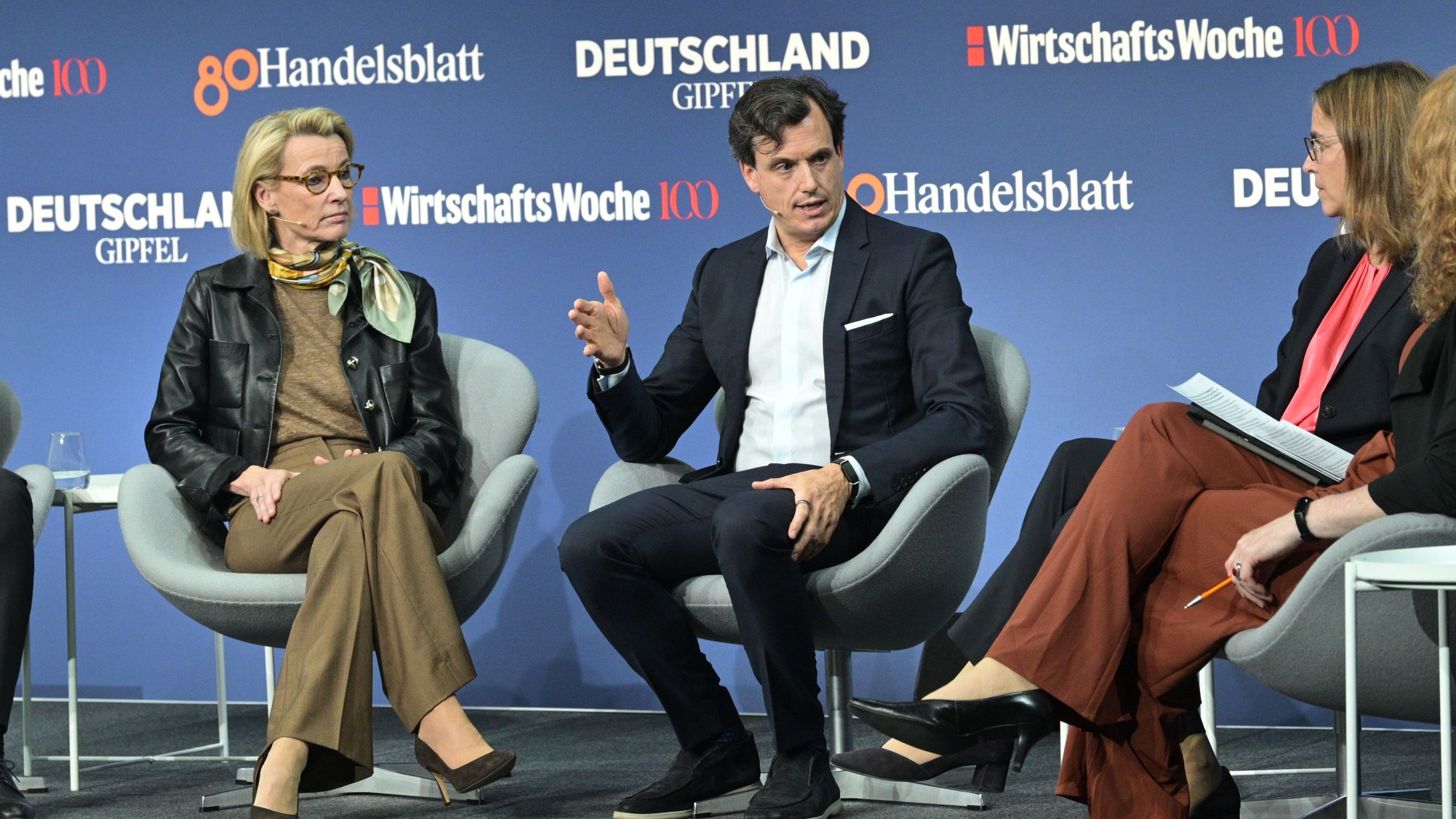
Freise highlighted that the upcoming investment summit convened by the German federal government faces a critical task: to credibly convey this newfound optimism and the willingness to enact reforms. He pointed to France as a compelling model, citing President Emmanuel Macron’s "Choose France" summits as a successful strategy for generating positive sentiment and attracting foreign investment.
The Deutschland-Gipfel: A Platform for Economic Dialogue
The Deutschland-Gipfel, a recurring event organized by Handelsblatt and Wirtschaftswoche, serves as a crucial platform for Germany’s economic elite, policymakers, and leading academics to discuss pressing challenges and opportunities facing the nation. Typically held in Berlin, the summit brings together a diverse range of stakeholders to foster dialogue and identify potential solutions for Germany’s economic future. In the context of recent years, the summit has increasingly focused on strategies to enhance Germany’s attractiveness to foreign investors, a sentiment echoed by Freise’s observations.
The event usually features keynote speeches from prominent political figures, panel discussions with industry leaders and economists, and networking opportunities designed to foster collaboration. The current year’s summit, held against a backdrop of global economic uncertainty and specific challenges within the German economy, placed a particular emphasis on investment promotion and overcoming the nation’s "mood of pessimism."
France’s "Choose France" Initiative: A Blueprint for Success
President Emmanuel Macron’s "Choose France" initiative, launched in 2018, has been instrumental in revitalizing France’s image as an attractive destination for international investment. The initiative comprises annual summits that bring together global business leaders, investors, and government officials. These events are designed to showcase France’s economic strengths, highlight new investment opportunities, and streamline bureaucratic processes for foreign companies.
Key elements of the "Choose France" strategy include:
- High-Level Political Engagement: President Macron’s direct involvement signals the government’s strong commitment to attracting foreign direct investment (FDI).
- Streamlined Administrative Procedures: Efforts have been made to simplify and expedite regulatory processes, making it easier for businesses to establish and expand operations in France.
- Targeted Investment Promotion: The initiative focuses on key sectors where France has a competitive advantage, such as technology, green industries, and finance.
- Positive Narrative Building: By creating a positive and forward-looking narrative around the French economy, the initiative aims to counter any lingering negative perceptions.
The results of this sustained effort have been notable. In recent years, France has consistently ranked among the top European countries for FDI, attracting significant investments in various sectors. This success contrasts with Germany’s perceived struggles in maintaining its appeal to global capital.
The German Economic Landscape: Challenges and Perceptions
Germany’s economy, historically powered by its strong industrial base and export prowess, has faced a series of headwinds in recent years. These include:
- Geopolitical Instability: The war in Ukraine and broader global tensions have disrupted supply chains and increased energy costs, disproportionately affecting energy-intensive German industries.
- Structural Challenges: Concerns have been raised about Germany’s aging infrastructure, bureaucratic hurdles, and the pace of digital transformation.
- High Energy Costs: Compared to many international competitors, Germany faces significantly higher energy prices, impacting the competitiveness of its manufacturing sector.
- Perception of Pessimism: A sustained period of economic slowdown and public discourse focused on challenges has contributed to a negative national mood, which Freise argues is actively deterring investors.
This confluence of factors has led to a perception among some international investors that Germany is becoming a less attractive place to invest, despite its underlying economic strengths. The nation’s strong manufacturing capabilities, skilled workforce, and innovative capacity remain significant assets, but these are being overshadowed by concerns about the broader economic and political climate.
KKR’s Perspective and the Role of Private Equity
As a major global investment firm, KKR plays a significant role in channeling capital into various economies. Philipp Freise’s remarks reflect a pragmatic view from the private equity sector, which is highly sensitive to economic sentiment and regulatory environments. Private equity firms often seek stable, predictable markets with clear growth potential and a supportive business climate.

Freise’s emphasis on the importance of "good mood" and the "will to reform" underscores a key insight: investment decisions are not solely based on quantitative data. Qualitative factors, such as the overall perception of an economy’s dynamism and the government’s commitment to fostering a favorable business environment, are equally crucial.
KKR, like other investment firms, actively assesses risks and opportunities across different markets. Their investment strategies are often guided by a long-term perspective, seeking to identify companies and sectors that can benefit from structural trends and a supportive policy framework. Germany’s current economic situation presents a complex picture, with established strengths competing against emerging challenges.
The German Government’s Response and Future Outlook
The German government, recognizing the need to address the declining attractiveness for investors, has signaled its intention to implement reforms. The planned investment summit is a concrete step in this direction. However, the success of these efforts will depend on the government’s ability to translate promises into tangible actions.

Key areas for reform that could enhance Germany’s investment appeal include:
- Streamlining Bureaucracy: Reducing administrative burdens and speeding up approval processes for new projects and investments.
- Energy Policy: Developing a stable and competitive energy framework that provides businesses with predictable and affordable energy sources.
- Digitalization: Accelerating the rollout of digital infrastructure and promoting digital transformation across all sectors of the economy.
- Innovation and Research: Increasing investment in research and development to foster innovation and maintain Germany’s technological edge.
- Fiscal Policy: Ensuring a sustainable fiscal framework that balances necessary public spending with responsible debt management.
The comparison with France’s "Choose France" initiative suggests that a proactive and concerted effort is needed. This involves not only policy changes but also a concerted effort to communicate a positive and confident message about Germany’s economic future to the global investment community.
Data and Economic Indicators
To provide a more comprehensive understanding of the situation, relevant data and economic indicators are crucial. While specific figures for investor sentiment are often captured through surveys and indices, broader economic data can offer insights into the underlying conditions.

- Foreign Direct Investment (FDI) Flows: Tracking FDI inflows into Germany and France over time can reveal trends in investor confidence. According to UNCTAD’s World Investment Report, France has shown a more resilient performance in attracting FDI in recent years compared to Germany, which has experienced fluctuations.
- Economic Growth Rates: Comparing the GDP growth rates of Germany and France provides an indication of their respective economic dynamism. While both economies have faced challenges, France has, at times, demonstrated stronger growth momentum.
- Business Climate Indices: Surveys such as the Ifo Business Climate Index in Germany and similar indices in France offer snapshots of the current sentiment among businesses regarding their economic outlook and investment plans. These indices often reflect the perception of challenges and opportunities.
- Export Performance: Germany’s export-oriented economy is highly dependent on global demand. While exports remain a cornerstone, shifts in global trade patterns and increased competition can impact performance.
These indicators, when analyzed together, paint a nuanced picture of the economic landscape. While Germany possesses significant economic strengths, the perception of its future prospects, influenced by a range of factors, appears to be a critical determinant of its ability to attract and retain international investment.
Broader Implications for the German Economy
The ability of Germany to attract foreign investment has far-reaching implications for its long-term economic health and competitiveness. Robust FDI can lead to:
- Job Creation: New investments often translate into the creation of new jobs, contributing to lower unemployment rates.
- Technology Transfer and Innovation: Foreign companies often bring new technologies, management practices, and innovative ideas, which can spill over into the domestic economy.
- Increased Productivity: Competition from foreign firms can incentivize domestic companies to improve their efficiency and productivity.
- Economic Growth: FDI is a significant driver of economic growth, contributing to higher GDP and improved living standards.
- Diversification: Attracting investment across various sectors can help diversify the economy, making it less reliant on traditional industries.
If Germany fails to address the factors that are deterring investors, it risks falling behind its economic peers, potentially leading to slower growth, job creation, and a diminished role in the global economy. The lessons learned from France’s successful approach to investment promotion could provide a valuable roadmap for Germany to revitalize its economic standing and ensure a prosperous future. The upcoming Deutschland-Gipfel and the government’s subsequent actions will be closely watched as indicators of the nation’s commitment to re-establishing itself as a prime destination for global capital.








