Reynand Wu
The EUR/USD currency pair is trading in negative territory, hovering near 1.1780 during the early Asian session on Friday, marking a notable retreat from its recent eight-week highs. This downward movement is primarily driven by heightened market caution ahead of a critical weekend meeting between the United States and Iran, coupled with nuanced signals from the European Central Bank regarding future monetary policy. The convergence of these significant geopolitical and economic factors is injecting volatility into currency markets, bolstering the US Dollar (USD) as a safe-haven asset and consequently acting as a headwind for the major pair.
Geopolitical Undercurrents: US-Iran Talks and Regional Stability
The immediate catalyst for the market’s cautious stance stems from the impending discussions between Washington and Tehran. US President Donald Trump, speaking on Thursday, conveyed an optimistic outlook regarding the potential for the US and Iran to secure a permanent ceasefire. This potential agreement would aim to supersede the current temporary truce, which is slated to expire next week. The prospect of a durable resolution to the long-standing tensions between the two nations is a significant market mover, as it could have profound implications for global oil supplies, energy prices, and broader geopolitical stability.
Background of US-Iran Relations
The relationship between the United States and Iran has been fraught with tension for decades, escalating significantly after the US withdrawal from the Joint Comprehensive Plan of Action (JCPOA), commonly known as the Iran nuclear deal, in 2018 under the Trump administration. This withdrawal led to the re-imposition of stringent US sanctions on Iran’s oil exports and financial sector, severely impacting its economy. Subsequent negotiations have aimed to revive some form of agreement, either to restore the JCPOA or to forge a new accord that addresses concerns over Iran’s nuclear program and regional activities. Each round of talks is closely watched by global markets, as success could signal a de-escalation of tensions and potentially lead to the return of Iranian oil to international markets, influencing crude prices. Conversely, a failure to reach an agreement risks further escalation, which could disrupt oil supplies from the Persian Gulf and trigger risk aversion across financial assets.
US Diplomatic Engagements in the Middle East
Adding another layer to the complex regional dynamics, President Trump also disclosed on Thursday that he had engaged in separate discussions with Lebanese President Joseph Aoun and Israeli Prime Minister Benjamin Netanyahu. These diplomatic efforts culminated in an agreement between Israel and Lebanon for a 10-day ceasefire, scheduled to commence at 5 p.m. ET. This development underscores the United States’ active role in mediating regional conflicts and attempting to foster stability. While separate from the US-Iran talks, the broader context of Middle Eastern security is interconnected. Any perceived reduction in regional friction, even temporary, can contribute to a cautious optimism, though the inherent volatility of the region means markets remain wary of swift reversals. The direct involvement of high-level US diplomacy in securing this ceasefire suggests a concerted effort to manage multiple flashpoints simultaneously.
The market’s immediate reaction to these geopolitical developments is a flight to safety, where the US Dollar typically benefits from its status as the world’s primary reserve currency. Investors tend to reallocate capital into less risky assets during periods of uncertainty, thereby strengthening the dollar against perceived riskier currencies like the Euro.
The European Central Bank’s Deliberate Stance Amidst Rate Hike Expectations
While geopolitical factors exert immediate pressure, the long-term trajectory of the EUR/USD pair is heavily influenced by the divergent monetary policy paths of the European Central Bank (ECB) and the US Federal Reserve. Recent signals from ECB officials indicate a leaning toward maintaining interest rates unchanged at their upcoming April policy meeting.
Lagarde’s Cautious Communication
ECB President Christine Lagarde, speaking earlier this week, emphasized the central bank’s need to be "completely agile" on rates. However, she concurrently stressed that the ECB currently holds no bias toward raising them. This communication strategy reflects a cautious approach, balancing the imperative to combat inflation with concerns about potential economic slowdowns in the Eurozone, exacerbated by factors such as the energy crisis and supply chain disruptions. The ECB’s primary mandate is to maintain price stability, targeting inflation at 2% over the medium term. However, unlike some other major central banks, the ECB has been more hesitant to embark on an aggressive tightening cycle, citing the unique economic vulnerabilities within the diverse Eurozone bloc. This contrasts sharply with the Federal Reserve’s more hawkish stance, which has already commenced or signaled more aggressive rate hikes to curb surging inflation in the US.
Market’s Inevitable Rate Hike Projections
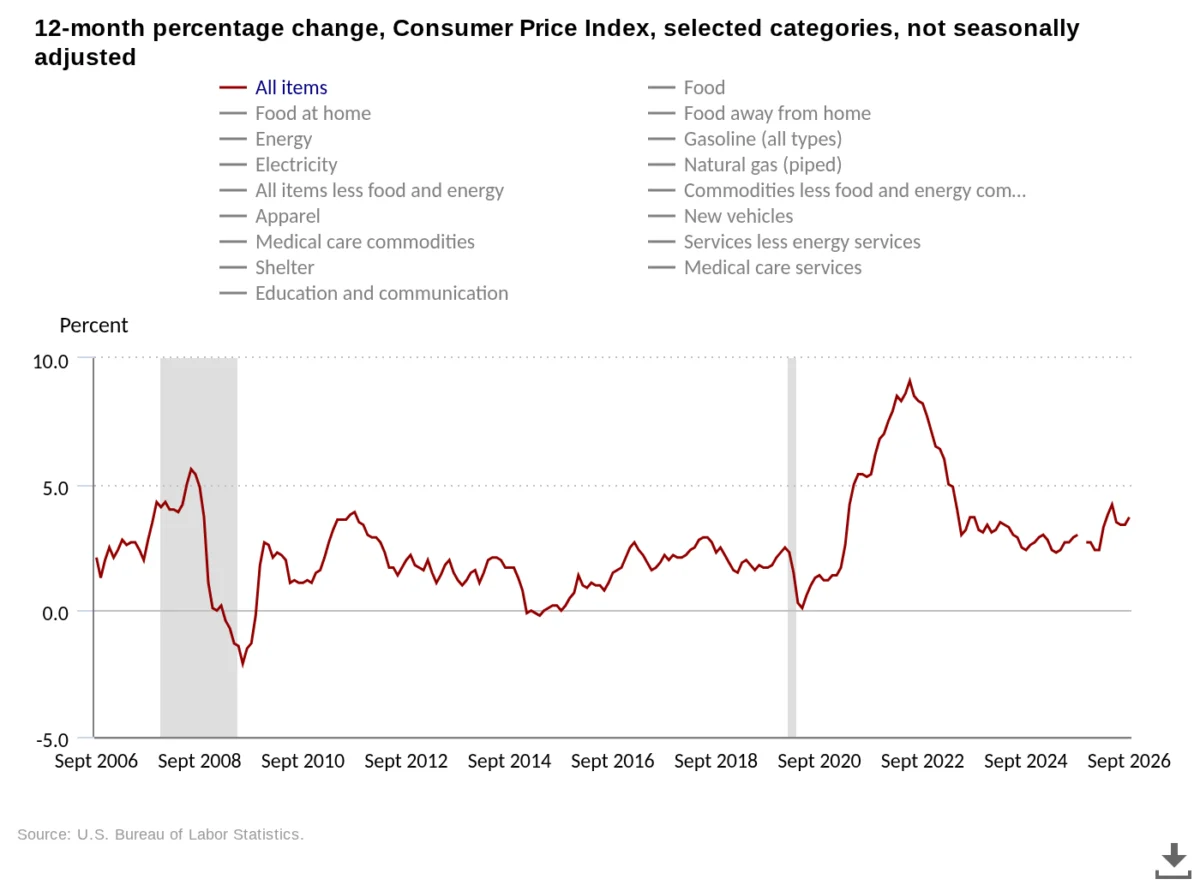
Despite the ECB’s deliberate caution, financial markets are increasingly pricing in the inevitability of rate hikes within the Eurozone. Traders are now anticipating two quarter-point increases this year. Specifically, financial markets currently assign a one-in-five chance of an ECB rate hike occurring as early as the April policy meeting. More significantly, a move by June is now almost fully priced in, and a second rate hike in the autumn is also widely anticipated, according to a Reuters report. This divergence between official ECB communication and market expectations highlights the pressure on the central bank to address persistent inflationary pressures that have surged across the Eurozone.
The market’s forward-looking pricing of rate hikes indicates a belief that the ECB will eventually be compelled to tighten monetary policy to bring inflation under control, irrespective of its current cautious rhetoric. This anticipation, even if not fully aligned with immediate central bank statements, can provide underlying support for the Euro, though the current geopolitical uncertainty is overshadowing this factor. The interest rate differential between the Eurozone and the US, where the Federal Reserve is expected to hike rates more aggressively and potentially sooner, remains a critical determinant for the EUR/USD pair. A wider positive differential in favor of the USD tends to attract capital flows, strengthening the dollar.
The Euro’s Fundamental Drivers and Economic Landscape
To fully comprehend the Euro’s dynamics, it’s essential to consider its fundamental underpinnings and the economic health of the Eurozone.
The Euro: A Global Currency
The Euro serves as the official currency for 20 countries within the European Union, collectively known as the Eurozone. It stands as the second most heavily traded currency globally, trailing only the US Dollar. In 2022, the Euro accounted for a substantial 31% of all foreign exchange transactions, boasting an average daily turnover exceeding $2.2 trillion. The EUR/USD pair itself is the most heavily traded currency pair worldwide, representing an estimated 30% of all transactions. Other significant Euro pairs include EUR/JPY (4%), EUR/GBP (3%), and EUR/AUD (2%). This widespread adoption and trading volume underscore the Euro’s critical role in the global financial system.
The Role of the European Central Bank (ECB)
Headquartered in Frankfurt, Germany, the ECB acts as the reserve bank for the Eurozone. Its core responsibilities include setting interest rates and managing monetary policy. The ECB’s primary mandate is to maintain price stability, which involves either controlling inflation when it is too high or stimulating growth when it is too low. The primary tool at its disposal is the raising or lowering of interest rates. Generally, relatively high interest rates—or the expectation of future rate hikes—tend to benefit the Euro, making the region more attractive for global investors seeking higher returns on their capital. Conversely, lower rates or expectations of cuts can weaken the currency.
Monetary policy decisions are made by the ECB Governing Council, which convenes eight times a year. This council comprises the heads of the national central banks of the Eurozone countries and six permanent members, including the President of the ECB, Christine Lagarde. Their collective decisions have far-reaching implications for the Eurozone economy and the Euro’s value.
Key Economic Indicators Influencing the Euro
Several economic data releases are crucial for gauging the health of the Eurozone economy and, consequently, impacting the Euro’s performance:
- Inflation Data (Harmonized Index of Consumer Prices – HICP): The HICP is the primary measure of inflation in the Eurozone. If inflation rises more than anticipated, especially if it exceeds the ECB’s 2% target, it typically compels the central bank to consider raising interest rates to bring it back under control. Higher relative interest rates, as discussed, usually benefit the Euro.
- Gross Domestic Product (GDP): GDP measures the total economic output of the Eurozone. Strong GDP growth indicates a robust economy, which can attract foreign investment and potentially encourage the ECB to consider tighter monetary policy, both of which strengthen the Euro. Weak GDP data, conversely, tends to weaken the currency.
- Manufacturing and Services PMIs (Purchasing Managers’ Indices): These surveys provide a forward-looking indicator of economic activity in the manufacturing and services sectors. Readings above 50 generally suggest expansion, while those below 50 indicate contraction. Strong PMI data signals economic health and supports the Euro, while weak data can lead to depreciation.
- Employment Data: Unemployment rates and employment change figures are critical indicators of labor market health. A strong labor market typically translates to higher consumer spending and economic growth, positively impacting the Euro.
- Consumer Sentiment Surveys: These surveys gauge consumer confidence in the economy. Optimistic consumers are more likely to spend, driving economic activity. High consumer sentiment generally supports the Euro, while low sentiment can weigh on it.
- Trade Balance: This indicator measures the difference between a country’s total value of exports and its total value of imports over a specified period. A positive trade balance (exports exceeding imports) means a country is earning more foreign currency from its sales abroad, which creates demand for its domestic currency and strengthens it. Conversely, a negative trade balance can weaken the currency.
The economic data from the four largest economies in the Euro area—Germany, France, Italy, and Spain—are particularly significant, as they collectively account for approximately 75% of the Eurozone’s total economy. Therefore, their individual economic performance often has a magnified impact on the single currency.
Market Outlook and Key Considerations
The current environment for the EUR/USD pair is characterized by a delicate balance of competing forces. Geopolitical risks emanating from the Middle East are providing immediate upward pressure on the US Dollar, driven by safe-haven demand. The uncertainty surrounding the US-Iran talks, despite President Trump’s optimistic tone, suggests that market volatility is likely to persist in the near term. Any definitive outcome, whether a successful agreement or a complete breakdown of negotiations, will likely trigger significant market reactions. A breakthrough could ease risk aversion, potentially weakening the USD and offering some respite to the Euro. Conversely, a failure could further fuel safe-haven flows into the dollar.
On the monetary policy front, the divergence between the ECB’s cautious approach and the market’s firm expectation of rate hikes is a key theme. While the ECB under President Lagarde maintains a narrative of agility without a strong bias for immediate tightening, the market’s pricing of multiple rate increases later in the year underscores the underlying inflationary pressures in the Eurozone. Should the ECB indeed proceed with rate hikes as anticipated by markets, this could provide structural support for the Euro over the medium term. However, the timing and magnitude of these hikes, especially in comparison to the Federal Reserve’s actions, will dictate the extent of this support.
Investors will continue to monitor incoming economic data from the Eurozone, particularly inflation figures and growth indicators, for clues on the ECB’s future policy trajectory. Simultaneously, developments in the Middle East and any further statements from key diplomatic players will remain under intense scrutiny, as they hold the potential to swiftly alter market sentiment and the immediate direction of the EUR/USD pair. The interplay of these complex geopolitical and macroeconomic factors ensures that the EUR/USD will remain a focal point for global currency traders in the coming weeks.