Ella Zulfa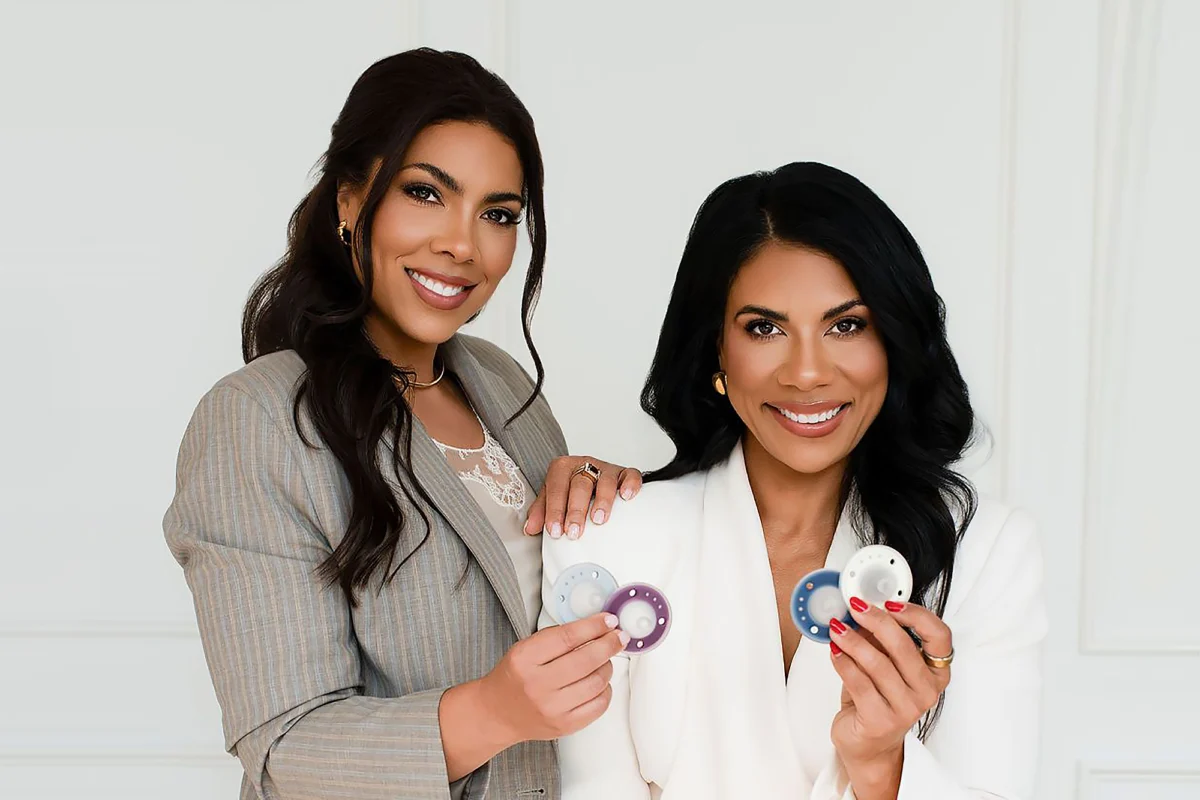
In 2013, amidst the demanding dual roles of managing a long-standing family heating and cooling business in St. Louis, Missouri, and raising five young children between them, sisters Jane Molina and Joy Williams found themselves at a pivotal moment. It was during this intensely busy period, while nursing her third son, that Molina experienced a profound realization that would eventually spark a multimillion-dollar enterprise. She observed that her baby sometimes latched not solely for nourishment, but for the profound comfort of connection. This insight ignited a quest for a pacifier that could genuinely replicate the tactile and psychological experience of breastfeeding, thereby offering her precious moments of respite.
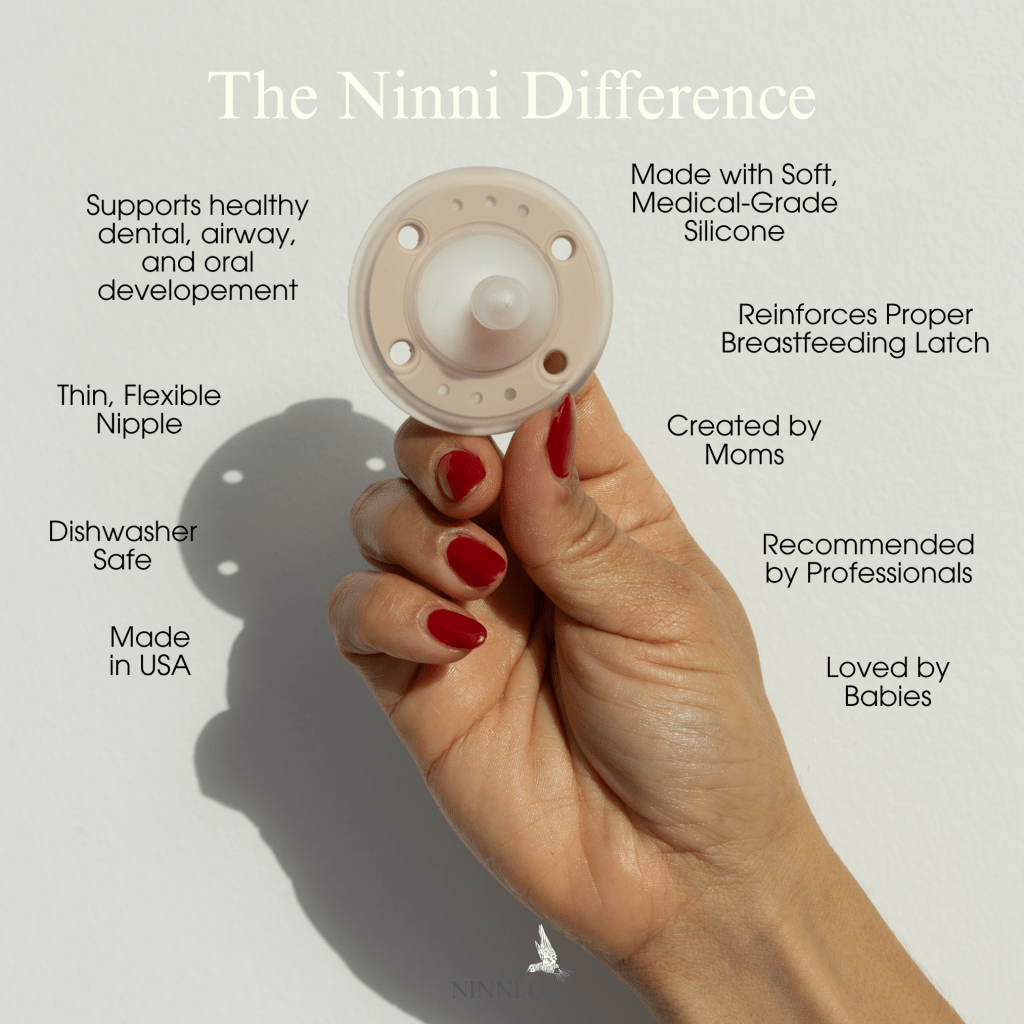
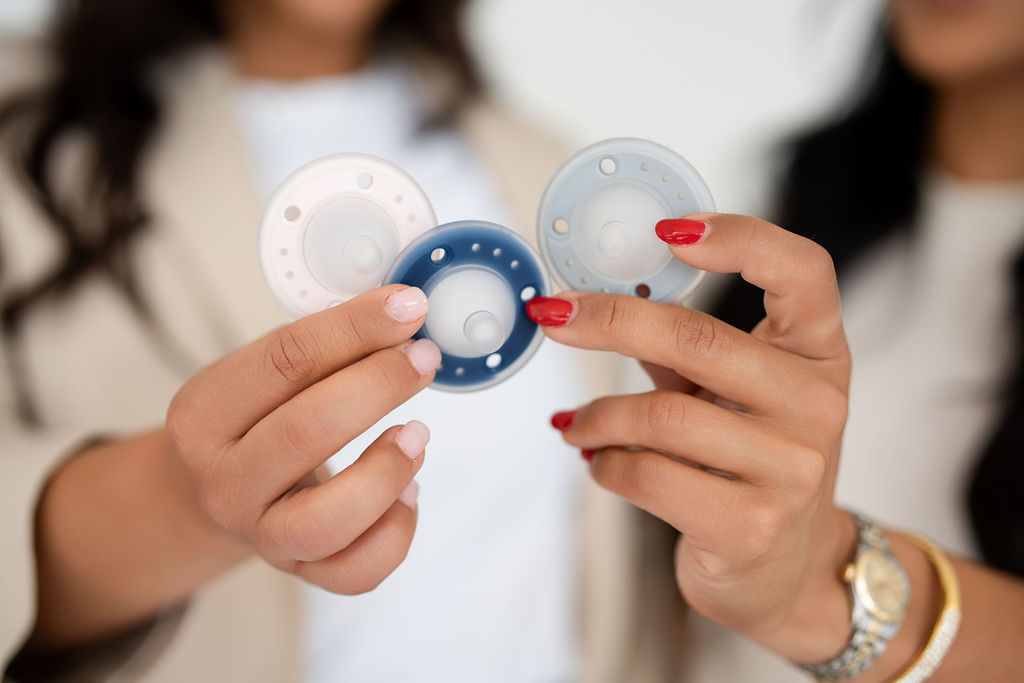
However, her search proved fruitless. She could not find a product on the market that effectively mimicked the natural texture of breast tissue or encouraged the wide, natural latch that breastfeeding promotes, as opposed to the often restrictive, pursed-lip grip associated with conventional pacifiers. This unmet need planted a seed: could she, herself, create the solution?
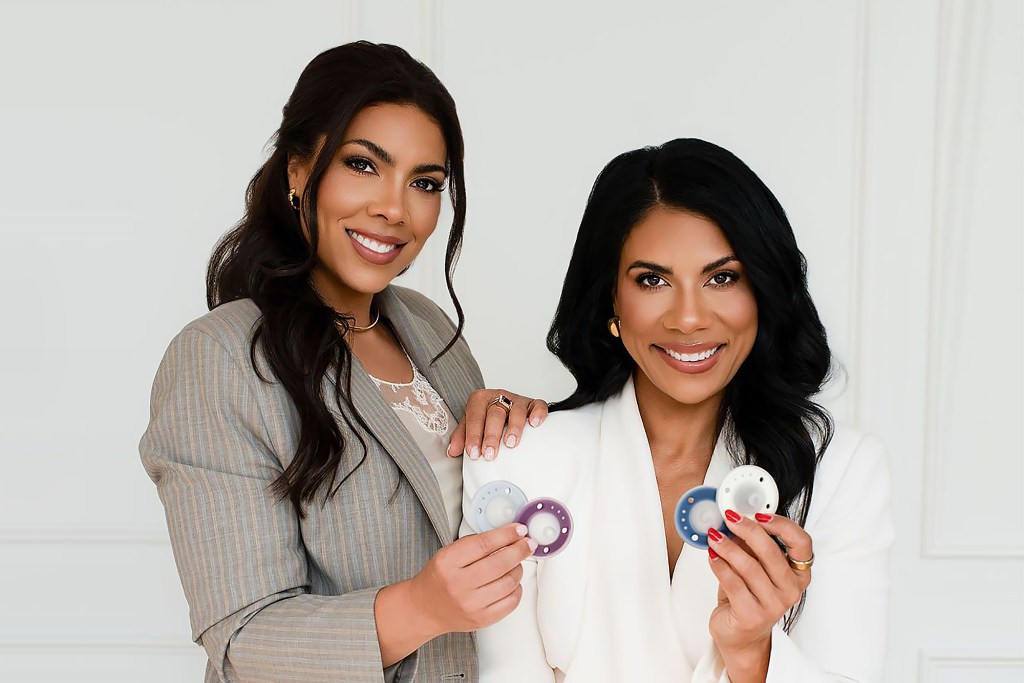
Molina shared her burgeoning idea with Williams, whose expertise in marketing was a significant asset. Initially, Williams harbored reservations about embarking on yet another entrepreneurial venture. The family’s HVAC company, a cornerstone of their livelihood, was still grappling with the lingering economic fallout from the 2008 financial crisis, making it a constant challenge to meet all financial obligations. "We were basically walking around with holes in our shoes, eating bologna sandwiches and drinking Coca-Cola, paying payroll and then having $150 in our bank account at the end of a week," Williams recounted, vividly illustrating the precarious financial situation.
Despite these formidable financial headwinds, Molina felt an undeniable calling to bring her vision for an ultra-soft, silicone pacifier to life. Her conviction eventually swayed Williams, and thus, Ninni Co. was conceived. The brand’s name, a heartfelt tribute to their grandmother, who breastfed 10 children and affectionately referred to the act as "the ninni," became a symbol of their heritage and their mission. Yet, the path from concept to a commercially viable product was far from straightforward and would unfold over several years.
For approximately seven years, the sisters meticulously developed Ninni Co. as a side project, relying on the financial backing of family, including their mother. They strategically tapped into their retirement funds and personal savings to cover the costs of developing an initial prototype, which was achieved for under $1,000. Concurrently, they engaged legal counsel to secure a patent, a crucial step in protecting their innovative design.
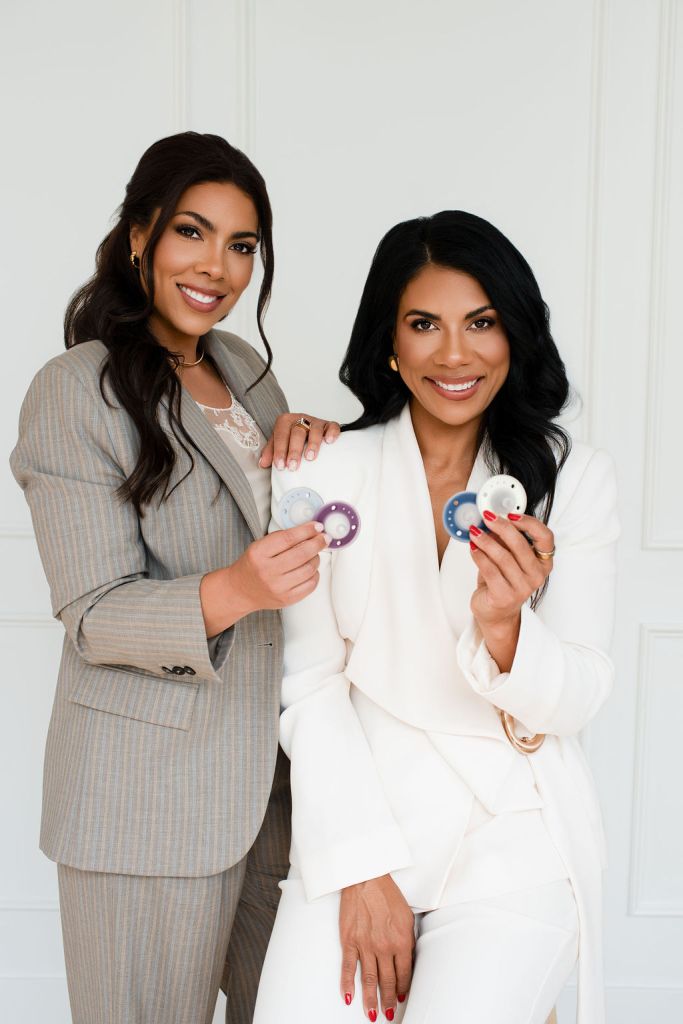
By 2019, the sisters felt prepared to commit fully to Ninni Co. This decision necessitated a significant financial maneuver: the sale of their HVAC business. This strategic divestment aimed to unlock capital necessary for the dedicated development and launch of their pacifier brand. The sale of the established business for $500,000, to be disbursed in three installments, was a complex transaction, especially considering they still owed $120,000 to vendors. "People hear, ‘Oh, you sold a business and used that money,’ but it’s not all glitz and glamour or some exorbitant amount," Williams noted, emphasizing the reality of managing business debts and the gradual nature of asset liquidation.
Following the sale, Molina and Williams actively sought to accelerate their progress by participating in incubator programs. They joined BioSTL and the Center for Emerging Technologies’ (CET) flagship program for entrepreneurs, Square One. Through the Level Next program, they received $10,000, which was instrumental in funding consumer testing of their prototype. This phase also led them to secure a manufacturer in upstate New York, a partnership that continues to this day. The next significant hurdle presented itself in the form of the substantial cost for product mold creation, estimated to range from $50,000 to $75,000, demanding further financial resources.
A serendipitous encounter at a networking event proved to be a turning point. Molina met a representative from Carrollton Bank, who, upon seeing the prototype—carried in a simple box procured from a discount retailer—immediately grasped the product’s potential. His wife was actively breastfeeding, providing him with a personal connection to the need Ninni Co. aimed to fulfill. This understanding paved the way for the bank to structure a crucial loan, allowing the sisters to move forward with their manufacturing plans.
Further bolstering their funding, the co-founders secured a $70,000 angel investment in exchange for a 20% stake in the company from two individuals within their church community. "It was a large chunk that we unloaded right at the beginning," Molina stated, acknowledging the significant equity dilution but also recognizing the substantial capital infusion relative to their initial valuation. "But of course, we were valued at zero. So where Joy and I were at, $70,000 might as well have been $250,000."
The official launch of Ninni Co. on Shopify took place in March 2021. With a limited initial supply, the sisters began selling their pacifiers at $12.99 each. Lacking professional photography at this stage, they utilized stock images and relied heavily on social media to generate awareness. The first day saw approximately 100 sales, primarily driven by the support of family and friends. However, sales subsequently fluctuated, with some days recording no transactions. For about six months, Molina and Williams managed order fulfillment from their mother’s basement, with her invaluable assistance.
The trajectory of Ninni Co. dramatically shifted in April 2021, following a viral TikTok video. A friend of Williams, an influencer, created an Instagram reel showcasing her positive experience using the pacifier with her son. Williams then reposted this content to TikTok. Having enabled Shopify alerts on their phones to track every sale in real-time, the sisters were inundated with notifications that night.
The following morning revealed the extent of the viral phenomenon. Ninni Co. had experienced an unprecedented surge in demand, yet their immediate stock was limited to about 35 pacifiers, with an additional 250 at the factory. Demonstrating her marketing prowess, Williams strategically leveraged the high demand. She posted updates on Instagram and Facebook regarding upcoming product drops and new color releases, a tactic that cultivated a sense of exclusivity and significantly boosted sales.
This viral moment propelled Ninni Co. into a period of rapid growth. In 2023, the company reported approximately $2.2 million in annual revenue. This figure climbed to $2.9 million the following year and then surged to $5.3 million in 2025, representing an impressive 83% year-over-year increase. Projections for 2026 indicated a trajectory towards $6.5 million in revenue, with the brand now selling over 1,000 pacifiers daily. Within four years of their viral success, Molina and Williams successfully repurchased 95% of the company from their angel investors. Currently, the co-founders lead a team of eight employees and continue to manage the company’s fulfillment operations internally, a testament to their hands-on approach.
The sisters have remained steadfast in their commitment to Ninni Co.’s core mission. As a brand manufactured in the U.S. with sourcing primarily from the U.S. and Sweden, Ninni Co. operates with leaner profit margins compared to products manufactured in some overseas locations. This financial reality has necessitated a highly selective approach to their distribution channels. For instance, they made the strategic decision to cease selling on Amazon after just four months. "It was one of the most stressful, hardest times of our company," Molina stated, citing the significant diversion of traffic from their own website, the lengthy delays in fund disbursement (two to three weeks), and Amazon’s substantial commission fees (up to 50%). Furthermore, the company had invested in a dedicated team to manage the Amazon channel, an expense that proved unsustainable given the platform’s limitations for their business model. "It wasn’t right for our business model," Williams added. "Not every platform is made for every single business or product. Everyone is unique, and you have to honor that."
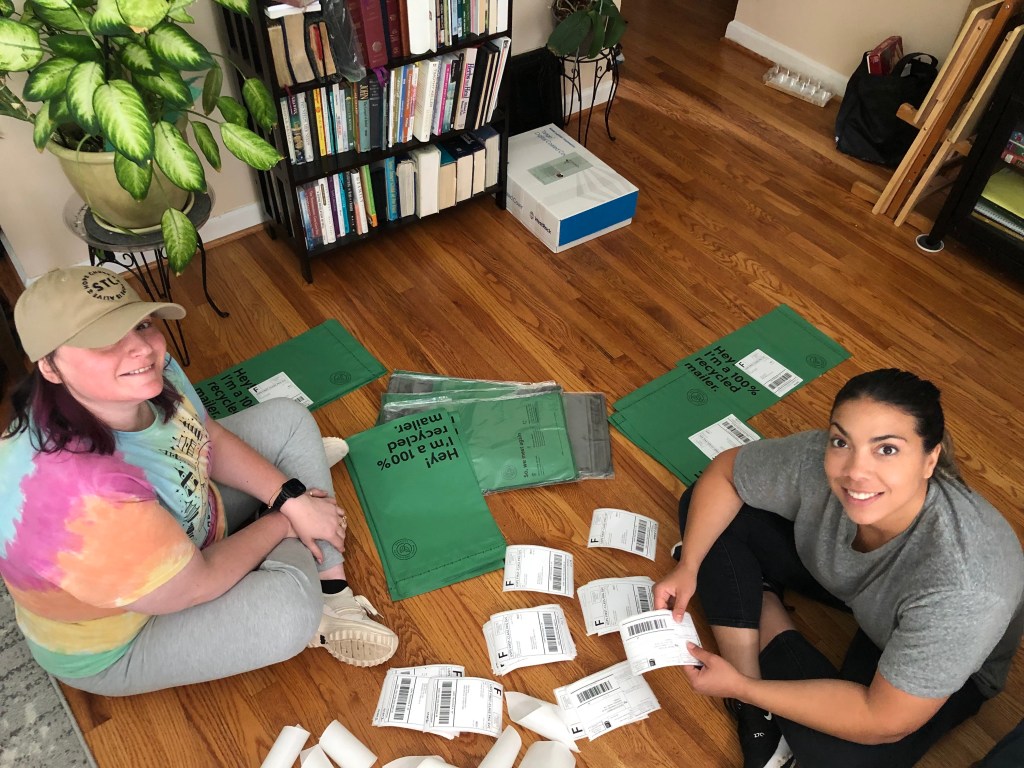
This deliberate focus on direct-to-consumer sales and controlled distribution channels has allowed the co-founders to maintain a direct connection with their customer base. This proximity provides invaluable firsthand feedback, enabling them to continuously refine their products and customer experience. Moreover, the strong communities they have cultivated on platforms like Instagram and Facebook have been instrumental in their success. This direct engagement and the loyalty it fosters are a primary reason they have consistently declined numerous offers from parties interested in acquiring the company.
"We wanted to build this business as the two moms behind the dream," Williams affirmed. "We really feel like we’re living the American dream, and we love what we do every day." Their journey from financial strain and family business challenges to building a thriving, mission-driven enterprise exemplifies the power of entrepreneurial vision, resilience, and a deep understanding of customer needs.