Ella Zulfa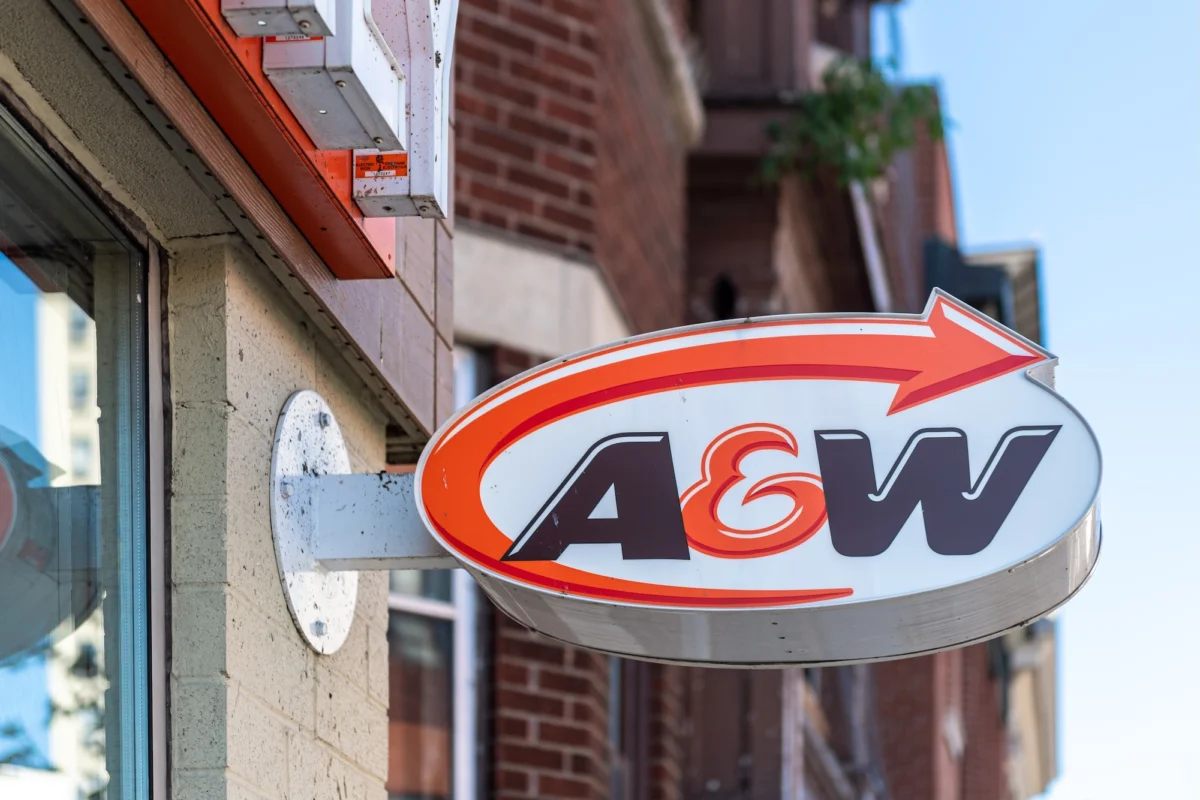
A&W Restaurants is embarking on a significant revitalization of its restaurant footprint, introducing a new "modern heritage" prototype that artfully blends the nostalgic charm of its iconic roadside root beer stands with contemporary architectural sensibilities. This strategic redesign aims to reconnect with the brand’s foundational Americana aesthetic while appealing to today’s dining public, all while carefully navigating the potential pitfalls of updating a beloved and long-established brand. The initial prototypes are sized between 2,200 and 2,800 square feet, designed to accommodate between 40 and 70 patrons. A hallmark of the new design will be the continued use of A&W’s signature orange and brown color palette, a visual cue deeply ingrained in customer memory, complemented by the addition of welcoming outdoor seating areas, as reported by CoStar.
This move by A&W is particularly noteworthy in the current restaurant landscape, where brands that have attempted overly aggressive modernizations have sometimes faced consumer backlash. The cautionary tale of Cracker Barrel, which experienced significant public outcry and was forced to reverse elements of a logo and interior redesign, serves as a potent reminder of the delicate balance required when evolving a brand’s physical presence. In contrast, A&W appears to be taking a page from the playbook of other successful brands, such as Pizza Hut, which has strategically reintroduced retro design elements like its distinctive red roofs, classic red cups, and even nods to Pac-Man imagery in some locations. These nostalgic touches have proven effective in tapping into a powerful wave of consumer sentiment, leveraging memories of past dining experiences to create new appeal.
A&W’s rich history provides a deep wellspring of inspiration for this redesign. Founded over a century ago, the company stands as one of the oldest fast-food chains in the United States, boasting a substantial network of over 850 locations spanning 35 states and extending into Asia. Crucially, the brand continues to uphold a tradition of quality by preparing its signature root beer in-house using a recipe that dates back to 1919. This commitment to heritage and handcrafted quality is central to the brand’s identity and is being amplified through the new design strategy.
The "Modern Heritage" Philosophy: A Blend of Past and Present
The core of A&W’s redesign strategy lies in its "modern heritage" concept. This approach seeks to capture the essence of the early A&W roadside stands – often characterized by their vibrant, welcoming atmosphere and emphasis on simple, quality food and drink – and translate it into a modern context. The visual cues from these original establishments are being thoughtfully integrated, ensuring that the new designs feel both familiar and fresh.
This includes retaining the classic color scheme that has become synonymous with the A&W brand. The warm oranges and rich browns evoke a sense of comfort and nostalgia, a deliberate choice to trigger positive associations for long-time customers. The architectural style of the prototypes is being designed to suggest the open, inviting nature of the original stands, perhaps through larger windows, exposed structural elements, or materials that echo classic roadside architecture.
The inclusion of outdoor seating is another significant element of the redesign. In an era where consumers increasingly value al fresco dining options and adaptable spaces, this addition caters to evolving preferences and enhances the overall customer experience. It also has the potential to extend the usability of the restaurants across different seasons and times of day.
Navigating the Perils of Brand Evolution: Lessons from the Past
The restaurant industry is replete with examples of brands that have stumbled in their attempts to modernize. The Cracker Barrel situation in 2026, where a proposed rebranding effort was met with widespread public disapproval, serves as a stark warning. Customers often have deep emotional connections to familiar brands, and changes perceived as too drastic or out of character can alienate a loyal customer base. The backlash prompted Cracker Barrel to reconsider its approach, highlighting the importance of understanding and respecting customer sentiment.
A&W’s strategy appears to be a more measured and nuanced approach, drawing inspiration from brands that have successfully integrated nostalgic elements without sacrificing modern functionality. Pizza Hut’s recent initiatives, which have seen the reintroduction of beloved retro design features, demonstrate a successful strategy of leveraging nostalgia to drive engagement. By bringing back elements like the iconic red roofs, the distinctive red cups, and even playful nods to classic arcade games, Pizza Hut has managed to reignite interest among both existing customers and a new generation. This approach allows brands to capitalize on the emotional resonance of the past while still offering a contemporary dining experience.
A&W’s decision to embrace its heritage rather than attempt a radical departure is likely to be a more sustainable and customer-friendly strategy. The company’s long history provides a wealth of authentic design elements and brand narratives that can be reinterpreted for a modern audience.
A Legacy of Root Beer and Community
A&W’s roots run deep, tracing back to 1919 when founder Roy Allen first began selling his signature root beer. The brand quickly grew in popularity, becoming a symbol of classic American roadside culture. The original A&W stands were more than just places to grab a quick meal; they were community hubs, offering a friendly atmosphere and a taste of Americana. This legacy is something that A&W is actively seeking to recapture with its new restaurant design.
The brand’s commitment to its original 1919 root beer recipe, still made fresh in-house, underscores its dedication to quality and tradition. This authentic product offering is a powerful asset that the new restaurant design aims to complement and elevate. The intention is to create an environment that reflects the handcrafted quality of the root beer and the genuine hospitality that has been a hallmark of the A&W experience for generations.
Official Statements and Strategic Vision
Betsy Schmandt, CEO of A&W Restaurants, articulated the company’s strategic vision behind the redesign. "We’re doubling down on the handcrafted quality, genuine hospitality and meaningful connections with the communities we serve," Schmandt stated. This statement emphasizes a commitment to core values that have defined A&W for over a century. The "modern heritage" prototype is not merely a cosmetic update; it is intended to be a physical manifestation of these enduring principles.
The CEO’s remarks suggest that the redesign is part of a broader effort to strengthen the brand’s connection with its customers and the communities in which it operates. By creating spaces that are both modern and steeped in history, A&W aims to foster a sense of belonging and familiarity, encouraging repeat visits and building stronger customer loyalty.
Supporting Data and Market Context
The decision to invest in restaurant redesigns is a significant undertaking for any fast-food chain, especially one with a long operational history. The success of such initiatives is often tied to understanding demographic shifts, evolving consumer preferences, and the competitive landscape.
- Demographic Trends: As younger generations, such as Millennials and Gen Z, increasingly influence consumer spending, brands are looking for ways to appeal to their values, which often include authenticity, sustainability, and unique experiences. A retro-inspired design can tap into a sense of curated nostalgia that resonates with these demographics, offering an escape from the ubiquitous sleek, minimalist aesthetics.
- Competitive Landscape: The fast-casual dining sector continues to grow, with established brands constantly seeking to innovate and differentiate themselves. By leaning into its unique heritage, A&W is positioning itself against competitors by offering a distinct dining experience that cannot be easily replicated. Competitors are also observing these trends. For instance, the successful integration of nostalgic elements by brands like Starbucks with its "Reserve" concepts or McDonald’s occasional retro-themed promotions indicates a broader industry trend towards leveraging brand history.
- Economic Impact: Investments in physical store remodels can have a positive economic impact, not only by potentially increasing sales but also by creating jobs during the construction and renovation phases. Furthermore, updated and appealing restaurant designs can attract new franchisees, contributing to the brand’s expansion.
- Customer Loyalty Metrics: While specific data on A&W’s customer loyalty metrics pre- and post-redesign are not yet available, historical trends in the industry suggest that brands that successfully evoke positive emotions and memories often see an uplift in customer retention and advocacy. The emphasis on "genuine hospitality" and "meaningful connections" directly addresses key drivers of customer loyalty.
Analysis of Implications: Strengthening Brand Identity and Market Position
The "modern heritage" redesign by A&W is a calculated move that addresses several strategic imperatives.
- Reinforcing Brand Identity: In a crowded fast-food market, a distinct brand identity is paramount. By embracing its roadside diner roots, A&W is reinforcing what makes it unique. This strategy moves away from a generic fast-food aesthetic and leans into a specific, recognizable brand narrative.
- Appealing to Multiple Generations: The dual focus on "modern" and "heritage" is designed to resonate with a broad demographic. Older customers will appreciate the nostalgic elements that remind them of past experiences, while younger customers may be drawn to the authentic, retro-cool aesthetic that offers a departure from the norm. This can help A&W capture a wider customer base.
- Mitigating Reputational Risk: By learning from the missteps of other brands, A&W is adopting a more cautious and customer-centric approach to redesign. The focus on preserving core brand elements like the color scheme and the in-house root beer recipe minimizes the risk of alienating its existing customer base.
- Enhancing the Customer Experience: The updated prototypes are not just about aesthetics; they are also about functionality and comfort. The inclusion of outdoor seating and the thoughtful use of space aim to create a more enjoyable and versatile dining environment, catering to various customer needs and preferences.
- Driving Franchisee Appeal and Growth: A refreshed and appealing restaurant prototype can be a significant draw for potential franchisees. Demonstrating a clear vision for the future and a strategy that resonates with consumers can encourage investment and lead to network expansion. This can be particularly important for a brand with a long history looking to revitalize its presence in key markets.
The success of this "modern heritage" initiative will likely hinge on the execution of the design and the consistent delivery of the brand promise within these new spaces. If A&W can successfully marry its nostalgic appeal with contemporary comfort and efficiency, this redesign could serve as a powerful catalyst for renewed growth and a strengthened position in the competitive quick-service restaurant industry. The company’s deliberate approach, informed by industry lessons and a deep understanding of its own heritage, suggests a promising path forward.