Gilang Muhammad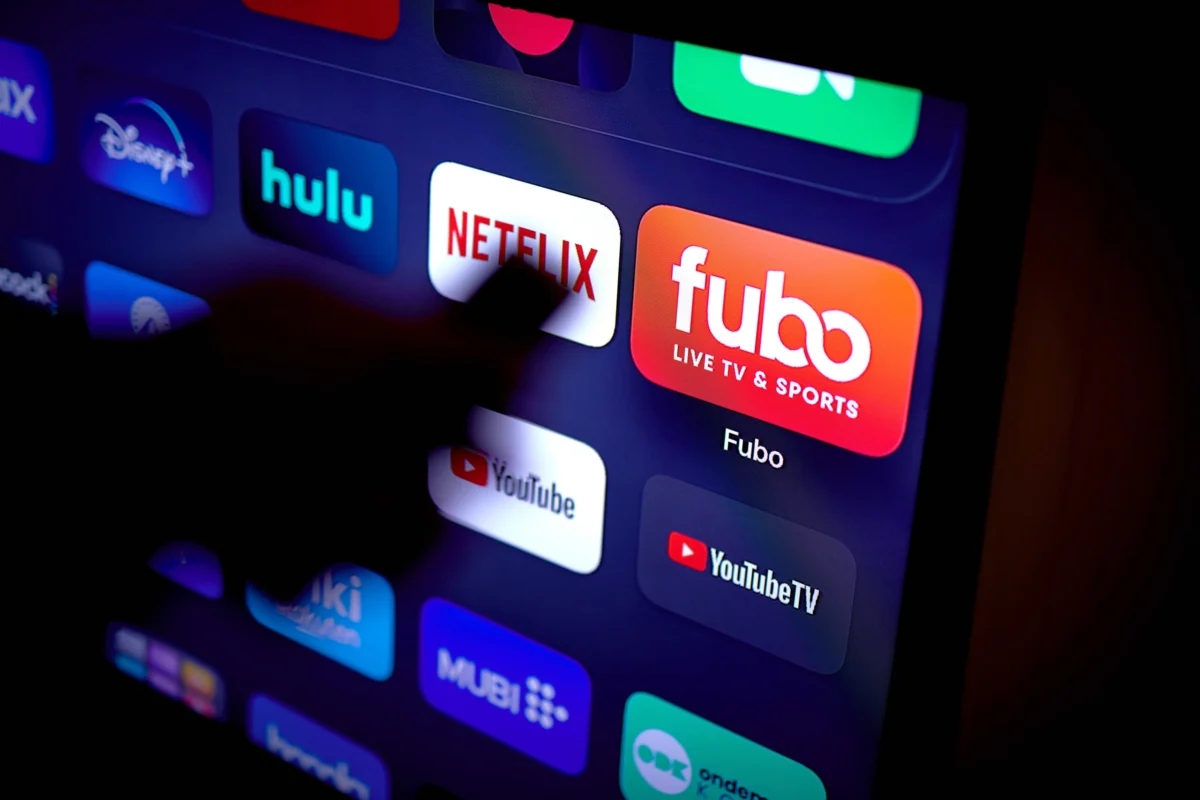
The escalating cost of leisure activities, a phenomenon dubbed "funflation," has long been a source of frustration for American consumers seeking live experiences such as concerts and sporting events. Now, this inflationary pressure is extending its reach into the very sanctuary of the home, transforming once-affordable at-home pastimes like video gaming and streaming into significant financial burdens. This shift is compelling individuals and households to re-evaluate their spending habits, often leading to painful cutbacks on essential avenues for relaxation and enjoyment.
Alyx Green, a 31-year-old graduate student in Illinois, epitomizes this growing predicament. For decades, video games were Green’s primary hobby, a reliable escape from daily pressures. However, in recent years, the rising price tags on new releases have pushed Green to the sidelines. Instead of purchasing blockbuster titles, Green now opts for more budget-friendly alternatives from independent studios, or finds solace in traditional board and card games. In a stark illustration of adapting to economic realities, Green often resorts to watching YouTube videos of others playing popular games rather than experiencing them firsthand. "The price has been going up," Green laments. "It’s just hard to keep up." This sentiment echoes across the nation as consumers grapple with a new era where even passive entertainment comes with a premium.
The initial wave of "funflation" emerged in the wake of pandemic lockdowns, as pent-up demand for social interaction and large-scale gatherings drove ticket prices for concerts and sporting events skyward. For instance, the average cost of concert tickets surged by an estimated 20-30% in 2024, while sporting event prices climbed by a whopping 25% in 2023. What was once an occasional splurge has become an increasingly unattainable luxury for many. Now, this inflationary trend has infiltrated the digital realm, affecting the very companies that built their empires on accessible home entertainment. Giants like Amazon, Apple, and Netflix, once champions of convenience and relative affordability, have all implemented price increases, making even a quiet evening at home a more expensive proposition.
Exclusive data compiled for CNBC by PNC Financial Services illuminates the severity of this shift. In June, the average U.S. consumer demonstrably pulled back on home entertainment spending compared to the previous year, a trend most pronounced among younger demographics. Gen Z and Millennial consumers, typically early adopters and heavy users of digital entertainment, each reduced their transaction volumes by approximately 4%. Brian LeBlanc, PNC’s senior economist, notes, "Funflation is back in 2026. We’re seeing that very clearly in things like travel, entertainment, concerts. Now, we’re also starting to see it more in home leisure." This indicates a systemic broadening of inflationary pressures beyond just experiential services.
Gaming Under Pressure: Hardware and Software Costs Soar
The video game industry, a global behemoth, is experiencing significant upward price adjustments across both hardware and software. Late June 2026 saw Microsoft’s Xbox division and Apple announce price hikes for their respective devices. While specific figures for Apple’s increases varied by product line (MacBooks, iPads), Microsoft cited soaring component costs as the primary driver for its Xbox console price adjustments. A month prior, in May 2026, Nintendo had already signaled its intent to raise the price of its highly anticipated Switch 2 console in the U.S. by 11%. This follows a broader trend of increasing costs for next-generation consoles and games.
These companies largely attribute the unwelcome news to the escalating cost of crucial components, particularly memory chips. The global surge in demand for artificial intelligence (AI) technologies has created an unprecedented memory chip crunch, driving up prices and creating supply chain bottlenecks that ripple across the entire electronics industry. Deborah Weinswig, founder of Coresight Research, warns that these increases could inevitably price a significant segment of consumers out of the market, impacting accessibility and potentially slowing market growth.
Asha Sharma, CEO of Xbox, publicly acknowledged the growing unaffordability of gaming during a Fortune event early last month. "We’ve reached a point where it will be hard to imagine that mass audiences can afford thousands of dollars to spend on a console generation," Sharma stated, signaling a strategic pivot for the company. This concern was quickly followed by action, as Microsoft announced layoffs of thousands of workers within its Xbox unit in July 2026 and the spin-off of several gaming studios. This move suggests a re-evaluation of its hardware-centric strategy, potentially focusing on more accessible gaming models, such as subscription services like Xbox Game Pass or cloud-based gaming, to mitigate the impact of rising hardware costs on its consumer base.
Historically, computers and related electronic devices have seen a steady decline in inflation-adjusted prices due to advancements in production efficiency and economies of scale. However, this long-standing disinflationary trend has begun to reverse. Elizabeth Renter, a senior economist at NerdWallet, points out that the surge in component costs marks an end to this period of consumer relief, suggesting that the cost of technology, and by extension, digital entertainment, will likely continue its upward trajectory.
Broader Economic Currents: Energy and Geopolitics Fuel Rising Costs
Beyond the direct costs of hardware and software, the very act of powering these devices has become substantially more expensive. Electricity prices have skyrocketed by an alarming 45% since 2019. This dramatic increase is partially attributed to significant supply shocks in global energy markets, most notably the Russian invasion of Ukraine in 2022, which disrupted oil and natural gas supplies, and the subsequent war with Iran in 2026, which further destabilized energy prices and shipping routes. For consumers increasingly relying on home entertainment, running gaming consoles, streaming devices, and even air conditioning units (which homebodies are more likely to use) adds another layer of financial strain to their leisure pursuits.

The Rise of "Streamflation": Subscription Services Hit Hard
The phenomenon of "streamflation" – the steady increase in subscription prices for streaming services – is another significant contributor to the rising cost of home entertainment. What began as a cost-effective alternative to traditional cable television has quickly evolved into a fragmented and increasingly expensive landscape.
Earlier in 2026, several major streaming platforms, including Netflix, Amazon (for its ad-free Prime Video tier), and Spotify, announced price increases for their services. These moves followed similar adjustments made in late 2025 by Disney+ and Warner Bros. Discovery’s HBO Max. Apple TV+ has been particularly aggressive, raising its subscription fees in mid-2025, marking its third increase in as many years. These incremental hikes, while seemingly small individually, accumulate rapidly, making it challenging for consumers to maintain subscriptions to multiple services without feeling a significant pinch.
In response to these rising costs, consumers are actively seeking more affordable options. Tubi, the free, ad-supported streaming service owned by Fox Corp., has seen its viewership numbers surge, in some cases even surpassing those of leading subscription streamers. This success validates the bet made by executives that a significant portion of consumers, weary of ever-increasing monthly bills, would be willing to endure advertisements in exchange for free content.
Fiona Williams, a 40-year-old project manager, exemplifies this strategic approach to managing streaming costs. Williams regularly subscribes to a service for a specific show or movie, then cancels it once she’s finished, engaging in a constant "balancing act" to keep her spending manageable. Sometimes, she foregoes subscriptions entirely. Rather than purchasing a Peacock membership to watch the newest season of "Love Island," for instance, she relies on clips and summaries posted on social media platforms to stay updated. "I’m never maintaining more than one at a time, because it’s just too expensive," Williams explains.
This shift isn’t limited to digital content. The Akron, Ohio, resident has increasingly turned to reading books for her downtime, a leisure category that has largely been immune to the inflationary pressures affecting other forms of entertainment. Data from the Bureau of Labor Statistics starkly illustrates this divergence: since the start of 2019, the price of subscribing or renting videos and video games has surged by 53%, while TV services climbed 27% and music subscriptions increased by 14%. In stark contrast, recreational book prices have actually fallen by 4% over the same period, offering a rare pocket of deflationary relief for cash-strapped consumers.
Pressure on Consumers and Broader Economic Implications
The renewed intensity of "funflation," both within and outside the home, is exerting significant upward pressure on key economic indicators. According to PNC’s analysis, the annual inflation rate in out-of-home "funflation" categories, such as sporting events and amusement park visits, spiked dramatically in 2026. These service categories are now a significant contributor to the core Personal Consumption Expenditures (PCE) price index, the Federal Reserve policymakers’ preferred measurement of inflation. This indicates that the problem is not merely anecdotal but has broad macroeconomic implications, potentially influencing future interest rate decisions and economic policy.
The current year’s FIFA World Cup, co-hosted by the U.S., provides a vivid illustration of the "funflation" phenomenon in action. Median ticket prices for matches have topped an astonishing $900, according to TicketData. When questioned about widespread fan anger over these exorbitant costs, FIFA President Gianni Infantino dismissed concerns, telling CNBC that attending a match in the U.S. was a "once-in-a-lifetime opportunity," implying that such high demand justifies the premium pricing. This stance, however, does little to alleviate the financial strain on average fans.
Economists are increasingly concerned that these persistently high prices for recreational activities, whether enjoyed at a stadium or on a couch, are intensifying a pervasive sense of economic pessimism among the general populace. Consumer sentiment has plummeted to record lows in recent months, as reported by the closely watched University of Michigan index. This erosion of confidence can have a cascading effect, leading to reduced overall spending, delayed investments, and a general slowdown in economic activity.
For individuals like Alyx Green, the impact extends beyond mere financial constraint, touching upon mental well-being and quality of life. "The ability to play games and get out of my own life for a second was a major way for me to have some sort of happiness," Green reflects. "Now, the overall economy is getting worse, and I don’t have any distractions from it." This poignant statement underscores the human cost of "funflation," revealing how economic pressures are not only squeezing wallets but also diminishing access to crucial stress relief and moments of joy, leaving many feeling trapped by their financial realities. As inflation continues to reshape the landscape of leisure, the ability to simply "have fun" is becoming an increasingly expensive and elusive privilege for many Americans.