Gilang Muhammad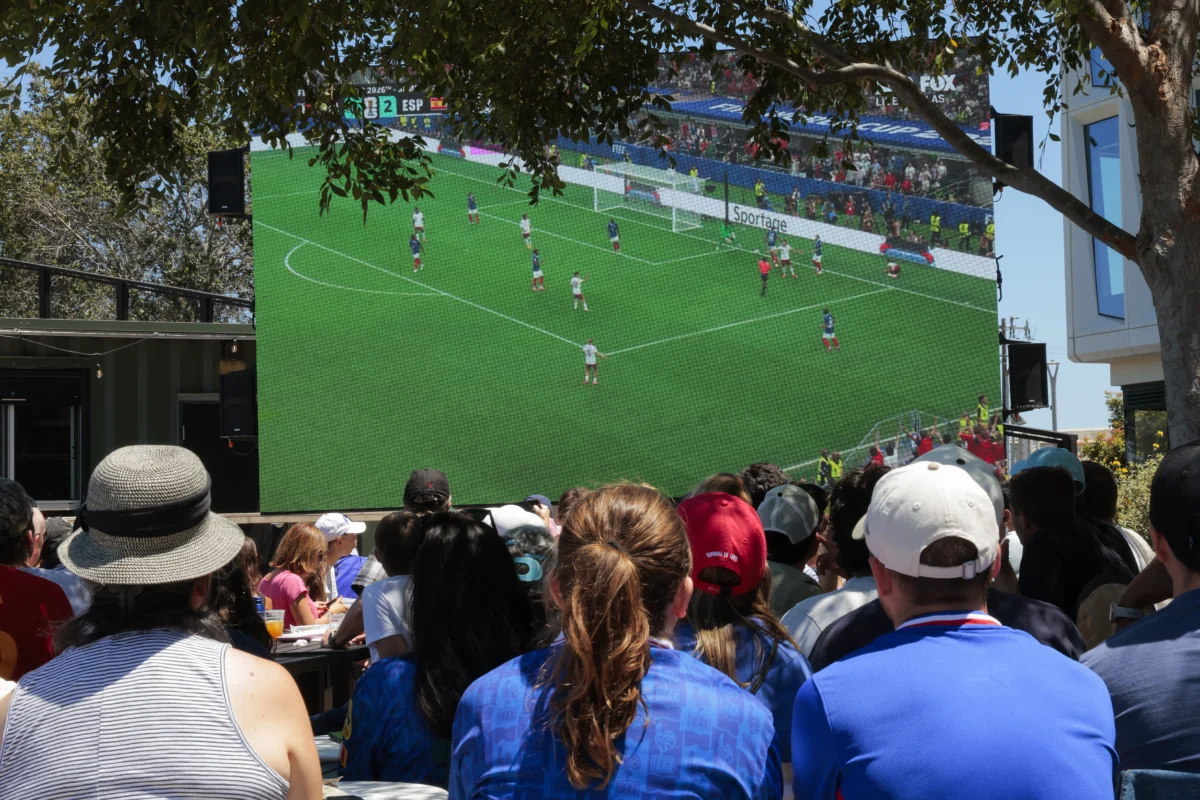
The much-anticipated FIFA World Cup 2026, co-hosted by the United States, Canada, and Mexico, provided a discernible tourism boost to its host cities across North America, yet its overall positive economic impact was significantly mitigated by persistent economic weaknesses observed elsewhere in the broader economy, according to a comprehensive Federal Reserve report released on Wednesday. While stadiums buzzed with ecstatic fans and hospitality sectors in match-hosting locales experienced surges, the latest edition of the Fed’s Beige Book – an exhaustive recap of regional economic conditions published eight times annually – painted a nuanced picture, suggesting the quadrennial soccer spectacle did not necessarily catalyze widespread economic growth as some initial projections had hoped.
The Anticipation vs. Reality: A Global Spectacle’s Economic Footprint
The 2026 FIFA World Cup marked a historic milestone, being the first tournament to feature an expanded format of 48 national teams and 104 matches, spread across 16 vibrant host cities in three nations. This unprecedented scale generated immense global excitement and substantial pre-tournament economic forecasts, with many experts predicting billions in revenue, millions of international visitors, and a significant uplift for the hospitality, tourism, and retail sectors. Major metropolitan areas from Vancouver to Mexico City, and across the United States, invested heavily in infrastructure upgrades, public transportation enhancements, and marketing campaigns, all in anticipation of a transformative economic windfall. Data from TicketData confirmed the premium nature of the event, reporting median admissions prices topping $900, indicative of high demand and the significant disposable income many fans were willing to spend to witness history.
However, the Federal Reserve’s granular analysis, drawing on qualitative information and anecdotal evidence from its twelve regional banks, underscored a more complex reality. The Beige Book’s findings suggest that while the tournament undoubtedly created localized hotspots of economic activity, particularly in the immediate vicinity of stadiums and designated fan zones, these gains were often counterbalanced by broader economic pressures and, in some instances, a "displacement effect" where regular economic activity was either shifted or curtailed. This comprehensive report offers a critical post-mortem on the economic footprint of one of the world’s largest sporting events, providing invaluable insights for future mega-event planning.
Regional Spotlights: A Patchwork of Performance
The economic impact varied significantly across the different Fed districts, reflecting the diverse local economies and specific challenges faced by each region.
Northeast Resilience: Boston’s Balancing Act
In the Boston Fed’s coverage region, which includes parts of New England, the initial enthusiasm for the World Cup translated into a cautious start for the hospitality sector. Hotel bookings directly related to the World Cup were "initially softer than expected," as reported by several establishments in the Massachusetts capital. This soft start was attributed to higher-than-average initial pricing strategies, perhaps overestimating demand from non-match-attending tourists. However, as the tournament progressed and hotels adjusted their pricing to more competitive levels, stay levels notably rose, eventually meeting and, in some cases, slightly exceeding revised forecasts. For instance, some downtown hotels reported initial occupancy rates hovering around 70% in the weeks leading up to the group stage matches, a figure that surged to over 90% during key match days after promotional adjustments.
The city’s vibrant bar scene, a natural magnet for celebratory fans, experienced a pronounced boost. Many Boston watering holes reported substantially higher beer sales, with some establishments seeing increases of 30-40% on match days compared to typical summer weekends. The influx of passionate Scottish fans, renowned for their fervent support and lively presence, proved particularly impactful. Several popular pubs near Fenway Park and the Seaport District reportedly ran out of specific beer brands during peak times when the Tartan Army descended upon the city for their team’s group stage fixtures, a testament to the concentrated demand.
Yet, even in the Northeast, the economic narrative was not uniformly positive. While Boston saw a welcome uptick in visitors, the broader region, particularly coastal Maine and northern Vermont, struggled to attract the usual summer tourist volumes. The Boston Fed’s report noted an increase in visitors from Canada compared to the previous summer, suggesting some cross-border travel for the tournament. However, these levels were still "far lower than historical averages," a concerning trend that continued to impact local businesses reliant on Canadian tourism dollars in these scenic, traditionally popular vacation destinations. This disparity highlighted the localized nature of the World Cup’s economic benefits, often leaving peripheral areas relatively untouched or even negatively affected.
New York City’s Nuanced Narrative: From Stadium Roar to Quiet Aisles
The New York Fed’s district presented an equally complex picture. In New York City, a major host for several high-profile matches including a semifinal between Spain and France, many restaurants and bars reported "strong" sales figures, particularly those that hosted dedicated match-viewing events. These establishments leveraged the global excitement, offering special menus and extended hours, drawing in both local and international fans. The electrifying atmosphere of watch parties, such as the one at Lion Sports Bar in Philadelphia during the France-Paraguay round of 16 match, showcased the immediate boost to the food and beverage sector.
However, this positive trend was not universal. Other eateries across the metropolitan area reported a noticeable decline in international visitors, with Canadian foot traffic specifically cited as being "down significantly." This decline was directly linked to broader geopolitical and trade tensions. The Canadian government had previously reported a sustained decrease in its citizens crossing the U.S. border, a trend that intensified following President Donald Trump’s rollout of new tariff policies and sovereignty-related rhetoric earlier in the year. These policies, which included increased tariffs on certain Canadian goods, coupled with a broader "Buy Canadian" movement encouraging residents of the Great White North to spend money on services and products within their own country, had a tangible impact on cross-border tourism.
New York City’s hotel sector, like Boston’s, generally benefited, reporting higher occupancy rates and increased prices per room during the tournament. Yet, the New York Fed also observed "softness" in mid-tier attractions, suggesting that while high-spending football fans frequented major events and premium accommodations, other tourist segments might have been deterred by the increased congestion and prices, or simply chose not to visit during the World Cup period. Furthermore, a major department store in Manhattan reported an increase in foot traffic during the tournament but noted that this did not translate into higher sales, indicating that many visitors were primarily engaged in World Cup activities rather than general retail therapy. This points to a "substitution effect," where spending shifted from one category to another, rather than a net increase in overall consumer expenditure.
West Coast Dynamics: San Francisco’s Divergent Trends
On the West Coast, the San Francisco Fed’s district, encompassing several World Cup host cities including Seattle, also reported high tourist volumes in the specific locales hosting matches. The images of Folarin Balogun of the United States scoring during a thrilling round of 16 match against Belgium in Seattle perfectly encapsulated the vibrant energy that drew visitors. However, the report highlighted a critical divergence: in "other markets" within the district – those not directly hosting matches or fan events – locals significantly pulled back spending on discretionary items such as restaurants, hotels, and entertainment.
This phenomenon underscores the concept of "displacement," where the surge in World Cup-related tourism might have inadvertently deterred regular tourists or local residents from engaging in typical leisure activities due to perceived overcrowding, inflated prices, or simply a preference to avoid the World Cup frenzy. Overall, the San Francisco Fed concluded that demand for consumer and business services "slowed somewhat on net" across its vast region, suggesting that the localized boosts were insufficient to offset a broader slowdown in spending elsewhere.

Macroeconomic Headwinds: The Unseen Opponent
Beyond the regional specificities, the Federal Reserve’s report identified a pervasive macroeconomic factor that capped consumer spending nationwide, significantly mitigating the World Cup’s potential economic uplift: persistently rising oil prices. Several regions across the country observed consumers actively seeking cheaper alternatives for various products and services, or demonstrably decreasing their discretionary spending to conserve funds. The price of Brent crude had been nearing $100 a barrel in the months leading up to and during the tournament, leading to average gasoline prices rising by as much as 15% in some areas. This increase in essential expenditures left less disposable income for leisure and entertainment, even for those interested in World Cup festivities.
A senior economist at the Federal Reserve, speaking on background, explained, "While the World Cup undoubtedly generated excitement and localized economic activity, it coincided with a period of elevated inflationary pressures, particularly in energy costs. For many households, higher gas prices meant tightening budgets elsewhere, impacting non-essential spending. This macro-level constraint proved to be a significant headwind, preventing the World Cup from delivering the broader economic stimulus it might have in a more benign economic environment." This perspective emphasizes that even the most colossal sporting events are not immune to the gravitational pull of larger economic forces.
Beyond the Pitch: Analysis and Implications
The 2026 FIFA World Cup offers a compelling case study in the complex economics of mega-events. The Fed’s Beige Book data highlights several crucial implications:
The Displacement Effect and Leakage
The "displacement effect" was evident, particularly in regions like San Francisco, where local spending outside host cities dwindled. This phenomenon occurs when an influx of event-specific tourists either crowds out regular visitors or causes locals to avoid certain areas or activities, thereby offsetting some of the new economic activity. Coupled with this is the "leakage" effect, where a significant portion of the money spent by visitors, especially international ones, does not remain in the local economy but instead flows out to multinational corporations (e.g., global hotel chains, international airlines, major merchandise brands) or through imported goods. While high ticket prices for the World Cup certainly generated substantial revenue, the degree to which this revenue recirculated locally remains a critical question.
Infrastructure vs. Immediate Returns
Host cities made considerable investments in upgrading stadiums, improving public transportation, and enhancing urban infrastructure. While these investments will undoubtedly yield long-term benefits in terms of improved urban amenities and potential for future events, the Fed’s report suggests that the immediate, short-term economic returns from the tournament itself were more modest than often advertised. This underscores a perennial debate in mega-event economics: the balance between legacy infrastructure projects and immediate economic stimulus.
Policy Echoes and Cross-Border Commerce
The impact of President Trump’s tariff policies and the resulting Canadian "Buy Canadian" initiative on cross-border tourism is a stark reminder that geopolitical and trade policies can have tangible, immediate effects on tourism and local economies. The decline in Canadian foot traffic in New York and other border regions demonstrates how political rhetoric and economic policies can alter consumer behavior, even in the face of a major international event. This provides a crucial lesson for policymakers on the interconnectedness of trade, diplomacy, and tourism.
Lessons for Future Mega-Events
The mixed economic results of the 2026 World Cup necessitate a more nuanced approach to assessing the economic impact of future mega-events. Organizers and host cities must adopt more realistic economic projections, explicitly accounting for external economic variables such as inflation, energy prices, and geopolitical factors. Strategies to mitigate negative spillover effects, such as displacement, and to ensure that local businesses genuinely benefit from visitor spending, will be critical. The report implicitly suggests a need for more granular, localized support programs that ensure the economic benefits are distributed equitably beyond just the immediate hospitality sector.
The Power of Spectacle
Despite the mixed economic figures, the cultural and social impact of the FIFA World Cup 2026 remains undeniable. The tournament united diverse communities, generated immense national pride, and created indelible memories for millions of fans. Images of fans gathering at watch parties in San Francisco’s China Basin Park, celebrating and commiserating together, speak to the powerful communal experience that transcends mere economic metrics. While the balance sheet might present a complex picture, the intangible benefits of shared experience and global camaraderie are often the true enduring legacy of such events.
Official Commentary and Outlook
Federal Reserve officials, while acknowledging the localized boosts, emphasized the need for a holistic understanding of economic impacts. "The World Cup provided an excellent opportunity to observe how a massive, concentrated influx of tourism interacts with broader economic conditions," noted a Fed spokesperson. "Our findings highlight that even powerful demand shocks can be partially absorbed or redirected by persistent macroeconomic pressures. It’s a reminder that no single event operates in an economic vacuum."
City tourism boards largely echoed this sentiment, expressing satisfaction with the heightened visibility and specific sector gains while recognizing the challenges. "Boston certainly felt the buzz and saw a significant lift in our bars and hotels during match days," stated a representative from the Greater Boston Convention & Visitors Bureau. "We’re always learning how to maximize these opportunities, and this report provides valuable data for future planning, especially regarding pricing strategies and managing regional tourism flows."
The 2026 FIFA World Cup, a monumental undertaking, thus offers a multifaceted economic narrative. It undeniably brought moments of immense joy and localized prosperity, visible in crowded fan zones and bustling hotels. Yet, the Federal Reserve’s comprehensive assessment underscores that even the most captivating global spectacles cannot fully insulate an economy from broader challenges like rising energy costs, trade tensions, and the subtle dynamics of consumer behavior. The tournament serves as a crucial reminder that while the roar of the crowd can be deafening, the whispers of the economy often tell a more intricate story, offering invaluable lessons for assessing the true, nuanced impact of mega-events on the global stage.