Gilang Muhammad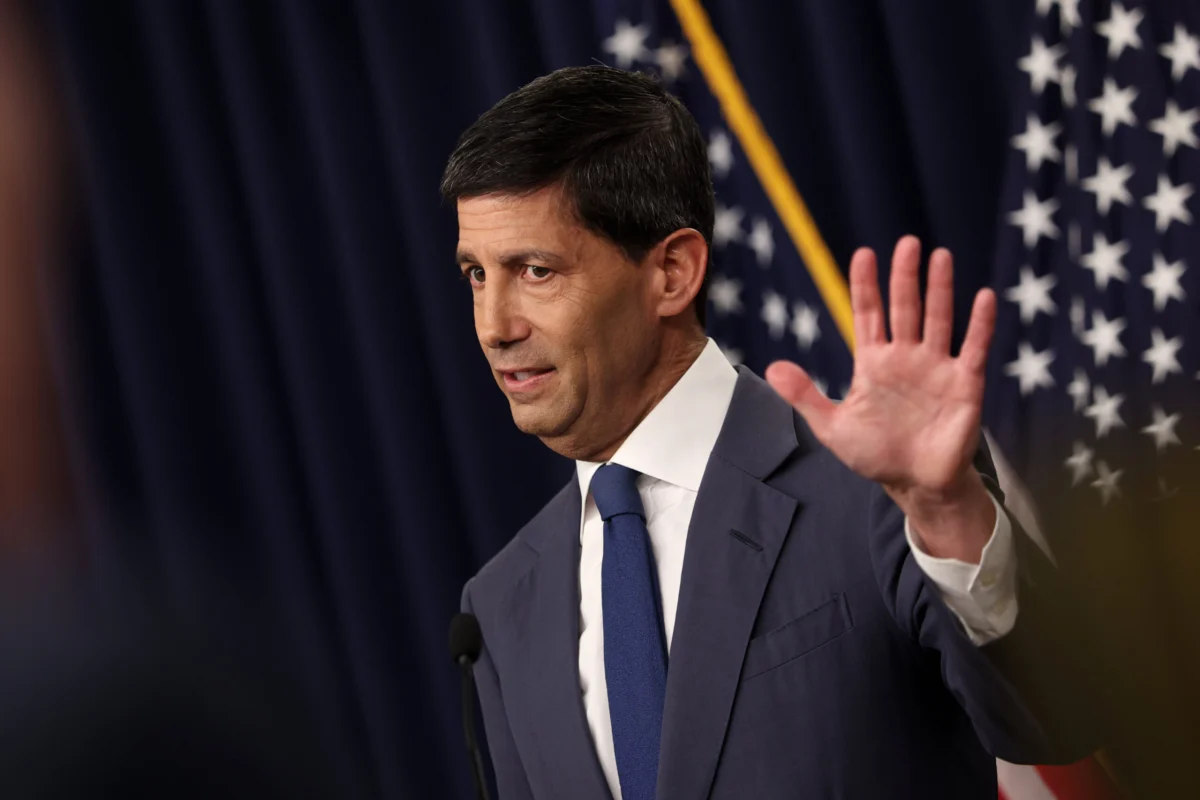
Wall Street has unequivocally absorbed the message from this week’s Federal Reserve decision: a significant interest rate hike is increasingly likely on the horizon, as the central bank reaffirms its unwavering commitment to battling persistent inflation. Despite opting to hold interest rates steady for the second consecutive meeting under the stewardship of Chairman Kevin Warsh, the underlying hawkish tone emanating from both his commentary and a notable surge in dissenting policymakers has convinced investors that an upward adjustment is the Fed’s next strategic move. This pivotal juncture underscores a forceful reassertion of the Fed’s primary mandate to restore price stability, even as markets grapple with the implications of potentially tighter monetary policy.
The Hawkish Hold: A Shift in Federal Reserve Dynamics
On July 29, 2026, Federal Reserve Chair Kevin Warsh presided over a news conference at Federal Reserve Headquarters in Washington, DC, following the conclusion of the Federal Open Market Committee (FOMC) meeting. While the decision to maintain the current interest rate target was largely anticipated by market participants, the details emerging from the meeting minutes and subsequent remarks painted a starkly different picture of the committee’s internal dynamics. A critical development was the unprecedented number of three policymakers breaking ranks to advocate for an immediate rate increase. This represented the highest number of members pushing for a hike since September 2016, a historical benchmark closely watched by analysts like Ian Lygen, head of U.S. rates strategy at BMO Capital Markets.
The term "hawkish hold" has quickly entered the lexicon of economic commentators to describe the Fed’s posture. It signifies a situation where the central bank refrains from immediate action but clearly signals a strong predisposition towards tightening in the near future, driven by a pronounced concern over inflationary pressures. Chairman Warsh’s public statements underscored this stance, emphasizing the Fed’s resolute focus on guiding inflation down to its preferred annual rate of 2% after an extended period of elevated readings. "You’ve heard this before, but we will deliver price stability," Warsh declared, a statement designed to reinforce the Fed’s credibility and commitment to its mandate. This commitment comes at a time when the global economy is still grappling with the lingering effects of supply chain disruptions, robust consumer demand, and, critically, an ongoing energy price shock that threatens to further exacerbate inflationary trends.
The Persistent Challenge of Inflation and the 2% Target
The Federal Reserve’s dual mandate tasks it with achieving maximum employment and stable prices. For several years leading up to 2026, the global economy, and particularly the U.S., has experienced an inflationary surge that has consistently outstripped the Fed’s long-term target of 2%. This target is not arbitrary; it is generally considered the optimal level for healthy economic growth, allowing businesses to plan effectively and consumers to maintain purchasing power without the corrosive effects of runaway price increases or the stagnation of deflation. The current "hotter readings" mentioned by Warsh encompass a broad spectrum of economic indicators, from the Consumer Price Index (CPI), which measures the average change over time in the prices paid by urban consumers for a market basket of consumer goods and services, to the Personal Consumption Expenditures (PCE) price index, the Fed’s preferred inflation gauge, which tends to reflect a more comprehensive view of consumer spending and includes a broader range of goods and services.
The sources of this persistent inflation are multifaceted. Post-pandemic fiscal stimulus injected significant liquidity into the economy, boosting demand. Concurrently, global supply chains, already strained by geopolitical events and localized lockdowns, struggled to meet this demand, leading to higher input costs and ultimately higher consumer prices. The "ongoing energy price shock," likely driven by geopolitical instability or production constraints, adds another layer of complexity, directly impacting transportation costs, manufacturing expenses, and utility bills for households and businesses alike. Against this backdrop, Warsh’s assertion that achieving the 2% target "likely means policy tightening" is not merely a statement of intent but a recognition of the economic realities. As Jeffrey Gundlach, CEO of DoubleLine Capital, succinctly put it on CNBC’s "Closing Bell," "If you really want to get to 2%, I think you have to raise interest rates." This sentiment reflects a broad consensus among many financial experts who believe that mere rhetoric, without concrete action, will be insufficient to tame inflation.
Historical Context and the Significance of Dissent
The comparison to September 2016, when a similar number of policymakers dissented, provides valuable historical context for the current situation. In 2016, the U.S. economy was in a different phase of its recovery from the 2008 financial crisis. The Fed was engaged in a gradual tightening cycle, slowly unwinding years of accommodative monetary policy. While the Fed held rates steady in September 2016 despite dissent, it subsequently kept them unchanged at its next meeting in November with two dissenters, before unanimously voting for a 25-basis-point increase in December of that year. This chronology suggests a pattern where a growing coalition of dissenters can foreshadow an eventual policy shift, often after further economic data provides additional justification.
The current situation, however, presents a more acute challenge. Inflationary pressures are arguably more entrenched and widespread than in 2016, leading to a greater sense of urgency. The three dissenters at this week’s meeting likely represent a more hawkish faction within the FOMC, arguing for immediate action to prevent inflation expectations from becoming unanchored. Unanchored inflation expectations can be dangerous, as they can lead to a self-fulilling prophecy where consumers and businesses anticipate higher prices and adjust their behavior accordingly, further fueling inflation. Their dissent serves as a powerful signal to the markets and the public that a significant segment of the committee views the inflation threat as sufficiently severe to warrant immediate and decisive action, even if the majority, for now, aligns with Chairman Warsh’s preference for a slightly more patient approach, perhaps awaiting further data confirmation.
Market Reaction: A "Risk-Off" Mood Takes Hold
The implications of the Fed’s hawkish stance were immediately felt across financial markets, inducing a palpable "risk-off" mood among investors on Wednesday. The major U.S. stock indices experienced significant declines:
- The S&P 500 tumbled 1.5% in Wednesday’s session, marking what Bespoke Investment Group described as the worst second "Fed day" for a new chief in recent history. This broad-market index, often seen as a barometer for the overall health of the U.S. economy, reflected widespread investor apprehension.
- The blue-chip Dow Jones Industrial Average dropped more than 2% on Wednesday, registering its largest daily decline since President Donald Trump’s tariff policy created market turmoil in April 2025. This sharp fall in industrial heavyweights underscored concerns about the potential impact of higher borrowing costs on corporate earnings and economic growth.
- The technology-heavy Nasdaq Composite suffered a particularly severe slide, dragging the index more than 10% off its all-time high. This put the Nasdaq officially into correction territory, a significant psychological and technical benchmark for investors. Furthermore, the Nasdaq notched its sixth straight losing session, a streak not seen since 2024, highlighting the particular vulnerability of growth stocks to rising interest rates, as higher rates reduce the present value of future earnings, which are typically a larger component of tech stock valuations.
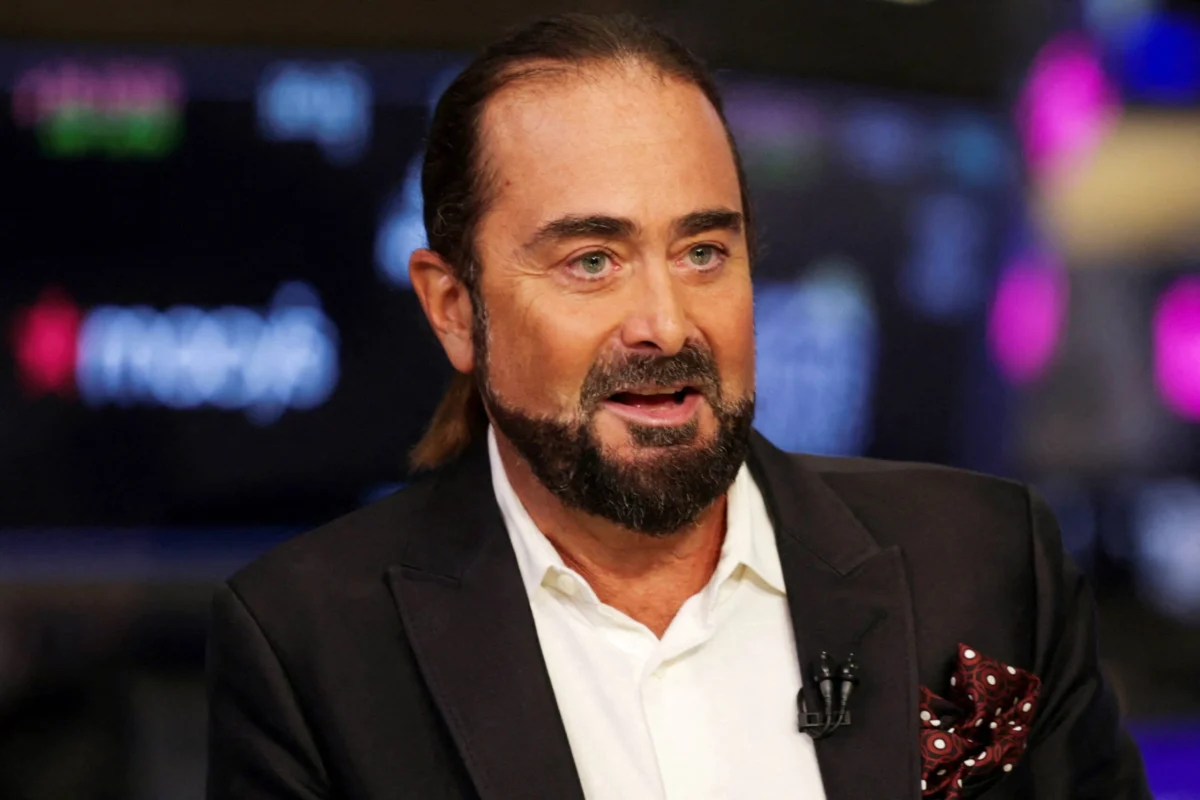
Josh Jamner, senior investment strategy analyst at ClearBridge Investments, observed that "Financial markets are still wrestling with the shift in Fed leadership." He characterized the increased price volatility under a Warsh-led Fed as "more of a feature than a bug," suggesting that markets should expect continued fluctuations as the central bank navigates its inflation-fighting mandate.
The Treasury market also reacted dramatically to the Fed’s signals. The 30-year Treasury yield climbed more than 10 basis points on Wednesday, reaching its highest level since July 2007. Similarly, the benchmark 10-year Treasury yield rose above the key 4.6% level. These movements indicate that bond investors are anticipating higher interest rates in the future, demanding greater compensation for holding long-term government debt. Interestingly, shorter-dated yields pulled back slightly, suggesting that while the market expects a hike, there’s also an interpretation that the Fed is willing to wait to respond to inflation, potentially implying a less aggressive near-term tightening pace for some short-term assets.
Jeffrey Gundlach, a veteran fixed income investor, emphasized the message from the bond market: "The long bond yield went up significantly after the press conference," he noted. "The bond market vigilantes are saying, ‘If you really want us to believe your rhetoric, you’ve got to start acting.’" This concept of "bond market vigilantes" refers to bond investors who, by selling bonds and pushing yields higher, effectively pressure central banks to adopt more fiscally or monetarily prudent policies. Their actions serve as a real-time referendum on the Fed’s policy credibility.
Forward-Looking Projections and Economic Implications
The financial community is now intently focused on the timing and magnitude of the next rate hike. Fed funds futures trading, a crucial barometer of market expectations, now suggests a more than 57% likelihood of a quarter-point increase at the September meeting, according to CME’s FedWatch tool. Similarly, about 53% of Kalshi traders predict that the Fed will hike rates in September, compared with 43% betting on another hold. This indicates a strong consensus building around September as the most probable pivot point. Ellen Zentner, chief economic strategist for Morgan Stanley Wealth Management, affirmed this view, stating, "For now, it’s likely that market pricing for a hike has simply been pushed forward… September remains a live meeting." A "live meeting" implies that policymakers are genuinely considering a rate change, and the outcome is not predetermined.
The implications of an impending rate hike are far-reaching. For consumers, higher interest rates translate to increased borrowing costs for mortgages, auto loans, and credit card debt, potentially dampening consumer spending and demand for big-ticket items. Businesses will face higher costs for financing investments and operations, which could slow expansion and hiring. Sectors particularly sensitive to interest rates, such as housing and automotive, could experience a noticeable slowdown.
While the prevailing sentiment points towards tightening, dissenting views still exist. Stephen Douglass, chief economist at NISA Investment Advisors, while acknowledging the "hawkish hold," still expressed an expectation for the Fed’s next move to be a rate cut in March of next year. This perspective, though currently a minority one, suggests that some economists believe that the cumulative effect of past tightening and the eventual impact of the upcoming hike will be sufficient to cool the economy rapidly, potentially necessitating a reversal of policy within a relatively short timeframe to avoid a severe recession. This highlights the ongoing debate within economic circles about the appropriate pace and duration of monetary tightening.
The central bank’s next steps will be heavily dependent on upcoming economic data, particularly inflation reports, but also employment figures and GDP growth. Warsh’s Fed is walking a tightrope: it must be aggressive enough to quell inflation without inadvertently pushing the economy into a deep recession. The challenge is compounded by external factors, including geopolitical uncertainties and global economic slowdowns, which could further complicate the Fed’s calculations. The era of low inflation and highly accommodative monetary policy appears to be firmly in the rearview mirror, replaced by a period of heightened vigilance and potential volatility as the Federal Reserve, under Chairman Warsh, commits to a resolute battle against rising prices. The coming months will be critical in determining the trajectory of both inflation and interest rates, shaping the economic landscape for years to come.