Gilang Muhammad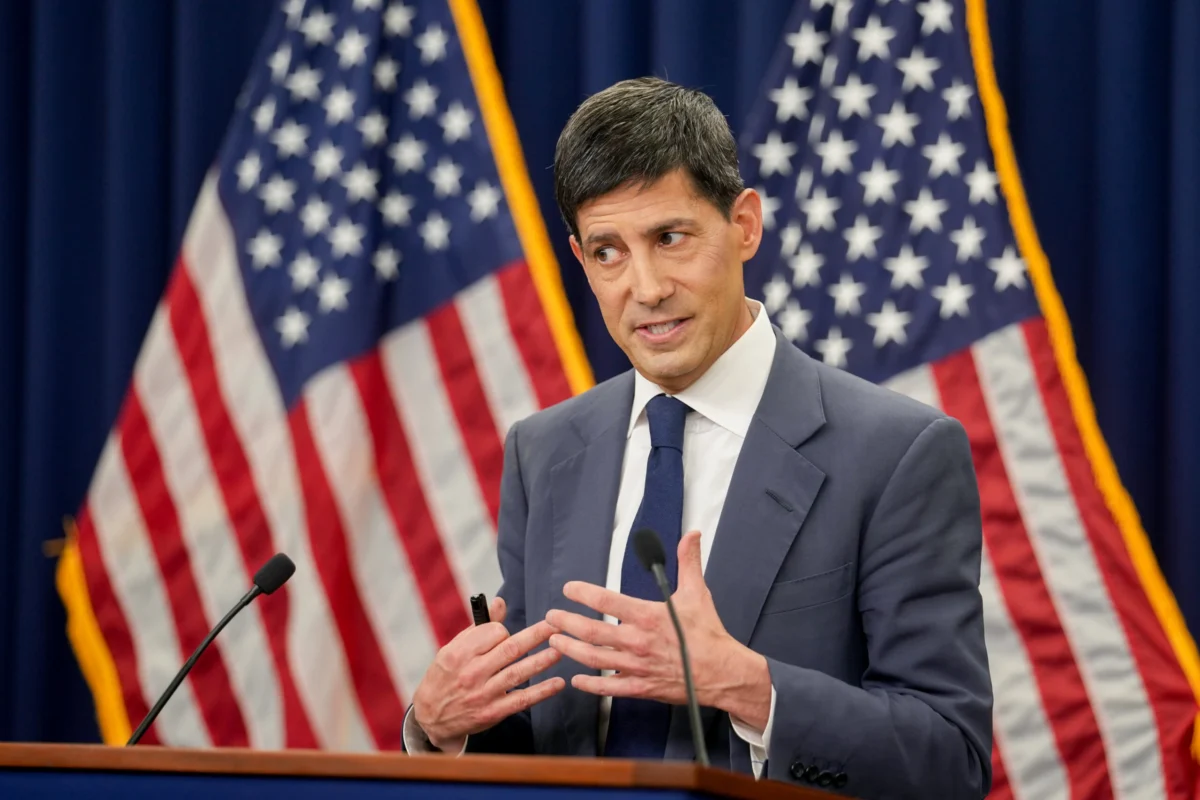
Federal Reserve Chairman Kevin Warsh faces a multifaceted challenge this week as he convenes with his fellow policymakers to deliberate on the immediate trajectory and future path of interest rates. While financial markets have largely consolidated expectations around a near-certain quarter percentage point hike during Wednesday’s vote, the more complex issue lies in discerning the breadth of consensus among the 12 voting members of the Federal Open Market Committee (FOMC). Beyond the immediate rate adjustment, Warsh confronts the critical task of effectively communicating the central bank’s stance: whether this move signifies a rare "one-and-done" action, signals the commencement of a series of further hikes, or if the chairman will maintain his characteristic enigmatic posture, refraining from guiding market expectations.
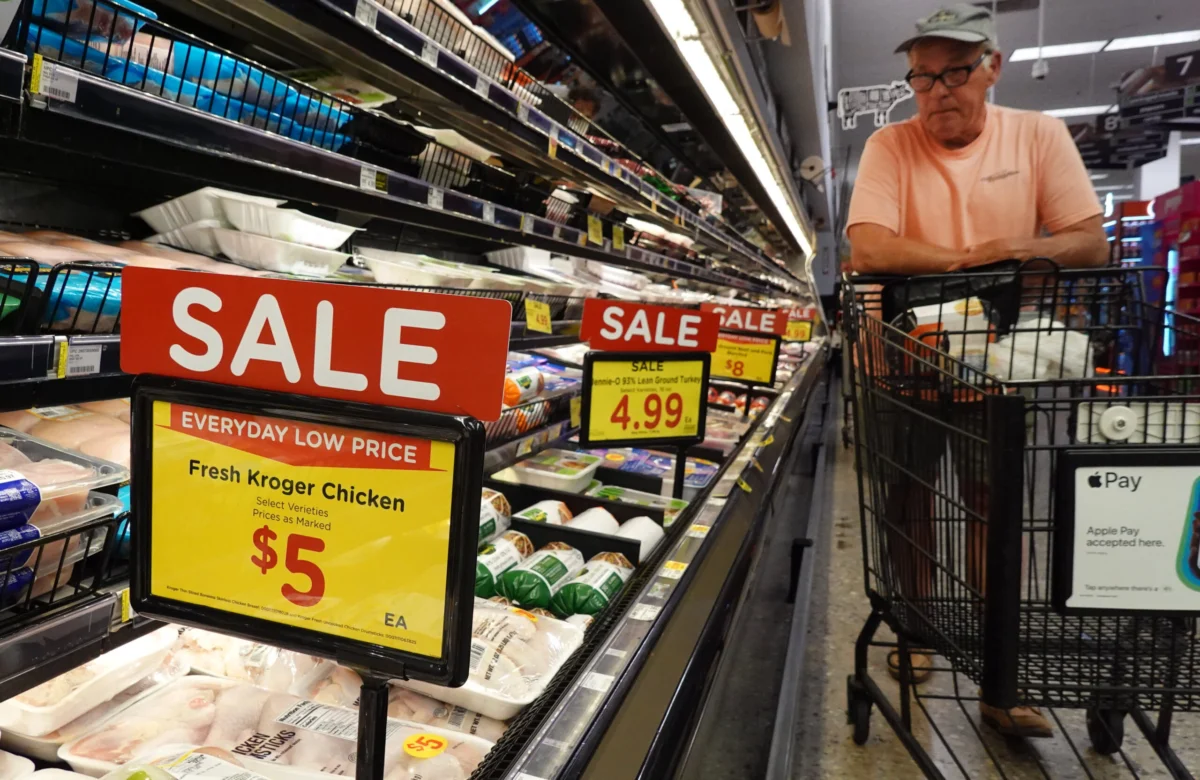
The prevailing market sentiment strongly suggests a rate increase. As of Monday afternoon, futures traders were pricing in a robust 92% probability of a rate hike this week, according to the CME Group’s FedWatch tool. Furthermore, the tool indicated a greater than 75% chance that the FOMC would implement another rate increase in December. This heightened expectation follows a recent surge in fuel prices and inflation data released last week, which revealed a continued climb in consumer prices during August. These trends, alongside Chairman Warsh’s assertive comments a few weeks prior at the Jackson Hole Economic Symposium, where he indicated the Fed would be compelled to act unless more concrete evidence of inflation receding towards the central bank’s 2% target emerged, have solidified market convictions. The benchmark overnight borrowing rate, Fed funds, currently stands within a range of 3.50% to 3.75%.
The Immediate Calculus: Act or Wait?
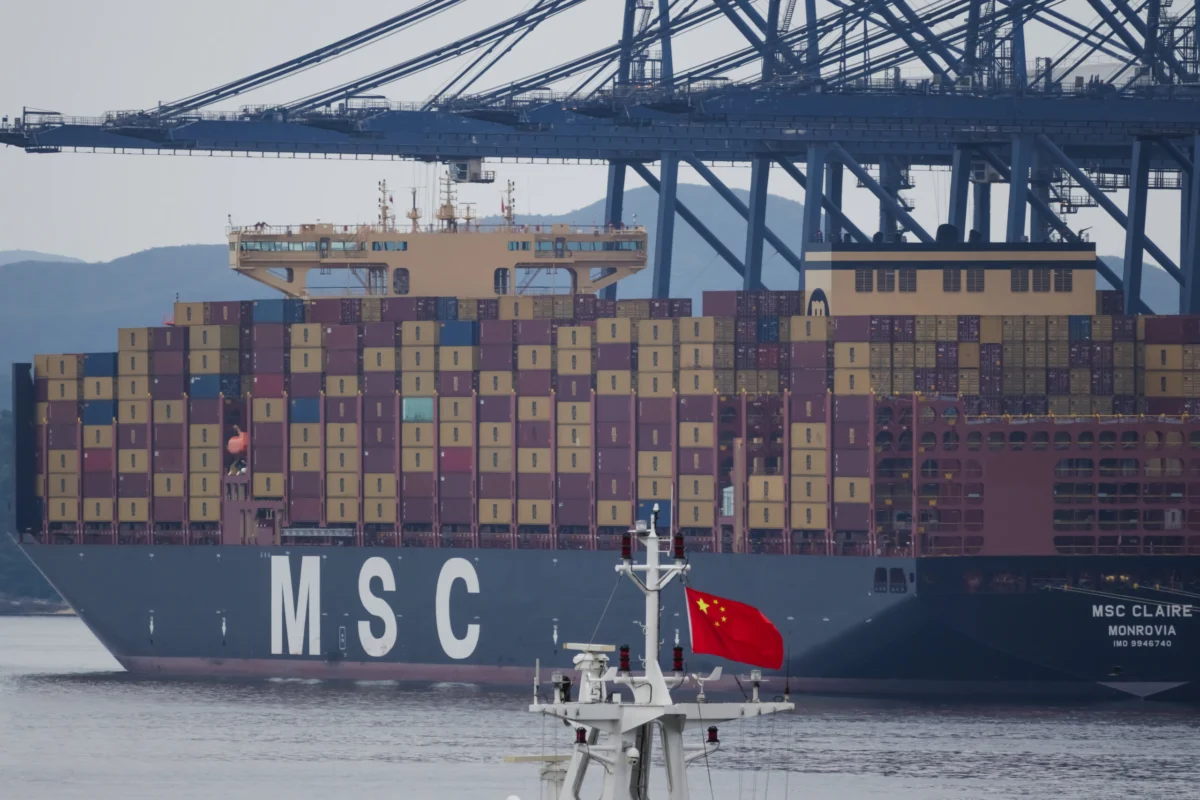
Despite the market’s firm conviction, the internal economic case for a rate hike is fraught with complexities and differing interpretations among policymakers and economists. Historically, the Federal Reserve has often demonstrated a tendency to "look through" certain types of inflationary pressures, particularly those deemed transitory. A significant portion of this year’s inflation, economists generally concur, has been attributed to supply-side shocks, notably the imposition of tariffs and an energy supply disruption stemming from the ongoing Iran war. The long-term impact of these specific factors on the overall inflation trajectory remains uncertain, leading some to advocate for patience.
David Mericle, an economist at Goldman Sachs, articulated this view in a client note, stating, "We do not see a strong economic case for raising the funds rate. We think that all of the overshoot of 2% can be attributed to one-time factors whose impact is likely to fade." Nevertheless, Goldman Sachs, acknowledging the powerful influence of market expectations, revised its own forecast from no change at this week’s meeting to anticipating a hike. This shift underscores a critical dynamic: even if the underlying economic data presents an ambiguous picture, the market’s strong pricing of a hike can effectively corner the Fed, forcing its hand to avoid a perceived credibility crisis. Bill Dudley, the former New York Fed president, emphasized this point in a CNBC interview, remarking, "With the market priced this way, it would be shocking if he came in and did nothing. It would really damage his credibility because it would basically be all talk, no action."
A Deep Dive into the FOMC’s Internal Divisions
The challenge for Chairman Warsh extends beyond the economic rationale to the intricate dynamics within the FOMC itself. The July meeting saw a 9-3 vote in favor of holding rates steady, revealing a notable divergence of opinion. The three dissenters – regional presidents Lorie Logan of Dallas, Beth Hammack of Cleveland, and Neel Kashkari of Minneapolis – had all advocated for a quarter-point hike two months prior. Assuming their positions remain unchanged, which their public statements have not contradicted, at least four additional members would need to shift their votes from "hold" to "hike" to secure a majority for a rate increase this week.
Several key policymakers have publicly expressed views that complicate the path to a unanimous or near-unanimous hike. Governor Christopher Waller, often a closely watched voter, indicated support for another hold at this meeting in public remarks delivered on September 3. While always including the standard caveats about monitoring incoming data for disinflationary trends, Waller largely urged patience. He questioned the efficacy of an immediate hike, stating, "What’s the cost of waiting one meeting? Hiking 25 basis points, one meeting right now, is not going to bring the [consumer price index] down to 2%." The August CPI report showed headline inflation at 3.4%, while the core rate, which excludes volatile food and energy costs, stood at a more modest 2.4%, a slight decrease from July.
Waller is not alone in his call for patience. New York Fed President John Williams, whose position is traditionally part of the influential "troika" within the central bank, told CNBC less than two weeks ago that a "wait-and-see" approach seemed prudent. Earlier in the summer, Williams had even expressed his belief that inflation had peaked. Conversely, Governor Michael Barr, in recent remarks, voiced concern that temporary inflation could become more entrenched, signaling an openness to a hike, though not a firm commitment.
Assembling the Potential Vote: A Complex Puzzle
Predicting the precise composition of the hiking bloc versus the patient faction requires careful consideration of each member’s recent statements and known predispositions. Chairman Warsh is widely expected to align with the hiking group, given his hawkish tone at Jackson Hole last month. Governor Lisa Cook, in early August, also stated her readiness to "act" to combat inflation. This brings the potential hiking votes to at least five, assuming Logan, Hammack, Kashkari, Warsh, and Cook.
On the other hand, Philadelphia Fed President Anna Paulson and Chicago’s Austan Goolsbee have consistently advocated for a more patient approach, likely joining Waller and Williams in favoring a hold. This leaves a crucial segment of governors whose votes are less clear: Vice Chair Philip Jefferson, former Chair Jerome Powell (who has maintained a notably low profile since stepping down), and Michelle Bowman. Bowman’s last public remarks related to monetary policy in May expressed concern about the risks of unnecessary rate hikes.
The ultimate vote margin could also be influenced by a significant "wildcard" factor: the desire for a united front. David Kelly, chief global strategist at JPMorgan Asset Management, suggests that if a clear majority coalesces around a decision to hike, other members on the fence might join them to present a more unified message to the public and the President. In such a scenario, Kelly speculates that the final vote count could show only two, one, or even no dissents, masking underlying intellectual disagreements for the sake of institutional cohesion. This dynamic would significantly impact how the decision is perceived, both domestically and internationally.
The Significance of the "Dot Plot" and Forward Guidance
Beyond the immediate rate decision, markets will scrutinize the updated "dot plot," a quarterly projection materials document that anonymously outlines each of the 19 participants’ expectations for the federal funds rate at various points in the future. Warsh notably withheld his "dot" for the June update, adding an element of uncertainty to the current release. Investors will meticulously analyze the dot plot for indications of conviction regarding two hikes this year, the outlook for 2027, and the initial projections for 2029. The Fed typically operates in cycles, viewing incremental, one-off moves as generally ineffective, thus the forward guidance embedded in the dot plot is paramount for market pricing.
Mericle from Goldman Sachs offered insights into potential dot plot scenarios. A 10-8 split in favor of one hike, especially if Warsh continues his disdain for explicit forward guidance and withholds his dot, would suggest that "some participants might be ambivalent about the first hike and some might want to avoid pushing market expectations any higher." However, Mericle also acknowledged the risk of a majority favoring two hikes if more participants than expected interpret this week’s hike as a standard response to elevated oil prices and the emerging demand pressures from artificial intelligence, potentially signaling the beginning of a more sustained series of rate increases.
Chairman Warsh’s Communication Challenge
In the event of a closely divided committee, the focus will intensify on Chairman Warsh’s news conference Wednesday afternoon. His ability to effectively convey the FOMC’s sentiment and articulate the rationale behind the decision will be crucial for managing market expectations and preserving the Fed’s credibility. Dudley, the former New York Fed chief, stressed the importance of clear communication: "The Fed needs to explain how they’re thinking about the economy." He added, "[Warsh has] just got to follow that up with action. If he does that, I think he’s basically fixed the problem that he created in his first two press conferences." This highlights the broader context of Warsh’s leadership and the market’s sensitivity to the Fed’s public messaging.
Broader Implications for the Economy and Markets
A rate hike, particularly if accompanied by hawkish forward guidance, carries significant implications across the economic landscape. For financial markets, an increase in the federal funds rate typically translates to higher borrowing costs for banks, which then pass these costs on to consumers and businesses. This can manifest in rising interest rates for mortgages, credit cards, and auto loans, potentially dampening consumer spending and investment. Stock markets often react negatively to higher rates, as they can reduce corporate profits and make bonds more attractive relative to equities. Bond yields would likely see further increases, affecting everything from government borrowing costs to corporate bond issuance. The U.S. dollar could strengthen, potentially impacting export competitiveness.
Globally, a rate hike by the world’s most influential central bank can trigger capital outflows from emerging markets, as investors seek higher returns in dollar-denominated assets. This can destabilize economies reliant on foreign capital and weaken their currencies. The ongoing Iran war, which is already contributing to energy price volatility, adds another layer of global uncertainty, making the Fed’s decision even more impactful on international trade and financial flows.
For the Federal Reserve itself, this week’s decision is not just about managing inflation; it’s about navigating a complex array of economic signals, internal policy disagreements, and the powerful force of market expectations. How Warsh and the FOMC balance these factors, and crucially, how they communicate their path forward, will define the central bank’s credibility and influence the trajectory of the U.S. and global economies in the coming months and years. The decision will be a critical test of Warsh’s leadership and the committee’s ability to forge a coherent and effective monetary policy strategy in challenging times.