Ena Muazin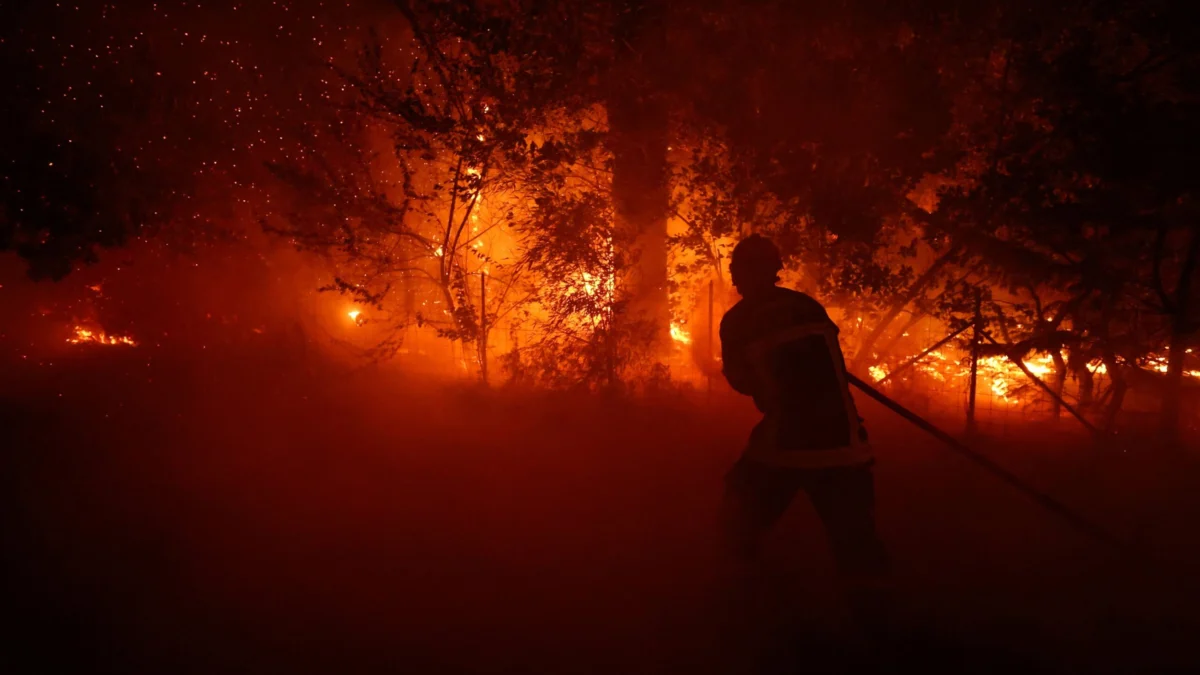
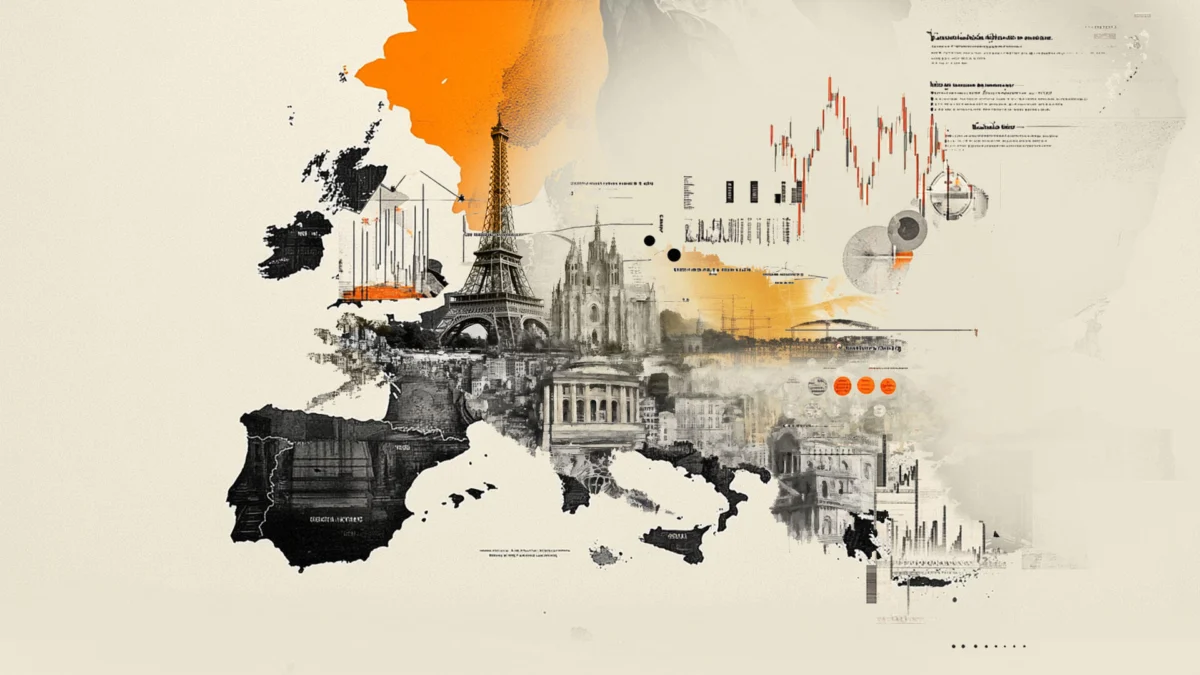
Wildfires are raging across Europe, particularly in France, Spain, and Italy, in what is being described as a historically severe event. Hundreds of thousands of people have been forced to evacuate their homes, and vast swathes of land have been consumed by flames. The infernos are not only devastating rural landscapes but are increasingly encroaching upon densely populated areas and the outskirts of major metropolitan regions, raising alarms about the escalating impact of climate change on urban environments.
The sheer scale of the current fire season is unprecedented. In France, the iconic wine region of Bordeaux has been severely impacted, with thousands evacuated and significant agricultural land under threat. Spain has seen similar crises, with the popular tourist island of Tenerife grappling with a massive blaze that has forced the evacuation of over 26,000 people and disrupted essential services. Italy, too, is battling multiple large-scale fires, particularly in the southern regions and on islands like Sicily, where extreme heat and dry conditions have created a tinderbox.
A New Front in Climate Change Impacts
The geographical spread and intensity of these fires mark a disturbing shift. Tobias Grimm, Chief Climatologist at the reinsurance giant Munich Re, highlighted this concerning development in an interview with Handelsblatt. "What is new is that fires are increasingly threatening densely populated areas and the surroundings of large cities such as Bordeaux or Madrid," Grimm stated. This observation underscores a growing trend where the traditional boundaries between rural and urban firefighting efforts are blurring, necessitating a more integrated and robust response.
The economic repercussions of these widespread fires are yet to be fully quantified, but initial assessments point to substantial losses. While the direct financial damage from the current wildfires in Europe cannot yet be precisely calculated, experts anticipate significant costs. Marcos Alvarez, Managing Director of Global Financial Institution Ratings, believes that the impact will be manageable for major European insurers. "Most companies entered the fire season of 2026 with solid capital endowments and liquidity," he noted. However, he also stressed that the consequences for both human lives and the environment are undeniably severe.
Historical Context and Escalating Trends
The summer of 2026 has been marked by a prolonged and intense heatwave across Southern Europe, with temperatures consistently exceeding 40 degrees Celsius (104 degrees Fahrenheit) in many areas. This has been compounded by a lack of rainfall, creating exceptionally dry conditions that are highly conducive to fire ignition and rapid spread. This year’s fire season is not an isolated incident but rather a stark illustration of a trend observed over the past decade. Data from the European Forest Fire Information System (EFFIS) has shown a consistent increase in the area burned by forest fires across the EU in recent years, with 2022 being a particularly devastating year.
The Mediterranean region has always been susceptible to wildfires, often exacerbated by human activities such as agricultural practices and arson. However, climate change is amplifying these risks significantly. Rising global temperatures lead to hotter and drier summers, longer fire seasons, and increased frequency of extreme weather events like heatwaves and droughts. This creates a vicious cycle where more intense fires can lead to deforestation, which in turn reduces the land’s capacity to absorb carbon dioxide, further contributing to climate change.
Timeline of the Current Crisis (Illustrative – based on typical wildfire patterns)
- Early Spring (e.g., March-April): Increased temperatures and reduced rainfall begin to dry out vegetation in Southern Europe, raising initial concerns about the upcoming fire season.
- Late Spring (e.g., May-June): First significant wildfire outbreaks are reported, often in Spain and Portugal, indicating an early start to the season. Firefighting resources begin to be deployed.
- Mid-Summer (e.g., July): The situation escalates dramatically. Prolonged heatwaves grip multiple European countries. Temperatures soar, and dry conditions become critical. Major fires erupt in France, Spain, Italy, and Greece. Evacuations become widespread, impacting thousands of residents and tourists.
- Late Summer (e.g., August): The fires continue to burn, with some gaining renewed intensity due to shifting wind patterns or new ignition sources. Efforts to contain the blazes intensify, involving national and international firefighting crews. The full extent of the damage to infrastructure, agriculture, and natural ecosystems becomes clearer.
- Autumn (e.g., September-October): As temperatures begin to cool and rainfall increases, the wildfire threat gradually diminishes. Post-fire assessments begin, focusing on recovery, rehabilitation, and understanding the lessons learned from the season.
Data Supporting the Severity
While precise figures for the 2026 season are still being compiled, comparisons with previous years provide a stark picture:
- Area Burned: In 2022, over 700,000 hectares (approximately 1.7 million acres) of forest and other land were burned across the European Union, making it the second-worst year on record since 2006. The current season is projected to surpass these figures in affected areas.
- Evacuations: In Tenerife alone, over 26,000 people were evacuated in a matter of days, illustrating the rapid and widespread nature of the displacement. France and Italy have reported hundreds of thousands evacuated across multiple regions.
- Temperatures: Many regions experienced record-breaking temperatures during the summer of 2026. For instance, parts of Spain registered temperatures exceeding 45 degrees Celsius (113 degrees Fahrenheit) for extended periods.
- Economic Impact: While not yet fully calculated, the cost of firefighting efforts, property damage, loss of tourism revenue, and agricultural losses will likely run into billions of euros. Insurers are already bracing for a significant increase in claims related to property damage and business interruption.
Official Responses and International Cooperation
European governments have mobilized significant resources to combat the fires. This includes deploying national firefighting brigades, air tankers, and mobilizing the military for support. The European Union has activated its Civil Protection Mechanism, facilitating mutual assistance between member states. Firefighting teams and equipment have been shared across borders, demonstrating a crucial element of international solidarity in the face of this shared crisis.
The European Forest Fire Information System (EFFIS) plays a vital role in monitoring fire activity, providing early warnings, and coordinating response efforts. Satellite imagery and on-the-ground reports are used to assess the situation and allocate resources effectively.
Beyond immediate firefighting efforts, there is a growing call for enhanced preventative measures. Experts like Tobias Grimm emphasize the need for increased investment in forest management, early detection systems, and public awareness campaigns about fire safety. The concept of "defensible space" around communities, involving clearing flammable vegetation, is gaining prominence.
Broader Impact and Implications
The long-term implications of these intensifying wildfire seasons are profound:
- Environmental Degradation: Beyond the immediate destruction of forests, the fires release vast amounts of greenhouse gases into the atmosphere, exacerbating climate change. Soil erosion increases, leading to landslides and impacting water quality. Biodiversity is severely threatened, with many species losing their habitats.
- Economic Disruption: The fires disrupt local economies, particularly those reliant on tourism and agriculture. The cost of rebuilding and recovery can be immense, placing a strain on national budgets and insurance markets.
- Public Health: Smoke from wildfires can travel long distances, causing respiratory problems and other health issues for populations far from the actual fire zones.
- Social Impact: Mass evacuations and the destruction of homes and livelihoods can lead to significant social disruption and psychological distress for affected communities.
The Need for Enhanced Prevention and Adaptation
The recurring nature and escalating severity of these wildfires underscore the urgent need for a paradigm shift in how Europe approaches fire management. While firefighting remains critical, a greater emphasis must be placed on proactive prevention and adaptation strategies.
Tobias Grimm’s call for consistent implementation of fire prevention measures in Germany, highlighting that wildfires are no longer confined to Southern Europe but can occur in the UK, Scandinavia, and Germany, is a critical reminder. Investing in sustainable land management practices, promoting climate-resilient forestry, and educating the public about fire risks are essential steps.
The financial sector, including insurance companies and reinsurers, plays a crucial role. By accurately pricing climate-related risks and encouraging policyholders to adopt preventative measures through incentives, they can contribute to building greater resilience.
Ultimately, the current wave of wildfires serves as a stark and urgent reminder of the tangible impacts of climate change. Addressing this crisis requires a multi-faceted approach, combining immediate disaster response with long-term strategies for mitigation, adaptation, and sustainable land management. The future of Europe’s landscapes, economies, and communities depends on a collective and decisive response to this escalating environmental challenge.