Gilang Muhammad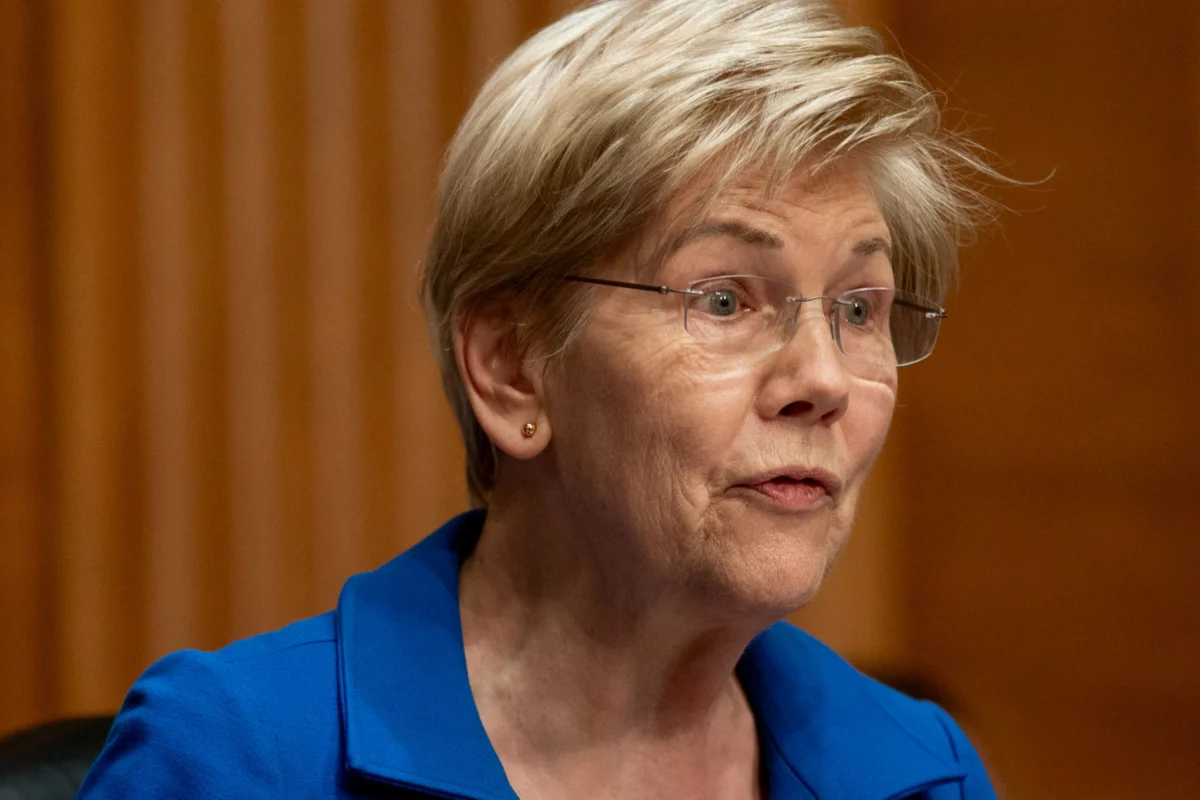
Senator Elizabeth Warren, a formidable Democratic voice from Massachusetts and the ranking member of the influential Senate Banking, Housing, and Urban Affairs Committee, has launched a scathing critique of President Donald Trump’s foreign policy, demanding immediate and comprehensive answers from key administration officials regarding the burgeoning economic fallout from the United States’ military engagement with Iran. In a sharply worded letter dispatched on Friday, Senator Warren articulated profound concerns about the war’s escalating impact on critical sectors of the U.S. economy, specifically highlighting the surging costs of food, energy, and retail goods, alongside broader anxieties about economic stability and consumer welfare.
The War’s Shadow: Economic Fallout Takes Center Stage
Senator Warren’s intervention underscores a growing bipartisan unease in Washington, D.C., regarding the economic ramifications of the conflict, which she unequivocally labeled as "an illegal and reckless war." Her letter, exclusively obtained by CNBC, directly accuses President Trump of exacerbating an already delicate economic landscape, asserting that the diversion of "billions of dollars" into military operations will inevitably inflate prices, impede economic growth, and impose significant financial burdens on American households, particularly those in the middle and lower-income brackets. "I write today with grave concern that President Trump is weakening an already fragile economy, and will continue to do so, pouring billions of dollars into a war that will drive up prices, slow growth, and leave American families with higher costs while they are forced to foot the bill," Warren stated, her language reflecting a deep conviction in the economic peril posed by the ongoing hostilities.
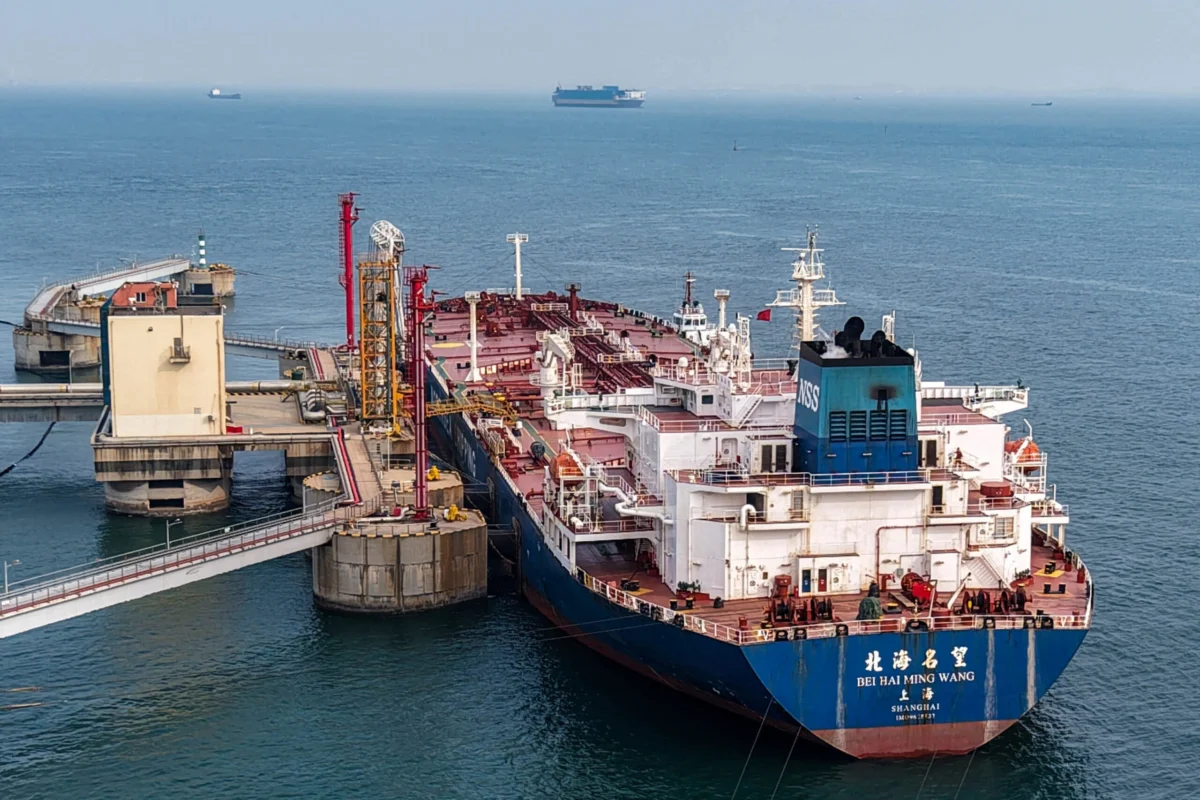
The conflict, now three weeks into its active phase, has indeed sent immediate and noticeable ripples through global markets. Energy prices, in particular, have reacted dramatically, with the benchmark global oil price for Brent crude now hovering precariously close to $110 a barrel. This sharp increase has translated directly to higher costs at the pump for American consumers, with gasoline prices nearing an average of $4 a gallon nationwide – a substantial jump of approximately $1 per gallon compared to just a month prior, according to data from AAA. Such a rapid ascent in energy costs invariably triggers a cascade of inflationary pressures across the economy, impacting everything from transportation and manufacturing to the pricing of essential goods.
A Timeline of Escalation and Economic Reaction
The origins of the current conflict trace back to late February 2026, following a series of increasingly tense provocations in the Persian Gulf region. Initial reports suggested a direct confrontation between U.S. naval assets and Iranian Revolutionary Guard Corps vessels in the Strait of Hormuz, a critical chokepoint for global oil shipments. This incident, shrouded in conflicting reports, quickly escalated, leading to retaliatory strikes and a rapid deployment of additional U.S. forces to the region. President Trump, citing immediate threats to U.S. interests and allies, authorized military action under the premise of national security, though the constitutional legality of the declaration of war remains a hotly contested point in Congress, fueling Senator Warren’s "illegal and reckless" characterization.
Within days of the initial engagement, global energy markets reacted sharply. Crude oil futures, which had been trading stably in the $75-$80 per barrel range through early February, began an immediate upward trajectory. By the first week of March, prices had breached the $90 mark, and the subsequent weeks of sustained conflict, coupled with fears of supply disruptions from the Middle East, pushed them past $100 and towards the current $110 level. This rapid increase was not confined to oil; natural gas prices also saw significant spikes, reflecting the interconnectedness of global energy supplies.
The economic ramifications quickly extended beyond energy. Shipping costs soared as insurers increased premiums for vessels navigating the volatile region, and supply chains already strained by previous global events faced renewed disruption. Early indicators pointed to a broad-based inflationary trend. While official government inflation figures for March 2026 are not yet available, the February Producer Price Index (PPI), released on March 18, showed a preliminary annualized increase of 3.8%, exceeding analysts’ expectations and offering a harbinger of broader consumer price hikes. Economists widely anticipate that the Consumer Price Index (CPI) for March, when released, will reflect these surging energy costs and their "pass-through effects" across the economy, potentially pushing headline inflation rates well above the Federal Reserve’s target.
Warren’s Scrutiny: Demands for Transparency and Accountability
Senator Warren’s letter, addressed specifically to Treasury Secretary Scott Bessent, National Economic Council Director Kevin Hassett, and Pierre Yared, the acting chair of the Council of Economic Advisers, is a detailed indictment of what she perceives as a lack of foresight and planning from the administration. Her queries are precise, designed to expose any gaps in economic analysis and contingency planning related to the conflict. She demanded to know:
- Pre-War Cost Analyses: Had their respective organizations conducted comprehensive cost-benefit analyses or economic impact assessments of a potential conflict with Iran prior to the commencement of hostilities? If so, she requested these analyses be immediately declassified and provided to Congress.
- Economic Projections: What are the administration’s current projections for inflation, GDP growth, consumer spending, and employment for the remainder of 2026, specifically factoring in the ongoing war? She sought detailed forecasts for energy, food, and retail prices.
- Mitigation Strategies: What concrete plans does the administration have in place to mitigate the rising costs for American families, stabilize energy markets, and ensure the continued availability of essential goods?
- Supply Chain Resilience: What measures are being taken to protect and secure U.S. supply chains from further disruption, particularly concerning critical imports and exports related to the Middle East?
- Impact on Vulnerable Populations: What specific analyses have been conducted on the disproportionate economic impact of rising costs on low-income households and economically vulnerable communities?
- Budgetary Allocations: A detailed accounting of all federal funds already committed or projected to be committed to the military conflict with Iran, and how these allocations might impact other domestic spending priorities.
"The list of economic consequences goes on and on," Warren wrote, expressing deep frustration. "And it does not appear that the Trump Administration has any meaningful plan to keep prices low or prevent Americans from running low on the goods they need to work, go to school, and feed their families." Her emphasis on a comprehensive plan highlights a fundamental concern about the administration’s strategic preparedness beyond military objectives.

Soaring Prices: Data Illustrates Immediate Impact
The economic data points to a clear and immediate impact, validating many of Warren’s concerns. As previously noted, the jump in global oil prices from approximately $78/barrel in mid-February to nearly $110/barrel by mid-March represents an increase of over 40% in just three weeks. This shock is quickly being absorbed by the broader economy. According to AAA, the national average for regular gasoline has climbed from $3.02 per gallon in mid-February to $4.01 per gallon by March 20, a 33% increase. Diesel prices have seen an even steeper rise, threatening commercial transportation and agricultural sectors.
Beyond energy, preliminary data from commodity markets indicates significant increases in the cost of various food staples. Wheat futures have risen by 12% in the last two weeks, driven by fears of broader geopolitical instability impacting agricultural trade routes and production. Shipping container costs from Asian markets, already elevated, have seen an additional 8-10% surcharge applied by major carriers, directly attributable to heightened risk premiums and rerouting efforts around potential conflict zones. Analysts from major financial institutions are now revising their Q1 and Q2 2026 inflation forecasts upwards, with some predicting headline CPI could exceed 4.5% by summer if the conflict persists and energy prices remain elevated. Consumer confidence indices, such as the University of Michigan’s preliminary March reading, showed a dip of 5 points, indicating growing apprehension among households about their financial future.
Administration’s Stance and Federal Reserve’s Caution
As of the time of reporting, administration officials had not issued an immediate public response to Senator Warren’s letter. However, White House press briefings earlier in the week regarding the Iran conflict largely focused on national security justifications, emphasizing "decisive action" and "protecting American interests" while largely downplaying or deferring questions about potential long-term economic consequences. A common refrain from administration spokespersons has been that any economic disruptions are temporary and a necessary cost for maintaining global stability and deterring aggression. Unofficially, sources within the administration suggest that they view Warren’s letter as politically motivated, designed to undermine the President’s foreign policy initiatives. They are expected to eventually respond with assurances of economic resilience and a focus on domestic energy production, possibly suggesting that strategic petroleum reserves could be utilized if necessary.
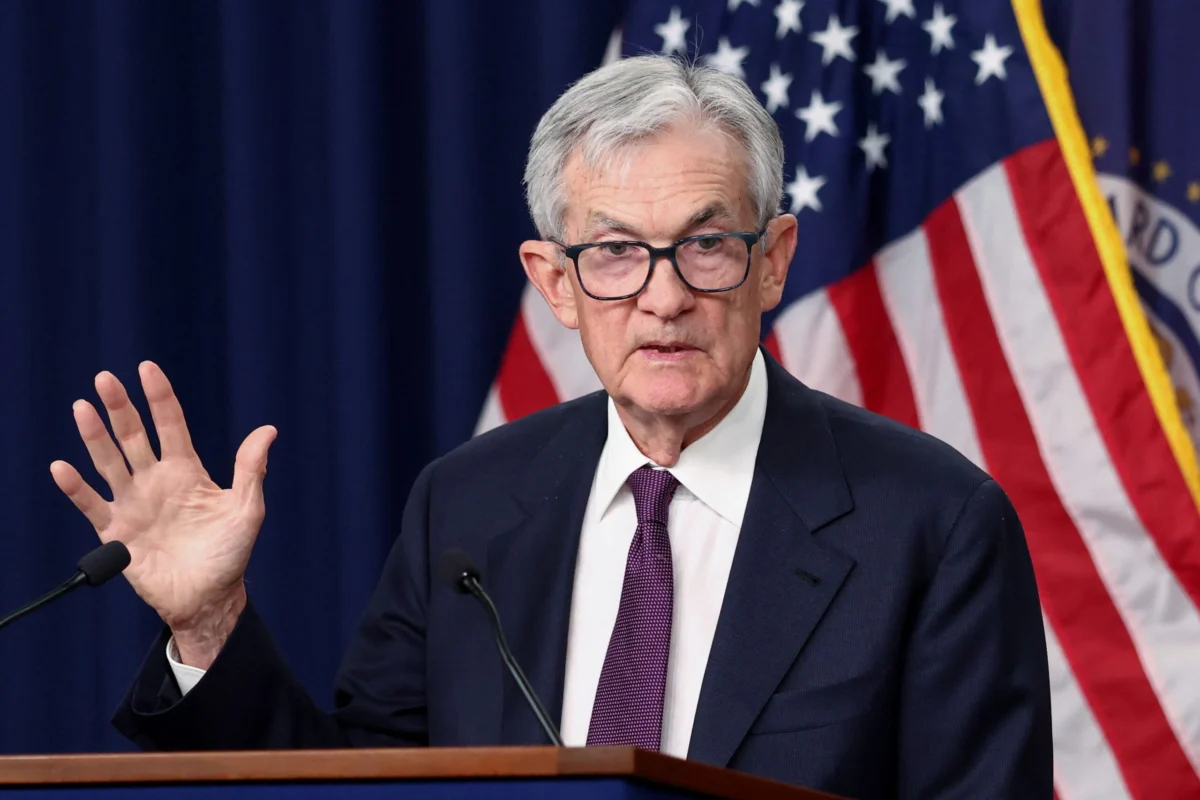
The Federal Reserve, on the other hand, has adopted a markedly more cautious tone. Earlier in the week, during a press conference following the Federal Open Market Committee (FOMC) meeting on March 18, Fed Chair Jerome Powell acknowledged the significant uncertainty introduced by the geopolitical situation. While he did not directly address the war in explicit detail, Powell stated that the Fed expected energy prices to rise in the near term and that the "longer-term impacts" remained unclear. The FOMC voted unanimously to hold its benchmark interest rate steady at its current level, a decision notably influenced by the economic uncertainties stemming from the war. The accompanying statement cited "heightened geopolitical tensions and their potential impact on global energy markets and supply chains" as a key factor informing their decision, indicating a pause in any potential tightening cycle until the economic landscape becomes clearer. This stance suggests that the Fed is in a wait-and-see mode, prepared to act if inflation spirals out of control or if economic growth is severely hampered, but hesitant to make proactive moves amidst such volatile conditions.
Broader Economic Implications: Beyond the Pump
The economic implications of a protracted conflict with Iran extend far beyond immediate price hikes. Analysts are now grappling with potential scenarios that could fundamentally alter the trajectory of the U.S. and global economies.
- Monetary Policy Dilemma: The Fed faces a difficult "stagflationary" dilemma. Rising inflation fueled by supply-side shocks (like energy prices) typically calls for higher interest rates to cool demand. However, if the war simultaneously slows economic growth and dampens consumer confidence, raising rates could push the economy into a recession. This creates a challenging balancing act for monetary policymakers.
- Consumer Spending and Confidence: Sustained higher costs for essential goods like food and fuel will inevitably erode household purchasing power. Discretionary spending, a key driver of economic growth, is likely to decline as families reallocate budgets to cover necessities. A prolonged period of economic uncertainty could also lead consumers to save more and spend less, further dampening demand.
- Business Investment and Supply Chains: Businesses face increased operational costs due to energy and shipping. Uncertainty about future demand and geopolitical stability may lead companies to delay investment decisions, impacting long-term growth and job creation. Global supply chains, already under pressure from recent crises, could face further fragmentation or rerouting, leading to inefficiencies and higher costs for manufacturers and retailers. Industries heavily reliant on global trade, such as automotive, electronics, and even certain agricultural sectors, are particularly vulnerable.
- Fiscal Strain: The financial cost of military engagement, including troop deployments, equipment, and logistical support, will add significantly to the national debt. These unfunded liabilities could constrain future government spending on domestic priorities or necessitate difficult choices regarding taxation and public services, further impacting the economy.
Political Repercussions and Future Outlook
Senator Warren’s letter also serves as a potent political maneuver, positioning her and other Democratic critics of the Trump administration’s foreign policy at the forefront of the economic debate. By framing the conflict as "reckless" and economically damaging, she seeks to draw a clear contrast with the administration’s priorities and perceived lack of concern for ordinary Americans. The economic impact of the war is likely to become a central theme in upcoming political campaigns, with Democrats eager to highlight rising costs and economic instability as direct consequences of the President’s actions.
Conversely, the Trump administration will likely continue to emphasize national security, portraying any economic discomfort as a necessary sacrifice for geopolitical strength. They may also seek to deflect blame, pointing to global factors or pre-existing economic conditions. The debate over the war’s economic cost is set to intensify as March inflation figures become available and as the financial toll of military operations becomes clearer. The ability of the administration to convincingly articulate a plan for economic stability amidst the conflict will be crucial in shaping public opinion and potentially influencing the political landscape in the months to come. The future outlook remains highly uncertain, tethered inextricably to the duration and intensity of the conflict with Iran, and the capacity of U.S. economic institutions to navigate unprecedented pressures.