Ena Muazin
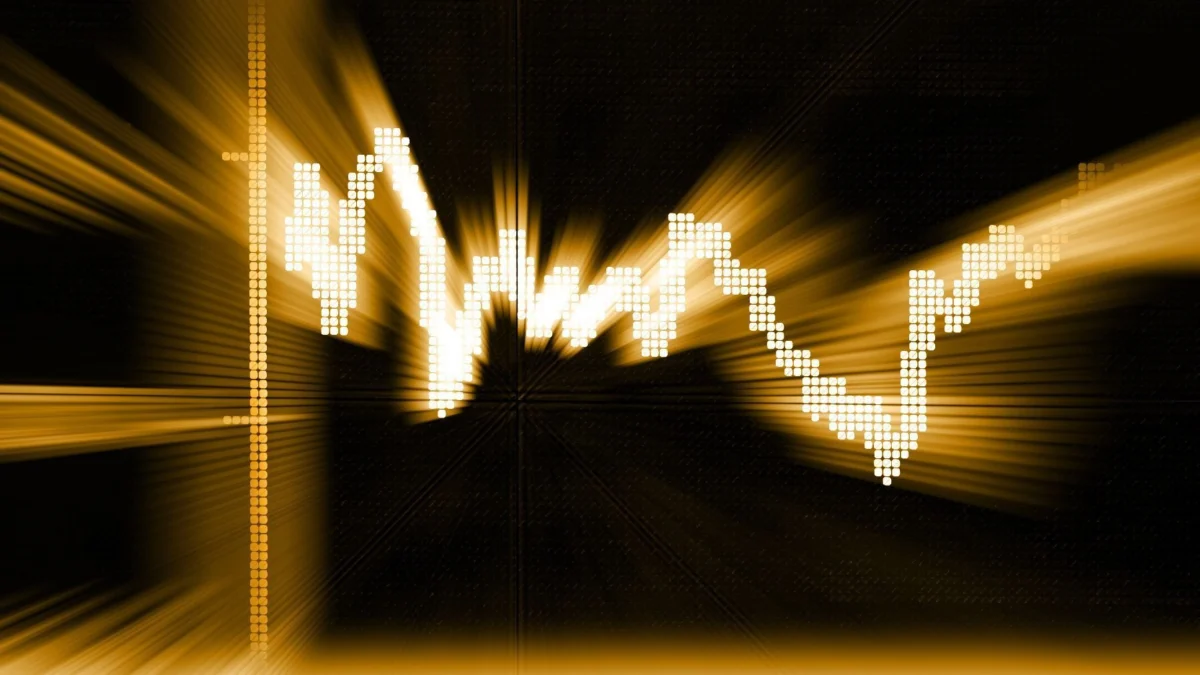
The German stock market experienced a period of subdued trading activity towards the end of the week, with the benchmark DAX index hovering around the 26,800-point mark. Despite initial gains in the morning session, which allowed the index to defy negative sentiment from U.S. markets, investor enthusiasm appeared to wane as the trading week drew to a close. This trading pattern suggests a cautious approach from market participants, who are weighing recent gains against prevailing economic uncertainties.
Market Overview and Key Performance Indicators
On Friday, the DAX was largely treading water, reflecting a broader trend of consolidation in major European indices. While the index managed to claw back some of its earlier losses, it remained a considerable distance from its all-time highs, indicating a pause in the recent upward momentum. This lack of decisive movement can be attributed to a confluence of factors, including mixed economic data, ongoing geopolitical tensions, and a general sentiment of caution ahead of the weekend.
The DAX’s performance this week has been characterized by its resilience, particularly in its ability to resist the bearish undertones emanating from Wall Street. However, the waning momentum towards the week’s end suggests that the underlying drivers of the recent rally may be losing steam. Analysts are closely watching for any significant shifts in economic indicators or corporate news that could provide a clearer direction for the market in the coming weeks.
Background and Context: The November Rally
The current market behavior is unfolding against the backdrop of what is traditionally a strong period for equities, particularly in November. Historically, the month of November has often been associated with a "Santa Claus rally" or a year-end surge in stock prices, fueled by optimistic sentiment, holiday spending expectations, and portfolio adjustments by institutional investors.
Thomas Altmann, a portfolio manager at QC Partners, highlighted this seasonal strength in a recent LinkedIn post. He noted that the DAX’s breach of the 27,000-point level for the first time confirmed its long-term seasonal pattern. According to Altmann, November has historically been the best performing month for the DAX, with an average gain of 0.89 percent. This historical data provides a crucial context for understanding the current market dynamics and the potential for further upward movement, albeit with present-day moderating factors.
Technical Analysis and Analyst Outlook
From a technical perspective, analysts at HSBC have suggested that the year-end rally could continue to support the German stock market. Their analysis indicates that the 27,000-point mark, which was temporarily surpassed, may not represent the peak of the current upward trend. This optimistic outlook, rooted in chart patterns and historical performance, implies that the market has the potential to extend its gains.
However, the current trading pattern of subdued movement suggests that the market is in a consolidation phase. Investors are likely taking a breath to assess the sustainability of recent gains and to digest incoming economic data. The absence of a clear catalyst for further significant upward or downward movement has led to a period of relative calm. The interplay between historical seasonal trends and current economic realities will be key in determining the market’s trajectory.

Key Economic Factors Influencing the Market
Several macroeconomic factors are influencing the current market sentiment. Global inflation concerns, while showing some signs of moderation in certain regions, continue to be a significant consideration for central banks and investors alike. The prospect of interest rate hikes or prolonged periods of higher rates can impact corporate profitability and consumer spending, thereby affecting stock valuations.
Furthermore, geopolitical developments, including ongoing conflicts and trade disputes, introduce an element of uncertainty that can lead to market volatility. These external risks can overshadow positive domestic economic news and dampen investor confidence. The German economy, being highly export-oriented, is particularly sensitive to global trade dynamics and geopolitical stability.

Corporate Performance and Earnings
The performance of individual companies within the DAX index also plays a crucial role in shaping the overall market movement. Positive earnings reports and strong forward guidance from major corporations can provide a significant boost to investor sentiment. Conversely, disappointing results or cautious outlooks can exert downward pressure on the index.
While specific company-level news was not the primary driver of the DAX’s performance at the end of the week, the aggregate performance of its constituents is always a key determinant of its movement. Investors are likely scrutinizing the financial health and growth prospects of companies within the index as they make investment decisions.

Investor Sentiment and Risk Appetite
The prevailing investor sentiment appears to be one of cautious optimism. While there is an acknowledgment of the historical tendency for a year-end rally, the current economic landscape warrants a degree of prudence. The market’s ability to shrug off some negative U.S. market signals indicates a degree of underlying strength, but the waning momentum towards the end of the week suggests that risk appetite may be somewhat constrained.
The shift away from record highs suggests that investors are becoming more discerning, seeking solid fundamental reasons for further investment rather than simply following a trend. This can be seen as a sign of market maturity, where speculative fervor gives way to a more grounded assessment of value and risk.

Broader Economic Implications
The performance of the DAX is not merely an indicator of stock market health; it also reflects the broader economic outlook for Germany and the Eurozone. A strong and rising stock market can contribute to increased consumer and business confidence, potentially leading to higher spending and investment. Conversely, a stagnant or declining market can dampen economic activity.
The current period of consolidation, while not overtly negative, highlights the challenges and uncertainties that the German economy faces. The ability of businesses to navigate inflationary pressures, supply chain disruptions, and evolving global trade relationships will be critical in determining the long-term health of the market.

Looking Ahead: Key Factors to Watch
As the market transitions into the next trading period, several key factors will be closely monitored:
- Inflation Data: Any significant shifts in inflation figures, both domestically and internationally, will have a direct impact on monetary policy expectations and, consequently, on stock valuations.
- Central Bank Communications: Statements and policy decisions from the European Central Bank (ECB) and other major central banks will be crucial in shaping interest rate expectations.
- Geopolitical Developments: Any escalation or de-escalation of geopolitical tensions could lead to significant market volatility.
- Corporate Earnings Season: The ongoing corporate earnings season will provide further insights into the financial health and growth prospects of companies.
- Economic Indicators: Key economic data releases, such as manufacturing output, retail sales, and employment figures, will offer a clearer picture of the economic trajectory.
The DAX’s recent behavior suggests a market in a delicate balance, influenced by historical seasonal trends and contemporary economic realities. While the potential for further gains exists, the current subdued trading indicates a need for concrete positive drivers to propel the index decisively away from its recent highs. Investors will be keenly observing these factors as they navigate the evolving financial landscape. The market’s ability to sustain its resilience in the face of global economic headwinds will be a key theme in the coming weeks. The cautious approach observed at the end of the week underscores the importance of fundamental analysis and risk management in the current market environment.