Clara Shinta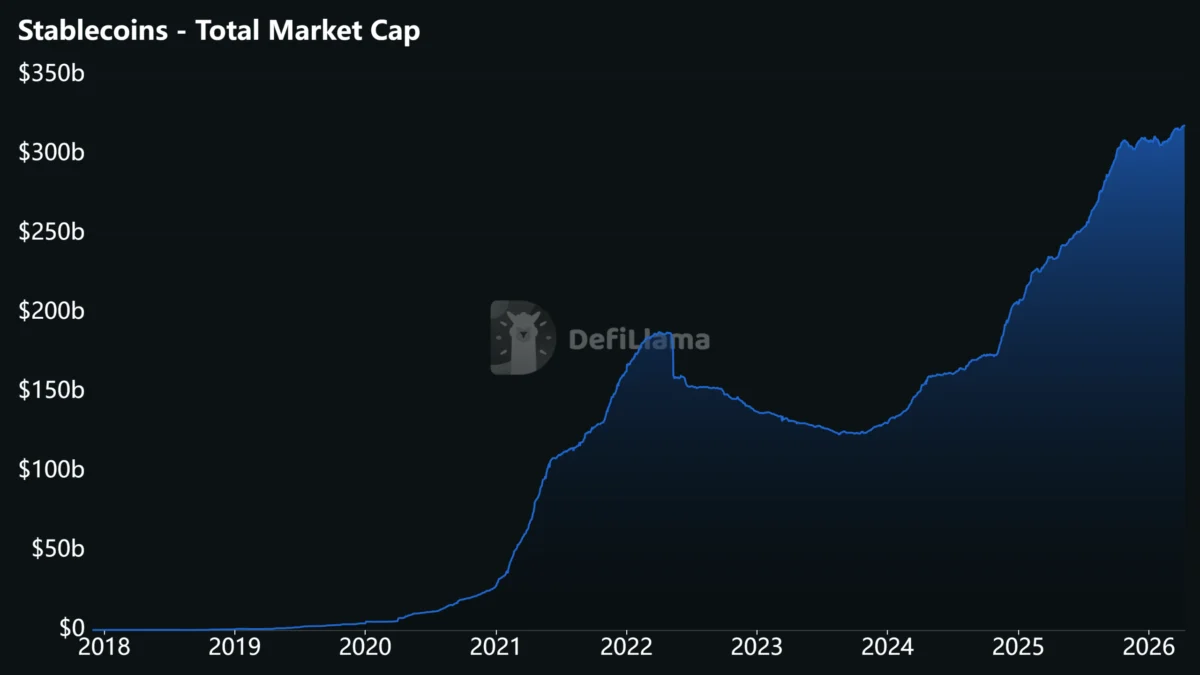
Today’s cryptocurrency landscape is marked by a delicate balance of market optimism and underlying vulnerabilities, with a week-old Bitcoin recovery hanging precariously amidst escalating geopolitical tensions. Concurrently, Europe is making significant strides in integrating stablecoins into its traditional financial infrastructure, spurred by comprehensive regulatory frameworks. However, the digital realm faces a growing concern regarding user privacy, as highlighted by Telegram’s co-founder, Pavel Durov, who warns that push notifications could inadvertently create a backdoor for data breaches. These developments collectively paint a picture of a maturing yet still volatile digital economy, grappling with external macroeconomic pressures, regulatory evolution, and persistent cybersecurity challenges.
Bitcoin’s Precarious Position: Geopolitics and Macroeconomic Headwinds
The recent uplift in Bitcoin (BTC) prices, now approximately a week old, is being critically assessed by market analysts who describe it as "fragile." Nic Puckrin, a prominent crypto market analyst and founder of the Coin Bureau media outlet, underscores the significant headwinds stemming from ongoing geopolitical instability in the Middle East and its subsequent macroeconomic fallout. This fragile recovery comes at a time when global markets are navigating a complex interplay of inflationary pressures, supply chain disruptions, and uncertain monetary policy trajectories.
Puckrin articulated to Cointelegraph that the ramifications of the Middle East conflict are projected to "dominate" market narratives well into 2026, particularly throughout the second quarter. He expressed skepticism regarding the likelihood of imminent interest rate cuts by central banks, suggesting that such easing might not occur until late Q3 or Q4 of 2026, if at all. This outlook directly contradicts earlier market expectations for more aggressive rate reductions, which typically provide a tailwind for risk assets like cryptocurrencies. The Federal Reserve, among other central banks, has maintained a cautious stance on monetary easing, prioritizing inflation control.
Impact of Geopolitical Instability on Inflation and Rates
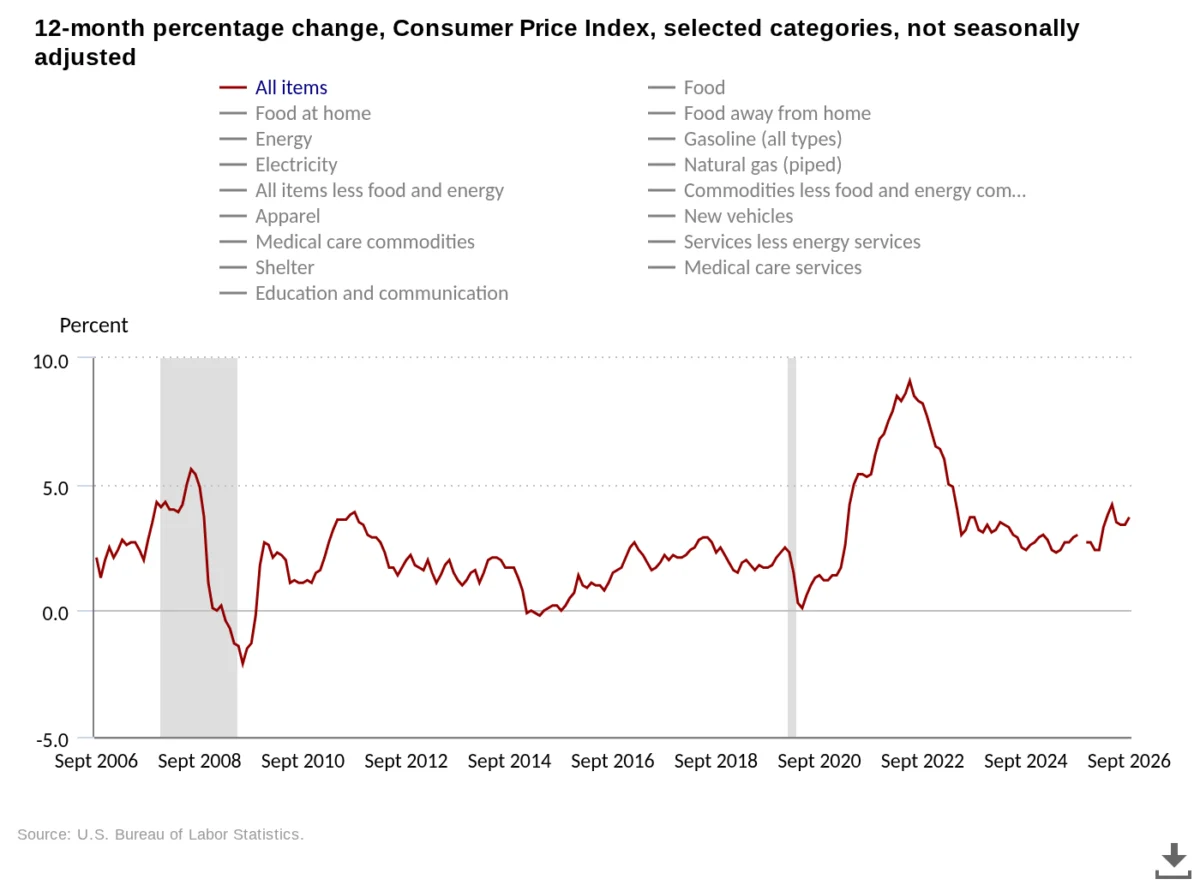
The conflict in the Middle East has had a demonstrable effect on global commodity markets, particularly oil prices. Disruptions to oil supply routes and heightened uncertainty in a key energy-producing region invariably lead to upward pressure on crude oil benchmarks. This energy cost surge translates into broader inflationary spikes across economies, as transportation, manufacturing, and consumer goods become more expensive to produce and distribute. The US Bureau of Labor Statistics (BLS) Consumer Price Index (CPI) report, published on a recent Friday, corroborated this trend, indicating an inflationary uptick that has dampened hopes for further interest rate cuts in 2026.
Historically, central banks utilize interest rate adjustments as a primary tool to manage inflation and stimulate or cool economic activity. Higher interest rates are typically employed to combat inflation by increasing the cost of borrowing, thereby reducing consumer and business spending. Conversely, rate cuts or "credit easing" are designed to stimulate economic growth by making credit more accessible and affordable, which tends to boost asset prices across the board, including equities and cryptocurrencies. With inflation proving more persistent than anticipated, the window for rate cuts narrows, leaving risk assets in a less supportive monetary environment.
Technical Analysis and Market Resistance

From a technical analysis perspective, Bitcoin faces critical junctures. According to Puckrin, a weekly close above the $71,000 mark could signal continued upward momentum for BTC. However, significant resistance is anticipated around the $74,000 level. Resistance levels are price points where an upward trend is expected to pause due to a concentration of selling interest. Furthermore, Bitcoin’s inability to consistently trade above its 200-day exponential moving average (EMA) suggests that the longer-term bullish trend is yet to be firmly re-established. The 200-day EMA is a widely watched technical indicator that often signals the long-term trend of an asset, with prices consistently below it often indicating a bearish or consolidation phase.
The broader cryptocurrency market cap often mirrors Bitcoin’s movements, given its dominance. A sustained recovery in BTC would likely pull the altcoin market along, but a continued struggle below key resistance levels, coupled with the ongoing macroeconomic pressures, could lead to further consolidation or downward corrections. Investors are closely watching central bank rhetoric, geopolitical developments, and key economic data releases for clearer signals regarding future market direction. The interplay between traditional finance and crypto markets has never been more evident, with global events having direct and often immediate impacts on digital asset valuations.
Europe’s Stablecoin Leap: From Strategy to Execution
While Bitcoin navigates turbulent waters, Europe is charting a clearer course for stablecoin integration, transitioning from theoretical exploration to practical implementation. Banks and corporate entities across the continent are no longer merely discussing the potential of stablecoins; they are "actively selecting infrastructure partners" to facilitate their adoption, as observed by Lamine Brahimi, co-founder and managing partner at Taurus, a crypto custody technology provider. This shift signifies a maturation of the European digital asset ecosystem, underpinned by a robust regulatory framework.
Brahimi highlighted the dramatic change in the industry’s approach over the past eighteen months. Previously, conversations predominantly centered on education, focusing on understanding what stablecoins are and the inherent risks associated with them. Today, the dialogue has evolved significantly, with firms, many having secured board-level approval, now actively preparing to launch stablecoin-related services. This accelerated transition is largely attributed to the introduction of the Markets in Crypto-Assets Regulation (MiCA), a landmark legislative package that has replaced a patchwork of fragmented national rules with a unified regulatory regime across the European Union.
MiCA: The Catalyst for Stablecoin Adoption
MiCA, which began its legislative journey in 2020 and was officially approved in 2023, is designed to provide legal certainty for crypto-asset markets within the EU. For stablecoins, MiCA introduces specific classifications and requirements, categorizing them primarily as "e-money tokens" (EMTs) or "asset-referenced tokens" (ARTs), depending on their backing assets and intended use. EMTs are those crypto-assets that purport to maintain a stable value by referencing a single fiat currency, mirroring electronic money under existing EU law. ARTs, on the other hand, aim to maintain a stable value by referencing any other value or right, or a combination thereof, including one or several fiat currencies, commodities, or other crypto-assets.
The regulation imposes stringent requirements on issuers of stablecoins, including robust governance arrangements, capital requirements, redemption rights for holders, and comprehensive disclosure obligations. These provisions aim to ensure consumer protection, market integrity, and financial stability. The phased implementation of MiCA means that rules for stablecoins (EMTs and ARTs) are set to become applicable from June 2024, providing a clear regulatory runway for institutions. This clarity has been a crucial factor in building trust among traditional financial institutions, which previously hesitated due to regulatory ambiguity and potential compliance risks.
Integrating Digital Assets into the Banking Stack

Brahimi emphasized the growing consensus among Europe’s most stringent financial institutions: "digital assets, including stablecoins, belong inside the existing banking stack, not beside it." This statement encapsulates a fundamental shift in perspective, moving away from viewing crypto as a peripheral or alternative financial system to integrating it directly into established banking operations. This integration promises to leverage the benefits of blockchain technology within a regulated, familiar environment.
The demand for stablecoin solutions is significantly driven by corporate treasury teams. Initially, their focus was primarily on payments and settlement, seeking to harness stablecoins’ inherent advantages for these functions. Companies are increasingly recognizing the potential of stablecoins to facilitate faster fund movements, significantly reduce transaction costs, and enable operations outside traditional banking hours. The 24/7 nature of blockchain networks, combined with the stability of stablecoins, offers a compelling alternative to conventional cross-border payments and intra-company settlements, which can often be slow, costly, and subject to banking hours.
Market Growth and Future Outlook
The stablecoin market has seen substantial growth globally, with its market capitalization expanding considerably. Platforms like DefiLlama track this growth, illustrating the increasing adoption and liquidity within the stablecoin ecosystem. This expansion reflects a broader acceptance of digital assets as a viable medium of exchange and a store of value, particularly for institutional use cases. With MiCA providing a clear regulatory framework, Europe is poised to become a leading jurisdiction for regulated stablecoin issuance and adoption. This could attract further investment and innovation in the region, fostering a more competitive and efficient financial landscape. The ability to conduct instant, low-cost, and transparent transactions through stablecoins could revolutionize various sectors, from international trade finance to supply chain management.
Push Notifications: A Covert Threat to User Privacy
In stark contrast to the advancements in financial technology, the very tools designed to enhance user convenience are now raising serious privacy alarms. Pavel Durov, the co-founder of the Telegram messaging application, has issued a stern warning regarding the potential for push notifications to compromise user privacy. He argues that data stored in push notification logs on users’ devices could be exploited to breach privacy and gain unauthorized access to message histories, even for applications designed with robust end-to-end encryption.
Durov’s warning was prompted by recent reports detailing how forensic analysts at the US Federal Bureau of Investigation (FBI) were able to retrieve messages sent on Signal, a messaging application widely lauded for its privacy-preserving features. The FBI reportedly achieved this by accessing push notification system logs on an Apple iPhone. This incident underscores a critical vulnerability: while the content of messages might be end-to-end encrypted, the metadata and partial content displayed in push notifications, when logged by the operating system, can still expose sensitive information.
The Mechanism of the Breach
Push notifications are a fundamental feature of modern smartphones, designed to deliver real-time alerts and snippets of information from applications without requiring the user to open the app. When a message is received, the messaging app sends a request to the device’s operating system (OS) – via services like Apple Push Notification Service (APNs) for iOS or Google Cloud Messaging (GCM) for Android – to display a notification. Even if a user has configured their app to hide message previews on the lock screen, the underlying OS might still log a certain amount of information about that notification. This logged data can include sender information, timestamps, and sometimes even truncated message content, which is generated before the encryption layers are fully applied or after they are decrypted for display.

The crucial point highlighted by Durov is that "turning off notification previews won’t make you safe if you use those applications, because you never know whether the people you message have done the same." This implies a systemic vulnerability that extends beyond individual user settings. If an OS logs notification data, and law enforcement or other malicious actors gain access to the device (e.g., through a warrant, physical seizure, or sophisticated malware), they could potentially reconstruct aspects of communication histories, even if the messages themselves were transmitted with end-to-end encryption. This means that even deleted messages might leave a trace in system logs, making the "deleted" status misleading.
End-to-End Encryption vs. System-Level Vulnerabilities
End-to-end encryption (E2EE) is a cryptographic method designed to secure communication so that only the sender and intended recipient can read the messages. It ensures that no third party, including the service provider, can access the content. However, E2EE primarily protects data in transit and at rest within the application’s secure storage. The vulnerability exposed by the push notification logs demonstrates that information generated outside the application’s core encryption process, at the operating system level, can bypass these protections.
This incident reignites the broader debate about digital privacy, government surveillance, and the responsibility of technology companies. While app developers strive to implement strong encryption, they often rely on the underlying operating systems for core functionalities like notifications. This creates a dependency where OS-level logging practices can inadvertently undermine the privacy guarantees offered by applications.
Implications and User Recommendations
The implications of this vulnerability are far-reaching. It suggests that users cannot fully rely on app-level privacy features if the underlying device’s operating system maintains logs that can be forensically extracted. This poses a significant challenge for privacy-focused messaging apps that promise confidentiality. It also highlights the constant cat-and-mouse game between security measures and methods of circumvention.
For users, this revelation underscores the importance of a multi-layered approach to digital privacy. While turning off notification previews is a good practice, it may not be sufficient. Other recommendations include:
- Device Security: Employing strong passcodes and biometrics to prevent unauthorized physical access to devices.
- Software Updates: Keeping operating systems and applications updated to patch known vulnerabilities.
- Awareness: Understanding the data logging practices of both operating systems and applications.
- Ephemeral Messaging: Utilizing features that automatically delete messages after a certain period, if available and truly effective against system logs.
- Considering Device Origin: Being aware that different operating systems and device manufacturers might have varying approaches to data logging and privacy.
The Telegram co-founder’s warning serves as a crucial reminder that true digital privacy requires vigilance at every layer of the technology stack, from the application to the operating system and the physical device itself. The ongoing tension between convenience, security, and privacy will continue to shape the development and use of digital communication tools for the foreseeable future.