
 Reynand Wu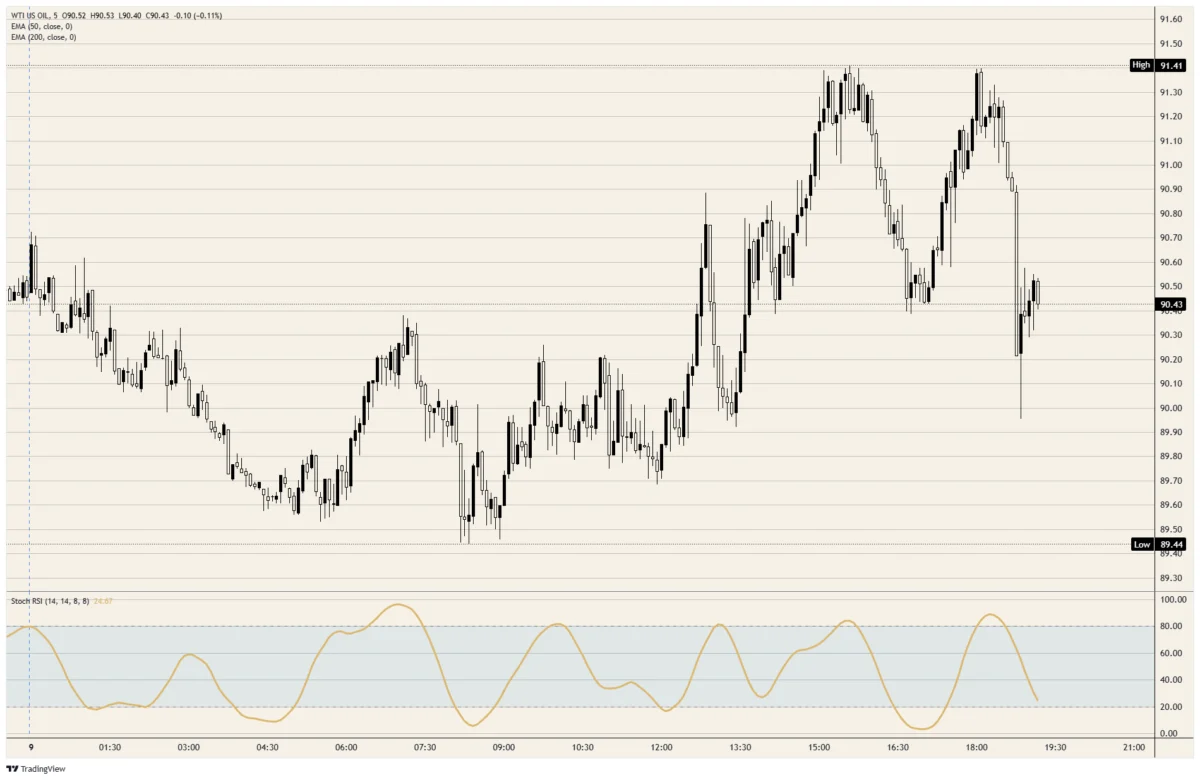
The initial commitment of 300,000 tons of diesel translates to approximately 2.2 million barrels, a volume that represents slightly more than half a day’s worth of the United States’ substantial demand for distillate fuels, a category predominantly comprising diesel. This announcement marks the second major initiative undertaken by President Trump within a week to bolster global diesel supplies, following a previous successful appeal to European Union countries on October 2nd, which resulted in an agreement to release strategic diesel stockpiles in response to his request.
Unpacking the Regulatory Framework: General License 135
Crucial to the execution of this new supply agreement was the swift action taken by the U.S. Treasury’s Office of Foreign Assets Control (OFAC). On the same day as the presidential announcement, OFAC issued General License 135. This pivotal regulatory instrument explicitly authorizes the sale and import of Russian-origin diesel, including its entry into the United States, with an effective period extending until April 7, 2027.
OFAC, a powerful financial intelligence and enforcement agency of the U.S. Treasury Department, administers and enforces economic and trade sanctions based on U.S. foreign policy and national security goals. The issuance of a general license by OFAC is a standard mechanism used to authorize categories of transactions that would otherwise be prohibited under specific sanctions programs. In this context, General License 135 effectively creates a carve-out or exemption, permitting transactions involving Russian diesel that might otherwise be viewed with caution or face direct restrictions due to the broader geopolitical climate and existing U.S. sanctions against various Russian entities and sectors.
The multi-year duration of General License 135 underscores a strategic intent to ensure sustained access to these supplies, signaling a long-term commitment to leveraging Russian diesel to address potential market shortfalls and price volatility. This regulatory maneuver highlights a complex balancing act between geopolitical considerations and the immediate economic imperative of securing critical energy resources.
Market Repercussions: Diesel Futures and Crude Oil Dynamics
The news of the impending Russian diesel shipments had an almost immediate and discernible impact on energy markets. New York diesel futures, which had seen recent fluctuations, dropped significantly after the announcement, settling near $4.67 a gallon. This decline largely erased the gains observed during the previous trading session, indicating a market reaction driven by the anticipation of increased supply.
To put this in perspective, $4.67 a gallon translates to approximately $196 a barrel. When compared against West Texas Intermediate (WTI) crude oil, which was trading near $90.50 a barrel at the time, this reveals a substantial margin for U.S. refiners—exceeding $100 per barrel for the diesel they produce. This "crack spread," or the difference between the price of crude oil and the refined products derived from it, is a key indicator of refiner profitability. High crack spreads incentivize refiners to increase output, but also contribute to higher prices for consumers. The introduction of Russian cargoes into the U.S. market creates new competition for domestically refined diesel. A smaller margin, resulting from increased supply and competitive pricing, inherently reduces the incentive for refiners to pay a premium for WTI crude, thereby potentially exerting downward pressure on crude oil prices as well.
Indeed, the impact wasn’t limited to diesel futures. Spot WTI crude oil also reacted to the announcement, experiencing a sharp decline from nearly $91.00 to just under $90.00 within two five-minute trading bars immediately following the news. This movement effectively pared back approximately three-quarters of WTI’s earlier climb from its session low of just under $89.50. The drop occurred after WTI had twice attempted to breach the $91.50 resistance level, suggesting that the supply news provided the catalyst for a reversal in momentum.
Technical Market Overview
Following the initial drop, WTI crude recovered slightly to trade near $90.50, positioning itself in the middle of the session’s trading range, which fluctuated between $89.50 and $91.50. Intraday momentum indicators for WTI reflected the swift shift in market sentiment, moving from an overbought condition to near oversold territory during the decline, and continuing to fall, indicating sustained selling pressure or a lack of immediate buying interest. This technical posture suggests that while the market absorbed the immediate shock of the supply news, underlying bearish sentiment could persist in the short term, influenced by the prospect of additional crude and refined product entering the global supply chain.
The Broader Context: Global Energy Security and Inflationary Pressures
The drive to secure additional diesel supplies, particularly from a non-traditional source like Russia amidst existing geopolitical tensions, underscores a broader global concern regarding energy security and the persistent threat of inflation. Diesel is not merely a fuel for vehicles; it is the lifeblood of global commerce and industry. Trucking, shipping, agriculture, construction, and backup power generation all rely heavily on diesel. Disruptions to its supply or significant price increases can ripple through entire economies, leading to higher transportation costs, increased food prices, and inflationary pressures across various sectors.
Prior to these recent moves, global energy markets had been grappling with a confluence of factors contributing to elevated prices. Post-pandemic economic recovery led to surging demand, while supply chains struggled to keep pace. Geopolitical events, including regional conflicts and sanctions, further exacerbated concerns about the stability and availability of energy resources. Inventory levels for distillate fuels, particularly in key consuming regions like the United States and Europe, had been observed to be tighter than historical averages, contributing to market anxiety.
The U.S. Energy Information Administration (EIA) and the American Petroleum Institute (API) regularly publish weekly inventory reports that are closely watched by market participants. A significant draw in distillate inventories, for instance, signals robust demand or constrained supply, often leading to upward price pressure. Conversely, builds in inventories can indicate softening demand or ample supply, pushing prices lower. The anticipation of substantial new supply, such as the Russian diesel, directly addresses these inventory concerns and aims to alleviate market tightness.

A Chronology of Recent Diesel Initiatives
The agreement with Russia follows closely on the heels of another significant effort by the Trump administration to bolster diesel supplies. Just days earlier, on October 2nd, European Union countries collectively agreed to a French proposal to release strategic diesel stockpiles. This coordinated action, reportedly initiated at President Trump’s request, highlighted a concerted international effort to manage distillate fuel availability and pricing. These consecutive actions underscore the perceived urgency of the situation and the administration’s proactive approach to energy market stabilization.
The sequence of events suggests a focused strategy: first, leveraging diplomatic ties with allies to tap into existing strategic reserves, and then, engaging directly with a major global energy producer like Russia to secure additional commercial supplies. This multi-pronged approach demonstrates an attempt to inject both immediate relief and a more sustained supply stream into the market.
Geopolitical Implications: A Delicate Balance
The decision to import Russian diesel, even under specific licenses, carries significant geopolitical weight. Russia is a vital member of OPEC+, an expanded group of oil-producing nations that includes OPEC members and ten non-OPEC countries, most notably Russia. OPEC+ decisions on production quotas have a profound impact on global oil prices and supply dynamics. Russia’s role within this group, and its status as one of the world’s largest oil and gas producers, gives it considerable leverage in global energy markets.
For the United States, engaging in such a significant energy trade with Russia could be interpreted in various ways by international allies and adversaries. On one hand, it demonstrates a pragmatic approach to energy security, prioritizing economic stability and consumer welfare by accessing available supplies, regardless of their origin, under specific, authorized conditions. On the other hand, it raises questions about the consistency of foreign policy, particularly concerning broader U.S. efforts to isolate or sanction Russia in other contexts. The issuance of General License 135 implicitly acknowledges the strategic importance of Russian energy supplies to global market stability, even as other aspects of U.S.-Russia relations remain strained.
The deal could be seen as a temporary strategic alliance of convenience, driven by immediate economic necessities. It highlights the complex interdependence of global energy markets, where even nations with strained political relations may find common ground in addressing fundamental economic challenges. The long-term implications for U.S.-Russia relations, and how this energy agreement might influence future diplomatic engagements or sanctions policies, will be closely watched by international observers.
Economic Relief and Consumer Impact
The primary objective behind securing these additional diesel supplies is to alleviate economic pressure. High diesel prices directly translate to higher operational costs for businesses across numerous sectors. Trucking companies face increased fuel bills, which are then passed on to consumers through higher prices for goods. Farmers see their input costs rise, impacting food production expenses. Construction projects become more expensive, and industries relying on heavy machinery or backup generators face greater financial burdens.
By increasing the supply of diesel, the administration aims to cool off prices, thereby mitigating inflationary pressures. Lower diesel prices could lead to reduced transportation costs, potentially translating into more affordable goods and services for consumers. This relief could be particularly impactful for households already struggling with the rising cost of living. The substantial volume of diesel committed by Russia, especially the prospective 1 million tons, suggests a potential for meaningful price stabilization if these shipments materialize consistently.
Furthermore, a more stable and predictable diesel supply contributes to greater economic certainty, allowing businesses to plan more effectively and reducing the risk of supply chain disruptions that could stifle economic growth.
The Role of the U.S. Dollar in Oil Pricing
It is also important to consider the role of the U.S. Dollar in the pricing of WTI crude oil and other energy commodities. Oil is predominantly traded in U.S. Dollars on international markets. Consequently, the value of the U.S. Dollar can significantly influence the effective price of oil for countries using other currencies. A stronger U.S. Dollar makes oil more expensive for international buyers holding weaker currencies, potentially dampening demand. Conversely, a weaker U.S. Dollar can make oil more affordable, potentially stimulating demand and pushing up dollar-denominated prices. While not directly linked to the Russian diesel deal, the interplay between the dollar’s strength and oil prices is a constant backdrop in global energy market analysis, adding another layer of complexity to price dynamics.
Conclusion: A Pragmatic Step in a Complex World
The announcement of Russian diesel supplies to the U.S. and global markets, facilitated by a specific OFAC license, represents a pragmatic and assertive step by the Trump administration to address immediate energy security and inflationary concerns. While the economic imperative to stabilize diesel prices and secure critical supplies is clear, the geopolitical dimensions of engaging in such a significant trade with Russia are equally profound.
This move underscores the intricate web of global energy interdependence, where economic necessities can sometimes supersede political divergences. The immediate market reactions suggest that the announcement has had its intended effect of signaling increased supply, leading to a moderation in diesel futures and a pullback in crude oil prices. As the promised shipments begin to arrive, the focus will shift to their consistent delivery and their long-term impact on global energy markets, consumer prices, and the broader landscape of international relations. The delicate balancing act between energy security, economic stability, and geopolitical alignment remains a defining characteristic of this complex global energy environment.








