Putri Inara
The digital publishing landscape is increasingly defined by a critical, high-stakes moment of interaction: the split-second decision a user makes when encountering a headline. As the volume of global data continues to expand, the strategic importance of the blog post title has evolved from a mere label into a sophisticated tool of psychological engagement and search engine optimization. Industry data suggests that while eight out of ten people will read a headline, only two out of ten will proceed to read the actual article. This disparity underscores a fundamental reality in digital marketing: the title is the primary determinant of a post’s destiny, serving as the bridge between obscurity and viral distribution.
The Architecture of Digital First Impressions
In the modern attention economy, titles function as the "packaging" of intellectual property. They appear across a diverse array of digital environments, including RSS feeds, social media timelines, search engine results pages (SERPs), and internal site archives. In each of these contexts, the title often stands alone, stripped of the supporting context provided by the body text or accompanying graphics. Consequently, a title that is overly complex, ambiguous, or uninspired can render high-quality content invisible to its intended audience.
The foundational philosophy of modern headline construction remains rooted in the principles established by David Ogilvy, often referred to as the "Father of Advertising." Ogilvy famously posited that the sole purpose of a headline is to compel the reader to engage with the first line of the content. This "slippery slope" effect begins with a captivating title that creates a psychological "itch" that only the subsequent content can scratch. In a contemporary setting, this principle is augmented by the technical requirements of algorithmic discovery, creating a dual-layered challenge for content creators: appealing to human psychology while satisfying machine-learning parameters.
Historical Context and the Evolution of Copywriting
The transition from print to digital media has fundamentally altered the chronology of headline development. In traditional journalism, headlines were often written by specialized sub-editors after the story was completed, focusing on brevity and "punchiness" suitable for physical newsstands. The digital era, however, has introduced a more iterative process where the title is often conceptualized alongside the content to ensure thematic alignment and SEO viability.

By the mid-2000s, the rise of blogging platforms necessitated a shift toward "search-friendly" titles. The period between 2010 and 2015 saw the emergence of "clickbait" structures characterized by extreme emotional appeals and the "curiosity gap." However, as search engines like Google refined their algorithms to prioritize user intent and content quality, the industry has moved toward a "post-clickbait" era. Today, the most effective titles are those that balance high-impact "power words" with a clear, honest promise of value, reflecting a more mature and discerning digital audience.
Quantitative Analysis of Headline Efficacy
Data-driven insights from content marketing platforms such as BuzzSumo and HubSpot provide a clear picture of what constitutes a high-performing title. Analysis of millions of headlines reveals several consistent trends regarding engagement and click-through rates (CTR).
- The Power of Numerals: Headlines containing numbers—specifically odd numbers—tend to generate 20% more clicks than those without. This is attributed to the brain’s preference for organized, "snackable" information.
- Optimal Length: For search engines, titles are typically truncated after 65 characters. However, for social media sharing, headlines between 8 and 12 words tend to receive the most consistent engagement.
- The "You" Factor: Titles that utilize second-person pronouns (you, your) see a significant increase in click-through rates, as they trigger the self-referencing effect, a psychological phenomenon where individuals remember and engage more with information that relates to them personally.
Strategic Methodologies for Title Construction
To navigate the complexities of the digital attention span, expert practitioners employ several distinct strategies to craft headlines that resonate. While not every technique is applicable to every post, a combination of these approaches can significantly enhance a post’s reach.
Communication of Tangible Benefits
The most reliable method for securing a reader’s attention is the clear articulation of a benefit. Titles that identify a specific pain point and promise a solution—such as "How to Reduce Operational Costs" or "10 Ways to Improve Sleep Quality"—appeal directly to the reader’s self-interest. This "utility-first" approach is particularly effective for long-tail search traffic, as it aligns closely with the way users phrase queries in search engines.
The Use of Keywords and SEO Integration
From a technical standpoint, the placement of keywords is paramount. Research indicates that placing the primary keyword at the beginning of the title (front-loading) improves search rankings and helps users quickly identify the relevance of the content. For example, a post about "Digital Photography" is more effective when the title begins with those words rather than burying them at the end of a long sentence.

Psychological Triggers: Controversy and Questions
Human curiosity is a powerful driver of engagement. Titles that pose a provocative question or challenge a common assumption create an information gap that the reader feels compelled to close. However, analysts warn that controversy must be handled with care; if the content fails to provide a substantive argument to back up a controversial title, the publisher risks damaging their long-term credibility.
The Impact of Power Words
Certain words carry a higher emotional weight and can trigger immediate visceral responses. Terms like "Critical," "Proven," "Essential," and "Secret" suggest a level of exclusivity or urgency. While effective, the use of these "power words" must be balanced against the risk of appearing sensationalist. Overuse can lead to "headline fatigue," where readers become desensitized to hyperbolic language.
Expert Perspectives and Industry Standards
Marketing analysts and SEO consultants emphasize that the "destiny" of a post is often decided during the final review of the headline. "A title is a contract between the creator and the consumer," states one senior digital strategist. "If you break that contract by over-promising and under-delivering, you might get the click today, but you lose the reader forever."
This sentiment is echoed by editorial boards across major news outlets, which have increasingly adopted "A/B testing" for headlines. This process involves showing two different versions of a title to small segments of an audience to see which performs better before rolling out the winner to the entire subscriber base. This data-centric approach has largely replaced the "gut feeling" method of traditional editing.
Technical Constraints and Formatting Standards
Beyond the psychological and strategic elements, several technical "rules of thumb" govern modern headline writing. The avoidance of terminal punctuation—specifically periods—is a widely accepted standard. Periods act as a visual "stop sign," potentially halting the reader’s momentum before they can move into the body text. Conversely, the use of colons and dashes can help structure a title to include both a catchy hook and a descriptive, keyword-rich subtitle.
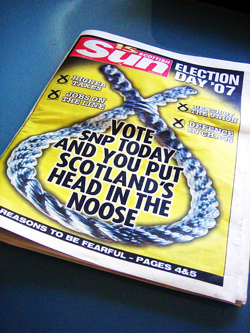
Furthermore, the rise of mobile browsing has necessitated shorter, more impactful titles. With over 50% of web traffic now occurring on mobile devices, titles must be readable on small screens where vertical space is at a premium and attention spans are further compressed by notifications and other distractions.
Broader Impact and Future Implications
The evolution of the blog post title reflects a broader shift in how information is consumed in the 21st century. As artificial intelligence and voice search become more prevalent, the nature of the "headline" may change again. Voice-activated assistants, for instance, often read back only the most relevant title from a search result, placing even more pressure on creators to be concise and accurate.
The long-term implication for digital publishers is clear: the title is no longer an afterthought but a core component of the content’s value proposition. In an era of infinite scroll and algorithmic curation, the ability to craft a headline that is both human-centric and machine-readable is a vital skill. Those who master the art of the title will find their content "setting the internet ablaze," while those who rush the process risk their work languishing in the digital archives, unread and unnoticed. The investment of time into those few words at the top of a page remains the most cost-effective way to ensure the success of any digital publication.