Putri Inara
The Economic Landscape of Modern Digital Publishing
The contemporary blogging industry operates within a stratified economic framework. At one end of the spectrum, marketing narratives frequently highlight "overnight" successes, often used as promotional tools for products or services designed to teach monetization. At the opposite end, critics argue that the market is over-saturated, suggesting that full-time blogging is either a statistical anomaly or a facade maintained by those selling the dream of online wealth.
Professional analysis indicates that the truth lies in the "middle ground" of these two extremes. Industry data suggests that blogging has moved beyond the "make money online" niche, with significant revenue being generated in categories such as fashion, food, travel, and specialized hobbies. However, the transition from a digital diary to a commercial enterprise requires a shift in perspective from creative expression to strategic business management.
Statistical Analysis of Blogger Earnings and Sustainability
A comprehensive survey of 1,508 active bloggers provides a granular look at the financial realities of the industry. The data reveals a significant "long tail" distribution, where the majority of participants earn modest amounts, while a small percentage of elite creators capture the bulk of the market value.
According to the findings:
- The High-Earning Tier: Approximately 4% of surveyed bloggers (65 individuals) reported earnings exceeding $10,000 per month, placing them in a high-income bracket that surpasses many traditional corporate salaries.
- The Professional Tier: An additional 9% of respondents earned more than $1,000 per month, representing a significant part-time income or a foundational full-time salary in various global regions.
- The Emerging Tier: A total of 13% of the cohort reached a level of monetization that suggests a viable business model.
- The Majority Experience: Conversely, 63% of those attempting to monetize earned less than $3.50 per day. Within this group, 10% reported zero earnings, and 28% earned less than 30 cents per day.
This data underscores the reality that while the "ceiling" for blogging income is remarkably high, the "floor" is where the vast majority of creators reside. The disparity is often attributed to the age of the blog, the niche selected, and the level of professionalization applied to the content.
A Chronological Evolution: From Hobby to Enterprise
The trajectory of successful blogging is rarely linear and almost never instantaneous. Historical data from veteran publishers, including ProBlogger founder Darren Rowse, suggests a specific timeline for growth. Rowse, who entered the field in 2002—a period when the infrastructure for digital monetization was still in its infancy—noted that his initial earnings were negligible.
The chronological development of a profitable blog typically follows this pattern:

- Phase One (0-12 Months): Initial content creation with little to no financial return. This period is characterized by audience building and technical setup.
- Phase Two (12-24 Months): The introduction of basic monetization (ads, affiliate links) resulting in gradual, incremental increases in daily revenue.
- Phase Three (2-4 Years): Reaching a "part-time job" equivalent income. At this stage, the brand begins to gain authority in its niche.
- Phase Four (4+ Years): The potential for "full-time" or "high-tier" income.
The survey data supports this timeline, revealing that 85% of bloggers in the top income bracket (earning over $10,000 per month) had been publishing for at least four years. This suggests that "longevity" is one of the most reliable predictors of financial success in the digital space.
Diversification of Revenue Streams
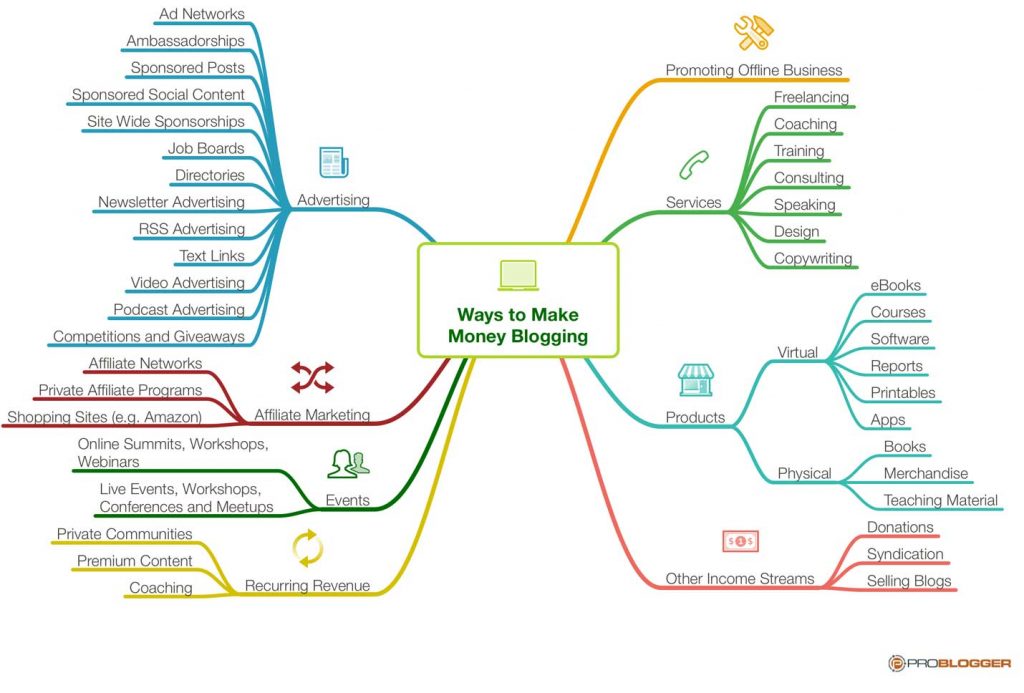
One of the most significant findings in the study of profitable blogs is the absence of a singular "formula" for monetization. Instead, successful creators utilize a "Money Map" of diversified income streams to ensure stability against market fluctuations.
Commonly utilized revenue models include:
- Direct Advertising and Sponsorships: Selling space on the site or creating branded content for corporate partners.
- Affiliate Marketing: Earning commissions by recommending third-party products to a loyal audience.
- Digital Products: Developing and selling e-books, online courses, or software.
- Membership Models: Creating "gated" content or communities for a recurring subscription fee.
- Services and Speaking: Leveraging the blog’s authority to secure consulting contracts or public speaking engagements.
Case studies of successful Australian bloggers illustrate this diversity. For instance, creators like Brenda Janschek (Health and Lifestyle) and Lucy Knott (The Design Files) utilize different combinations of these streams. While one might rely heavily on brand collaborations, another may find success through digital product sales or offline business promotion.
The Myth of the "Make Money Online" Niche
A persistent criticism of the blogging industry is the claim that the only way to make money is by teaching others how to blog. However, market evidence contradicts this. Some of the most profitable digital properties operate in "everyday" niches.
Analysis of the Digital Photography School blog, for example, shows it to be significantly more profitable than sites dedicated to the "business of blogging" itself. Other high-earning niches include:
- Woodworking and DIY: Exemplified by creators like Ana White, who monetized through specialized plans and project tutorials.
- Simple Living and Wellness: Creators like Tsh Oxenreider and Sarah Wilson have built global brands around lifestyle philosophies.
- Food and Parenting: Platforms like Kidspot and Fat Mum Slim demonstrate how high-traffic niches can attract significant corporate advertising spend.
These examples prove that the most sustainable blogs are those that provide tangible value, solve problems, or offer unique inspiration to a specific, non-marketing-related audience.
The Operational Pillars of Profitable Content
To transition from a casual blogger to a professional publisher, creators must focus on four operational pillars. Industry experts agree that failure in any one of these areas typically prevents a blog from reaching the professional income tier.
1. High-Value Content Creation
The foundation of any profitable blog is content that is original, helpful, and engaging. In an era of AI-generated content and information overload, "uniqueness" has become a premium commodity.
2. Audience Acquisition (Finding Readers)
Content alone is insufficient. Successful bloggers must master search engine optimization (SEO), social media distribution, and networking to ensure their work reaches its intended audience.
3. Community Engagement
Building a loyal readership is more valuable than temporary traffic spikes. Engagement involves fostering a sense of community, responding to comments, and building an email list to maintain direct contact with the audience.
4. Strategic Monetization
Monetization must be integrated thoughtfully. Over-advertising can alienate readers, while under-monetizing can lead to creator burnout. The most successful bloggers treat monetization as a way to provide further value to their readers through recommended tools or deep-dive educational products.
Broader Implications and Industry Outlook
The rise of the professional blogger has significant implications for the broader media landscape. Traditional publishing houses now compete with independent creators for advertising dollars and audience attention. This decentralization of media has lowered the barrier to entry for diverse voices but has also placed the burden of "business operations" squarely on the shoulders of the creator.
The "Passive Income" narrative, often associated with blogging, is largely a misnomer. Observations of full-time bloggers indicate that they often work more hours than traditional employees, particularly in the areas of community management, technical maintenance, and content production. The "freedom" associated with blogging is typically a freedom of autonomy rather than a freedom from labor.
In conclusion, while the majority of bloggers do not achieve a full-time income, the sector remains a viable path for those willing to commit to a multi-year development phase. Success in blogging is characterized by a blend of creative persistence and rigorous business strategy. As the digital economy continues to mature, the distinction between "blogging" and "digital publishing" will likely continue to blur, with the most successful creators operating as sophisticated, multi-platform media brands.