Gilang Muhammad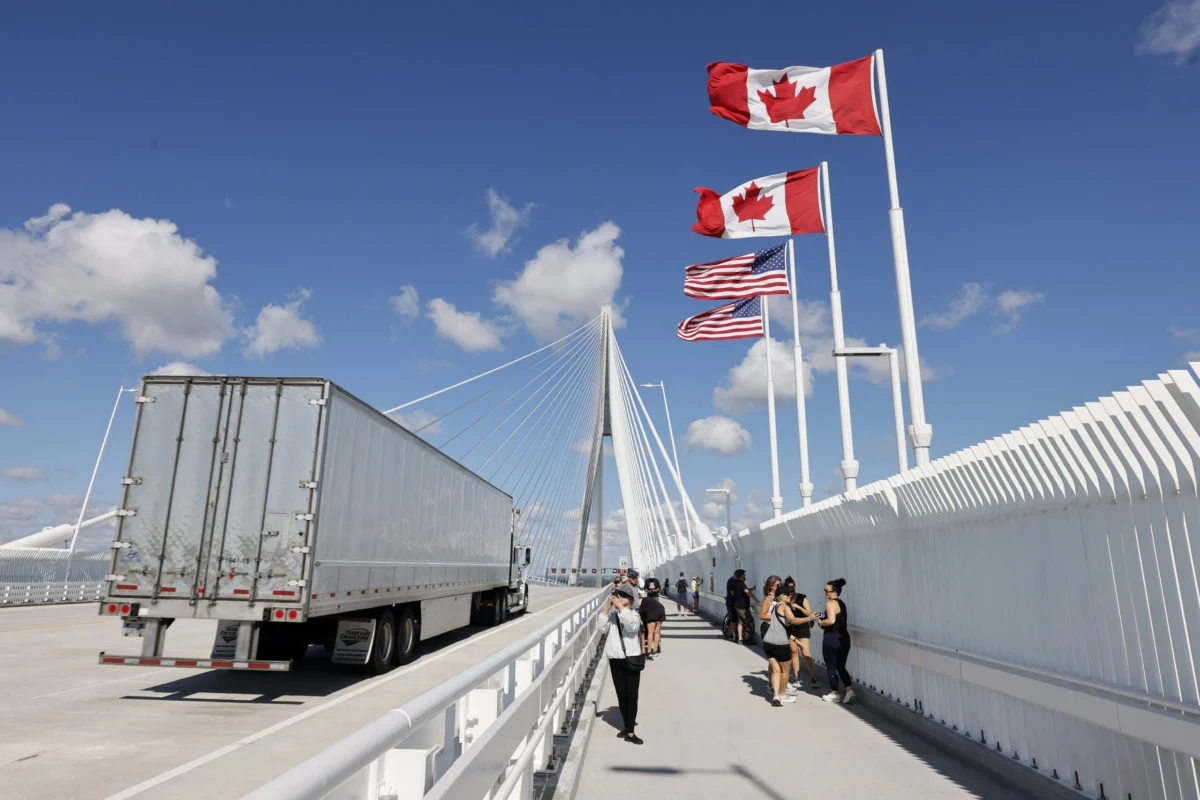
Ottawa has officially implemented a wide array of retaliatory tariffs on goods imported from the United States, marking a significant escalation in the increasingly acrimonious trade dispute between the two long-standing allies. The punitive duties, which took effect on Tuesday, are a direct "dollar for dollar" response to recent U.S. levies and threaten to further strain an economic relationship historically defined by seamless cross-border commerce. This latest move follows the collapse of high-stakes trade negotiations last month, leaving a diplomatic vacuum that has quickly been filled by protectionist measures.
The Scope of Canada’s New Tariffs
The newly enacted Canadian tariffs target hundreds of U.S. products, encompassing a vast economic footprint valued at CA$27.6 billion (approximately US$20.2 billion). The rates for these duties range significantly, from 15% to a steep 50%, reflecting a calculated strategy by Ottawa to maximize pressure on key U.S. industries and politically sensitive sectors.
Among the goods hit with the highest 50% tariff rate are crucial categories such as furniture, recreational motorbikes, various clothing items, and select beauty products. This significant increase aims to deter Canadian consumers and businesses from purchasing these U.S.-made items, forcing a shift towards domestic or alternative international suppliers. The impact on consumers is expected to be noticeable, with prices for these goods likely to rise considerably, potentially curbing demand and affecting Canadian retailers heavily reliant on U.S. imports.
Furthermore, Canada has doubled its existing counter-tariffs on U.S. steel, aluminum, and iron products, elevating them to a formidable 50%. This particular escalation revisits an earlier point of contention in the trade relationship, where U.S. national security tariffs on these metals first ignited a cycle of retaliatory measures in 2025. The move underscores Canada’s resolve to protect its domestic metals industries, which have long argued that U.S. tariffs distort market dynamics and undermine the integrated North American supply chain.
Beyond these high-tariff categories, a broader swathe of U.S. agricultural and manufactured goods is also subject to new duties. Dairy products, a perennially sensitive sector in both countries’ trade policies, face new levies, as do various types of agricultural equipment, paper products, household appliances, and electronics. This comprehensive approach ensures that the economic pain is felt across multiple U.S. states and industries, aiming to generate domestic pressure within the United States for a resolution to the trade dispute. The inclusion of diverse product categories, from everyday consumer goods to specialized industrial equipment, highlights the pervasive nature of this latest tariff offensive.
The Preceding U.S. Action and Collapsed Negotiations
Canada’s current retaliatory measures are a direct response to the U.S. imposition of new 50% tariffs on approximately $20 billion worth of Canadian goods on August 22. These U.S. levies targeted iconic Canadian exports, including wine and hockey sticks, alongside other key goods. Crucially, these U.S. tariffs were enacted under the authority of a Depression-era law, a rarely cited statute that grants the executive branch broad powers to impose trade restrictions. The invocation of such an obscure and powerful law signals the depth of the U.S. administration’s commitment to its protectionist agenda.
The imposition of these U.S. tariffs came mere hours after what were described as frantic, last-minute trade talks between Washington and Ottawa spectacularly collapsed. Both sides have since offered conflicting accounts of the negotiations, with officials repeatedly accusing each other of introducing "untenable last-minute changes" to what was believed to be a nearly finalized deal. This mutual finger-pointing has further eroded trust and made de-escalation significantly more challenging. The inability to reach a consensus underscores the fundamental disagreements that have plagued the bilateral trade relationship, particularly concerning market access, subsidies, and the overall framework for future trade.
A History of Escalation: Tracing the Trade Tensions

The current trade hostilities are not an isolated incident but rather the latest chapter in an ongoing saga of escalating protectionism that began well over a year ago. The "U.S. global tariff offensive," initiated in April 2025, marked a turning point. At that time, the U.S. imposed broad tariffs on steel and aluminum imports from various countries, including Canada, citing national security concerns under Section 232 of the Trade Expansion Act of 1962. Canada, a close military ally and integral part of North American defense, viewed these tariffs as a betrayal and immediately responded with its own set of counter-tariffs on U.S. goods, including a 25% duty on politically sensitive automotive components. These existing Canadian counter-tariffs, particularly those impacting the autos sector, remain firmly in place, compounding the current economic pressures.
The automotive sector is particularly vulnerable, given the highly integrated supply chains that crisscross the U.S.-Canada border. Any disruptions to this sector have far-reaching implications for manufacturing jobs and economic stability in both countries. The imposition of tariffs on steel and aluminum, crucial inputs for vehicle production, had already introduced significant uncertainty and increased costs for manufacturers on both sides of the border.
The period following April 2025 saw sporadic attempts at negotiation interspersed with further threats and minor skirmishes. However, the comprehensive nature of the U.S. tariffs in August 2026, targeting a wider range of Canadian goods and invoking a powerful older law, signaled a significant deepening of the dispute. This move appears to have exhausted Ottawa’s patience for further negotiation without firm commitments, prompting the current decisive retaliatory action.
Political Fallout and the Bombardier Controversy
Adding another layer of political complexity to the escalating trade war, President Donald Trump publicly called for a boycott of Canadian airplane manufacturer Bombardier on Monday, just a day before Canada’s tariffs took effect. In a strongly worded Truth Social post, the President declared, "NO MORE SELLING BOMBARDIER IN THE UNITED STATES! If they want our Market, they must build here, and stop treating America like a ‘piggybank.’"
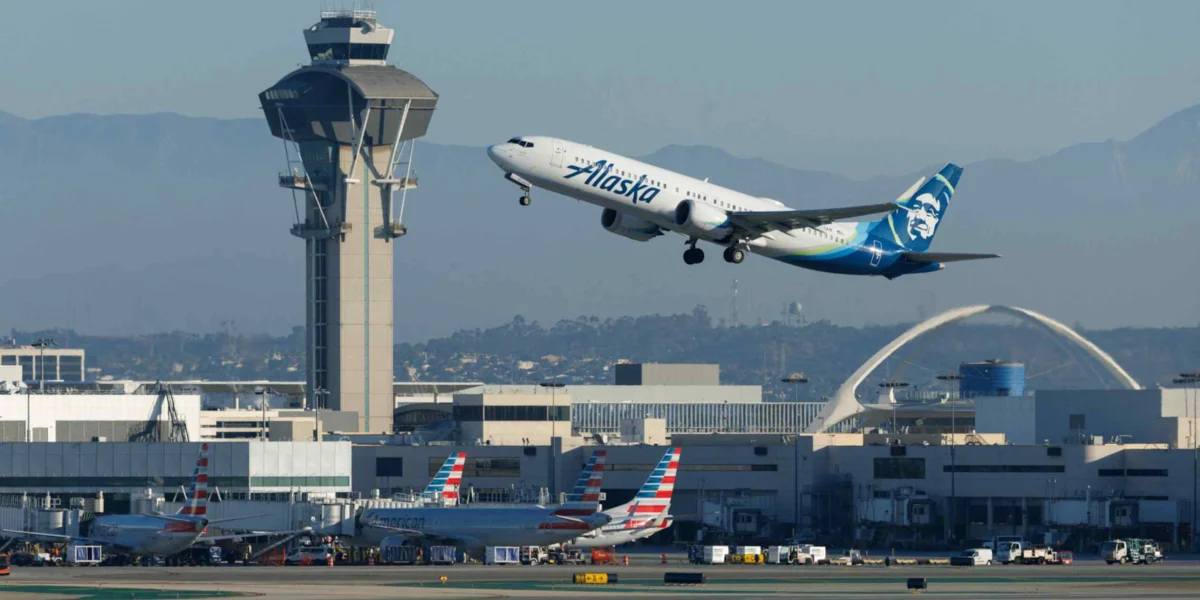
This broadside against Bombardier, a major global aerospace company with a significant presence in North America, immediately drew fire. Bombardier quickly pushed back, issuing a statement to CNBC clarifying its extensive contributions to the U.S. economy. The company highlighted its employment of workers in over 20 states across the U.S. and its substantial reliance on U.S.-made components for its products. "Bombardier values its great partnership with American companies and its U.S. employees," the statement read, underscoring the deeply interwoven nature of the aerospace industry across the border.
The President’s remarks also prompted rare rebuttals from within his own Republican party, particularly from senators representing states where Bombardier has a significant operational footprint. Senator Jerry Moran (R-Kan.) issued a statement emphasizing that Bombardier’s Wichita operation "supports a local workforce of more than a thousand employees, who contribute their talent and expertise to our nation’s defense and aerospace capabilities." Moran confirmed he had reached out to the Trump administration to "make certain the President is aware of the significant contributions of Bombardier to Kansas."
Similarly, Senator Roger Marshall (R-Kan.) took to X (formerly Twitter) to assert, "I’m going to fight to keep Bombardier’s over 1,200 Kansas jobs. I’ve already taken that concern inside the Oval Office." These bipartisan concerns from key Republican figures illustrate the potential for the trade war to create domestic political divisions, as economic pain from tariffs affects specific industries and workforces within the United States. The interconnectedness of the U.S. and Canadian economies means that punitive measures, while aimed at a foreign entity, often boomerang to affect American businesses and workers.
The Economic Tapestry: U.S.-Canada Trade Relations
The United States and Canada share one of the largest and most comprehensive trade relationships in the world, underpinned by geographic proximity, historical ties, and decades of economic integration, most recently formalized under the United States-Mexico-Canada Agreement (USMCA), which replaced NAFTA. This deep economic interdependence means that any disruption carries significant weight for both nations.
In 2025, according to the U.S. Trade Representative’s office, the U.S. exported $333.6 billion worth of goods to Canada, while importing $381.9 billion from its northern neighbor. This staggering volume of trade highlights Canada’s position as the United States’ largest trading partner for goods, underscoring the profound implications of an escalating trade war. The trade relationship is highly diversified, with both countries exchanging goods in many of the same critical sectors. These include energy products (oil, natural gas), vehicles and automotive parts, heavy machinery, aircraft and aerospace components, pharmaceuticals, gems and jewelry, furniture, clothing, and a vast array of food and drink products. This sectoral overlap means that tariffs in one area can have cascading effects throughout the integrated supply chains.

For instance, the automotive sector, with its highly optimized just-in-time delivery systems, is particularly susceptible to border delays and increased costs from tariffs. Components often cross the border multiple times during the manufacturing process, meaning even a small tariff can multiply in its impact on the final product. Similarly, agricultural trade, while often benefiting from seasonal complementarities, can be severely disrupted by duties that make cross-border sales uneconomical for farmers.
Analyzing the Economic Impact and Implications
While the specific goods targeted by the latest round of tariffs represent a fraction of the overall U.S.-Canada trade volume, economists and industry analysts warn that the cumulative effect of these escalating measures will be severe, particularly for small-to-medium-sized businesses (SMBs) and those operating in the most-impacted sectors.
For consumers, the tariffs translate directly into higher prices for a range of imported goods. Household appliances, electronics, clothing, and even certain food items will likely see price increases, contributing to inflationary pressures and reducing purchasing power. This could dampen consumer confidence and spending, which are vital drivers of economic growth.
For businesses, the immediate challenge lies in absorbing increased costs or passing them on to consumers. Many SMBs, which often operate on thinner margins than larger corporations, may struggle to adapt, potentially leading to reduced profitability, scaling back operations, or even closures. Supply chain disruptions are also a major concern. Companies that have optimized their logistics around cross-border trade will now face complex decisions about re-sourcing materials, re-tooling production, or navigating the labyrinthine world of tariff exemptions and rebates, if available. This uncertainty makes long-term planning incredibly difficult.
Specific sectors face unique challenges. Dairy farmers, already operating in highly regulated and often subsidized markets, will contend with new competitive pressures. Manufacturers of agricultural equipment will see their products become more expensive in the Canadian market, potentially losing sales to European or Asian competitors. The steel, aluminum, and iron industries, already reeling from previous rounds of tariffs, will face further price volatility and market distortions.
Government Response and Future Outlook
Recognizing the potential economic fallout for its domestic industries and workers, Ottawa announced a CA$7.5 billion support package last month. This new funding is intended to help businesses and workers navigate the challenges posed by the escalating trade war, extending an existing CA$25 billion in aid that Canada had previously provided in response to the U.S. global tariff offensive initiated in April 2025. These support packages, while substantial, underscore the significant economic costs associated with trade disputes and represent a preemptive effort by the Canadian government to mitigate adverse impacts on its economy.
The future of U.S.-Canada trade relations remains highly uncertain. The current environment, characterized by deep mistrust and a tit-for-tat tariff exchange, suggests a prolonged period of economic friction. Without a renewed commitment to diplomatic engagement and a willingness from both sides to compromise, the trade war could further intensify, leading to broader economic consequences for both countries.
The integrated nature of the North American economy, built over decades, makes a full decoupling extremely challenging and costly. However, the current trajectory points towards increasing fragmentation and a weakening of the economic ties that have historically bound the two nations. Businesses, consumers, and policymakers on both sides of the border will be closely watching for any signs of de-escalation or, conversely, further deepening of this consequential trade dispute. The stakes are high, not just for the economies of the U.S. and Canada, but for the stability of their broader geopolitical alliance.