Putri Inara
The digital publishing landscape is currently defined by a sharp dichotomy between hyper-optimistic marketing narratives and deep-seated skepticism regarding the viability of blogging as a profession. While some promotional campaigns suggest that seven-figure incomes are achievable with minimal effort, a counter-narrative suggests that the era of the independent blogger is over, labeling claims of full-time earnings as fraudulent or misleading. However, empirical data and longitudinal observations from industry veterans indicate that the reality of blog monetization exists in a nuanced middle ground. Professional blogging remains a viable career path, but it is one characterized by high barriers to entry, significant labor requirements, and a lengthy incubation period before reaching financial sustainability.
The Evolution of Professional Blogging: A Chronological Perspective
The concept of blogging has undergone a radical transformation since its inception in the late 1990s. Initially viewed as a form of digital journaling, the medium shifted toward professionalization in the early 2000s. Darren Rowse, a prominent figure in the industry and founder of ProBlogger, began his career in 2002, a period when the infrastructure for monetization was in its infancy.
By 2004, the introduction of programmatic advertising, such as Google AdSense, provided a standardized way for individual creators to generate revenue. This era marked the transition from "hobbyist" to "pro-blogger." Over the next decade, the industry saw the rise of "niche authority sites," where creators focused on specific topics like digital photography, woodworking, or sustainable living. By the mid-2010s, the rise of social media and influencer marketing further diversified income streams, allowing bloggers to leverage their audiences across multiple platforms. Today, the industry is categorized as part of the broader "Creator Economy," a sector valued at over $250 billion, according to research from Goldman Sachs.
Statistical Realities of Blog Monetization
While the potential for high earnings exists, comprehensive surveys of the blogging community reveal a steep "power law" distribution, where a small percentage of creators earn the vast majority of the revenue. In a study of over 1,500 digital publishers, the data highlights the difficulty of achieving a full-time living.
According to the survey results, approximately 10% of bloggers attempting to monetize their platforms earn no income at all. Furthermore, 28% of respondents report earnings of less than 30 cents per day, and a cumulative 63% earn less than $3.50 per day. These figures suggest that for the majority of participants, blogging serves as a low-yield hobby rather than a viable business venture.
However, the data also confirms a "top tier" of successful earners. Approximately 4% of those surveyed reported monthly earnings exceeding $10,000, placing them in a high-income bracket that surpasses many traditional professional salaries. An additional 9% earned more than $1,000 per month, indicating a level of income equivalent to a part-time job or a significant household supplement. These findings suggest that while success is statistically rare, it is repeatable for those who navigate the industry’s complexities effectively.

Diversification of Revenue Streams
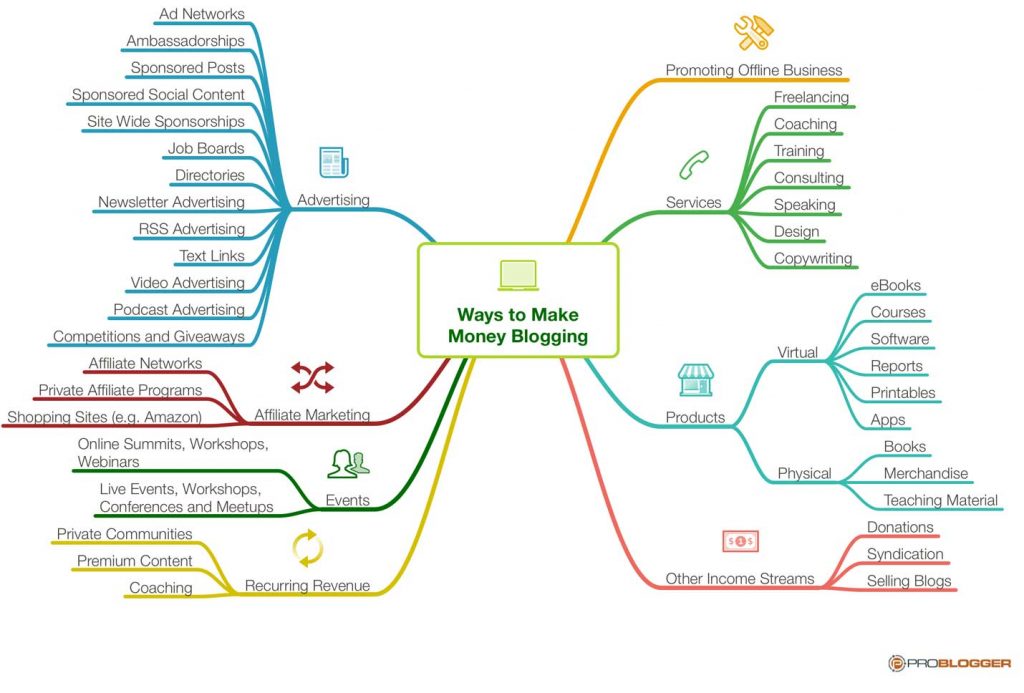
One of the primary findings among high-earning bloggers is the move away from a single source of income. Modern blog monetization is rarely dependent on a single "formula" or "trick." Instead, successful publishers employ a multi-faceted approach to revenue.
- Direct Advertising and Sponsorships: Selling display space or creating branded content for corporate partners remains a staple, particularly for high-traffic sites.
- Affiliate Marketing: Recommending products and earning a commission on sales is a primary driver for niche-specific blogs, such as those in the technology or home improvement sectors.
- Digital Products: Many bloggers have transitioned into "infopreneurs," selling ebooks, online courses, and webinars. This model often yields higher profit margins than third-party advertising.
- Membership and Subscription Models: Platforms like Patreon or private "insider" areas of a website allow creators to generate recurring revenue directly from their most loyal readers.
- Services and Speaking Engagements: A blog often serves as a portfolio, leading to offline opportunities such as consulting, public speaking, or traditional book deals.
Industry analysis shows that bloggers who focus on "normal" niches—such as health, wellbeing, simple living, or crafts—often outperform those who blog about the "make money online" niche itself. For instance, niche sites dedicated to photography equipment or home DIY projects frequently report higher profitability due to the high intent and purchasing power of their specific audiences.
The Correlation Between Longevity and Profitability
A critical factor often overlooked in "get-rich-quick" narratives is the time required to build a profitable digital asset. Analysis of top-tier earners (those making over $10,000 per month) reveals a strong correlation between income and tenure.
Data indicates that 85% of bloggers in the highest income bracket have been operating their platforms for four years or more. Almost all others in the top 10% had at least three years of consistent publishing history. This suggests a "gestation period" for digital brands, during which the creator must build a library of content, establish search engine authority, and earn the trust of a loyal audience. For many successful bloggers, the first year of operation yielded little to no profit, with significant financial gains only appearing in the third or fourth year of continuous effort.
The Operational Requirements of Modern Blogging
Professional blogging is increasingly viewed as a high-intensity business operation rather than a "passive income" stream. The workload required to maintain a competitive blog involves four primary pillars of operation:
Content Creation
The foundation of any successful blog is the consistent production of original, high-quality, and helpful content. This requires not only writing skills but also expertise in the subject matter and an understanding of Search Engine Optimization (SEO) to ensure visibility in a crowded marketplace.
Audience Acquisition
Creating content is insufficient without a strategy to attract readers. Professional bloggers must manage multiple distribution channels, including email newsletters, social media platforms, and search engine marketing.
Community Engagement
Building a sustainable business requires moving beyond "traffic" to "engagement." Successful creators focus on fostering a sense of community, responding to comments, and building an email list to ensure they have a direct line of communication with their audience, independent of social media algorithms.
Strategic Monetization
Monetization requires active management, including negotiating with advertisers, tracking affiliate performance, and developing new products. This business-side labor is often as time-consuming as the creative process itself.
Broader Economic Impact and Industry Implications
The rise of professional blogging has significant implications for the broader media landscape. As traditional print media outlets have faced declining revenues, independent digital publishers have filled the void, providing specialized information to niche audiences. This shift has democratized the publishing industry, allowing individuals to compete with large media conglomerates for consumer attention.
However, the low success rate highlighted in recent surveys also raises questions about the "gig economy" nature of digital creation. The lack of traditional employment benefits, the volatility of platform algorithms, and the high rate of burnout are significant risks for those entering the field.
Furthermore, the proliferation of AI-generated content presents a new challenge. Industry experts suggest that the "human element"—personal experience, unique voice, and community trust—will become the primary differentiator for successful bloggers in an era of automated text.
Conclusion
The evidence suggests that while it is indeed possible to make a full-time living from blogging, it is an outcome reserved for a small minority of creators who treat the endeavor as a long-term professional business. The path to profitability is characterized by years of uncompensated labor, the need for diverse skill sets, and a focus on providing genuine value to a specific audience. For those willing to navigate these challenges, blogging offers a unique opportunity for entrepreneurial success in the digital age, but the era of easy "passive income" via simple weblogs has largely been replaced by a rigorous and competitive professional industry.