Tari Putri Malika
The Evolution of Trading Psychology and Performance Science
The history of trading psychology has undergone a significant transformation over the last four decades. In the 1980s and early 1990s, the field was largely dominated by anecdotal evidence and "pop psychology" that focused primarily on the suppression of emotion. Early practitioners often viewed fear and greed as obstacles to be eliminated rather than signals to be understood. However, the introduction of cognitive-behavioral therapy (CBT) and brief therapy models into the financial sector during the early 2000s marked a turning point.
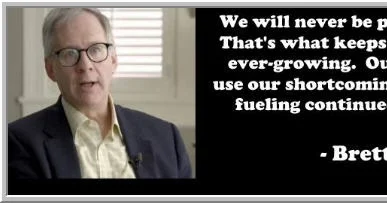
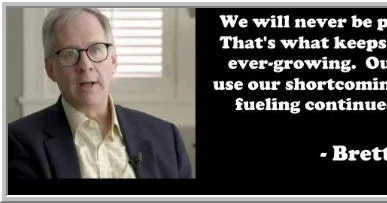
Dr. Brett Steenbarger’s contributions to this field provided a rigorous academic and clinical foundation for what was previously a subjective discipline. His work, including "The Psychology of Trading" and "The Daily Trading Coach," introduced the concept that trading performance is an extension of an individual’s psychological health and cognitive processing style. This era saw the emergence of the "trader-coach" model, where the objective was no longer just to survive the market’s volatility but to thrive by applying scientific principles to decision-making.
The chronology of this evolution can be traced through several key milestones:
- The Behavioral Finance Boom (Late 1990s): Researchers like Daniel Kahneman and Amos Tversky gained prominence, highlighting the systematic biases that affect financial decision-making.
- The Integration of Brief Therapy (2000s): The application of short-term, goal-oriented psychological interventions began to be used within proprietary trading firms to address performance slumps.
- The Data-Driven Era (2010s–Present): Modern coaching now utilizes biometric data, trade journals, and quantitative performance metrics to provide a holistic view of a trader’s mental state and execution quality.
Methodological Framework: The Solution-Focused Approach
At the heart of modern performance coaching is the solution-focused brief therapy (SFBT) model. Unlike traditional psychoanalysis, which may spend years investigating the root causes of a patient’s traumas or failures, SFBT is inherently forward-looking. In a trading context, this means focusing on "exceptions"—those moments when a trader performed at their peak—and deconstructing the specific behaviors and mindsets that led to that success.
The core tenets of this approach involve:
- Strength Identification: Recognizing the specific cognitive traits, such as pattern recognition or risk tolerance, that provide a competitive edge.
- Positive Reinforcement: Focusing on what works and attempting to replicate those conditions rather than fixating on losses.
- Process Improvement: Developing rigorous routines that minimize the cognitive load during active market hours.
By viewing personal evolution and professional development as two sides of the same coin, this methodology suggests that the path to becoming a successful trader is the same path one takes to become their "best self." This holistic view addresses a common issue in the industry: the high rate of burnout caused by a lack of work-life balance and the psychological toll of constant financial risk.
Supporting Data on Trader Performance and Mental Health
Empirical data consistently highlights the difficulty of maintaining long-term profitability in the financial markets. Research into retail trading performance suggests that approximately 80% to 95% of active traders fail to remain profitable over a five-year horizon. Furthermore, studies by the Financial Industry Regulatory Authority (FINRA) and various academic institutions have noted that "overtrading" and "revenge trading" are the primary drivers of account depletion, both of which are rooted in psychological volatility rather than a lack of technical knowledge.

In the institutional sector, the data is equally telling. Hedge funds and proprietary trading groups that invest in internal performance coaching often report higher retention rates and more consistent returns. A study on the impact of psychological intervention in high-stress occupations indicated that individuals who engage in regular "self-coaching" and mindfulness practices show a 20% to 30% improvement in decision-making accuracy under pressure.
Moreover, the correlation between physical well-being and trading results is supported by physiological data. High levels of cortisol (the stress hormone) have been linked to increased risk aversion and a decreased ability to process complex information. Conversely, traders who maintain a disciplined schedule of sleep, exercise, and "mental downtime" exhibit more stable heart rate variability (HRV), which is a key indicator of emotional regulation and cognitive flexibility.
Institutional Responses and the Role of Professional Coaching
Major financial institutions and proprietary trading firms have increasingly recognized the value of embedded psychological support. Firms like SMB Capital and various Tier-1 investment banks have integrated performance psychologists into their training programs. The goal is to move beyond the "sink or swim" mentality of the past and instead build a resilient workforce capable of navigating "Black Swan" events and prolonged market drawdowns.
Statements from industry leaders suggest that the "human element" is becoming more valuable, not less, as AI takes over routine execution. "The machines can handle the math, but the humans must handle the uncertainty and the strategy," noted one senior risk manager at a global macro fund. The official stance of many top-tier firms is that psychological capital is just as important as financial capital. This has led to the adoption of "best practices" in hiring that include personality assessments and cognitive testing to ensure that candidates possess the psychological temperament required for the rigors of the market.
Broader Impact and Implications for the Future of Trading
The implications of integrating evidence-based psychology into trading extend far beyond the profit and loss statements of individual traders. This shift represents a broader cultural movement toward "human-centric" performance in all high-stakes fields, including medicine, professional sports, and technology leadership.
As the boundary between work and life continues to blur in the digital age, the "trading coach" model offers a blueprint for how individuals can maintain high levels of productivity without sacrificing their mental health. The focus on "becoming who we already are when we are at our best" suggests a shift toward authenticity in professional life. This philosophical approach helps mitigate the "imposter syndrome" and anxiety that often accompany high-performance careers.
Looking forward, the integration of technology and psychology is expected to deepen. We are likely to see:
- Real-time Biofeedback: Wearable technology that alerts a trader when their physiological markers indicate they are entering a state of high stress or cognitive fatigue.
- AI-Enhanced Coaching: Algorithms that analyze a trader’s historical data to identify psychological "tells" or patterns of behavior that precede significant losses.
- Democratization of Coaching: Digital platforms that provide retail traders with access to the same evidence-based techniques previously reserved for elite institutional professionals.
The synthesis of psychological science and market participation is no longer a luxury but a necessity. As market cycles become faster and more data-intensive, the ability to manage one’s own internal state remains the ultimate competitive advantage. Dr. Steenbarger’s emphasis on leveraging personal strengths and focusing on "what works" provides a sustainable path for those looking to evolve alongside the markets they trade. In the final analysis, the pursuit of market mastery is revealed to be a journey of self-discovery, where the ultimate goal is the alignment of professional execution with personal excellence.