Clara Shinta
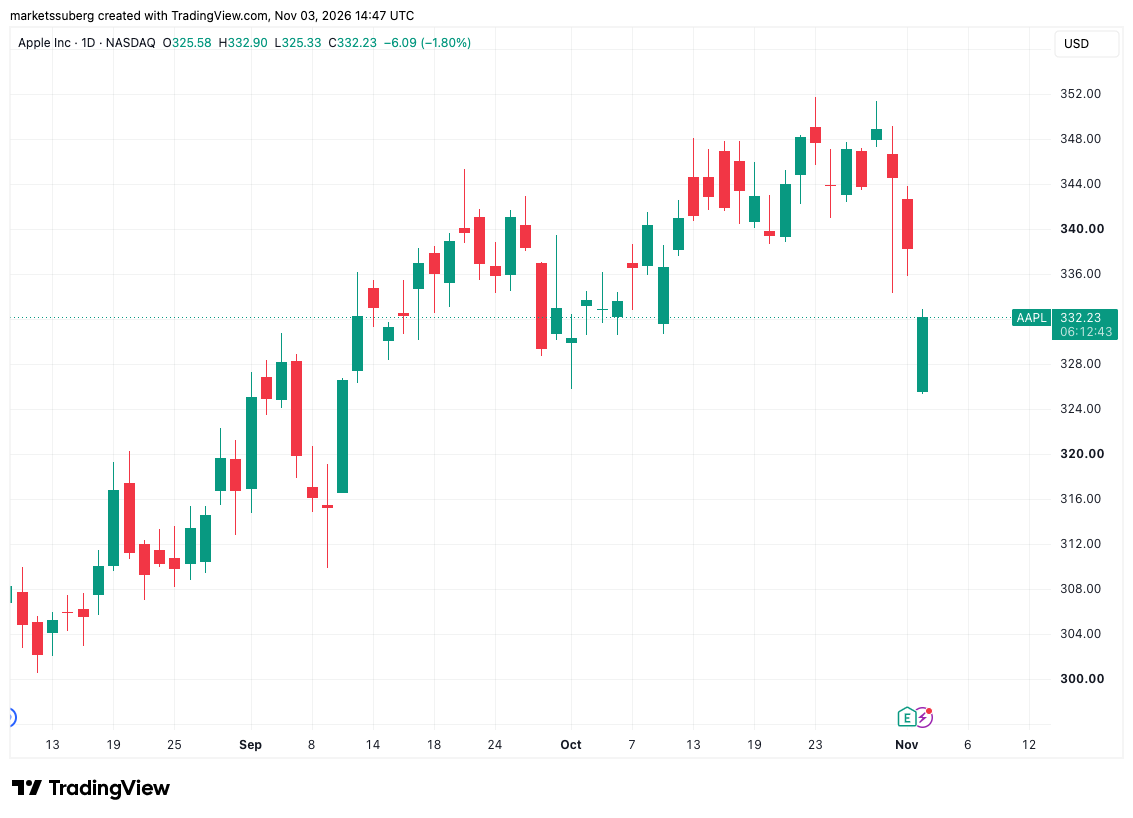
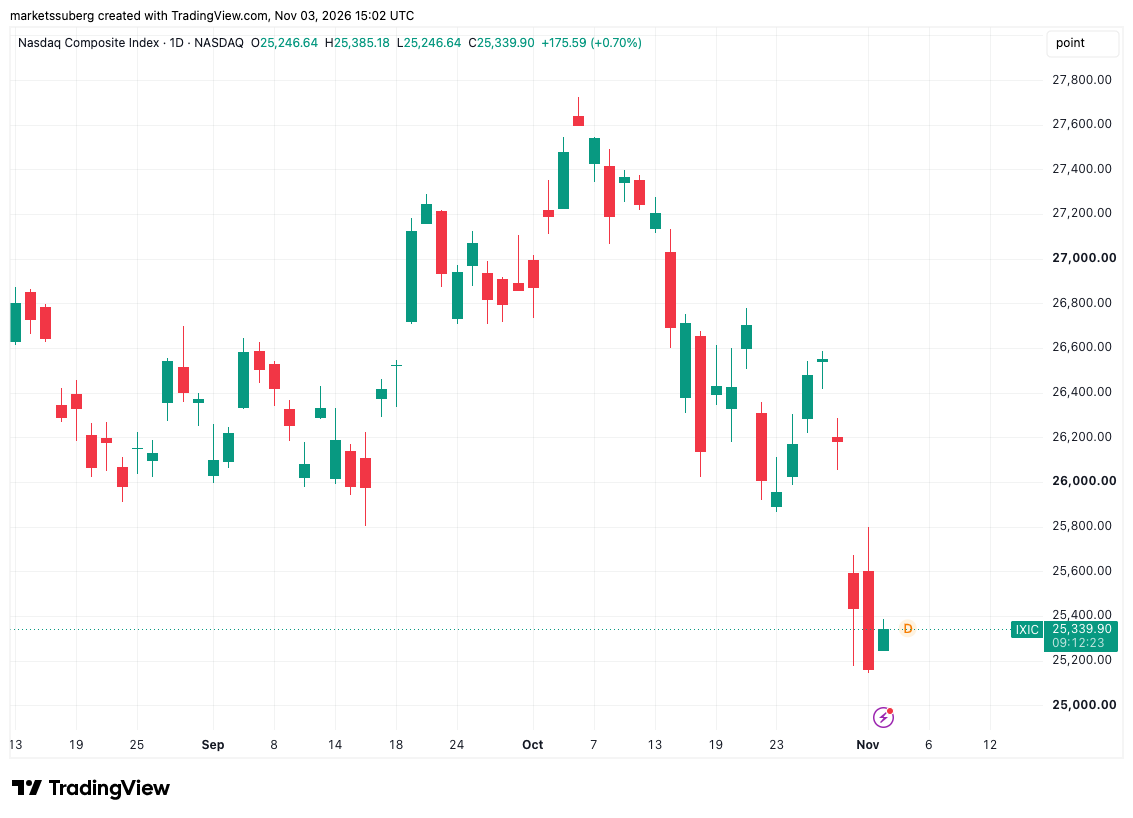
Bitcoin (BTC) demonstrated an upward trajectory at the opening of Wall Street on Tuesday, mirroring a broader rebound in technology stocks, even as the landscape of the US midterm elections cast a long shadow of uncertainty over financial markets. This movement occurred against a complex backdrop of domestic political suspense, significant corporate earnings reports, and evolving geopolitical tensions affecting global energy supplies. The digital asset’s performance highlighted its intricate relationship with traditional equity markets, particularly the tech-heavy Nasdaq, amidst a period of heightened investor caution.
Market Dynamics and Interconnections: Bitcoin, Tech Stocks, and Investor Sentiment
Data from TradingView indicated that BTC/USD was circulating around the $77,000 mark during Tuesday’s trading session, managing to retain its local lows near $76,300, which had been established on Friday. This stabilization in Bitcoin’s price followed a period where its volatility had somewhat cooled, aligning with an uptick in major stock indices. The cryptocurrency market, often characterized by its inherent volatility, frequently reacts to broader macroeconomic indicators and shifts in investor risk appetite, making its correlation with traditional assets like tech stocks a subject of continuous observation. Historically, Bitcoin has shown a tendency to move in tandem with risk-on assets, and a rebound in the technology sector often provides a supportive environment for its price.
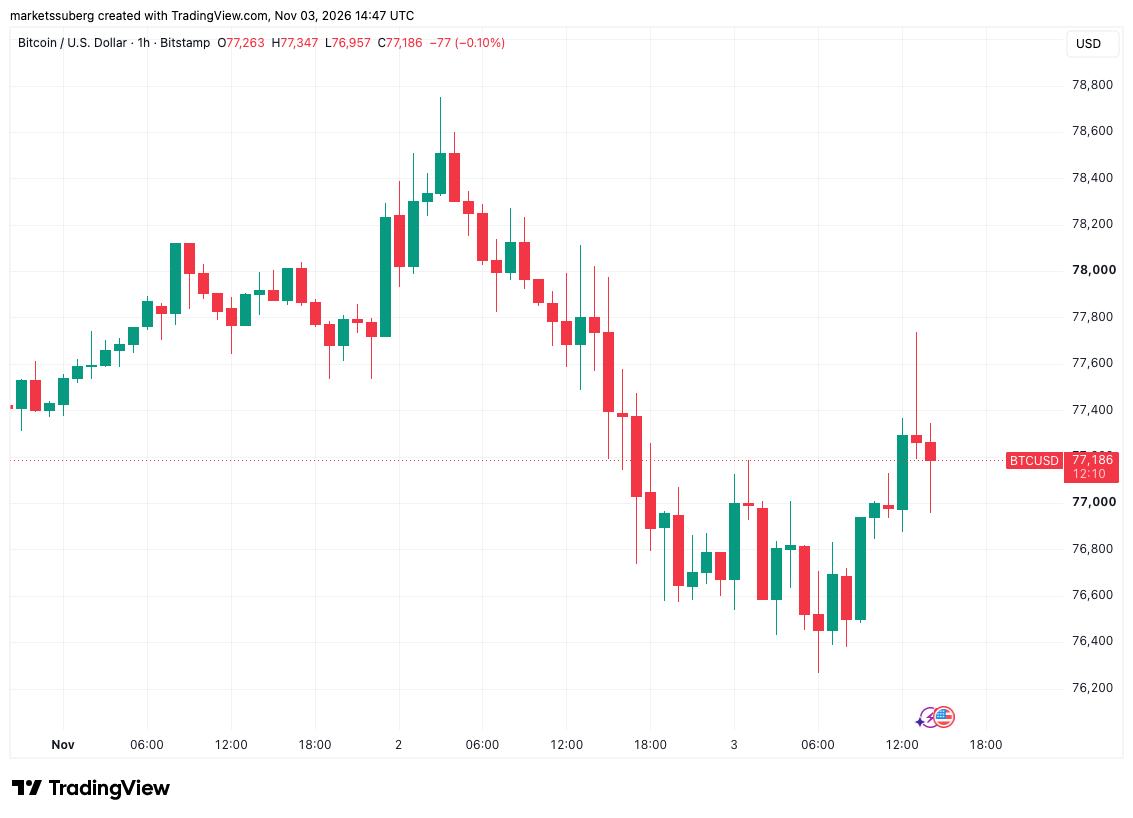
The confluence of factors influencing Tuesday’s market open painted a picture of cautious optimism tempered by deep-seated concerns. While Bitcoin’s modest rise suggested a degree of resilience, it remained sensitive to the prevailing market mood. The US trading session commenced with traditional equities facing a myriad of conflicting forces. A significant event contributing to this dynamic was Apple’s stock performance. Shares of the tech giant initially sought to pare losses after an approximate 4% dip in premarket trading. This decline was triggered by the company’s forecast for gross margins of 45% to 46% for the December quarter, a notable reduction from the 47.9% reported in the previous quarter. The primary reason cited for this expected contraction was an increase in the cost of memory chips, a critical component in its products. This development underscored the persistent supply chain challenges and inflationary pressures impacting even the most robust corporations.
The Shadow of US Midterm Elections: Political Uncertainty and Market Reactions
Beyond corporate earnings, financial markets were actively weighing the potential ramifications of the US midterm elections, which held the power to significantly alter the balance of power in Congress. As voters headed to the polls, the air was thick with speculation regarding the outcomes. While numerous pre-election polls had suggested substantial gains for the Democratic Party, some political analysts and market strategists cautioned against overly optimistic projections, suggesting that the actual results could be far less decisive than anticipated by the polling data. This divergence between polling expectations and potential realities fueled a sense of profound uncertainty among investors.
Tobin Marcus, the head of US policy and politics at Wolfe Research, an influential equity research firm, articulated this sentiment clearly in an interview with CNBC. Marcus stated, "Investors seem to have a significant dose of skepticism about whether the final outcome is going to be quite as favorable to Democrats as the polling suggests." He further elaborated that polls were "likely overstating Democratic strength," implying that the market was bracing for a closer contest or even outcomes that defied pre-election narratives. This skepticism stemmed from various factors, including the historical tendency for the president’s party to lose seats in midterm elections, the impact of high inflation on voter sentiment, and the potential for a "silent majority" effect that polling might not fully capture.
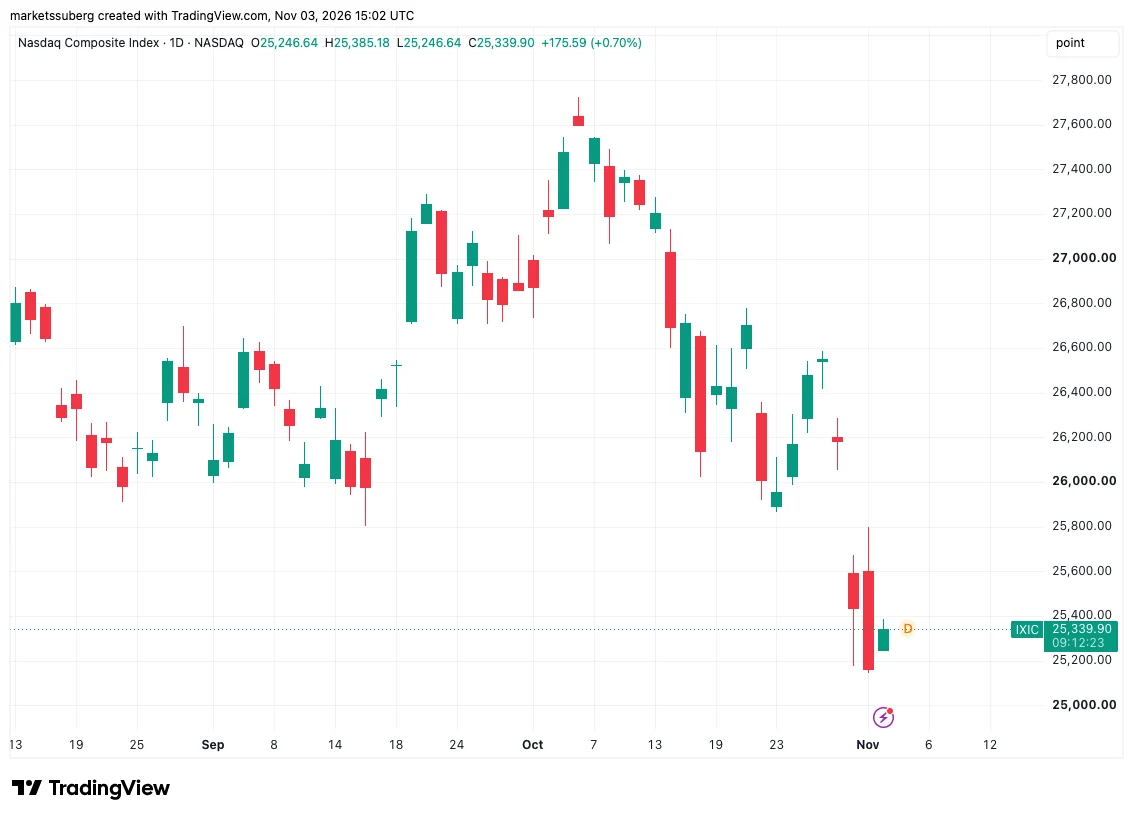
The preceding trading day had already reflected this apprehension. On Monday, the S&P 500, a broad market indicator, finished down 0.5%, while the tech-heavy Nasdaq Composite Index, a key benchmark for growth stocks and a frequent correlator with Bitcoin, closed 1.1% lower. Analysts at The Kobeissi Letter, a well-regarded trading resource, argued that this pervasive market weakness was driven less by concerns over artificial intelligence (AI) spending alone and more by the overarching US political uncertainty. They posited that "The reality is that the market is pricing-in a major shift in the political landscape of the US," in a post on X (formerly Twitter).
The analysis from The Kobeissi Letter suggested that the prospect of a divided Congress – where one party controls the presidency and the other controls one or both chambers of Congress – could lead to frequent legislative impasses. Such a scenario would create conditions in which policy decisions would become less predictable, potentially hindering progress on critical economic issues like fiscal policy, infrastructure spending, and regulatory frameworks affecting industries from technology to energy. "A change in the political landscape always comes with uncertainty; markets hate uncertainty," the letter continued, underscoring a fundamental principle of financial markets. The conclusion drawn was stark: "Objectively, the market is in the process of pricing-in two years of political gridlock." This expectation of political paralysis tends to deter long-term investment and encourages a more defensive stance among market participants, directly influencing asset classes like Bitcoin, which thrive on stable economic and regulatory environments.
Tech Sector Under Scrutiny: Apple’s Performance and Broader Trends
Apple’s earnings report provided a microcosm of the challenges facing the broader technology sector. The projected dip in gross margins, attributed primarily to rising memory-chip costs, highlighted the fragility of global supply chains and the impact of commodity price fluctuations on corporate profitability. Memory chips, such as DRAM and NAND flash, are essential components in virtually all modern electronic devices, from smartphones and tablets to computers and servers. Their pricing is influenced by a complex interplay of supply and demand, manufacturing capacities, and geopolitical factors. A surge in their cost can significantly compress profit margins for hardware manufacturers like Apple, even for a company with immense pricing power and operational efficiencies.
Beyond Apple, the tech sector as a whole has been navigating a challenging environment marked by rising interest rates, which make future earnings less valuable and dampen investment in growth-oriented companies. Furthermore, regulatory scrutiny on large technology companies has been increasing globally, adding another layer of uncertainty. The rebound observed on Tuesday, while welcome, was therefore viewed by many as potentially fragile, susceptible to further economic headwinds or adverse political developments. The Nasdaq Composite Index, a barometer for the tech sector, has experienced significant fluctuations in recent periods, reflecting investor attempts to price in inflation, interest rate hikes, and slowing economic growth alongside the sector’s inherent innovation and long-term potential.
Geopolitical Tensions and Oil Markets: The US-Iran Dynamic
In parallel with domestic political and corporate developments, global energy markets were reacting to escalating geopolitical tensions. Oil prices, a critical determinant of global inflation and economic stability, were particularly sensitive to these events. On Tuesday, crude oil prices largely brushed off reports of a US attack on Iran’s Qeshm Island. Qeshm Island holds strategic importance as a key military control outpost for the Strait of Hormuz, a narrow waterway that serves as the world’s most vital oil transit chokepoint. Approximately one-fifth of global oil consumption passes through this strait daily, making any military action or threat in the area a significant concern for energy security and global trade.
This military action came just days after a statement from US Secretary of State Marco Rubio, who reportedly indicated that President Donald Trump was open to resolving the US-Iran conflict "diplomatically." These comments, signaling a potential de-escalation, had previously triggered a substantial 7% drop in WTI (West Texas Intermediate) crude oil prices on Monday. The market’s initial reaction to Rubio’s statements reflected a hope for reduced geopolitical risk premium on oil. However, the subsequent US attack introduced renewed complexity and demonstrated the volatile nature of US-Iran relations.
WTI crude oil initially jumped to $98.80 per barrel following the news of the attack, as traders priced in heightened risk. However, it subsequently dipped below $94 on Tuesday, hitting its lowest level since October 15. This pattern suggests that while the market initially reacted to the immediate military development, the underlying sentiment might still be influenced by the broader diplomatic overtures or an assessment that the strike, while significant, did not immediately threaten the stability of oil flows through the Strait of Hormuz. The ongoing diplomatic dance between the US and Iran, coupled with intermittent military actions, creates a highly unpredictable environment for oil markets, where prices can swing dramatically based on perceived shifts in the likelihood of conflict or resolution. The historical context of US sanctions against Iran’s oil exports and the country’s strategic position in the Middle East amplify the impact of any developments on global energy prices.
Analyst Perspectives and Future Outlook
The intricate interplay of these factors—Bitcoin’s correlation with tech stocks, the looming specter of midterm election results, Apple’s earnings, and geopolitical flare-ups—created a complex environment for investors. Analysts generally agreed that the prevailing theme was uncertainty. For Bitcoin, its ability to maintain price stability around $77,000 amidst such varied headwinds was seen by some as a sign of underlying strength or consolidation, while others viewed it as simply tracking the broader market’s cautious rebound. Its future trajectory remains highly dependent on both the resolution of the midterm elections and the broader macroeconomic climate, including interest rate policies and inflation trends.
The outcome of the US midterm elections is particularly critical. A divided Congress, as many analysts anticipate, could lead to a period of legislative inertia, which might be perceived as a neutral to negative factor for markets, depending on specific policy areas. While gridlock might prevent radical policy changes, it could also hinder necessary economic adjustments or stimulus measures. For the tech sector, regulatory concerns regarding antitrust, data privacy, and artificial intelligence are likely to persist, irrespective of election outcomes, though the intensity and direction of these efforts could shift depending on which party controls Congress.
Oil markets, meanwhile, will continue to be buffeted by geopolitical developments in the Middle East, as well as by global demand trends and OPEC+ production decisions. The ongoing dialogue, or lack thereof, between the US and Iran will remain a key driver of crude prices, with any perceived escalation or de-escalation having immediate and significant impacts.
In conclusion, Tuesday’s market activity underscored the interconnectedness of global financial systems. Bitcoin’s modest advance alongside a tech stock rebound provided a glimmer of positivity, but this was set against a backdrop of profound political uncertainty from the US midterms and persistent geopolitical tensions affecting critical global resources. Investors, navigating this complex landscape, remained highly attuned to both domestic political shifts and international developments, understanding that each element holds the potential to significantly reshape market dynamics in the days and weeks to come.