Lina Wu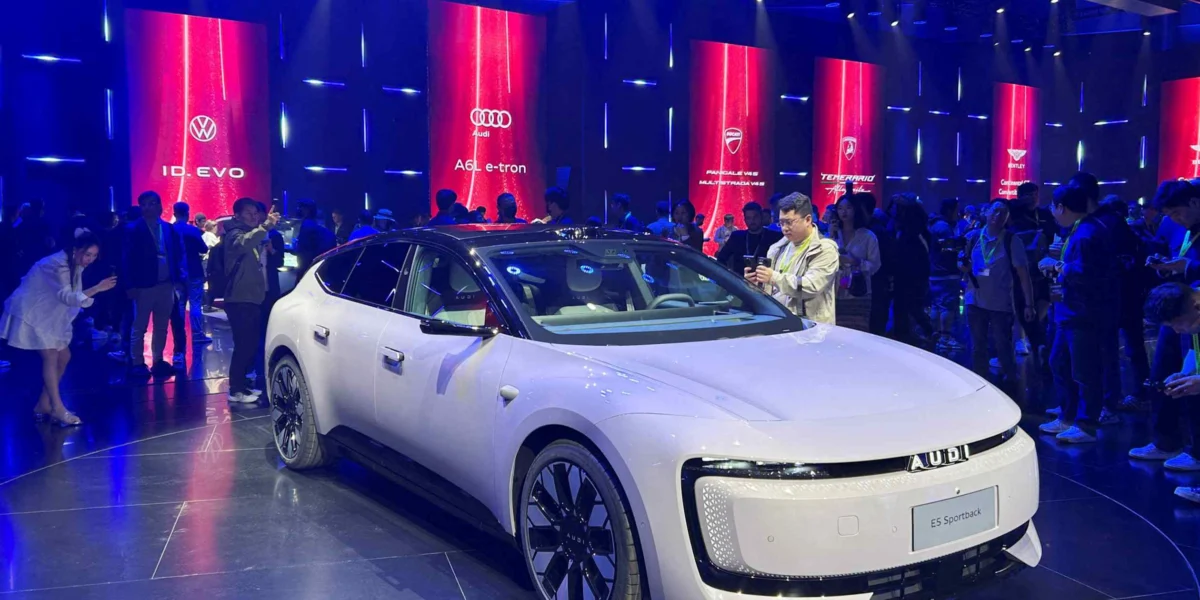
HONG KONG — Audi is deepening its collaboration with Chinese partner SAIC Motor, establishing a new research and development hub in Shanghai and committing to developing China-only models, a strategic pivot aimed at reversing a significant sales slump in the world’s largest automotive market. This move signifies a critical response to the accelerating technological advancements and market dominance of local Chinese brands, forcing established foreign automakers to recalibrate their approach to remain competitive.
The joint development initiative with SAIC, which was first previewed with a jointly developed electric vehicle range in 2025, is set to unveil its first SUV model at the Beijing auto show commencing April 24, 2026. This intensified partnership underscores a broader trend within the global automotive industry: the urgent need for foreign players to localize not only their production but also their innovation and product development to effectively challenge the rapidly evolving landscape in China.
The Shifting Sands of the Chinese Auto Market
For decades, German luxury automakers like Audi have enjoyed a dominant position in the Chinese market, largely due to their established brand prestige, perceived quality, and superior engineering. However, the past few years have witnessed a dramatic shift. Chinese automakers, once considered primarily domestic players, have rapidly ascended in technological prowess, particularly in the realm of electric vehicles (EVs) and intelligent connected vehicles (ICVs). Brands such as BYD, NIO, XPeng, and Li Auto have not only captured significant market share but have also set new benchmarks for innovation, user experience, and digital integration, often outpacing their international rivals.
Data from the China Association of Automobile Manufacturers (CAAM) illustrates this trend starkly. In 2023, for instance, new energy vehicles (NEVs) – a category encompassing battery electric vehicles (BEVs) and plug-in hybrid electric vehicles (PHEVs) – accounted for over 30% of total vehicle sales in China, a figure that continues to climb. Local Chinese brands have been at the forefront of this NEV revolution, offering compelling products that resonate with Chinese consumers’ evolving preferences for advanced technology, sustainable mobility, and smart features.
Audi’s sales figures in China have reflected this competitive pressure. While the exact figures for 2025 and early 2026 are not detailed in the initial report, industry analysts have noted a sustained decline or stagnation in Audi’s market share compared to the rapid growth of its Chinese competitors. This decline is largely attributed to a perceived lag in electrification and digital innovation, areas where Chinese brands have made significant strides.
A Deepened Alliance: SAIC and Audi’s Strategic Realignment
The collaboration between Audi and SAIC Motor is not new. SAIC is one of Audi’s long-standing joint venture partners in China, alongside FAW Group. However, the current phase of cooperation marks a qualitative and quantitative leap. The establishment of a dedicated R&D hub in Shanghai signifies Audi’s commitment to embedding its development processes closer to the pulse of the Chinese market and its technological advancements. This localized R&D capability is crucial for developing vehicles that are not only technologically advanced but also precisely tailored to the unique demands and preferences of Chinese consumers.
The joint development of a new range of electric vehicles is a cornerstone of this strategy. The first model, an SUV, slated for unveiling at the Beijing auto show, is expected to showcase the combined strengths of Audi’s premium brand heritage and manufacturing expertise with SAIC’s deep understanding of the Chinese market and its burgeoning EV ecosystem. This approach aims to leverage the agility and localized knowledge of SAIC while infusing it with Audi’s global standards for quality, safety, and design.
Background and Chronology of the Partnership’s Evolution
The genesis of Audi’s intensified collaboration with SAIC can be traced back to a period of increasing market pressure. Discussions and strategic planning for this deeper partnership likely began in earnest in the early 2020s, as the rapid ascent of Chinese EV startups became undeniable.
- Early 2020s: Growing awareness within Audi and other foreign automakers of the accelerating pace of technological development by Chinese rivals, particularly in EVs and autonomous driving. Initial sales data indicates a plateauing or decline in market share for some traditional luxury brands.
- Mid-2020s: Intensified strategic discussions between Audi AG and SAIC Motor regarding a more collaborative approach to product development and market strategy for China. The need for China-specific models and a stronger local R&D presence becomes a central theme.
- 2025: Audi and SAIC showcase the initial fruits of their collaboration – the first model in a jointly developed range of electric vehicles. This event serves as a preview of the future direction of their partnership.
- Early 2026: Preparations for the launch of the first jointly developed SUV at the Beijing auto show, signaling a tangible outcome of the deepened collaboration. The establishment of the Shanghai R&D hub is also formalized during this period, representing a significant investment in localized innovation.
- April 2026: The Beijing auto show serves as the official unveiling platform for the new Audi-SAIC electric SUV, marking a critical milestone in Audi’s strategy to regain market traction.
The Significance of Localized R&D and China-Only Models
The establishment of a dedicated R&D center in Shanghai is a powerful statement of Audi’s intent. Historically, many foreign automakers have relied on central R&D facilities in their home countries, with minor localization efforts for specific market needs. However, the dynamic nature of the Chinese market, particularly its leadership in areas like battery technology, charging infrastructure, and digital services integrated into vehicles, necessitates a more profound approach.
A Shanghai-based R&D hub allows Audi to:
- Tap into local talent: Access a deep pool of highly skilled engineers and designers with expertise in cutting-edge automotive technologies.
- Respond faster to market trends: Directly observe and analyze evolving consumer preferences, regulatory changes, and technological advancements, enabling quicker product development cycles.
- Deepen integration with local suppliers: Foster closer relationships with China’s sophisticated automotive supply chain, especially in the NEV sector.
- Develop China-specific features: Create software and hardware functionalities that cater precisely to the Chinese digital ecosystem, including advanced infotainment systems, connectivity services, and potentially localized autonomous driving features.
The commitment to "China-only models" is equally critical. These vehicles will be designed from the ground up with the Chinese market in mind, rather than being adapted versions of global models. This approach can lead to products that are more appealing, competitive, and better aligned with local tastes and driving habits. It allows for greater flexibility in design, powertrain options, and technological integration, directly addressing the shortcomings that have led to Audi’s recent sales challenges.
Reactions and Potential Implications
While official statements from Audi and SAIC are likely to emphasize the synergistic benefits of their partnership, the move also carries broader implications for the automotive industry and for Audi’s global strategy.
From Audi’s Perspective:
- Potential for Sales Recovery: This strategic shift offers Audi a realistic pathway to reversing its sales decline and reclaiming market share, particularly in the lucrative premium segment.
- Learning and Innovation Transfer: The insights gained from this deep collaboration in China could potentially inform Audi’s global product development, especially in the rapidly evolving EV space.
- Risk Mitigation: By aligning closely with a strong local partner like SAIC, Audi can better navigate the complex regulatory landscape and competitive pressures in China.
From SAIC Motor’s Perspective:
- Technology Transfer and Brand Enhancement: SAIC stands to benefit from Audi’s global expertise in engineering, quality control, and brand management, further enhancing its own capabilities and international standing.
- Access to Audi’s Global Network: A strengthened partnership could open doors for SAIC products and technologies in markets beyond China.
For Competitors:
- Increased Pressure: This move intensifies the competitive pressure on other foreign automakers operating in China, such as BMW and Mercedes-Benz. They will likely need to accelerate their own localization and innovation efforts to keep pace.
- Shifting Power Dynamics: The success of this Audi-SAIC model could further cement the trend of foreign automakers becoming more dependent on their Chinese partners for market success and technological innovation.
Broader Industry Impact:
- Accelerated Electrification and Digitalization: The focus on EVs and intelligent connectivity by major players like Audi and SAIC will undoubtedly spur further innovation and investment across the entire industry in China.
- Redefinition of Premium: The definition of "premium" in the automotive sector is evolving. It is increasingly linked not just to brand heritage but also to cutting-edge technology, seamless digital integration, and sustainable mobility solutions, areas where Chinese brands have excelled.
The success of Audi’s strategy hinges on its ability to truly integrate its global strengths with SAIC’s local agility and market acumen. The upcoming Beijing auto show and the subsequent market performance of the jointly developed models will be critical indicators of whether this deepened partnership can effectively steer Audi back to growth in the challenging yet vital Chinese market. The race to match local tech is no longer an option for foreign brands; it has become an imperative for survival and success.