Ena Muazin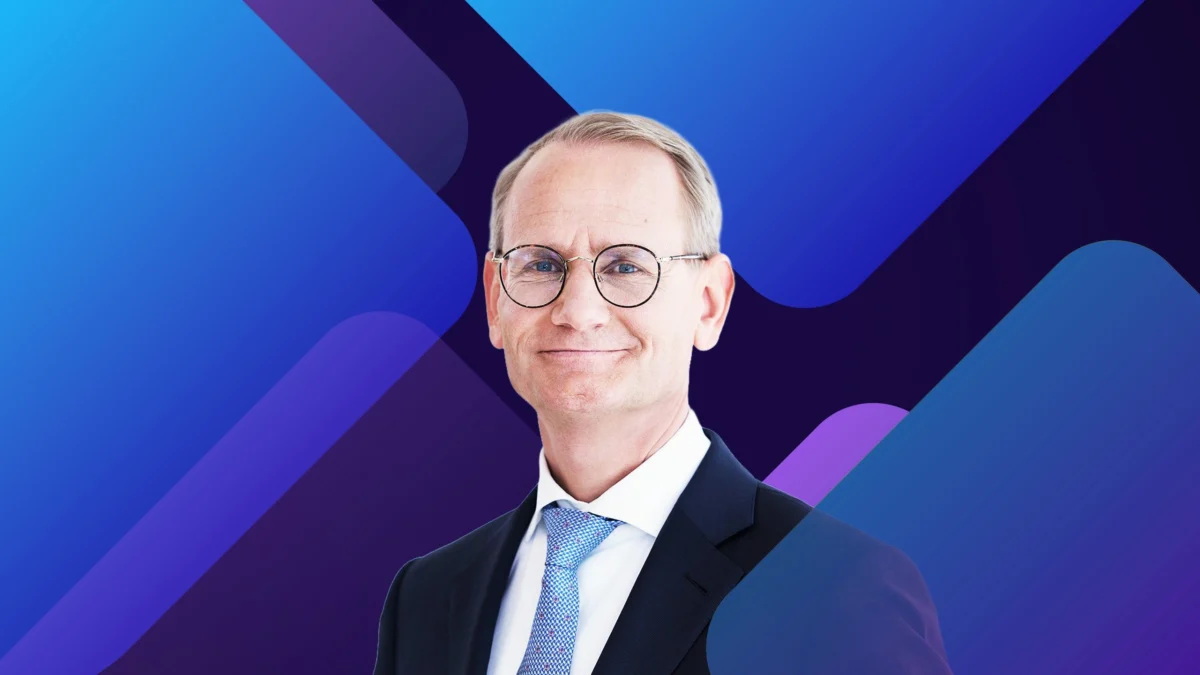
The head of the real estate group LEG explains why the visit to dilapidated East German housing estates left a lasting impression on him and why the rental market is currently caught in a vicious cycle.
Düsseldorf. Lars von Lackum, a native of Duisburg, has been the CEO of the second-largest German housing corporation, LEG Immobilien, since 2019. The Düsseldorf-based company, listed in the MDax, owns over 170,000 apartments, the majority of which are located in North Rhine-Westphalia. Before joining LEG, von Lackum held positions in the insurance sector, including responsibility for Ergo’s international legal protection business.

The "Vicious Cycle" of the German Rental Market
Lars von Lackum, CEO of LEG Immobilien, a major player in the German residential real estate market, has voiced significant concerns about the current state of the rental market, describing it as a "vicious cycle." His observations stem from a deeply personal experience: a visit to decaying housing estates in eastern Germany. This encounter, he states, was profoundly impactful, highlighting the stark realities of housing stock that has fallen into disrepair and the systemic issues that perpetuate such neglect.
"For the housing industry, the greatest leverage lies in the existing stock – both in decarbonization and in the utilization of existing apartments," von Lackum explained in a recent interview. He argues that current regulations are overly restrictive and, in effect, artificially suppress rents for existing tenancies. This creates a widening gap between the rental prices of older, established apartments and those for newly leased units, which are significantly higher.
This disparity, von Lackum contends, has a direct impact on affordability. "This gap is becoming so large that many people can hardly afford to move," he noted. The consequence is that individuals residing in affordable, albeit potentially outdated, housing tend to stay put, even if their living situation no longer meets their needs. This immobility exacerbates the problem for those seeking to move into these areas.

Furthermore, the economic viability of new construction is being undermined. "At the same time, project developers in many places are unwilling to build new apartments at this rental level," von Lackum stated. This reluctance to invest in new housing projects, coupled with the immobility of existing tenants, creates a self-perpetuating cycle where demand for affordable housing outstrips supply, and new construction is hampered by a lack of perceived profitability.
The Role of Regulation and Decarbonization
Von Lackum’s critique extends to the regulatory framework governing the housing market. He believes that current regulations, particularly those concerning rent control and energy efficiency mandates, are hindering necessary improvements and market adjustments. While acknowledging the importance of decarbonization, he suggests that the pace and nature of these requirements are placing an undue burden on property owners, especially when combined with other regulatory pressures.
The German government has set ambitious climate goals, which include substantial reductions in greenhouse gas emissions from buildings. The "Gebäudeenergiegesetz" (GEG), or Building Energy Act, has been a focal point of debate, aiming to accelerate the transition to climate-neutral heating systems. However, critics, including those in the real estate sector, argue that the implementation and associated costs are proving to be a significant challenge for both property owners and tenants.
LEG Immobilien, as one of Germany’s largest residential property companies, manages a vast portfolio of properties, many of which are older buildings requiring significant investment to meet modern energy efficiency standards. The company has publicly stated its commitment to sustainability and has outlined plans for substantial investments in retrofitting and modernizing its housing stock. However, the financial feasibility of these extensive upgrades, especially in the context of current rental market regulations, remains a key concern.
Data-Driven Insights into the German Housing Market
The issues raised by Lars von Lackum are reflected in various data points concerning the German housing market. Recent reports indicate a slowdown in rent increases in many metropolitan areas, a trend attributed to a combination of factors including increased interest rates, higher construction costs, and a more cautious economic outlook. While this might offer some relief to tenants in the short term, it also signals a potential decrease in new housing development.
According to the German Federal Statistical Office (Destatis), the number of newly approved residential building permits has seen a significant decline in recent months. This trend suggests that developers are scaling back on new projects, a move that could lead to a tighter housing market and renewed upward pressure on rents in the medium to long term. The construction sector has been particularly hard-hit by rising material costs and labor shortages, further complicating the outlook for new housing supply.

Furthermore, the demographic landscape of Germany contributes to the persistent demand for housing. With a growing population and a continued trend towards urbanization, the need for adequate and affordable housing remains a critical societal challenge. The influx of refugees and immigrants in recent years has added another layer of complexity to housing demand, particularly in areas with already strained housing markets.
Economic Implications and Future Outlook
The "vicious cycle" described by von Lackum has broader economic implications. A dysfunctional rental market can stifle labor mobility, as individuals are reluctant to move due to high rental costs or a lack of suitable accommodation. This can have a negative impact on regional economic development and the overall efficiency of the labor market.
Moreover, the uncertainty surrounding future rental income and the increasing regulatory burden can deter private investment in the housing sector. This could lead to a gradual decline in the quality of the existing housing stock if necessary maintenance and modernization are postponed due to financial constraints.

The long-term outlook for the German rental market hinges on finding a sustainable balance between regulatory oversight, environmental goals, and economic viability. Industry experts suggest that policy reforms may be necessary to incentivize investment in new construction and the modernization of existing properties. This could include measures such as tax incentives for energy-efficient renovations, streamlined approval processes for new developments, and a more flexible approach to rent regulation that allows for a fair return on investment while ensuring affordability for tenants.
Von Lackum’s call for a re-evaluation of the current approach underscores the complex interplay of social, economic, and environmental factors shaping the German housing landscape. As Germany navigates its path towards climate neutrality and addresses its housing deficit, finding pragmatic solutions that benefit both landlords and tenants will be crucial for ensuring a stable and equitable future for the rental market.
The Impact of Digitalization and AI
In the context of modernizing the housing sector, the role of technology, including artificial intelligence (AI), is also a topic of discussion. While AI can offer powerful tools for optimizing property management, energy efficiency, and predictive maintenance, von Lackum emphasizes that technology should serve as a support, not a replacement for human responsibility.

"Artificial intelligence (AI) should support, not replace responsibility," he stated in the article’s caption. This sentiment highlights a cautious approach to technological adoption, stressing that the human element – responsible decision-making, ethical considerations, and direct engagement with tenants – remains paramount in the property management sector. As the real estate industry evolves, integrating technological advancements with a commitment to responsible stewardship will be key to addressing the challenges and opportunities ahead.