Gilang Muhammad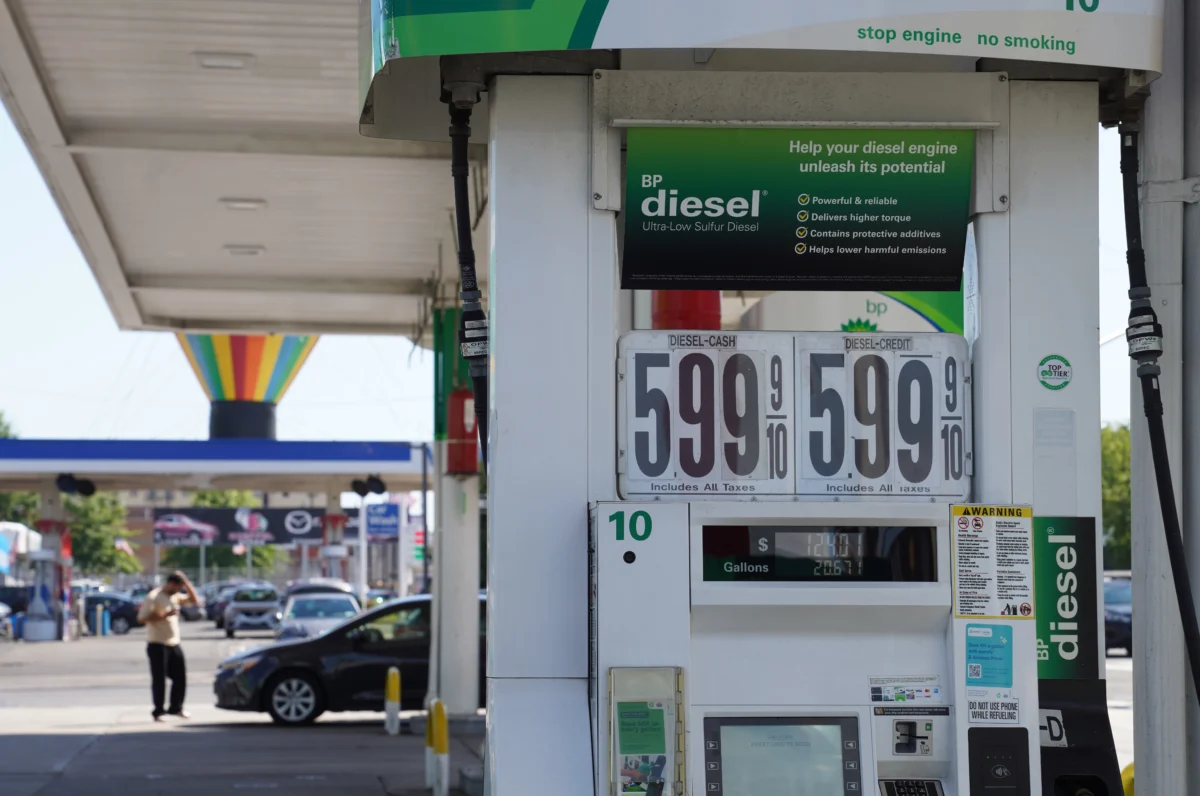
The Federal Reserve is widely anticipated to implement another interest rate hike next week, with market indicators on Thursday pointing to a strong probability of further tightening before the year concludes. This aggressive posture is driven by a confluence of inflationary pressures, including rising wholesale prices, a significant surge in crude oil past the critical $100 per barrel mark, and the escalating economic fallout from persistent geopolitical tensions in the Middle East.
Market Signals and Mounting Pressure on the Federal Reserve
Traders, closely monitoring economic data and global events, pushed the probability of an interest rate increase at the upcoming Federal Open Market Committee (FOMC) meeting to approximately 70% in Thursday’s trading. This sentiment solidified following the release of the August producer price index (PPI) report, which indicated a sustained upward trajectory in wholesale costs. Concurrently, the price of U.S. crude oil breached the $100 per barrel threshold, a psychological and economic benchmark not seen in a considerable period, fueled by renewed anxieties surrounding global supply. The CME Group’s FedWatch tool, a key gauge for market expectations of Fed policy, reflected these heightened probabilities.
Beyond the immediate meeting, market participants also adjusted their forecasts for the remainder of the year, with the likelihood of an additional rate hike in December climbing to nearly 60%. This shift underscores a growing consensus that inflationary dynamics are proving more intractable than previously estimated, necessitating a more resolute response from the central bank. The perceived stubbornness of these inflationary forces suggests that the Fed may need to maintain a restrictive monetary policy for longer, or even intensify it, to bring inflation back to its 2% target.
Jeffrey Roach, chief economist at LPL Financial, articulated the prevailing sentiment, stating, "As the conflict with Iran drags on longer than many expected, inflation pressures are becoming increasingly entrenched, leaving investors in search of a catalyst strong enough to change the inflation narrative. At this rate, a hike in rates next week appears likely." His assessment highlights the dual challenge of domestic cost pressures exacerbated by an unpredictable global energy landscape.
The Resurgence of Inflationary Headwinds: A Deeper Look at PPI
The producer price index (PPI), a critical measure of the average change over time in selling prices received by domestic producers for their output, rose by 0.4% in August. While this figure aligned with consensus forecasts, its significance lies in its context. It followed an upwardly revised 0.1% increase in July, indicating a pattern of accelerating input costs. Cumulatively, these monthly increases pushed the annual PPI level to 5.4%, marginally exceeding analyst predictions.
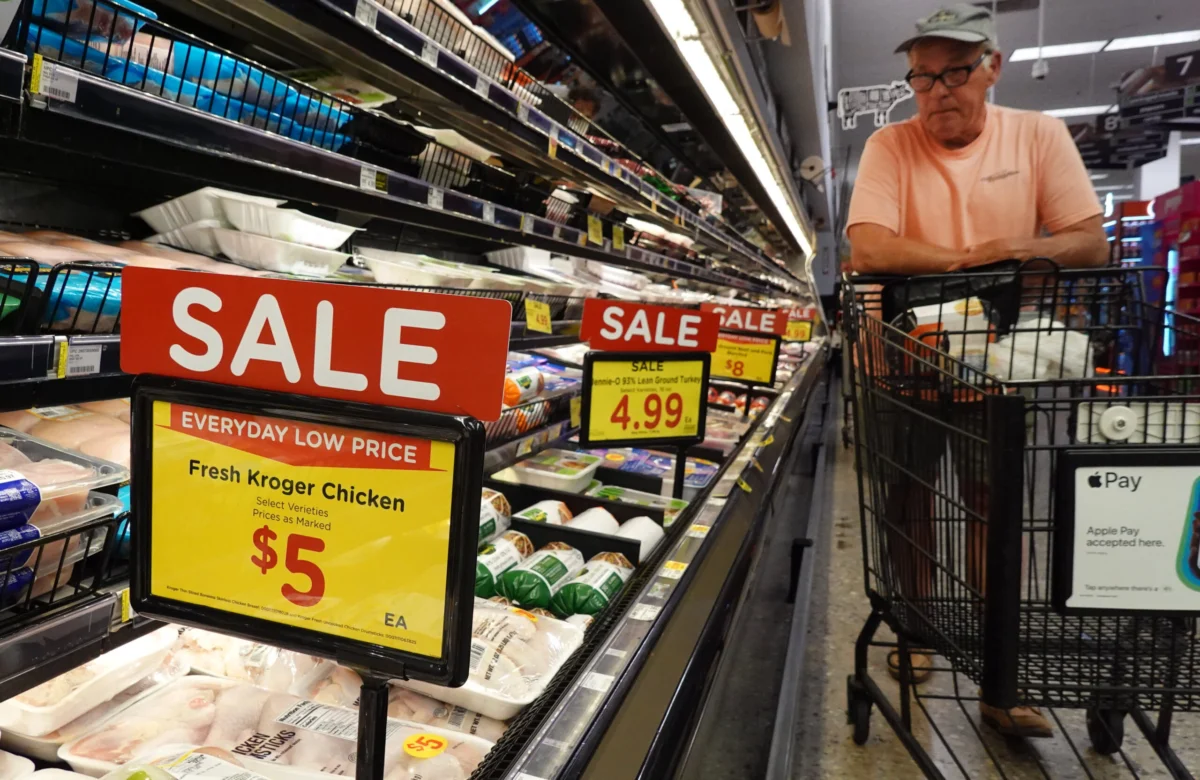
The PPI serves as a leading indicator for consumer inflation, as higher costs for producers often translate into higher prices for consumers down the line. A breakdown of the August PPI revealed broad-based increases across various sectors, including energy, services, and core goods. Input costs for manufacturing, transportation, and warehousing continued their upward climb, reflecting ongoing supply chain bottlenecks, elevated labor costs, and, critically, rising energy expenses. This persistent pressure at the wholesale level signals that the pipeline for consumer price increases remains robust, challenging the narrative of a rapidly decelerating inflation environment. Businesses, facing narrower margins, are increasingly compelled to pass these rising costs onto end consumers, thereby perpetuating the inflationary cycle.
Geopolitical Fallout and Energy Market Volatility: The Iran Conflict’s Impact
A significant driver of the recent market turbulence and inflationary concerns has been the intensified hostilities in the Middle East, particularly the ongoing conflict involving Iran. This geopolitical flashpoint has sent ripples through global commodity markets, most notably impacting crude oil prices. On Thursday, U.S. crude surged by 4%, breaching the psychologically and economically significant $100 per barrel barrier.
The conflict, centered on strategic waterways and regional influence, has heightened fears of supply disruptions in a global energy market already susceptible to volatility. The Strait of Hormuz, a narrow passage between the Persian Gulf and the Gulf of Oman, is a critical chokepoint for global oil shipments, with a substantial portion of the world’s seaborne oil passing through it daily. Any threat to this vital artery immediately translates into supply premium in oil prices. Furthermore, the protracted nature of the conflict, exceeding initial expectations, has led investors to price in a more sustained period of elevated energy costs. This directly impacts transportation, manufacturing, and consumer spending, acting as a broad inflationary accelerant across economies. The spike in oil prices not only affects gasoline and diesel (as evidenced by the image of diesel prices in New York on Sept. 4, 2026) but also feeds into the cost of producing almost every good and service, from plastics and fertilizers to electricity generation and freight.
Historically, geopolitical instability in major oil-producing regions has consistently led to spikes in global energy prices, often triggering broader economic downturns or periods of stagflation. The current situation echoes these historical precedents, forcing central banks worldwide to confront the difficult trade-off between combating inflation and supporting economic growth amidst external shocks.
Global Central Bank Alignment: The ECB’s Precedent
Adding another layer of pressure and signaling a unified global front against inflation, the European Central Bank (ECB) announced a quarter percentage point interest rate hike on Thursday. More notably, the ECB simultaneously raised its inflation forecast, explicitly citing concerns that the protracted Iran conflict would have deeper and more enduring economic impacts, inflicting a longer-term hit on consumer prices across the Eurozone.
The ECB’s decision is particularly influential for the Federal Reserve. It demonstrates that major central banks are aligning in their assessment of global inflationary pressures, particularly those stemming from geopolitical events. This coordinated tightening, or at least a shared hawkish outlook, provides a degree of cover for the Fed to act decisively. It suggests that the inflationary forces are not merely idiosyncratic to the U.S. economy but are part of a broader global phenomenon requiring a robust, collective response. The ECB’s explicit acknowledgment of the Iran war’s inflationary impact underscores the severity of the geopolitical risk being priced into economic forecasts worldwide.
David Russell, global head of market strategy at TradeStation, emphasized the confluence of factors. "More pressure is coming because crude and refined products have kept rising since the August data was collected," Russell noted. "The ongoing spike in oil, combined with low jobless claims, make it hard for the Fed to not hike next week." The reference to low jobless claims highlights another piece of the puzzle: a resilient labor market that, while positive for employment, can contribute to wage pressures and overall demand-driven inflation, further complicating the Fed’s calculus.
The Fed’s Data Dependency: Awaiting the Crucial CPI Report
While the PPI report and surging oil prices have largely cemented expectations for a rate hike, central bank policymakers will receive their final, crucial piece of inflation data on Friday: the consumer price index (CPI) from the Bureau of Labor Statistics. This report, measuring the average change over time in the prices paid by urban consumers for a market basket of consumer goods and services, is closely watched by markets and the Fed alike.
The Dow Jones consensus forecast for the headline annual CPI reading is 3.4%. However, the core CPI, which excludes volatile food and energy components, is projected at a lower 2.4%. While CPI provides a comprehensive snapshot of consumer-level inflation, the Federal Reserve primarily focuses on the Commerce Department’s personal consumption expenditures (PCE) price index as its preferred measure for inflation. This preference stems from PCE’s broader coverage of goods and services and its methodology, which allows for shifts in consumer spending patterns. In July, the core PCE stood at 3.3%, with the headline PCE at 3.7%. Federal Reserve Chairman Kevin Warsh has repeatedly emphasized that the PCE price index is the central bank’s official yardstick for inflation. (Chairman Warsh’s arrival for a press conference on June 17, 2026, pictured, underscores the Fed’s ongoing communication with the public).
Stephen Juneau, a senior U.S. economist at Bank of America, offered a forward-looking assessment. Accounting for the August PPI reading, Juneau estimated that core PCE is currently tracking at a 0.26% monthly rate, which would typically be rounded up to 0.3%. "This could move significantly tomorrow after CPI, but if we are correct, it should greenlight a hike at next week’s Fed meeting," Juneau stated in a note to clients. Bank of America holds one of the more hawkish forecasts on Wall Street, anticipating three rate increases at upcoming meetings. While this outlook currently diverges from the broader market consensus reflected in futures pricing, recent economic and geopolitical developments lend increasing credence to a more aggressive stance from the Fed in its battle against inflation.
Voices from Wall Street: Analyst Perspectives and the Broader Picture
The debate among economists and market strategists centers on the persistence and breadth of inflationary pressures. While some hope for a moderation in consumer prices to provide the Fed with room to pause, others argue that the underlying dynamics necessitate continued tightening.
Peter Boockvar, chief investment officer at OnePoint BFG Wealth Partners, cautioned against an over-reliance on consumer price data alone. He argued that even a softer CPI reading might merely indicate that companies are facing increased difficulty in passing through their higher costs to consumers, rather than a genuine easing of inflationary pressures. "Those who just look at consumer prices for their inflation information and interest rate predictions are not looking at the complete picture, and today’s PPI is evidence still of an inflation problem throughout the supply chain," Boockvar asserted. His perspective highlights the importance of analyzing the entire inflation ecosystem, from producer input costs to consumer demand, rather than focusing on a single indicator.
The consensus building for a September hike reflects a shift in market sentiment from earlier in the year, when many hoped the Fed might be nearing the end of its tightening cycle. The re-emergence of supply-side shocks, coupled with robust demand in certain sectors and persistent wage growth, has forced a recalibration of these expectations. Analysts are now grappling with the potential for inflation to become more deeply embedded in the economy, a scenario that would necessitate a prolonged period of higher interest rates.
The Federal Reserve’s Mandate and Monetary Strategy
The Federal Reserve operates under a dual mandate from Congress: to achieve maximum employment and stable prices. In the current environment, the emphasis has squarely shifted towards achieving price stability, as persistently high inflation erodes purchasing power, distorts economic decision-making, and can lead to broader economic instability. The primary tool the Fed employs to achieve this is adjusting the federal funds rate, which influences borrowing costs throughout the economy.
When the Fed raises interest rates, it aims to cool demand by making borrowing more expensive for businesses and consumers. This, in theory, should lead to a reduction in spending and investment, thereby alleviating inflationary pressures. However, this process is not without risks. An overly aggressive tightening cycle can lead to a significant slowdown in economic activity, potentially triggering a recession and increasing unemployment, thus conflicting with the other half of its dual mandate. The Fed’s challenge is to find the delicate balance – to tame inflation without stifling economic growth excessively. The current geopolitical backdrop and its direct impact on energy prices further complicate this balancing act, as central banks have limited tools to address supply-side shocks effectively.
Broader Economic Implications and Future Outlook
The implications of continued interest rate hikes are far-reaching. For consumers, higher rates translate into more expensive mortgages, car loans, and credit card debt, impacting household budgets. Businesses may face higher borrowing costs for expansion and investment, potentially leading to slower job creation and reduced capital expenditure. Equity markets typically react negatively to rising interest rates, as higher borrowing costs can dampen corporate profits and make fixed-income investments more attractive relative to stocks. The housing market, in particular, is highly sensitive to interest rate changes, with rising mortgage rates potentially cooling demand and house price growth.
Looking ahead, the trajectory of inflation and the Federal Reserve’s policy response will largely depend on several critical factors: the evolution of the Iran conflict and its impact on global energy supplies, the ongoing resilience of the U.S. labor market, and the extent to which global supply chain disruptions persist or ease. Should inflation prove more entrenched than current forecasts suggest, the Fed may be compelled to continue raising rates beyond current market expectations, potentially increasing the risk of an economic downturn. Conversely, a rapid de-escalation of geopolitical tensions and a significant easing of commodity prices could provide the Fed with more flexibility to temper its hawkish stance. For now, however, all signs point to a central bank determined to prioritize price stability, even if it means navigating a path through economic uncertainty.