Ena Muazin
The influential oil-producing alliance, OPEC plus, has announced a significant decision to maintain its current production targets for the upcoming month of October, marking a notable departure from its recent strategy of incremental increases. This decision comes after a period of consistent upward adjustments to output quotas since the autumn of the previous year. A core group of seven member nations, prominently featuring major oil producers Saudi Arabia and Russia, confirmed the continuation of existing production levels following an online ministerial meeting.
Background: A Shift in Strategy Amidst Global Instability
This strategic pause by OPEC plus signals a potential recalibration of the cartel’s approach to managing global oil supply in response to evolving geopolitical and economic pressures. For much of the past year, the alliance had been gradually increasing production quotas, aiming to reverse the significant cuts implemented in 2023 and to stabilize a market influenced by various factors. However, recent data from the Organization of the Petroleum Exporting Countries (OPEC) in Vienna indicates that actual production has fallen short of these agreed-upon targets.
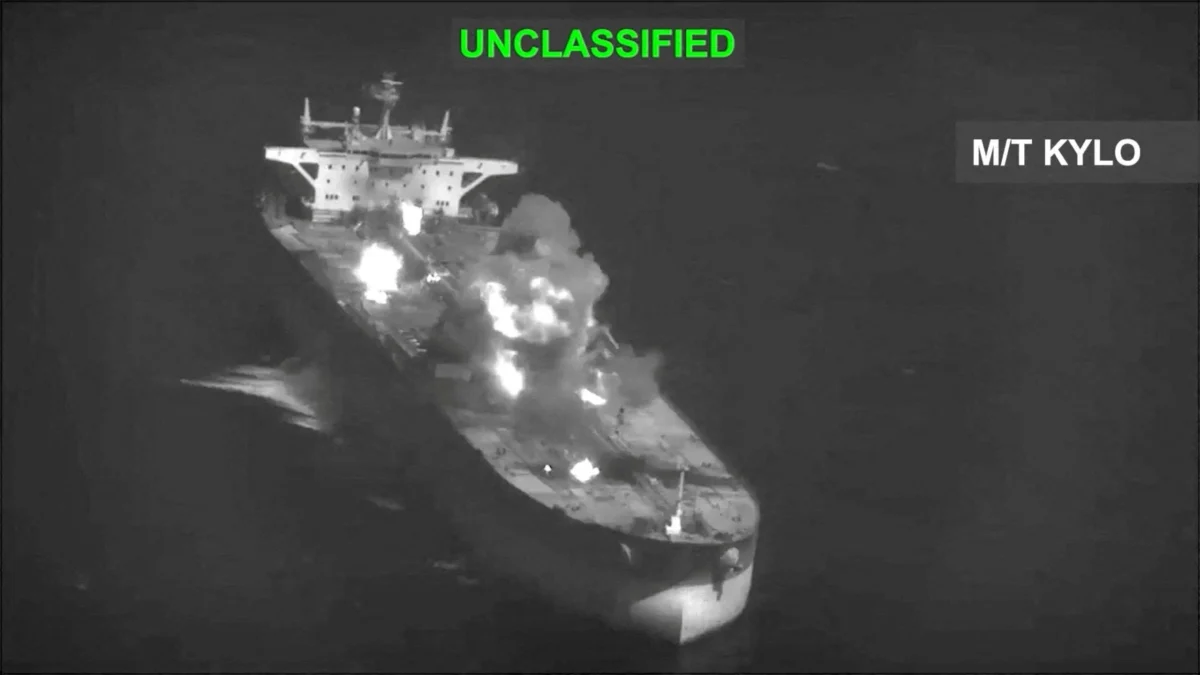
The primary drivers behind this shortfall are multifaceted, with the ongoing conflict in Iran and the subsequent disruption to oil transport routes through the Strait of Hormuz cited as key contributing factors. These geopolitical tensions have created significant uncertainty in the energy markets, impacting supply chain reliability and adding a layer of complexity to production planning.

Genesis and Evolution of OPEC plus
The OPEC plus coalition was formed in 2016 when OPEC, the long-standing organization of oil-exporting countries, partnered with a group of other influential oil producers, most notably Russia. The overarching objective of this collaboration was to exert greater control over global oil supply and, consequently, to influence crude oil prices in the international market. Over time, a core group within OPEC plus, spearheaded by Riyadh and Moscow, has emerged as the de facto steering committee for the alliance’s production policies. This core group’s decisions carry substantial weight and often dictate the overall direction of the cartel’s output strategies.
Declining Influence and Regional Dynamics
Despite the coordinated efforts of OPEC plus to manage the oil market, the alliance’s overall influence has seen a discernible decline in recent times. The current global energy landscape is increasingly dominated by the dynamics of conflicts in the Middle East, which are creating significant volatility and influencing pricing far beyond the direct control of any single producer group. The ongoing geopolitical realignments and the emergence of new energy supply routes and demands are contributing to a more complex and less predictable market environment.
The decision to halt production increases, therefore, can be interpreted as a pragmatic response to these challenging conditions. By maintaining current output levels, OPEC plus may be seeking to avoid exacerbating market volatility or to assess the full impact of regional conflicts before committing to further production adjustments. This stance suggests a cautious approach, prioritizing stability and predictability in an increasingly uncertain global energy arena.
Production Shortfalls: A Deeper Dive
The persistent production shortfalls reported by OPEC members underscore the practical challenges faced by the alliance. While targets are set, the ability to consistently meet them is contingent on a myriad of factors, including operational capacities, geopolitical stability within member states, and the security of vital trade routes. The Strait of Hormuz, a critical chokepoint for global oil shipments, has been a recurring area of concern, with any perceived threat to its security capable of sending shockwaves through the market.

The data revealing these shortfalls provides a crucial insight into the operational realities on the ground. It suggests that even with the best intentions and coordinated agreements, external factors can significantly impede a nation’s ability to extract and export its allocated quota of oil. This highlights the interconnectedness of geopolitical events and energy market stability, demonstrating that decisions made in regional conflict zones can have direct and immediate repercussions on global oil supply.
Implications for the Global Oil Market
The decision by OPEC plus to freeze production targets has several immediate implications for the global oil market. Firstly, it signals a period of potential price stability, as the market will not be flooded with additional supply. This could be a welcome development for oil-producing nations looking to maintain current revenue streams. However, it also presents challenges for major oil-consuming nations and for those seeking to curb inflation, as sustained or rising oil prices can contribute to broader inflationary pressures.

Secondly, the move suggests that OPEC plus is prioritizing market stability and the management of existing supply over aggressively increasing output. This cautious approach might be a reflection of concerns about future demand, the potential for renewed economic downturns, or the continued impact of geopolitical risks. It also indicates a potential shift in the alliance’s strategy from simply increasing supply to a more nuanced approach that considers the broader economic and political environment.
Thirdly, the continued underproduction relative to targets suggests that the market might be tighter than official figures indicate. If actual production is consistently below agreed-upon levels, the available global supply could be more constrained, potentially leading to upward pressure on prices, especially if demand remains robust or increases.

Reactions and Future Outlook
While official statements from OPEC plus members have been measured, focusing on the technicalities of production adjustments, industry analysts and market observers are closely scrutinizing the decision. Some anticipate that this move could lead to a more robust price environment for oil in the short to medium term, as the supply increase that might have been expected has now been put on hold.
Others suggest that the decision reflects a growing awareness within OPEC plus of the fragile nature of the global economy and the potential for demand destruction if prices were to rise too rapidly. The alliance may be attempting to strike a delicate balance between supporting the revenues of its member states and avoiding actions that could trigger a significant economic slowdown, which would ultimately harm oil demand.

Looking ahead, the stability of global oil prices and supply will likely continue to be heavily influenced by geopolitical developments, particularly in the Middle East. The decisions of OPEC plus will remain a critical factor, but the ability of the alliance to fully implement its strategies will be tested by external events and the operational realities faced by its member nations. The coming months will provide further clarity on whether this pause in production increases is a temporary measure or a more sustained shift in OPEC plus’s market management strategy. The interplay between geopolitical stability, global economic health, and the production decisions of major oil players will be closely watched by governments, businesses, and consumers worldwide.