Putri Inara
A 2023 report by the Content Marketing Institute indicated that 81% of consumers need to trust a brand before they consider buying from them. In the context of blogging, this trust is built through personalization. Ten specific case studies of high-performing bloggers demonstrate how varied strategies—from visual consistency to polarizing tone—can be leveraged to transform a generic informational site into a high-impact digital brand.
The Evolution of the Blogging Identity: A Chronology
To understand the current emphasis on personalization, one must examine the chronological shift in digital publishing. In the early 2000s, blogging was largely synonymous with "weblogging," serving as a digital diary. By 2010, the "Content Mill" era arrived, where bloggers prioritized SEO-driven, keyword-heavy articles to capture search traffic, often at the expense of unique voice.
However, by 2017, the saturation of generic content led to "content fatigue." This necessitated a shift toward the "Authority" or "Creator" model. Today, the most successful digital properties are those that combine rigorous information with a recognizable human persona. The following strategies represent the current industry standards for personalizing digital platforms.
Case Study 1: Visual Narrative and the ‘Human Connection’
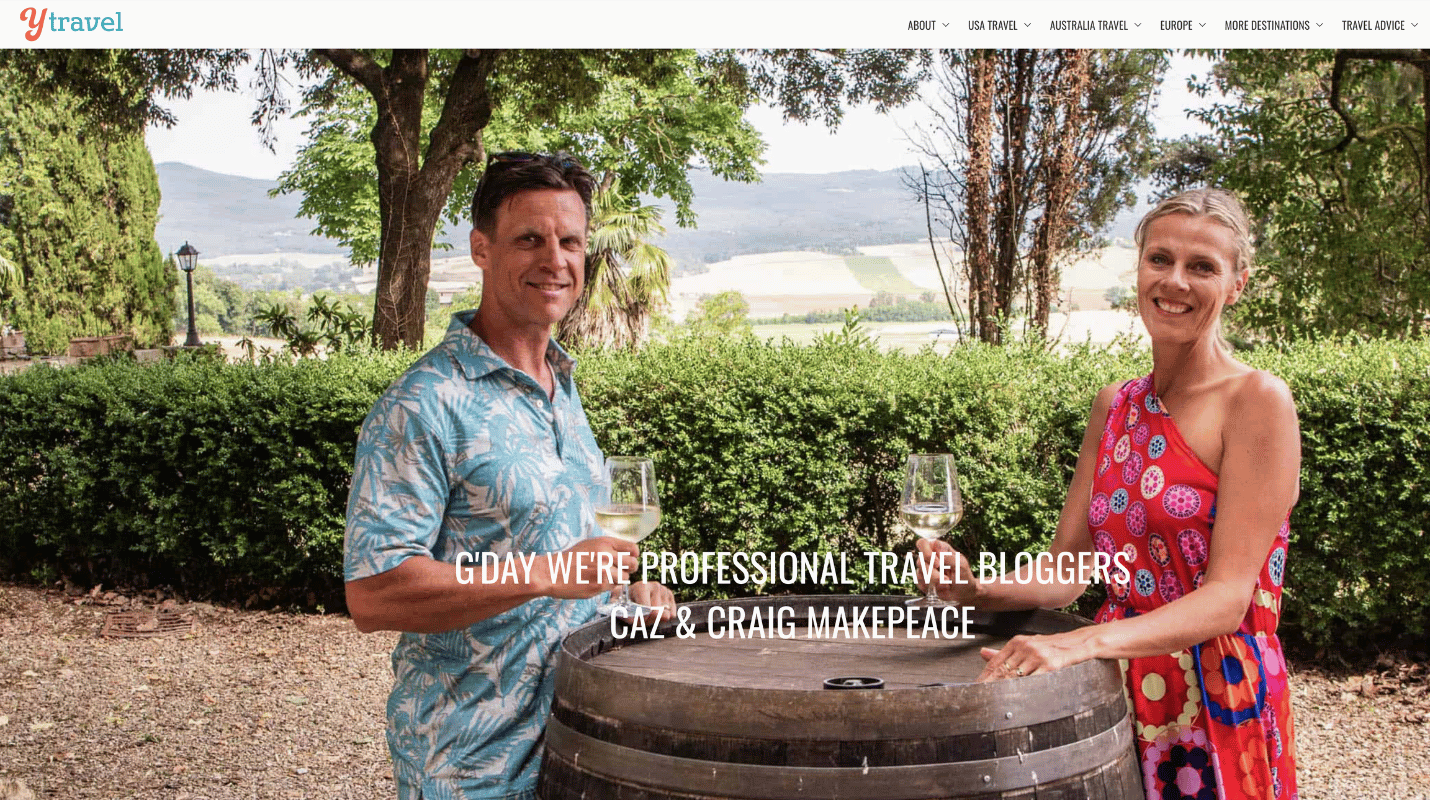
Caz and Craig of YTravel illustrate the critical role of high-fidelity, personal photography in niche markets like travel and lifestyle. According to data from Skyword, content including relevant images receives 94% more views than content without.
YTravel utilizes a mix of professional-grade family photography and candid snapshots. By featuring themselves and their children in their content, they shift the focus from "where to go" to "how we went there." This strategy humanizes the travel advice, making the recommendations feel like personal correspondence rather than a corporate brochure.
Case Study 2: Personality as a Brand Asset
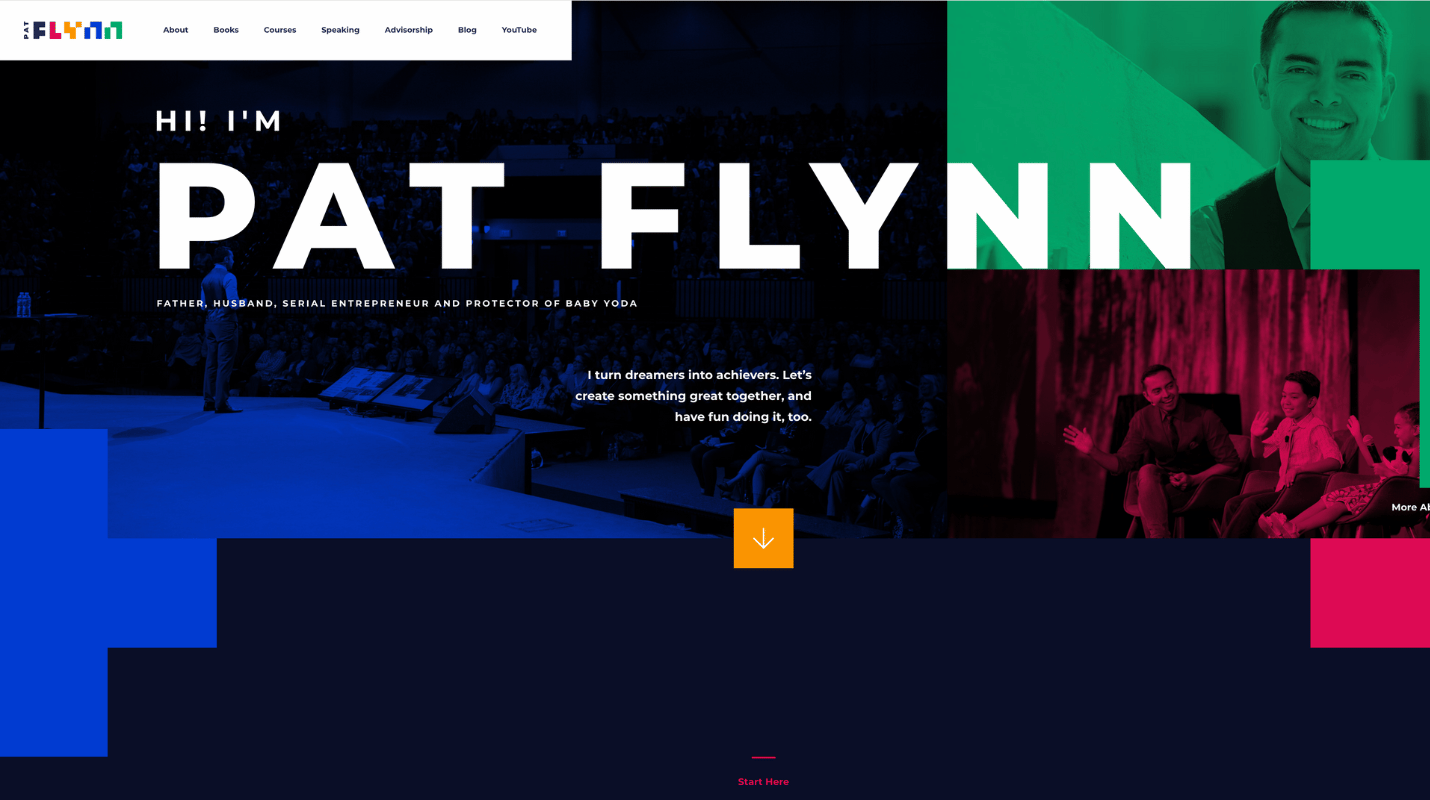
Pat Flynn of Smart Passive Income (SPI) has built an audience by integrating his personal identity directly into the site’s architecture. Flynn employs what marketers call "the approachable expert" archetype. By listing himself as a "father, husband, and serial entrepreneur" and adding humorous touches like "protector of Baby Yoda," he breaks the "fourth wall" of professional blogging.
This approach serves a dual purpose: it builds relatability while establishing authority. Research into "parasocial relationships" suggests that audiences who feel they know a creator on a personal level are significantly more likely to engage with their paid offerings and community initiatives.
Case Study 3: The Strategic Use of Polarizing Tone
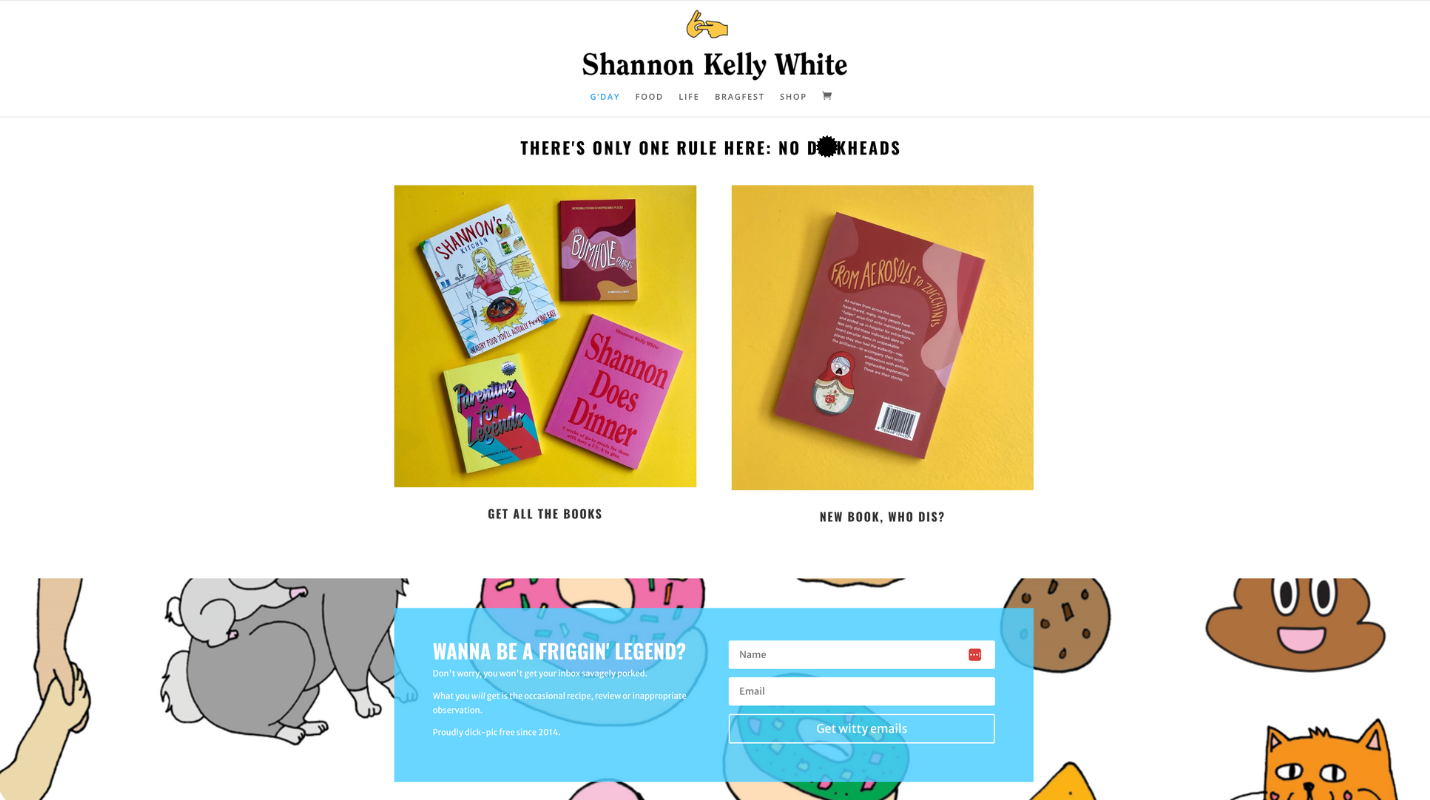
Shannon Kelly White exemplifies the use of a "strong, identifiable tone" to filter an audience. White utilizes unfiltered, often profane language as a central pillar of her brand. While this approach risks alienating a segment of the market, it creates an intensely loyal "in-group" of readers who resonate with her authenticity.
In digital marketing, this is known as "attraction through repulsion." By being unapologetically herself, White ensures that those who remain on her site are highly aligned with her values, leading to higher engagement rates and a more cohesive community.
Case Study 4: Visual Branding Through Custom Illustration
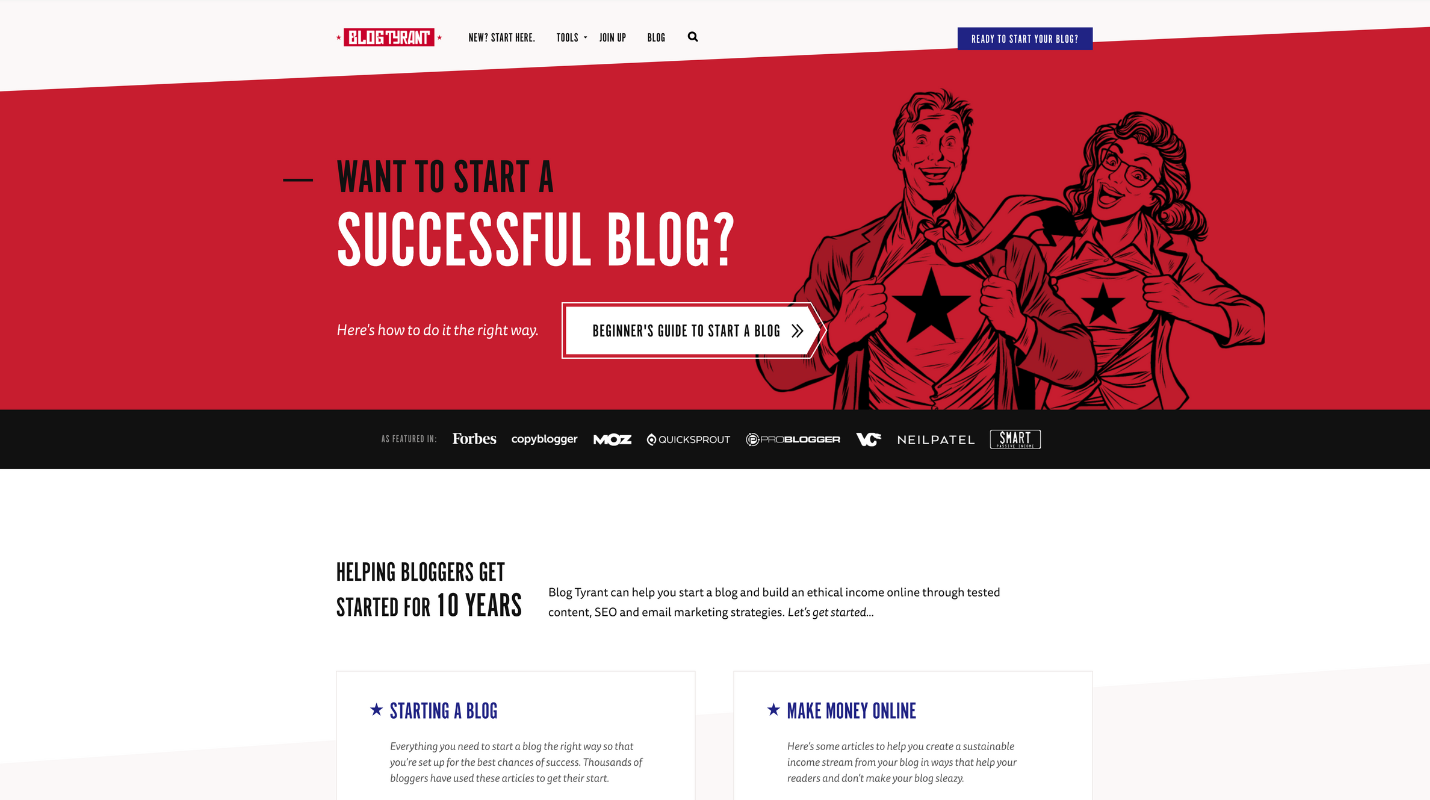
Ramsey, known as the Blog Tyrant, utilizes custom illustrations to create a memorable brand mascot. The "red-shirted blogging super-hero" avatar appears across his homepage, featured images, and lead magnets.
Psychological studies on brand recognition indicate that symbols and characters are processed faster by the human brain than text. By using a consistent illustration, Ramsey ensures that his content is instantly recognizable in a crowded social media feed, even before a reader sees the URL or the author’s name.
Case Study 5: The ‘About Page’ as a Conversion Tool
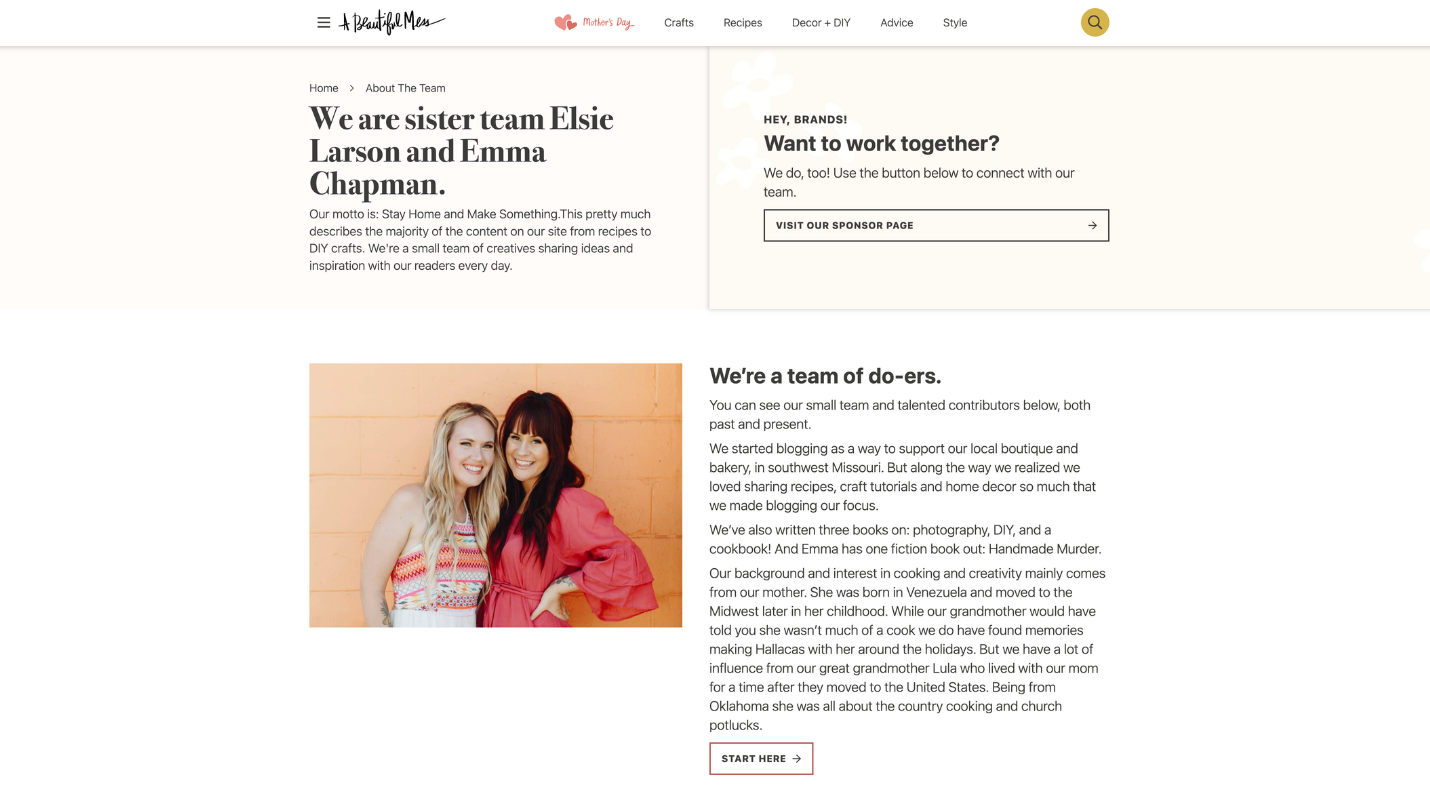
Elsie and Emma of A Beautiful Mess treat the "About" page not as a secondary biography, but as a primary landing page. For many blogs, the "About" page is the second most visited page on the site.
The sisters utilize bright, bold photography and a concise value proposition to tell their story quickly. Their success suggests that readers are not just looking for information; they are looking for the people behind the information. A well-designed "About" page acts as the "handshake" of the digital world.
Case Study 6: Cross-Platform Consistency
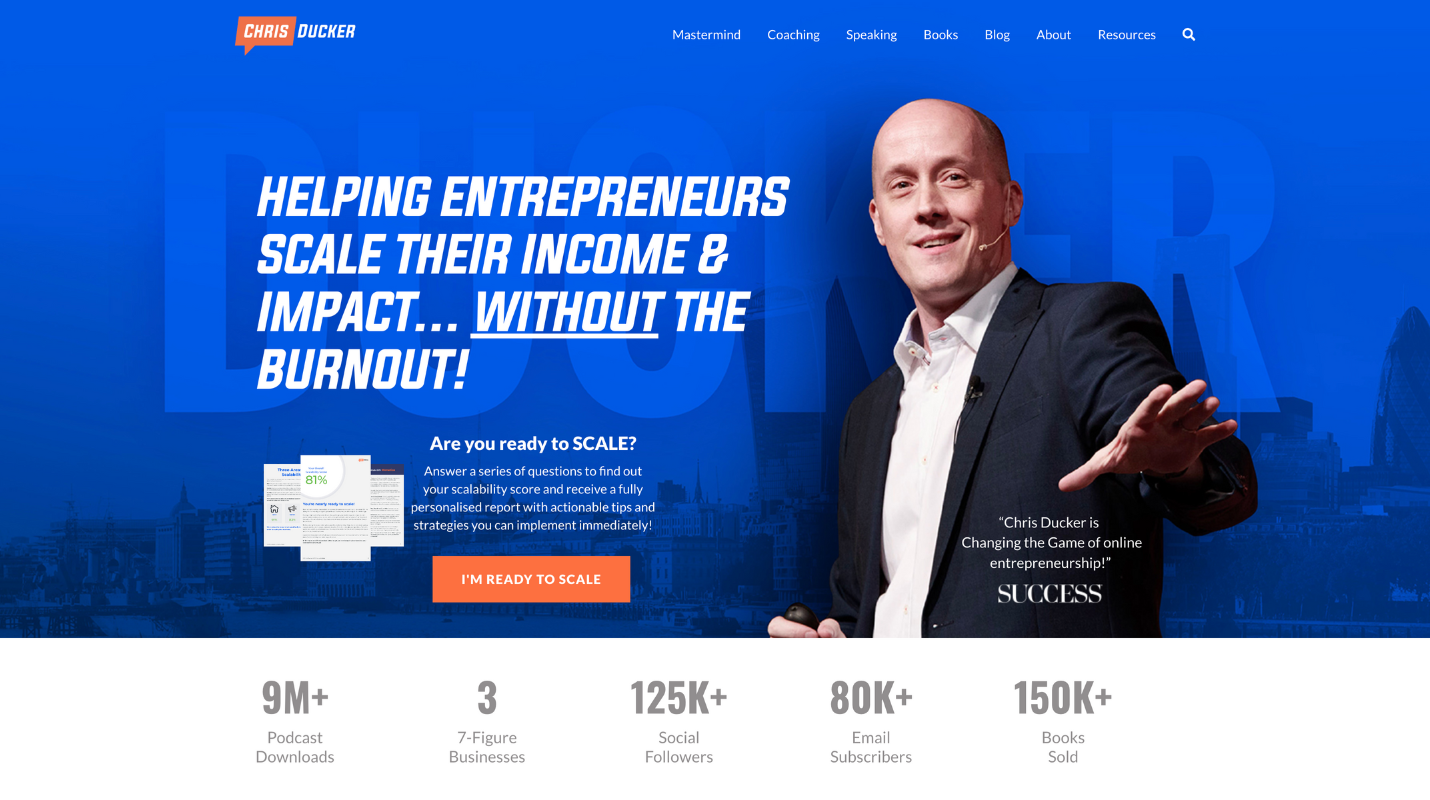
Chris Ducker, a business mentor and author, focuses on "brand cohesion." Ducker uses the same professional headshots and color palettes across his blog, Twitter, Facebook, and LinkedIn profiles.
The "Rule of 7" in marketing states that a prospect needs to see a brand at least seven times before they take action. When a creator provides a consistent visual experience across multiple platforms, they reduce the cognitive load on the reader, making the brand feel more stable and professional.
Case Study 7: Color Psychology and Brand Warmth
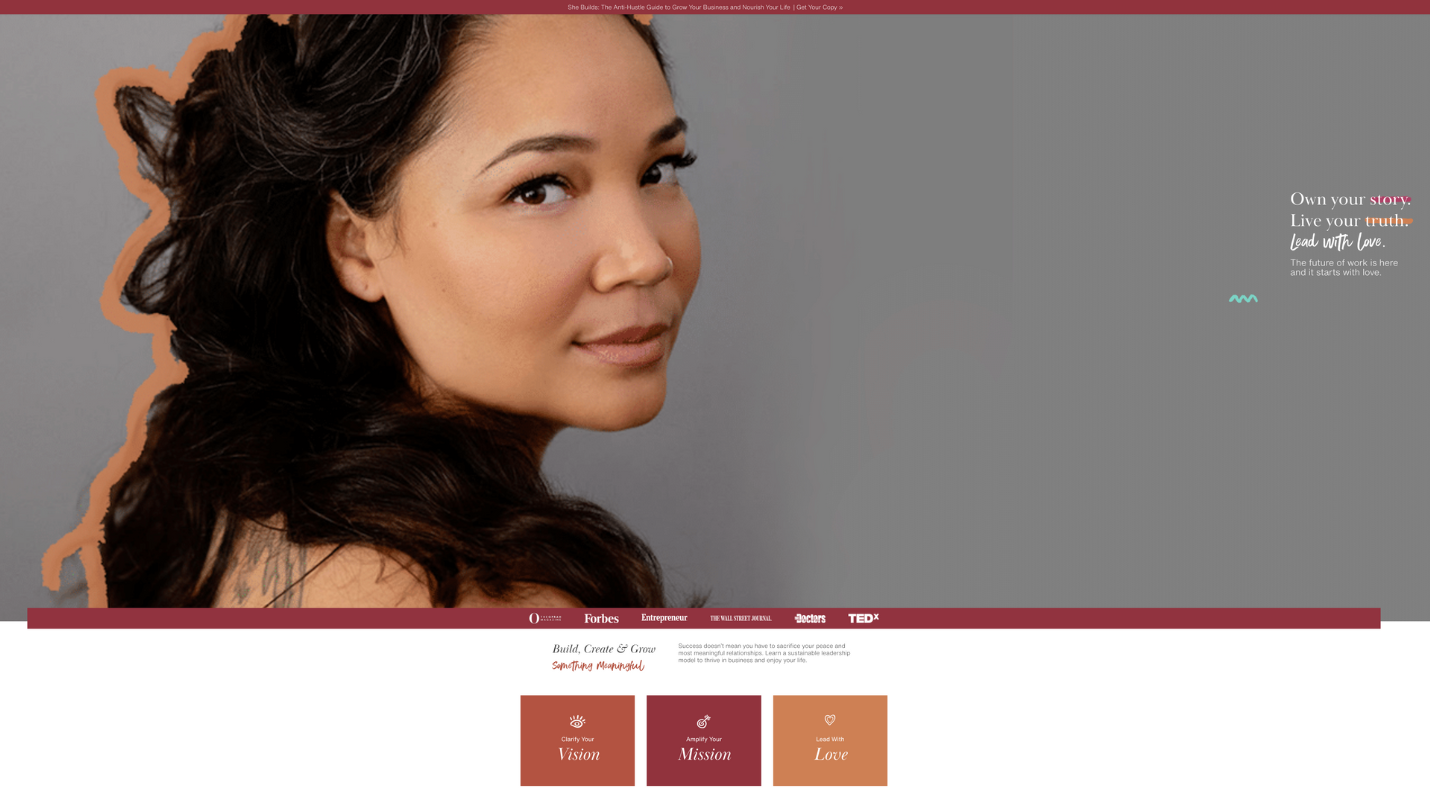
Jadah Sellner utilizes color psychology to evoke specific emotional responses. Her site features a warm, earthy palette that extends to her photography and clothing.
Color increases brand recognition by up to 80%, according to a study by the University of Loyola. Sellner’s choice of a "warm makeup palette" creates a sense of approachability and calm, which aligns with her brand’s focus on holistic business growth and well-being.
Case Study 8: The Brand Statement and Audience Identification
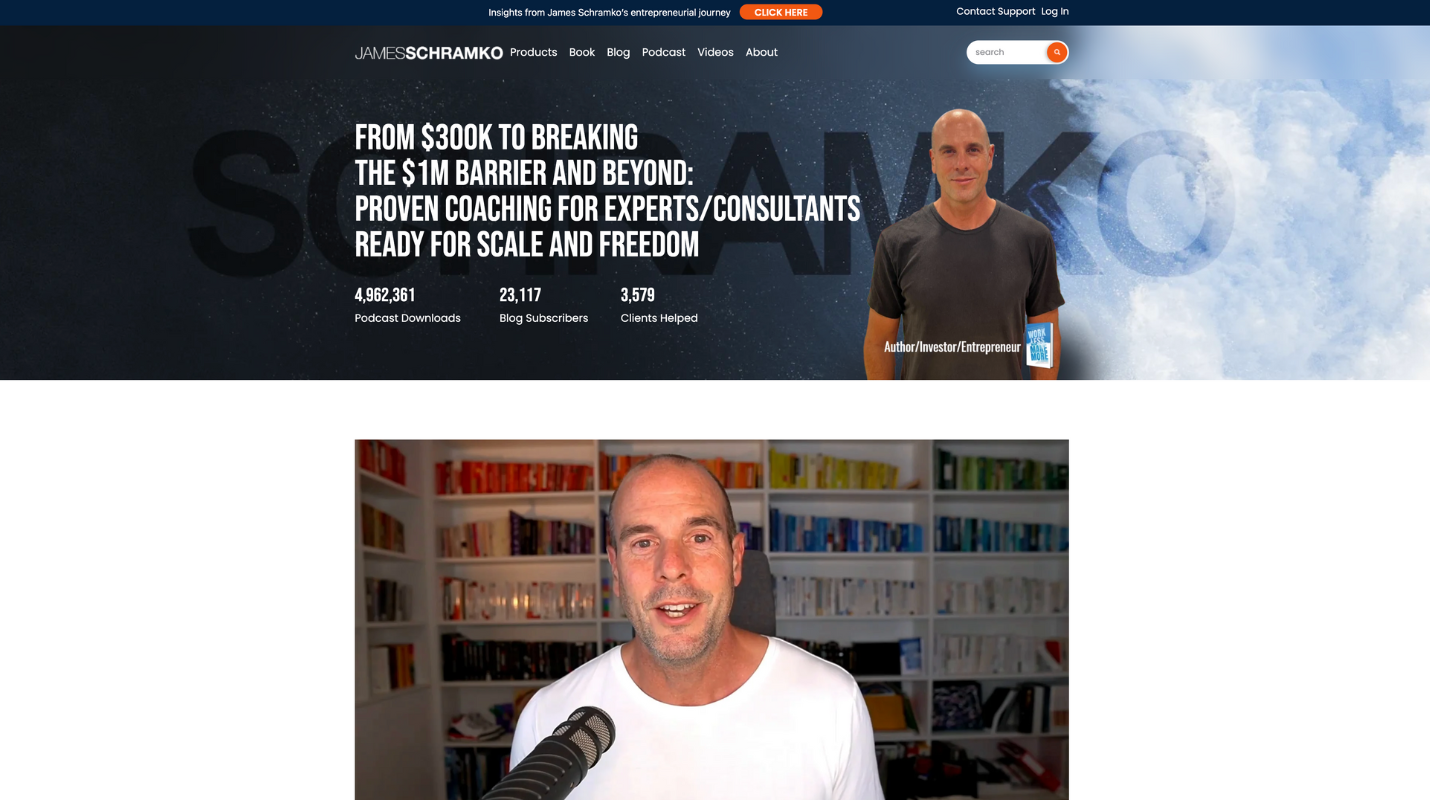
James Schramko of SuperFastBusiness utilizes a direct "Brand Statement" to qualify his visitors immediately. By stating exactly who his coaching services are for, he eliminates ambiguity.
From a journalistic and business perspective, this is a "Value Proposition." It tells the reader, "You are in the right place if you fit this description." This clarity reduces bounce rates and ensures that the traffic he receives is high-intent and relevant to his business model.
Case Study 9: Taglines and Direct Calls to Action (CTA)
Kelly Exeter demonstrates the power of a streamlined tagline. Her approach follows a proven formula: "[Name] is a [Profession] who helps [Audience] [Achieve Result]."
This structural clarity is paired with a direct CTA: "FIND OUT HERE." In an era of shrinking attention spans—now estimated at roughly eight seconds—Exeter’s ability to communicate her value proposition instantly is a critical competitive advantage.
Case Study 10: Audience Categorization and Interactive Personalization
Emily Wapnick of Puttylike uses a quiz titled "Are You a Multipotentialite?" to personalize the reader’s experience. This is a sophisticated form of "interactive content."
By helping the reader define themselves through her proprietary terminology, Wapnick creates a sense of belonging. According to DemandGen, interactive content generates twice as many conversions as passive content. The quiz acts as both a lead magnet and a psychological anchor, turning a casual visitor into a member of her "Multipotentialite" community.
Data-Driven Analysis of Personalization Impact
The efficacy of these personalization strategies is supported by broader industry data. A 2022 survey by Orbit Media of over 1,000 bloggers found that those who described their brand as having a "strong, personal voice" reported 25% higher satisfaction with their blog’s results compared to those who focused solely on informational content.
Furthermore, "E-E-A-T" (Experience, Expertise, Authoritativeness, and Trustworthiness)—a framework used by Google to evaluate content quality—increasingly rewards sites that show clear evidence of a real person with genuine experience behind the content. Personalization is no longer just a stylistic choice; it is a search engine requirement.
Implications for the Future of Digital Media
As generative Artificial Intelligence (AI) begins to flood the internet with generic, high-volume content, the "personality moat" will become the most significant asset for human creators. While AI can synthesize facts and follow SEO best practices, it cannot replicate the lived experience, quirky humor, or specific visual identity of a human blogger.
The strategies employed by the aforementioned ten bloggers suggest that the future of the internet belongs to "niche authorities." These are individuals who do not try to appeal to everyone, but instead use their unique personalities to build deep, meaningful connections with a specific audience. The transition from "content creator" to "personal brand" is the defining shift of the current decade, marking the end of the anonymous internet and the rise of the human-centric web.