Ena Muazin
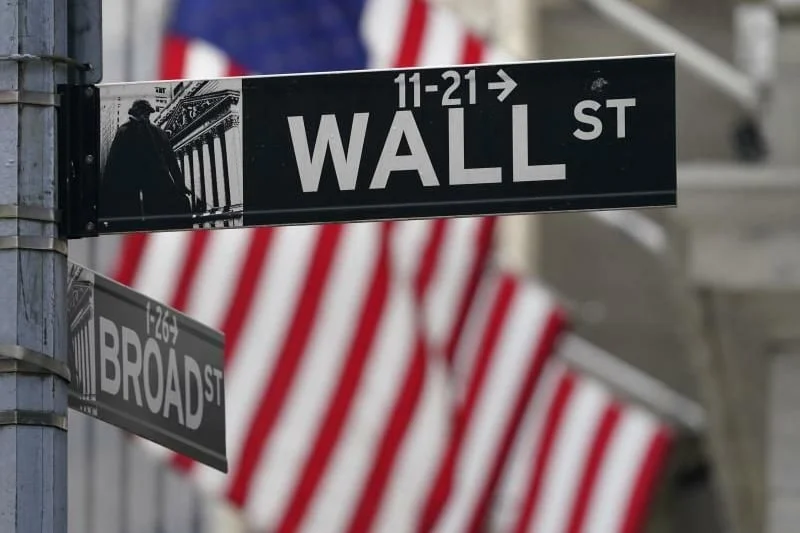
New York – U.S. stock markets concluded the trading week on a downbeat note, with major indices registering losses as investors grappled with the implications of a surprisingly robust August jobs report. The unexpectedly strong employment figures have rekindled anxieties that the Federal Reserve may be compelled to pursue further interest rate hikes, casting a shadow over market sentiment ahead of the extended Labor Day weekend.

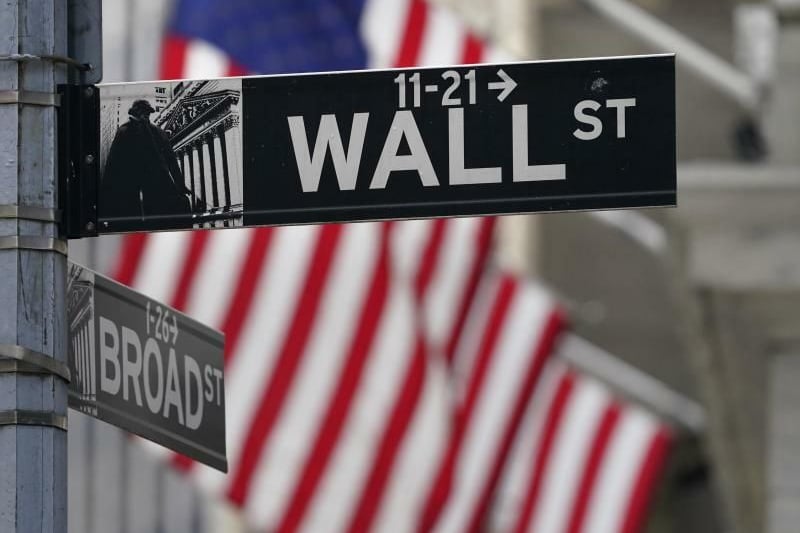
The Dow Jones Industrial Average, the S&P 500, and the Nasdaq Composite all closed in negative territory on Friday, reflecting a cautious market environment. The release of the August employment data injected a fresh wave of uncertainty into an already complex economic landscape, prompting a reassessment of the Federal Reserve’s monetary policy trajectory.
August Jobs Report Exceeds Expectations, Fuels Rate Hike Speculation
The U.S. Bureau of Labor Statistics reported on Friday that nonfarm payrolls increased by a substantial 162,000 in August, significantly surpassing the consensus forecast of 56,000 jobs anticipated by economists surveyed by Reuters. This figure represents a marked acceleration from the revised 21,000 jobs added in July, a stark contrast to the initial report of a 23,000 job loss for that month. The unemployment rate, a key indicator of labor market health, remained steady at 4.1 percent in August, signaling continued tightness in the labor market.
This robust job creation suggests that the U.S. economy is demonstrating greater resilience than many analysts had predicted. While positive for overall economic growth, the strength of the labor market can also be interpreted as inflationary pressure. A tight labor market often leads to increased wage growth, which can then translate into higher consumer spending and, consequently, broader price increases.
Historical Context: The Fed’s Inflation Fight
The Federal Reserve has been engaged in an aggressive campaign to tame inflation, which reached multi-decade highs in 2022. This campaign has involved a series of significant interest rate hikes, aiming to cool demand and bring inflation back to the Fed’s target of 2 percent. However, the persistent strength of the labor market has presented a complex challenge for policymakers.

The central bank has consistently emphasized its data-dependent approach, meaning that economic indicators, such as employment and inflation figures, play a crucial role in shaping its monetary policy decisions. A strong jobs report, while indicative of a healthy economy, can also signal that the labor market may not be cooling sufficiently to curb inflationary pressures, thereby increasing the likelihood of further rate hikes.
Market Reaction: Concerns Over Monetary Policy Tightening
The market’s negative reaction to the jobs report underscores the prevailing concern among investors: that the Federal Reserve will be forced to maintain its hawkish stance, or even escalate it, to ensure inflation is brought under control. Higher interest rates generally make borrowing more expensive for businesses and consumers, which can slow economic activity and reduce corporate profitability. This, in turn, can lead to lower stock valuations.
"More meat than fish: the labor market data rather tip the scales for the Fed to raise the key interest rate," commented Bastian Hepperle, an analyst at Privatbank Bethmann Hal. He added, "The decisive factor for the interest rate balance will be the upcoming producer and consumer price indices. If the Fed’s conviction grows that inflation dynamics are picking up again, it can no longer stand idly by."
This sentiment was echoed across financial markets. The prospect of higher borrowing costs for longer has dampened investor appetite for riskier assets, such as stocks. The closing figures for the major indices reflect this cautious sentiment.

Dow Jones Industrial Average
The Dow Jones Industrial Average, a price-weighted index of 30 large, publicly traded companies, experienced a decline. This broad-based index’s performance often reflects the health of established industries and is sensitive to shifts in monetary policy. The retreat in the Dow suggests that concerns about the cost of capital are impacting even the most established corporations.
S&P 500
The S&P 500, a market-capitalization-weighted index representing the performance of 500 of the largest companies listed on U.S. stock exchanges, also ended the day lower. As a broader measure of the U.S. equity market, its decline indicates a general weakening of investor confidence across a wider spectrum of the economy. The index’s performance is closely watched as a barometer of overall market health.

Nasdaq Composite
The Nasdaq Composite, known for its heavy weighting of technology and growth stocks, also saw its value decrease. While growth companies can often benefit from periods of economic expansion, they can also be more sensitive to interest rate hikes, as their future earnings are discounted more heavily at higher rates. The dip in the Nasdaq suggests that even sectors that have shown strong growth potential are not immune to the headwinds of potential monetary tightening.
Broader Economic Implications and Future Outlook
The August jobs report serves as a critical data point in the ongoing narrative of U.S. economic performance and the Federal Reserve’s response. While the strength of the labor market is a positive indicator, it simultaneously raises the specter of renewed inflationary pressures.

The upcoming release of producer price index (PPI) and consumer price index (CPI) data will be crucial in determining the Federal Reserve’s next move. If these inflation indicators show a renewed upward trend, it could solidify expectations for another rate hike by the Fed. Conversely, any signs of moderating inflation would provide the Fed with greater flexibility and potentially ease concerns about further tightening.
The market’s sensitivity to these economic reports highlights the delicate balance policymakers are attempting to strike: cooling inflation without triggering a significant economic downturn. The current data suggests this balance remains precarious.

Expert Analysis and Market Sentiment
Financial analysts are closely monitoring the situation, with many expressing a cautious outlook. The unexpected strength in employment figures has introduced a new layer of complexity to the economic forecasting landscape. The divergence between a strong labor market and the Fed’s primary objective of price stability creates an inherent tension.
The current market sentiment suggests that investors are prioritizing the potential for higher interest rates over the immediate benefits of a robust job market. This is a common reaction when the specter of inflation looms large, as sustained high inflation can be more damaging to long-term economic prosperity than a temporary slowdown.

The extended Labor Day weekend provides a brief respite from the daily ebb and flow of market trading. However, the underlying concerns about inflation and monetary policy are likely to remain front and center as investors prepare for the next wave of economic data and policy pronouncements. The coming weeks will be critical in shaping the market’s trajectory as it navigates the complexities of the current economic environment. The Federal Reserve’s ability to achieve a "soft landing"—curbing inflation without causing a recession—remains a central focus for economists and investors alike. The August jobs report has certainly made that objective more challenging, increasing the stakes for upcoming inflation data and future Fed decisions.