Putri Inara
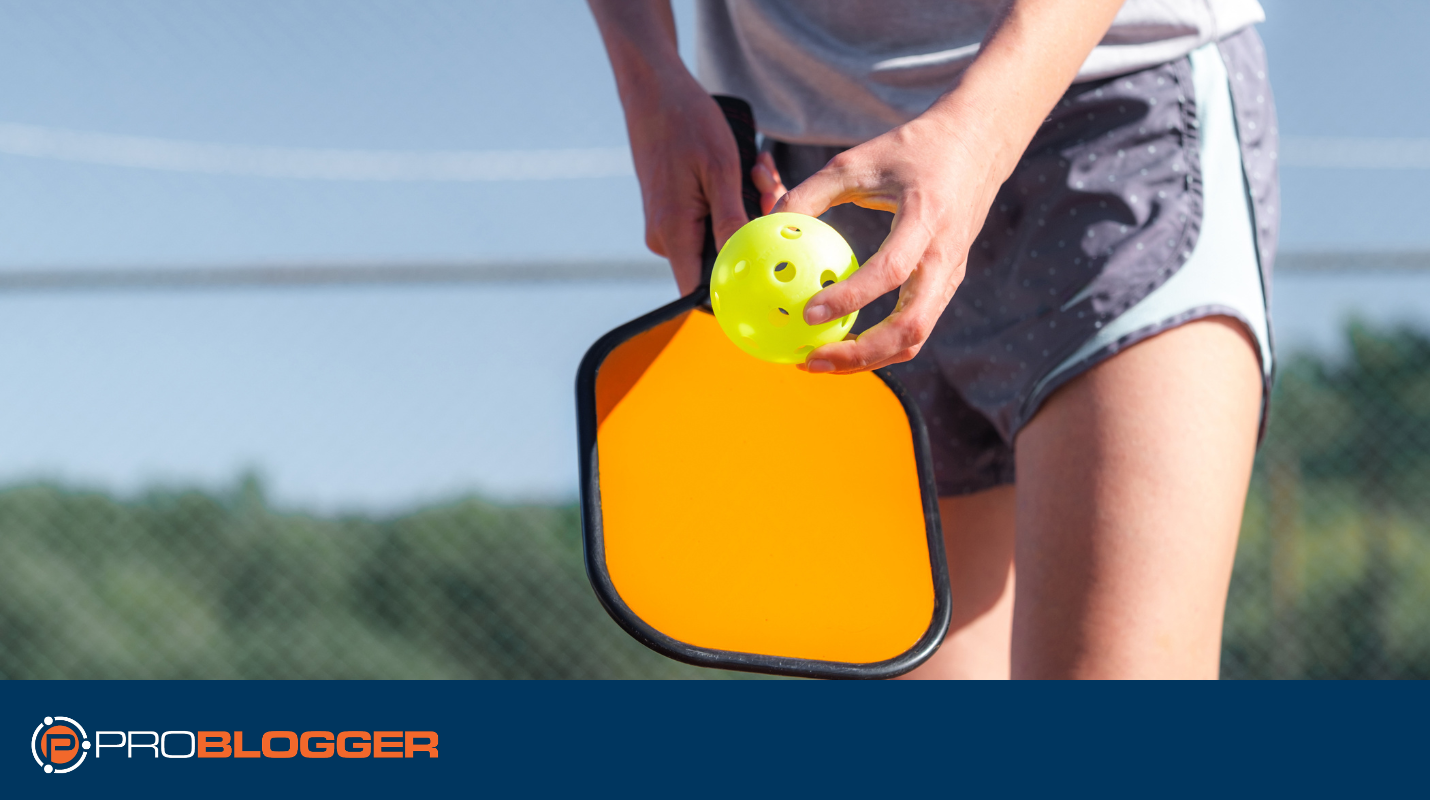
The rapid ascension of pickleball from a niche backyard activity to a global sporting phenomenon provides a unique framework for analyzing modern digital content strategies. As the sport continues to break participation records across various demographics, its core mechanics—characterized by accessibility, strategic patience, and community engagement—offer a blueprint for bloggers navigating an increasingly saturated attention economy. By examining the structural parallels between the court and the CMS, content creators can derive actionable insights into audience retention, brand positioning, and long-term sustainability in the creator economy.
The Historical Trajectory of a Global Phenomenon
To understand the lessons pickleball offers, one must first examine its origins and unprecedented growth. Pickleball was conceptualized in 1965 on Bainbridge Island, Washington, by Joel Pritchard, William Bell, and Barney McCallum. Faced with a lack of proper equipment for a traditional game of badminton, the founders improvised with a perforated plastic ball and handmade plywood paddles. This spirit of improvisation and low barrier to entry became the cornerstone of the sport’s identity.
According to the 2023 Topline Participation Report from the Sports & Fitness Industry Association (SFIA), pickleball has maintained its status as the fastest-growing sport in the United States for three consecutive years. Participation increased by 85.7% year-over-year in 2022 and nearly doubled in 2023, reaching an estimated 8.9 million players. This growth trajectory mirrors the evolution of successful digital platforms, which often begin with humble, experimental content before scaling into authoritative hubs. For the modern blogger, this history underscores the "start small, think big" philosophy. Every major digital publication began as a single entry, and success is often predicated on the ability to iterate based on available resources rather than waiting for perfect conditions.
The Strategic Importance of the ‘Dink’: Mastering Simplicity
In the technical hierarchy of pickleball, the "dink"—a soft, controlled shot that drops just over the net into the opponent’s non-volley zone—is considered one of the most vital maneuvers. Unlike the "power game" of tennis, pickleball often rewards the player who can sustain a slow, methodical rally until the opponent makes a mistake.
In the context of content creation, "dinking" represents the art of simplicity and clarity. Industry data suggests that while long-form content is essential for Search Engine Optimization (SEO), readability and user experience (UX) are the primary drivers of time-on-page metrics. A 2023 study by Nielsen Norman Group indicates that users still follow an "F-shaped" scanning pattern, highlighting the need for concise, digestible information.
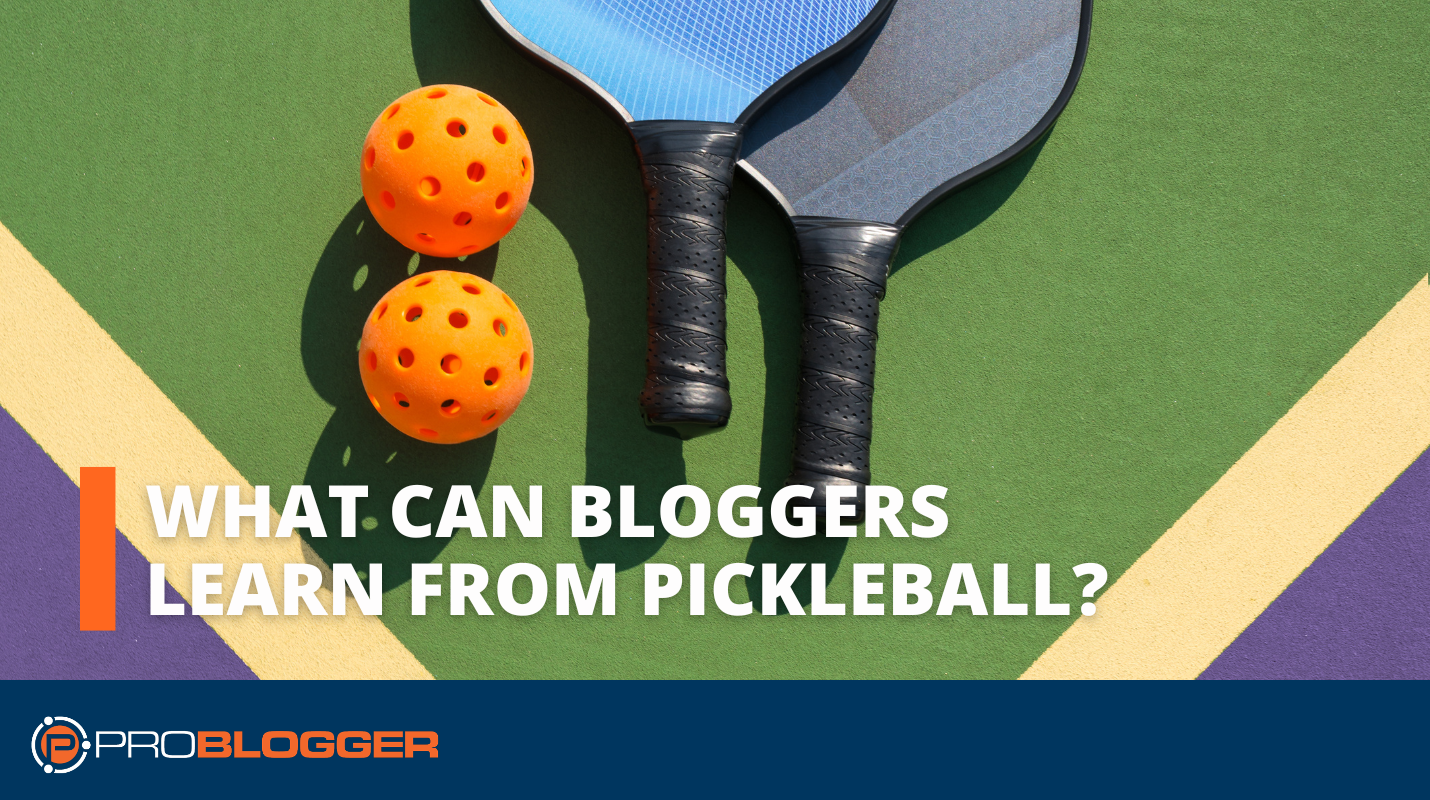
Bloggers who master the "dink" prioritize clarity over jargon. They utilize white space, bullet points, and straightforward language to control the pace of the reader’s journey. By simplifying complex topics, creators can lower the cognitive load on their audience, fostering a sense of accessibility that encourages repeat visits. In a digital landscape often dominated by "loud" clickbait and aggressive marketing, a strategic, understated approach can be more effective at building long-term authority.
Community Dynamics and the ‘Rally’ Effect
The social architecture of pickleball is inherently communal. Most games are played in doubles format, requiring constant communication and synchronized movement. This "rally" culture is what separates pickleball from more solitary or highly competitive individual sports.
For digital publishers, the "rally" is the ongoing dialogue between the creator and the audience. Data from HubSpot suggests that blogs with active comment sections and high social media engagement see a 25% higher return-visitor rate than those that function as one-way broadcast channels. Building a community requires more than just publishing content; it necessitates active participation in the discourse.
Professional bloggers who treat their platforms as community hubs—responding to feedback, hosting live Q&A sessions, and acknowledging reader contributions—effectively turn casual observers into brand advocates. The longevity of a blog is frequently tied to the strength of this "rally." When readers feel they are part of a conversation rather than just consumers of information, brand loyalty increases significantly.
Navigating the ‘Kitchen’: Finding the Strategic Sweet Spot
The "Kitchen," or the non-volley zone (NVZ) in pickleball, is a seven-foot area on both sides of the net where players are prohibited from volleying the ball unless it has already bounced. This rule forces players to find a "sweet spot" in their positioning—balancing the need to be close to the action without overstepping legal boundaries.
In blogging, the "sweet spot" is the intersection of creator passion, audience demand, and commercial viability. Many bloggers fail because they skew too far in one direction: they are either too personal (ignoring market needs) or too transactional (alienating readers with excessive advertising).
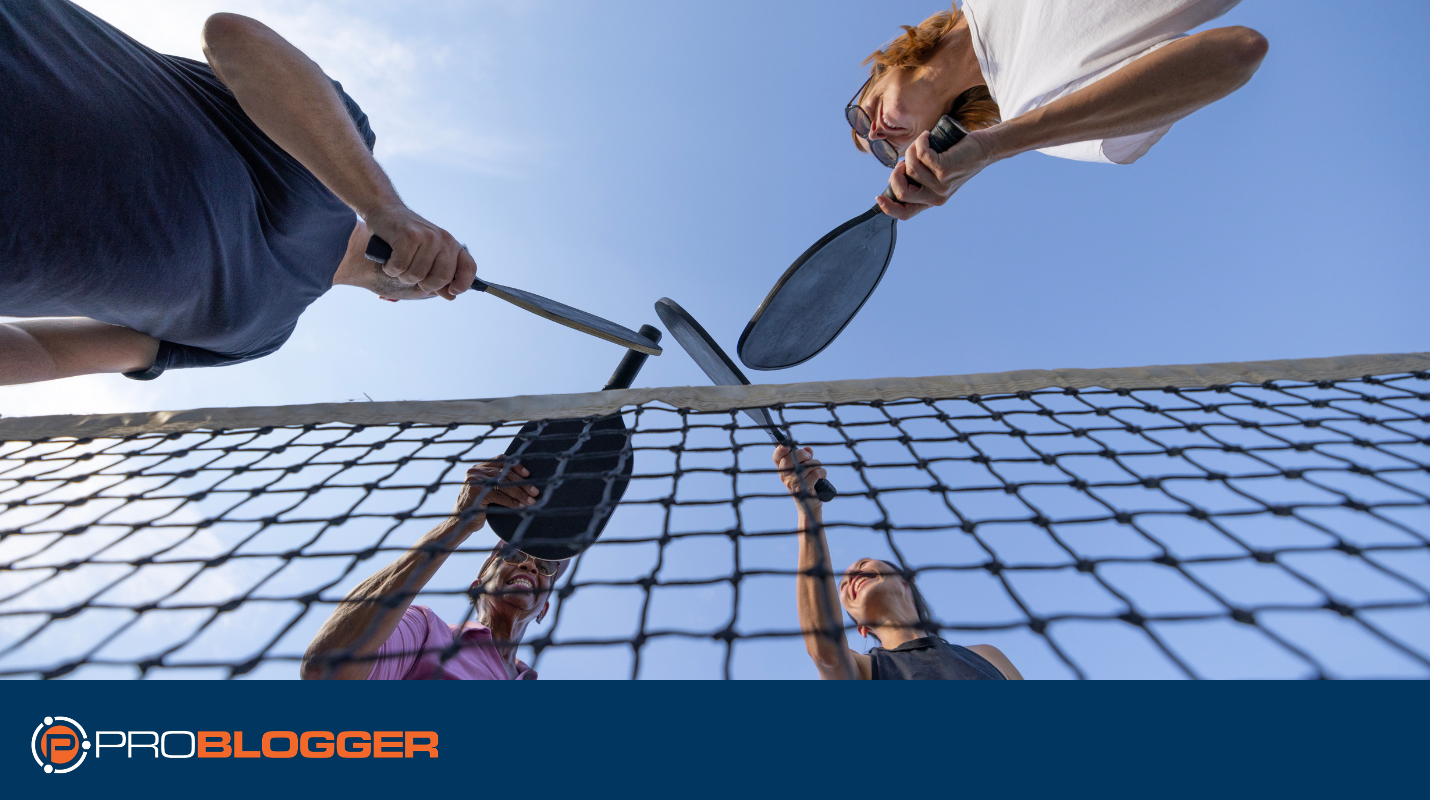
Finding the balance requires a deep understanding of niche positioning. According to the Content Marketing Institute, 73% of the most successful B2B marketers use content to build loyalty with existing clients, rather than just focusing on top-of-funnel acquisition. This "strategic positioning" involves knowing exactly where your brand stands in the market and ensuring that every piece of content serves a dual purpose: providing value to the reader while advancing the blog’s broader business objectives.
Analyzing ‘Whiffs’ and the Iterative Process
In pickleball parlance, a "whiff" occurs when a player swings and misses the ball entirely. Even at the professional level, whiffs happen due to environmental factors, miscalculation, or fatigue. The hallmark of a high-level player is the ability to reset immediately for the next serve without psychological lingering.
The digital equivalent of a whiff is a post that fails to gain traction, a decline in search rankings, or a negative reaction to a site redesign. Data-driven blogging requires an acceptance of these failures as data points. Google’s constant algorithm updates (such as the Helpful Content Update) often result in sudden traffic shifts that can feel like a "whiff" to creators.
However, professional analysis suggests that these moments are opportunities for refinement. By utilizing tools like Google Analytics and A/B testing, bloggers can diagnose why a particular strategy missed the mark. Whether it was poor keyword targeting, a weak headline, or a mismatch in audience intent, the "whiff" provides the necessary feedback to adjust the "swing" for the next content cycle.
Adaptation in a Changing Digital Landscape
The evolution of pickleball equipment—from wooden paddles to carbon fiber technology—demonstrates the necessity of adaptation. As the sport became more competitive, the tools and techniques evolved to meet new demands.
Similarly, the blogging landscape is currently undergoing a seismic shift due to the integration of Generative AI and Search Generative Experience (SGE). Creators who remain static in their methods risk obsolescence. Adapting to these changes involves:
- Technical SEO Evolution: Moving beyond keyword stuffing toward "Information Gain" and original research.
- Platform Diversification: Recognizing that a blog is part of a larger ecosystem that includes video, newsletters, and social audio.
- E-E-A-T Compliance: Prioritizing Experience, Expertise, Authoritativeness, and Trustworthiness as mandated by search engine guidelines.
Industry analysts suggest that the "human element"—the personal experience and unique voice—will become the most valuable asset for bloggers in an AI-dominated environment. Much like a pickleball player must adapt to an opponent’s style, a blogger must adapt to the shifting preferences of both algorithms and human readers.
The Serve: Hooks and Calls to Action
The serve in pickleball is the only time a player has total control over the ball’s placement and speed. It sets the tone for the entire point. In digital writing, the "serve" is the headline and the lead paragraph.
Statistics from Copyblogger indicate that 8 out of 10 people will read a headline, but only 2 out of 10 will read the rest of the piece. A "strong serve" in blogging involves a hook that addresses a specific pain point or curiosity, followed by a value proposition. Furthermore, the "close" of the game is as important as the serve. Every successful blog post should conclude with a strong Call to Action (CTA), guiding the reader toward the next step, whether that is subscribing to a newsletter, purchasing a product, or reading related content.
Conclusion: The Broader Impact of Strategic Fun
The final and perhaps most overlooked lesson from pickleball is the role of enjoyment in sustainability. The sport’s popularity is largely attributed to the fact that it is inherently fun, which encourages players to return to the court daily.
For the professional blogger, "fun" is translated as passion and authenticity. The "Creator Burnout" phenomenon is a documented risk in the industry, with a 2022 survey by ConvertKit finding that 61% of creators experienced burnout during the year. By injecting genuine interest and a sense of play into the meticulous craft of content production, creators can maintain the stamina required for long-term success.
Pickleball demonstrates that when strategy and enjoyment are aligned, growth follows naturally. As the digital marketplace continues to grow more competitive, the bloggers who succeed will be those who can "play the game" with the precision of a professional and the enthusiasm of an amateur. By applying these court-side strategies—starting small, engaging the community, simplifying the message, and adapting to change—content creators can ensure their platforms remain relevant, resilient, and ready for the next rally.