Ena Muazin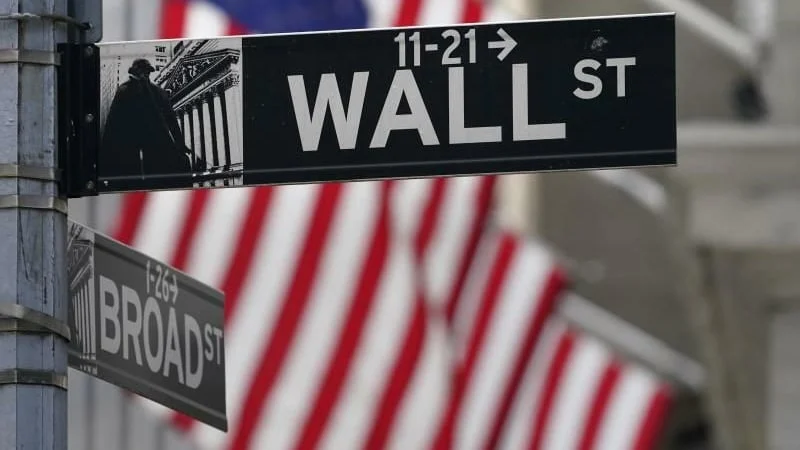
New York. Hopes for a potential pause in interest rate hikes by the U.S. Federal Reserve on Thursday propelled Wall Street, with major indices continuing their upward trajectory following modest gains the previous day. This optimism stems from nuanced signals from two high-ranking Federal Reserve officials, Christopher Waller and another unnamed but implied board member, whose statements appear to contradict the market’s prevailing expectation of a rate increase at the upcoming September meeting. The trading day has been characterized by contrasting developments across several fronts, creating a dynamic environment for investors.
Shifting Market Sentiment and Fed’s Dual Mandate
The U.S. stock market has been keenly attuned to every utterance from Federal Reserve officials, as monetary policy decisions directly impact borrowing costs, corporate profitability, and overall economic growth. For months, the narrative had largely coalesced around the likelihood of further tightening measures to combat persistent inflation. However, the recent pronouncements from Fed officials have injected a degree of uncertainty, leading to a recalibration of market expectations.
The Fed operates under a dual mandate: to achieve maximum employment and maintain price stability, which is generally interpreted as an inflation rate of 2%. The challenge for policymakers has been navigating the delicate balance between curbing inflation without tipping the economy into a recession. The current benchmark federal funds rate, hovering between 5.25% and 5.50%, represents a significant increase from the near-zero rates that prevailed for much of the post-financial crisis era. This aggressive tightening cycle, initiated in March 2022, has already had tangible effects on various sectors of the economy, from housing to consumer credit.
Key Economic Indicators and Inflation Trajectory
The Federal Reserve’s decisions are heavily data-dependent, with a close eye on key economic indicators that shed light on the health of the labor market and the trajectory of inflation. Recent data has presented a mixed picture. While the labor market has remained surprisingly resilient, with unemployment rates holding near historic lows, there have been signs of cooling in some areas. Wage growth, a crucial component of inflation, has shown some moderation, though it remains elevated.
Inflation itself, as measured by the Consumer Price Index (CPI) and the Personal Consumption Expenditures (PCE) price index, has shown a downward trend from its peaks in mid-2022. However, it still remains above the Fed’s 2% target. For instance, the CPI in July 2023 showed a 3.2% increase year-over-year, a notable decrease from the over 9% highs seen previously, but still significantly above the Fed’s desired level. Core inflation, which excludes volatile food and energy prices, has proven more persistent, raising concerns about underlying inflationary pressures.
Federal Reserve Governor Waller’s Stance on Inflation Data
Federal Reserve Board of Governors member Christopher Waller articulated a clear dependency of his voting decision on upcoming inflation data. "My decision on the appropriate path of monetary policy will be heavily influenced by what we learn about inflation in August," Waller stated. This statement directly links his support for a rate pause to continued progress towards the Fed’s inflation target. If August inflation figures reveal further disinflationary trends and sustained movement towards the 2% objective, Waller indicated his inclination towards another pause in rate hikes.
Waller’s remarks underscore the nuanced approach the Fed is taking. While acknowledging the significant tightening already in place, he also suggested that the current interest rate levels might be having a less pronounced dampening effect on aggregate demand than initially anticipated. He indicated that the current range of 5.25% to 5.50% "only slightly dampens aggregate demand." This implies that a substantial increase in inflation would be required to sway him towards advocating for more restrictive monetary policy. He further elaborated that while inflation is "significantly above" the Fed’s target, there are "slow but steady progress" being made.
Implications of a Potential September Pause
The prospect of the Fed holding rates steady in September, as suggested by Waller’s comments, could have significant implications for financial markets and the broader economy. A pause would signal a potential shift in the Fed’s strategy, moving from aggressive rate hikes to a period of observation and assessment. This could provide much-needed breathing room for businesses and consumers, potentially supporting continued economic activity.
For investors, a pause could be interpreted as a positive signal, reducing the immediate pressure of rising borrowing costs. This could lead to a sustained rally in equity markets, as companies face less immediate headwinds from higher interest expenses. Bond yields, which move inversely to bond prices, might also stabilize or even decline, making fixed-income investments more attractive.
However, the conditional nature of Waller’s statement is crucial. He also left the door open for a rate hike. "If inflation comes in strong, I would consider a rate hike," Waller cautioned, referring to the September 15-16 meeting. This duality means that market participants will remain highly sensitive to incoming economic data, particularly inflation reports. A stronger-than-expected inflation print in August could quickly reverse the optimistic sentiment and reignite expectations of further tightening.
The FedWatch Tool and Market Probabilities
The FedWatch tool, a widely referenced market indicator, reflects the shifting probabilities of future Fed actions. Prior to these recent comments, the tool indicated a higher probability of a September rate hike. Markus Koch, a financial market expert, highlighted this shift: "A few days ago, we were above 70 percent." The current readings, influenced by the latest statements, suggest a more balanced outlook, with a roughly 50% probability for a September rate increase. This uncertainty highlights the critical nature of the upcoming economic data releases in shaping the Fed’s ultimate decision.
The economic data that will be closely scrutinized includes the Producer Price Index (PPI), which measures inflation at the wholesale level, and the Consumer Price Index (CPI), which captures inflation experienced by consumers. Additionally, employment cost index data will be vital in assessing wage pressures, a key driver of services inflation. The minutes from the July FOMC meeting, released in August, also provided insights into the discussions and considerations of Fed officials, offering further clues about their thinking.
Broader Economic Context and Global Implications
The Federal Reserve’s monetary policy decisions do not occur in a vacuum. They have ripple effects on the global economy. A prolonged period of higher interest rates in the U.S. can lead to a strengthening dollar, making U.S. exports more expensive and imports cheaper. This can also put pressure on emerging market economies that have dollar-denominated debt.
Furthermore, the Fed’s actions can influence monetary policy decisions by other central banks around the world. As other nations grapple with their own inflation challenges, they often look to the Fed’s playbook for guidance. A pause by the Fed could encourage some central banks to consider a similar approach, while others may continue to prioritize their domestic inflation concerns.
The current economic landscape is one of evolving challenges. While inflation has shown signs of moderating, the risk of entrenched price pressures remains. The labor market, while strong, is also showing early signs of cooling, which could impact consumer spending and overall economic growth. The Federal Reserve’s ability to engineer a "soft landing" – bringing inflation down without causing a significant economic downturn – hinges on its ability to carefully calibrate its monetary policy in response to incoming data.
Analysis of Implications and Future Outlook
The statements from Fed officials, particularly Governor Waller, suggest a growing willingness within the central bank to consider a pause in rate hikes, provided inflation continues to trend downwards. This represents a significant development from the more hawkish stance that prevailed earlier in the year. The market’s positive reaction underscores the desire for a reprieve from monetary tightening.
However, the path forward remains uncertain. The Fed is operating with incomplete information, and the lagged effects of previous rate hikes are still working their way through the economy. A premature pivot could reignite inflation, while excessive tightening could trigger a recession. The upcoming economic data will be paramount in determining the Fed’s next move. Investors and economists will be poring over every number, seeking clues about the sustainability of disinflation and the resilience of economic growth.
The Federal Reserve’s commitment to its 2% inflation target remains unwavering. Any decision to pause or hike rates will be a strategic assessment of whether the current policy stance is sufficient to achieve that objective without causing undue economic harm. The coming weeks will be critical in shaping the trajectory of monetary policy and, consequently, the outlook for the U.S. economy and global financial markets. The nuanced communication from Fed officials highlights a data-dependent approach, emphasizing that the market should prepare for a dynamic policy environment rather than a predictable path.