Clara Shinta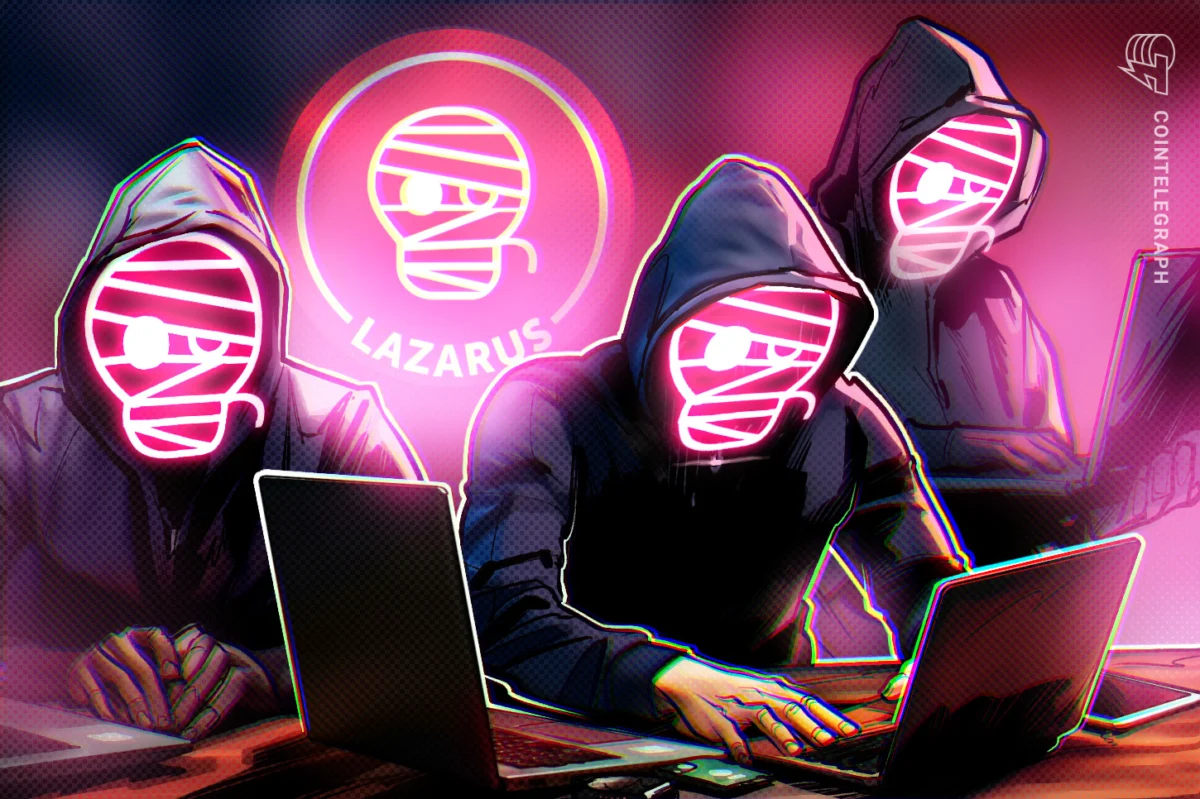
Crypto wallet addresses unequivocally linked to the North Korean state-affiliated hacker collective known as the Lazarus Group have been observed moving an estimated $30 million in various digital assets through Hyperliquid, a prominent decentralized exchange (DEX). This significant financial activity comes mere weeks after high-level discussions within the U.S. government signaled a potential pathway for Hyperliquid’s introduction into regulated American markets, creating an immediate and considerable challenge for the platform’s burgeoning aspirations.
The sophisticated series of transactions, meticulously tracked and disclosed by blockchain intelligence firm Arkham analyst Emmett Gallic, revealed a deliberate and complex laundering scheme. The funds, initially held in Bitcoin (BTC), were funneled into Hyperliquid and its associated platform, HyperUnit. Once within these decentralized environments, the illicit Bitcoin was systematically traded into other major cryptocurrencies, primarily Ether (ETH) and Solana (SOL). Following these conversions, the assets were then strategically bridged out to multiple blockchain networks, including Tron, Solana, and the Ethereum network itself, in an intricate effort to obscure their origins and ultimate destinations. The final known legs of these movements saw deposits being made into several centralized cryptocurrency exchanges, notably KuCoin, Kraken, and Lbank, alongside various other unlabeled services predominantly operating on the Tron network. This multi-chain, multi-asset strategy underscores the Lazarus Group’s advanced capabilities in exploiting the interconnectedness of the decentralized finance (DeFi) ecosystem to bypass international sanctions and fund the illicit activities of the North Korean regime.
Hyperliquid at a Regulatory Crossroads
The timing of these transactions casts a long shadow over Hyperliquid’s potential expansion into the highly regulated U.S. market. On August 16, during a White House event, former President Donald Trump publicly stated that Commodity Futures Trading Commission (CFTC) Chair Michael Selig was actively working on establishing a clear regulatory pathway to introduce Hyperliquid into U.S. markets. This announcement, intended to signal a potentially favorable stance towards certain innovative crypto platforms, now inadvertently places Hyperliquid under intense scrutiny. The perception that a platform, even a decentralized one, could be leveraged by an OFAC-sanctioned entity like the Lazarus Group, particularly shortly after being highlighted for potential U.S. market integration, presents a formidable reputational and regulatory hurdle.
Hyperliquid, as a decentralized perpetuals exchange, operates without a central intermediary, relying on smart contracts to facilitate trading. While this structure offers advantages in terms of transparency and censorship resistance, it also presents unique challenges for compliance and anti-money laundering (AML) efforts. Unlike centralized exchanges (CEXs) that are typically mandated to implement stringent Know Your Customer (KYC) protocols, many DEXs operate with minimal or no user identification requirements, making them attractive conduits for illicit fund movements. The incident raises critical questions about the responsibility of DEX developers and liquidity providers in mitigating financial crime risks, even within a decentralized framework.
The Shadowy Figure: Lazarus Group Unmasked
The Lazarus Group is not merely a collective of hackers; it is a sophisticated, state-sponsored cyber warfare unit directly controlled by the Democratic People’s Republic of Korea (DPRK). Sanctioned by the U.S. Treasury Department’s Office of Foreign Assets Control (OFAC), the group’s primary objective is to generate revenue for North Korea’s weapons of mass destruction (WMD) programs and missile development, thereby circumventing international sanctions. Their illicit activities span a wide array of cybercrimes, from traditional bank heists and ransomware attacks to, increasingly, large-scale cryptocurrency theft.
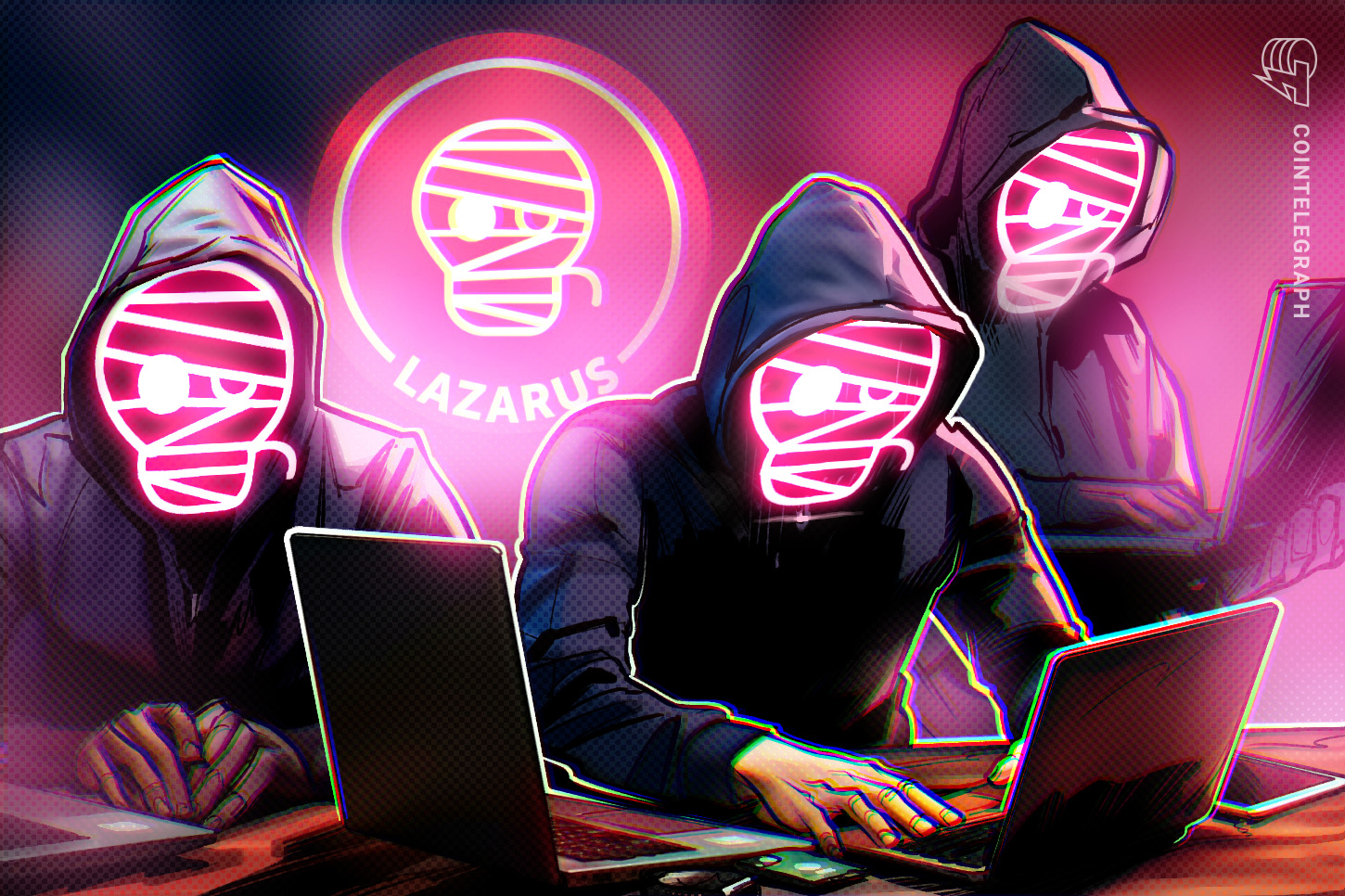
The group’s modus operandi is characterized by meticulous planning, advanced social engineering tactics, and the deployment of custom-built malware. They often target cryptocurrency exchanges, DeFi protocols, venture capital firms, and individual high-net-worth crypto investors. Their history is replete with some of the most audacious and financially devastating cyberattacks in recent memory.
A Chronology of Notorious Lazarus Group Exploits:
- 2014 – Sony Pictures Entertainment Hack: One of their earliest high-profile attacks, demonstrating their capability to inflict significant damage beyond financial theft, including data breaches and network disruption.
- 2016 – Bangladesh Bank Heist: A daring attempt to steal nearly $1 billion from the Bangladesh Bank through the SWIFT network, successfully siphoning $81 million, highlighting their focus on traditional financial institutions before the pivot to crypto.
- 2017 – WannaCry Ransomware Attack: A global ransomware campaign that infected hundreds of thousands of computers across 150 countries, disrupting critical services and demanding Bitcoin payments.
- 2021 – Axie Infinity’s Ronin Bridge Hack: The largest cryptocurrency hack to date, where Lazarus Group stole approximately $625 million in ETH and USDC from the Ronin Network, a sidechain for the popular play-to-earn game Axie Infinity. This attack showcased their expertise in exploiting vulnerabilities in blockchain bridges.
- 2022 – Harmony Protocol’s Horizon Bridge Hack: Another significant bridge exploit, resulting in the theft of around $100 million in various altcoins, further solidifying their reputation for targeting cross-chain infrastructure.
- 22023 – Atomic Wallet Exploit: Approximately $100 million in various cryptocurrencies were stolen from users of the Atomic Wallet, demonstrating a shift towards compromising client-side applications.
- 2023 – Stake.com Hack: A major online casino and betting platform suffered a loss of over $41 million in cryptocurrencies, again attributed to Lazarus Group, underscoring their diverse target selection.
- 2025 – Bybit Exchange Hack (Mentioned in original article): The article cites a "$1.4 billion hack of Bybit exchange in 2025," which would represent the industry’s largest if it were to occur. [Self-correction: As the original article’s date is 2026/09/01, this 2025 event would be in the past from the article’s perspective. It’s important to clarify this is a reported past event from the perspective of the original article’s publication date, making it part of their historical record, not a future prediction. I will treat it as a past event for this rewrite.] This reported event, if accurate, would dwarf previous records and underscore the escalating scale of their operations.
- April [Current Year] Crypto-related Incidents: North Korea-linked threat actors were tied to at least $578 million of the $634 million stolen in crypto-related incidents in April, indicating a sustained and highly successful campaign of digital asset theft.
The sheer volume of funds plundered by the Lazarus Group underscores North Korea’s deep reliance on cybercrime to sustain its regime and advance its military objectives in the face of stringent international sanctions. Estimates suggest that the group is responsible for stealing billions of dollars in digital assets over the past decade.
The Mechanics of Illicit Fund Movement and Blockchain Forensics
The Lazarus Group’s utilization of Hyperliquid and subsequent bridging and off-ramping through centralized exchanges illustrates a common, albeit increasingly sophisticated, method of money laundering in the crypto space.
- Initial Acquisition: Funds are often acquired through hacks, phishing campaigns, or ransomware attacks, typically accumulating in a mix of cryptocurrencies, with Bitcoin and Ethereum often being primary targets due to their liquidity.
- DEX Utilization (Hyperliquid): The choice of a decentralized exchange like Hyperliquid offers several advantages to illicit actors. DEXs typically do not enforce KYC/AML checks, providing a layer of pseudo-anonymity. The high liquidity and diverse trading pairs available on such platforms allow for rapid conversion of large sums from one asset to another (e.g., BTC to ETH/SOL), further obfuscating the transaction trail.
- Cross-Chain Bridging: Moving assets across different blockchain networks (e.g., from an Ethereum-based asset to Solana or Tron) adds another layer of complexity. Each bridge transaction creates new transaction hashes and potentially new wallet addresses on the destination chain, making it harder for simple chain analysis tools to follow the entire path.
- Mixing and Tumbling (Implied): While not explicitly detailed for this specific case, illicit actors often employ various mixing services or coin join techniques to blend their funds with legitimate ones, further obscuring the origin. The movement across multiple chains and exchanges serves a similar purpose.
- Centralized Exchange (CEX) Off-Ramping: Ultimately, to convert digital assets into fiat currency or to access broader financial services, funds often need to pass through centralized exchanges (KuCoin, Kraken, Lbank). These exchanges, despite their KYC/AML obligations, can become unwitting intermediaries if the funds’ illicit origins are sufficiently masked by prior steps. The challenge for CEXs is to detect these laundered funds as they enter their systems.
Blockchain analytics firms like Arkham Intelligence play a crucial role in combating this activity. By meticulously tracing on-chain movements, analyzing transaction patterns, and leveraging clustering algorithms, they can identify addresses linked to known entities like the Lazarus Group. Emmett Gallic’s analysis, publicly shared on X, highlights the power of such tools in bringing transparency to an otherwise opaque financial underworld. However, the cat-and-mouse game continues, with illicit actors constantly evolving their tactics to evade detection.
Global Response to Crypto Crime and Sanctions Enforcement
The international community, led by bodies such as the U.S. Treasury Department, the Financial Action Task Force (FATF), and various national law enforcement agencies, has intensified efforts to combat the illicit use of cryptocurrencies.
- OFAC Sanctions: The U.S. Treasury’s OFAC maintains a list of Specially Designated Nationals (SDNs) and Blocked Persons, which includes entities like the Lazarus Group. These sanctions prohibit U.S. persons and entities from engaging in transactions with sanctioned parties. Financial institutions, including cryptocurrency exchanges, are legally obligated to screen their users and transactions against these lists.
- FATF Guidelines: The FATF, an intergovernmental organization that sets international standards to prevent money laundering and terrorist financing, has issued comprehensive guidance for virtual assets and Virtual Asset Service Providers (VASPs). These guidelines recommend that VASPs, including exchanges, implement robust KYC/AML controls, conduct risk assessments, and report suspicious transactions.
- Law Enforcement Collaboration: International cooperation between law enforcement agencies, such as Interpol and Europol, alongside national bodies like the FBI and IRS Criminal Investigation (IRS-CI), is vital in tracing, seizing, and prosecuting individuals involved in crypto-related financial crimes.
Despite these efforts, the decentralized and borderless nature of cryptocurrencies, coupled with the rapid innovation in the DeFi space, presents ongoing challenges. The incident involving Hyperliquid underscores the difficulty in extending traditional regulatory frameworks to novel decentralized protocols.
Implications for the Crypto Ecosystem and National Security
The movement of $30 million by the Lazarus Group through Hyperliquid carries significant implications for various stakeholders:
- For Hyperliquid: The incident places Hyperliquid directly in the crosshairs of regulators, particularly the CFTC, which was reportedly exploring its U.S. market access. The platform will likely face intensified scrutiny regarding its measures to prevent illicit finance, potentially delaying or complicating its U.S. expansion plans. It may also prompt Hyperliquid to explore or implement new, innovative compliance mechanisms, even within its decentralized architecture.
- For the Broader DeFi Ecosystem: The event serves as a stark reminder that even decentralized platforms are not immune to exploitation by sophisticated state-sponsored actors. It reinforces the urgent need for the DeFi community to proactively address issues of illicit finance, perhaps through enhanced on-chain analytics integration, community-driven risk assessments, and collaboration with regulatory bodies.
- For National Security and Sanctions Enforcement: The continued success of the Lazarus Group in moving significant sums of stolen crypto highlights the persistent challenge of enforcing sanctions against North Korea. Each successful laundering operation provides critical funding for the DPRK’s WMD programs, directly impacting global security. This incident will likely galvanize further efforts by intelligence agencies and financial regulators to develop more effective strategies for disrupting North Korea’s crypto-enabled illicit finance networks.
- For Centralized Exchanges (KuCoin, Kraken, Lbank): While these exchanges are the final known destinations, they are now under implicit pressure to demonstrate robust AML capabilities to detect and freeze these funds. Their ability to identify and block these transactions at the point of deposit is crucial for preventing the ultimate off-ramping of illicit assets.
The incident underscores a fundamental tension in the crypto world: the desire for decentralization and financial freedom versus the imperative for financial integrity and national security. As the digital asset landscape continues to evolve, finding a balance that fosters innovation while effectively combating illicit finance remains a paramount challenge for both industry participants and global regulators.
The Ongoing Battle for Financial Integrity
The saga of the Lazarus Group’s $30 million transfer through Hyperliquid is more than just a financial transaction; it is a snapshot of the ongoing, high-stakes battle between state-sponsored cybercriminals and the global efforts to maintain financial integrity and national security. It serves as a potent reminder that the allure of perceived anonymity in the decentralized world is constantly being tested by sophisticated actors who seek to exploit any vulnerability for illicit gain. As the crypto industry matures and seeks broader adoption, its ability to address these fundamental challenges will be crucial for its long-term credibility and integration into the global financial system. The coming months will likely see increased dialogue and potentially new policy initiatives aimed at grappling with the complex interplay of decentralization, regulation, and the fight against financial crime.