Putri Inara
The digital publishing landscape is fundamentally driven by the promise of future value, a psychological trigger that compels readers to transition from casual visitors to dedicated subscribers. In the competitive sphere of content creation, the decision to subscribe to a blog is rarely an impulsive act; rather, it is a calculated investment made by a reader who believes that a creator’s future output will consistently enhance their life, career, or hobbies. Professional content strategists and veteran bloggers have long recognized that while anticipation often occurs instinctively, it can be systematically engineered through intentional design and content curation. By leveraging past performance as a predictor of future quality, publishers can build a framework of authority that converts one-time traffic into long-term audience growth.
The Psychology of Subscriber Conversion
At the core of audience retention is the concept of "future-oriented value." Data from digital marketing studies suggests that the average internet user spends less than 15 seconds on a new website before deciding whether to stay or leave. To secure a subscription within this narrow window, a blogger must convince the visitor that the content they have yet to see is worth the commitment of their time and inbox space.
Industry analysis indicates that the most effective way to build this trust is not through vague promises of "upcoming features," but through the strategic display of existing high-quality work. This "proof of concept" serves as a primary advertisement for the ongoing relationship. When a reader connects with a helpful, entertaining, or informative post, they utilize that experience as a benchmark for what is to come. Consequently, the primary objective of a growth-focused blog is to ensure that a visitor’s first encounter is with the site’s most impactful material.
Strategic Framework for Highlighting Quality Content
To transform a chronological archive into a high-conversion content hub, experts recommend four primary architectural strategies: Sneeze Pages, "Best of" sections, landing pages, and internal linking. Each of these methods serves to de-emphasize the "recency bias" of standard blog feeds and emphasize the "quality bias" required for subscriber growth.
1. The Implementation of Sneeze Pages
The term "Sneeze Page," popularized within the professional blogging community, refers to a dedicated resource page that compiles and categorizes a blog’s most significant posts on a specific topic. Unlike a standard category archive, a Sneeze Page is curated and annotated, providing a roadmap for the reader.
Case studies from high-traffic sites like Digital Photography School demonstrate that these pages serve a dual purpose. First, they propel readers deeper into the site’s architecture, significantly increasing page views per session. Second, they establish immediate topical authority. By presenting a comprehensive overview of a subject—such as "Digital Photography Tips for Beginners"—the publisher demonstrates the depth of their knowledge. Analytics show that subscription rates from users who interact with Sneeze Pages are substantially higher than those who only view the homepage, provided that prominent subscription calls-to-action (CTAs) are integrated into the layout.
2. Data-Driven "Best of" Curation
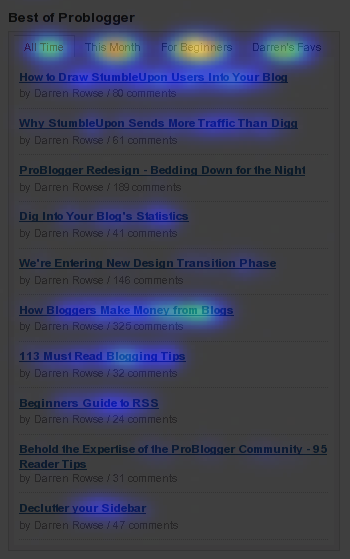
Utilizing visual heat maps and click-tracking data is essential for optimizing blog layouts. Tools such as CrazyEgg have provided empirical evidence that "Best of" sections—typically located in the sidebar or on the front page—are among the most frequently clicked elements on a professional blog.
A "Best of" section acts as a curated "greatest hits" reel. By showcasing evergreen content that has historically resonated with the audience, bloggers can ensure that new visitors are directed toward the content most likely to trigger a subscription. This strategy mitigates the risk of a new visitor arriving on a "down day" or during a period of experimental content that may not represent the blog’s core value proposition.
3. Dynamic Landing Pages and Referral Sensitivity
Sophisticated blogging platforms often employ plugins or custom code to detect a reader’s point of origin. When a user arrives via a specific search engine query, a dynamic landing page can display a customized greeting or a list of related high-quality archives.

This approach enhances the user experience by providing immediate relevance. If a reader searches for "advanced lighting techniques" and arrives at a blog, seeing a curated list of five other advanced lighting tutorials creates a perception of comprehensive expertise. This "information density" is a powerful driver of anticipation, as it suggests the blog will continue to be a primary source for that specific niche in the future.
4. Systematic Internal Interlinking
The practice of interlinking—embedding links to previous articles within new content—is a cornerstone of both Search Engine Optimization (SEO) and audience retention. Journalistic standards in digital publishing suggest that every new post should serve as a gateway to the archives.
Regularly linking to high-quality past work ensures that the "authority" of the blog is constantly being reinforced. Each click through to an older, high-value post increases the reader’s "sunk time" on the site, which statistically correlates with higher subscription likelihood. Furthermore, it creates a web of content that suggests an inexhaustible supply of future value.
Chronology of Blogging Evolution and Strategy
The shift from chronological "weblogs" to strategic content hubs has followed a distinct timeline:
- 2002–2004: The Personal Journal Era. Blogs were primarily chronological feeds of personal thoughts, with little emphasis on subscriber conversion or professional layout.
- 2005–2008: The Professionalization Phase. Influential figures like Darren Rowse of ProBlogger began advocating for "evergreen" content and architectural changes to improve user retention. The concept of the "Sneeze Page" and "Best of" sidebars gained mainstream traction during this period.
- 2009–2014: The Data-Informed Era. The integration of heat maps (CrazyEgg) and advanced Google Analytics allowed bloggers to see exactly where readers were clicking, leading to the "hot-spot" optimization of sidebars.
- 2015–Present: The Ecosystem Approach. Modern blogging now integrates email marketing, social media anticipation, and multi-channel content delivery, where the blog acts as a central repository for a broader brand identity.
Supporting Data and Performance Metrics
Quantitative analysis of blog performance reveals why highlighting past quality is superior to merely promising future output. According to digital marketing benchmarks:
- Conversion Rates: Blogs that feature a "Best of" or "Start Here" page see a 15% to 25% higher email sign-up rate compared to those that only offer a standard chronological feed.
- Bounce Rates: Curated content paths (like Sneeze Pages) can reduce bounce rates by as much as 30%, as they provide clear "next steps" for the visitor.
- Authority Perception: A study on digital trust found that users are 40% more likely to perceive a site as "authoritative" if they can easily access a large archive of topically relevant, high-quality content within two clicks of the homepage.
Expert Analysis and Industry Implications
The strategy of building anticipation through historical quality has broader implications for the "attention economy." In an era of information overload, the "subscription" is a rare commodity. Professional analysts suggest that the "ProBlogger Model"—using past excellence to sell future potential—is no longer just a blogging tactic but a fundamental requirement for any subscription-based digital business.
The shift toward this model reflects a move away from "clickbait" and toward "trust-bait." While clickbait aims for a one-time view, trust-bait (high-quality evergreen content) aims for a long-term relationship. By highlighting current and past quality, a blogger effectively de-risks the subscription for the reader. The reader no longer has to "hope" the content will be good; they have empirical evidence that it has been good in the past and is likely to remain so.
Broader Impact on Digital Content Design
This focus on anticipation and curation has fundamentally changed how websites are designed. Modern Content Management Systems (CMS) like WordPress have evolved to include sophisticated widgets and blocks specifically designed to facilitate these strategies. The "sidebar" has moved from being a place for links and ads to a strategic "conversion zone" where the blog’s best work is perpetually on display.
Furthermore, the rise of "pillar content" and "content clusters" in SEO mirrors the "Sneeze Page" philosophy. Search engines now reward sites that demonstrate deep, interlinked expertise on a subject. Thus, the strategies used to build anticipation in human readers are the same strategies used to build authority in search engine algorithms.
Conclusion and Future Outlook
Creating a sense of anticipation is an ongoing process of proving and re-proving value. While the tactics—Sneeze Pages, heat maps, and interlinking—provide the framework, the underlying quality of the content remains the most critical variable. As the digital space becomes more crowded, the ability to curate one’s own "best work" will become a defining skill for successful publishers. The objective remains clear: to transform the blog from a simple timeline of posts into a comprehensive resource that promises, and delivers, a better future for its readers. Professional bloggers who master the art of highlighting their past to sell their future are positioned to thrive in an increasingly discerning digital market.