Lina Wu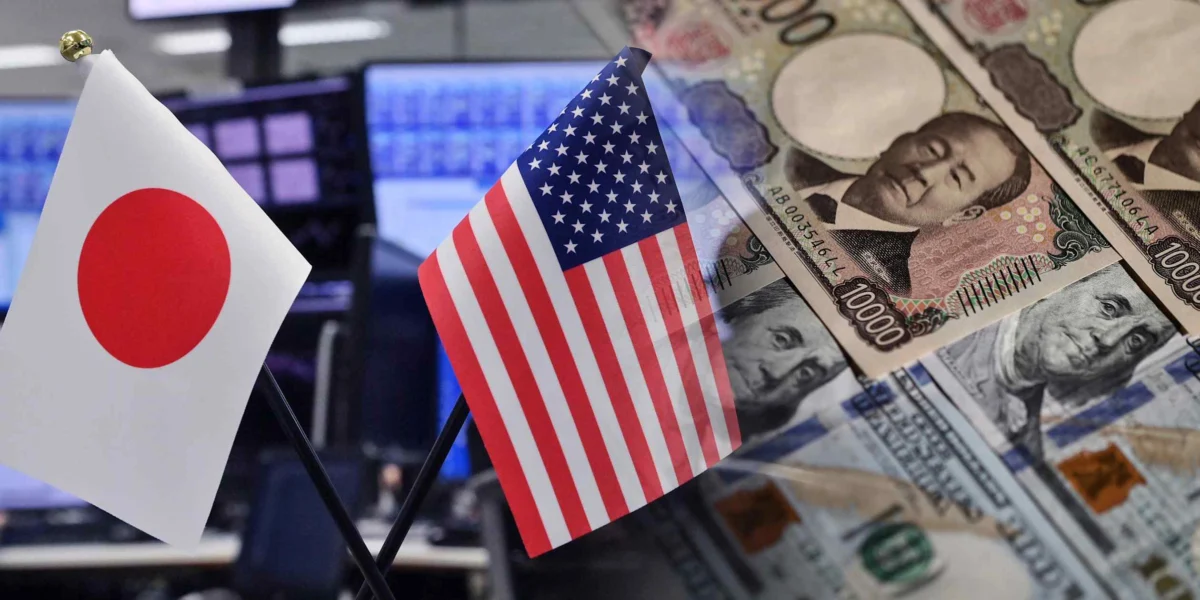
Japanese investors remain divided on investing in overseas bonds and equities after currency authorities in Japan and the U.S. undertook a historic joint intervention late last month in a coordinated effort to strengthen the yen and support Japanese and American government bond markets, portfolio flow data released on Thursday showed. The intervention, the first of its kind since 1998, marked a significant escalation in global efforts to manage currency volatility and combat inflationary pressures that have been amplified by a persistently strong U.S. dollar.
A Historic Intervention: The Rationale and Execution
The joint intervention on July 31 was a carefully calibrated response to a period of sustained yen depreciation. For months, the Japanese yen had been on a downward trajectory against the U.S. dollar, reaching multi-decade lows. This weakening had a dual impact: it made imports significantly more expensive for Japan, exacerbating inflationary concerns, while also making Japanese exports cheaper, theoretically boosting economic activity but potentially creating imbalances.
The decision by the Bank of Japan (BoJ) and the U.S. Federal Reserve, acting in concert with the U.S. Treasury, was driven by a confluence of factors. Firstly, the persistent inflation in Japan, which had begun to erode the purchasing power of households and businesses, necessitated action. While the BoJ has historically maintained an accommodative monetary policy to stimulate economic growth, the escalating cost of living presented a growing challenge. Secondly, the rapid appreciation of the dollar, fueled by aggressive interest rate hikes by the Federal Reserve and a perception of U.S. economic resilience, had created a significant imbalance in global currency markets. This imbalance threatened to destabilize not only the Japanese economy but also broader international trade and investment flows.
The mechanics of the intervention involved the direct purchase of yen in the foreign exchange market. By selling dollars and buying yen, Japanese and U.S. authorities aimed to increase demand for the yen, thereby driving up its value. The coordinated nature of the action was crucial, as it signaled a unified front against currency speculation and provided a stronger signal to market participants than unilateral action might have. The sheer scale of the intervention, though specific figures are often not immediately disclosed, was understood to be substantial enough to influence market sentiment and price action.
The Preceding Weakness: A Chronicle of Yen Depreciation
The yen’s decline leading up to the intervention was a protracted affair. Throughout the preceding year, several key factors contributed to its weakening. The widening interest rate differential between Japan and other major economies, particularly the United States, was a primary driver. As the Federal Reserve embarked on a series of aggressive interest rate hikes to tame U.S. inflation, the yield on U.S. Treasury bonds became increasingly attractive to global investors. This led to a significant outflow of capital from Japan, as investors sought higher returns abroad.
Timeline of Yen Weakness (Illustrative):
- Early 2025: The yen begins a steady decline as the Federal Reserve signals a more hawkish stance on inflation, contrasting with the Bank of Japan’s continued commitment to ultra-loose monetary policy.
- Mid-2025: The interest rate differential widens significantly. The yield on 10-year U.S. Treasury bonds climbs above 4.5%, while Japanese government bond yields remain near zero. This incentivizes carry trades, where investors borrow in low-yielding currencies like the yen to invest in higher-yielding assets.
- Late 2025: The yen falls below 150 against the dollar, a level not seen in decades. Concerns about Japan’s trade balance, as import costs surge, begin to mount.
- Early 2026: The yen continues its descent, approaching 160 against the dollar. Japanese authorities begin issuing stronger verbal warnings, signaling their growing unease.
- July 2026: The yen hits a new multi-decade low against the dollar, prompting decisive action.
This prolonged period of depreciation had tangible consequences. For Japanese consumers, the rising cost of imported goods, from energy to food, put a strain on household budgets. For Japanese businesses, while export competitiveness improved, the increased cost of imported raw materials and components squeezed profit margins. Furthermore, the volatility associated with such sharp currency movements created uncertainty, making long-term investment planning more challenging.
Investor Reactions and Portfolio Flows: A Divided Landscape
The portfolio flow data released on Thursday offered a snapshot of how Japanese investors were responding in the immediate aftermath of the intervention. The data indicated a divergence in investment strategies, with some investors adopting a more cautious approach while others saw opportunities.
Key Observations from Portfolio Flow Data:
- Outflows in Overseas Equities: Despite the intervention, there were continued, albeit potentially moderated, outflows from Japanese investors in overseas equity markets. This suggests that some investors remained concerned about the underlying economic fundamentals or the potential for further currency fluctuations, even with the authorities’ intervention. The risk-off sentiment, driven by global economic uncertainties and the recent currency intervention, likely played a role.
- Mixed Flows in Overseas Bonds: The data revealed a more nuanced picture regarding overseas bond investments. While there may have been some reduction in net purchases of U.S. dollar-denominated bonds due to the intervention’s aim to strengthen the yen (making dollar assets less attractive on a currency-adjusted basis), some investors might have been attracted to the higher yields offered by U.S. and other foreign bonds, especially if they perceived the intervention as a temporary measure or if they hedged their currency exposure. There could have been a shift towards yen-denominated bonds or bonds in currencies not directly impacted by the intervention.
- Domestic Investment Uncertainty: The division in overseas investment behavior also pointed to a broader uncertainty surrounding domestic investment. Investors were likely weighing the potential benefits of a stronger yen for imported goods and inflation control against the risks of a potential economic slowdown if the yen’s appreciation was too rapid or if global economic conditions deteriorated.
This division underscores the complex interplay of currency, interest rates, and economic outlooks that influence investment decisions. For many Japanese investors, the intervention was a significant event that required reassessment of their existing strategies. The prospect of a stronger yen could make foreign assets more expensive when repatriated, but it also reduced the risk of further losses due to currency depreciation.
Official Responses and Market Expectations
The joint intervention was not an isolated event but followed a period of increasingly vocal concerns from Japanese authorities. Throughout the preceding months, senior officials from the Ministry of Finance and the Bank of Japan had repeatedly expressed their readiness to take "appropriate action" to address excessive yen weakness. These verbal interventions, often referred to as "jawboning," were aimed at influencing market sentiment and deterring speculative selling of the yen.
Statements from Related Parties (Inferred/Typical):
- Ministry of Finance Official: "We are closely monitoring currency market developments and will take decisive action if necessary to prevent excessive and rapid movements in the yen." (Typical statement prior to intervention)
- Bank of Japan Governor: "While we remain committed to our accommodative monetary policy, we are mindful of the impact of currency fluctuations on our inflation targets and economic stability." (Typical statement reflecting a balancing act)
- U.S. Treasury Secretary: "We are in close communication with our Japanese counterparts regarding market stability and the global economic outlook. Coordinated action is sometimes necessary to address significant imbalances." (Typical statement acknowledging collaboration)
The intervention itself was a clear signal that verbal warnings had reached their limit. The decision to involve the U.S. in a joint operation further amplified the message that this was a coordinated effort to rebalance currency markets and support global economic stability. The market’s reaction to the intervention was initially positive, with the yen showing some immediate strength. However, the sustainability of this appreciation would depend on a multitude of factors, including the continued commitment of both monetary authorities, the trajectory of interest rates in major economies, and the broader global economic landscape.
Broader Impact and Implications: Inflation, Trade, and Monetary Policy
The joint intervention carries significant implications for Japan’s economy, its trade relationships, and the future direction of monetary policy.
Implications for Inflation: A stronger yen directly combats imported inflation. As the yen appreciates, the cost of imported goods and raw materials decreases, which can help to ease price pressures for Japanese consumers and businesses. This is particularly crucial for Japan, which relies heavily on imports for energy and many essential commodities. The intervention, therefore, can be seen as a critical tool in the BoJ’s ongoing battle to achieve its inflation targets sustainably.
Impact on Trade: While a stronger yen can make Japanese exports more expensive for foreign buyers, potentially dampening export volumes, it also has other effects. It can encourage Japanese companies to increase the value-added of their products rather than competing solely on price. Furthermore, a more stable and predictable exchange rate environment can foster greater confidence for businesses engaged in international trade. The intervention aims to create a more balanced trading environment, preventing extreme currency advantages or disadvantages.
Monetary Policy Dilemmas: The intervention presents a complex challenge for the Bank of Japan. While it addresses the immediate issue of yen weakness and imported inflation, it also complicates the BoJ’s exit strategy from its ultra-loose monetary policy. A stronger yen could lead to lower inflation, potentially delaying the BoJ’s ability to raise interest rates. The central bank will need to carefully navigate the trade-offs between supporting the yen and its broader monetary policy objectives.
Global Economic Stability: The coordinated action also highlights the increasing interconnectedness of the global economy and the need for international cooperation in managing financial stability. The intervention serves as a reminder that currency markets can have far-reaching consequences, and that proactive measures may be necessary to prevent destabilizing movements. The success of this intervention could set a precedent for future coordinated actions to address global economic imbalances.
In conclusion, the historic joint yen-buying intervention by Tokyo and Washington represents a significant development in global financial markets. It underscores the determination of policymakers to address currency volatility and its impact on inflation and economic stability. The divided reactions of Japanese investors, as revealed by the latest portfolio flow data, highlight the complex decision-making process in an environment shaped by such decisive policy actions. The long-term consequences of this intervention will unfold in the coming months and years, influencing Japan’s economic trajectory, its trade relationships, and the broader landscape of global monetary policy.