Lina Wu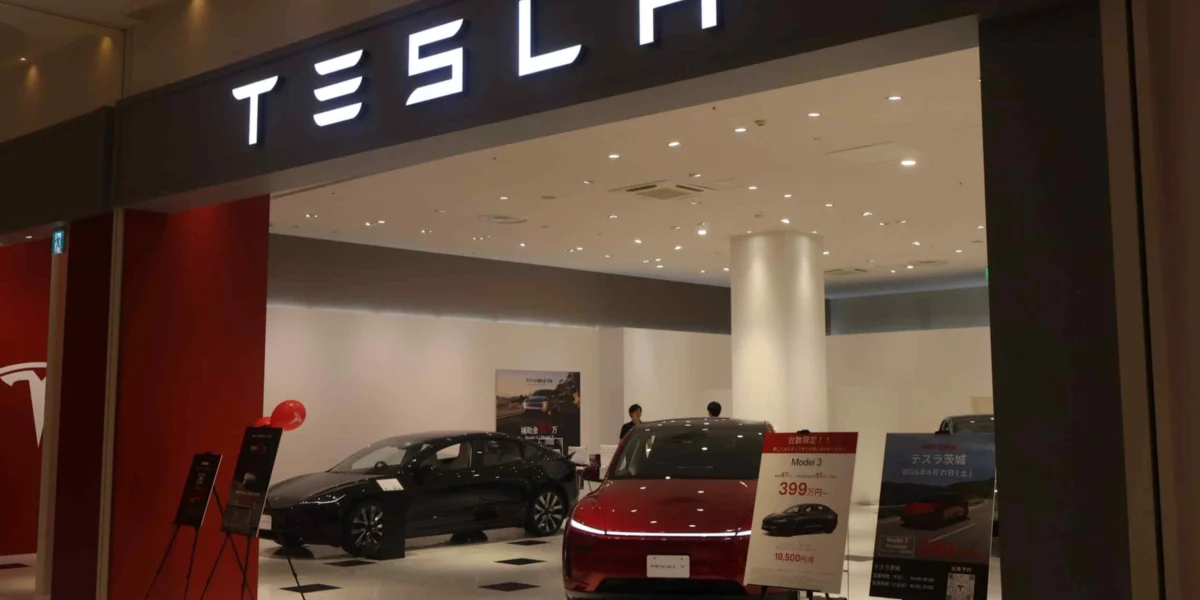
TOKYO – U.S. electric vehicle (EV) manufacturer Tesla is set to significantly bolster its operational footprint in Japan, announcing plans to increase its vehicle delivery locations by a substantial 60% within the current year. This strategic expansion is a direct response to an unprecedented surge in consumer and corporate demand for EVs, which has stretched Tesla’s existing infrastructure to its limits and presented logistical challenges. The growing popularity of electric mobility in Japan is being significantly propelled by a confluence of factors, most notably robust government subsidies and increasingly attractive perks offered by corporations to their employees for adopting greener transportation solutions.

The Shifting Landscape of Japanese Automotive Consumption
For decades, Japan’s automotive market has been dominated by its highly competitive domestic manufacturers, known for their fuel-efficient internal combustion engine (ICE) vehicles and a strong preference for hybrid technology. However, a discernible shift has been underway in recent years, accelerated by global environmental concerns, advancements in battery technology, and proactive government policies aimed at decarbonizing the transportation sector. The Japanese government, under its commitment to achieving carbon neutrality by 2050, has implemented a series of measures designed to encourage the adoption of EVs. These include purchase subsidies for consumers, tax incentives, and investments in charging infrastructure.
The initial rollout of EV incentives in Japan began with modest offerings, but they have steadily evolved to become more substantial. For instance, the national government’s EV purchase subsidy, which has seen adjustments in eligibility criteria and amounts over time, currently offers a significant reduction in the upfront cost of purchasing an electric vehicle. This direct financial benefit has proven to be a critical factor in making EVs more accessible to a broader segment of the Japanese population, who are traditionally price-sensitive and have a strong appreciation for value.

Beyond individual consumers, corporate adoption has also emerged as a powerful driver. A growing number of Japanese companies are integrating EVs into their fleets and offering compelling employee benefits. These perks can range from subsidized charging facilities at the workplace to direct financial assistance for employees who choose to purchase an EV. This trend is often driven by corporate social responsibility (CSR) initiatives, a desire to enhance corporate image, and the potential for long-term cost savings through reduced fuel and maintenance expenses. The visibility of these corporate initiatives further normalizes and promotes EV ownership, creating a positive feedback loop.
Tesla’s Strategic Response to Escalating Demand
Tesla, as a global pioneer in the EV market, has been strategically positioned to capitalize on these evolving market dynamics in Japan. The company has been steadily expanding its presence since its official entry, focusing on building a network of showrooms and service centers. However, the recent surge in demand has outpaced the capacity of its existing delivery points. The current infrastructure, while functional, has struggled to efficiently handle the increasing volume of vehicle handovers, leading to potential delays and a less-than-ideal customer experience.

The decision to increase delivery locations by 60% signifies a significant investment and a clear commitment to the Japanese market. While specific locations for these new delivery hubs have not yet been detailed, it is reasonable to infer that they will be strategically placed in densely populated urban centers and key suburban areas where demand is highest. This expansion will likely involve either the establishment of entirely new facilities or the repurposing and enhancement of existing Tesla spaces to accommodate a greater throughput of vehicles. The goal is to streamline the delivery process, reduce waiting times for customers, and ensure a smooth and positive handover experience, which is crucial for brand loyalty and word-of-mouth referrals.
Chronology of EV Growth and Tesla’s Japanese Journey
The trajectory of EV adoption in Japan can be observed over the past decade. While initial uptake was slow, characterized by limited model availability and range anxiety, the landscape began to change noticeably around 2018-2019. This period saw increased government focus on climate targets and a gradual improvement in EV technology.

- Pre-2018: Limited EV models, short driving ranges, high purchase prices, and insufficient charging infrastructure were major barriers. Hybrid vehicles dominated the "green" car segment.
- 2018-2020: Government subsidies became more substantial, and a wider array of EV models, including those from international manufacturers, started to appear. Tesla established its initial showrooms and service centers in key Japanese cities.
- 2021-2023: The pace of EV adoption accelerated. Increased awareness of climate change, coupled with enhanced government incentives and a growing number of appealing EV models, began to sway consumer preference. Tesla saw a notable increase in sales during this period.
- 2024-Present: The current year marks a significant inflection point. The combined impact of sustained government support, aggressive corporate adoption programs, and Tesla’s expanding product line (including more accessible models) has led to a demand surge that necessitates infrastructure expansion. The 60% increase in delivery locations is a direct consequence of this intensified demand.
Tesla’s presence in Japan has evolved from a niche offering to a more mainstream contender. Initially, Tesla showrooms primarily served as showcases and order points, with vehicle deliveries often being a more centralized process. The image accompanying this report, depicting a Tesla showroom in Japan where vehicles are not delivered, highlights the previous operational model. The expansion will likely see these showrooms, or dedicated delivery centers, transition to a more integrated model, facilitating direct customer pick-ups and enhancing the overall ownership journey from purchase to delivery.
Supporting Data and Market Trends
While specific sales figures for Tesla in Japan are not always publicly broken down by the company, broader industry trends provide ample evidence of the EV market’s growth. Data from the Japan Automobile Dealers Association (JADA) and other market research firms indicate a consistent upward trend in the registration of battery electric vehicles (BEVs) and plug-in hybrid electric vehicles (PHEVs).

For instance, BEV registrations in Japan have seen year-on-year growth exceeding 50% in recent periods. While still a smaller percentage of the overall Japanese car market compared to some European nations or China, the rate of growth is exceptionally strong. This rapid expansion suggests that the market is moving beyond early adopters and entering a phase of broader consumer acceptance.
The average price of new vehicles in Japan has also been a factor. While EVs can still carry a premium, the effective cost after subsidies and potential corporate benefits can make them highly competitive with comparable ICE vehicles, especially when considering the total cost of ownership, which includes lower running costs for electricity versus gasoline and reduced maintenance needs.

Furthermore, the charging infrastructure, though still developing, is seeing significant investment. Both government initiatives and private sector players are working to expand the network of public charging stations, alleviating one of the primary concerns for potential EV buyers. Tesla itself operates a Supercharger network, which has been gradually expanding across Japan, further supporting its customers.
Potential Reactions and Broader Implications
The announcement of Tesla’s expansion is likely to be met with keen interest from various stakeholders.

- Competitors: Domestic Japanese automakers, such as Toyota, Nissan, and Honda, which have historically focused on hybrid technology, are facing increased pressure to accelerate their transition to fully electric vehicles. Tesla’s aggressive expansion signals a strong competitive threat, potentially spurring these companies to increase their EV offerings and production capacity. This could lead to a more dynamic and competitive EV market in Japan, benefiting consumers with more choices and potentially lower prices.
- Government: The Japanese government will likely view Tesla’s expansion as a positive development, reinforcing its commitment to decarbonizing the transport sector and attracting foreign investment. The success of EV adoption, spurred by companies like Tesla, validates the government’s policy decisions and may encourage further investment in charging infrastructure and R&D for battery technology.
- Consumers: For Japanese consumers, this expansion means greater accessibility to Tesla vehicles and potentially a more streamlined purchasing and delivery experience. The increased competition could also lead to a wider variety of EV models and price points, making electric mobility a more viable option for a larger segment of the population.
- Automotive Suppliers: The growth of the EV market, driven by Tesla and other manufacturers, will necessitate a shift in the automotive supply chain. Suppliers of traditional engine components may need to pivot towards EV-specific parts, such as battery components, electric motors, and power electronics. This transition could create new opportunities and challenges for established industry players.
Analysis of Implications
Tesla’s strategic move to increase its delivery locations by 60% in Japan is more than just an operational adjustment; it is a clear indicator of the transformative potential of government policy and corporate strategy in shaping market behavior. The confluence of substantial government subsidies, which directly reduce the financial burden on consumers, and forward-thinking corporate perks, which normalize and incentivize EV adoption within the workforce, has created a fertile ground for rapid EV growth.
This expansion signals Tesla’s confidence in the long-term viability and growth trajectory of the Japanese EV market. It suggests that the company anticipates continued strong demand, driven not only by environmental consciousness but also by practical economic considerations and evolving consumer preferences. The logistical challenges faced by Tesla are a direct reflection of the success of its product and the broader market shift towards electrification. By addressing these challenges proactively, Tesla aims to solidify its position and capitalize on the burgeoning demand, potentially setting a precedent for other international EV manufacturers looking to enter or expand their presence in Japan.

The ripple effects of this expansion are likely to extend beyond Tesla’s immediate operations. It will undoubtedly intensify the competitive landscape, pushing domestic automakers to accelerate their own EV strategies and potentially leading to a more diverse and robust EV ecosystem in Japan. Furthermore, it underscores the critical role of public policy in driving technological adoption and environmental sustainability. As Japan continues its journey towards carbon neutrality, the success of initiatives like these will be pivotal in shaping its future transportation landscape. The coming years will likely witness a significant acceleration in EV adoption, with Tesla’s strategic expansion serving as a key catalyst in this ongoing transformation.