Lina Wu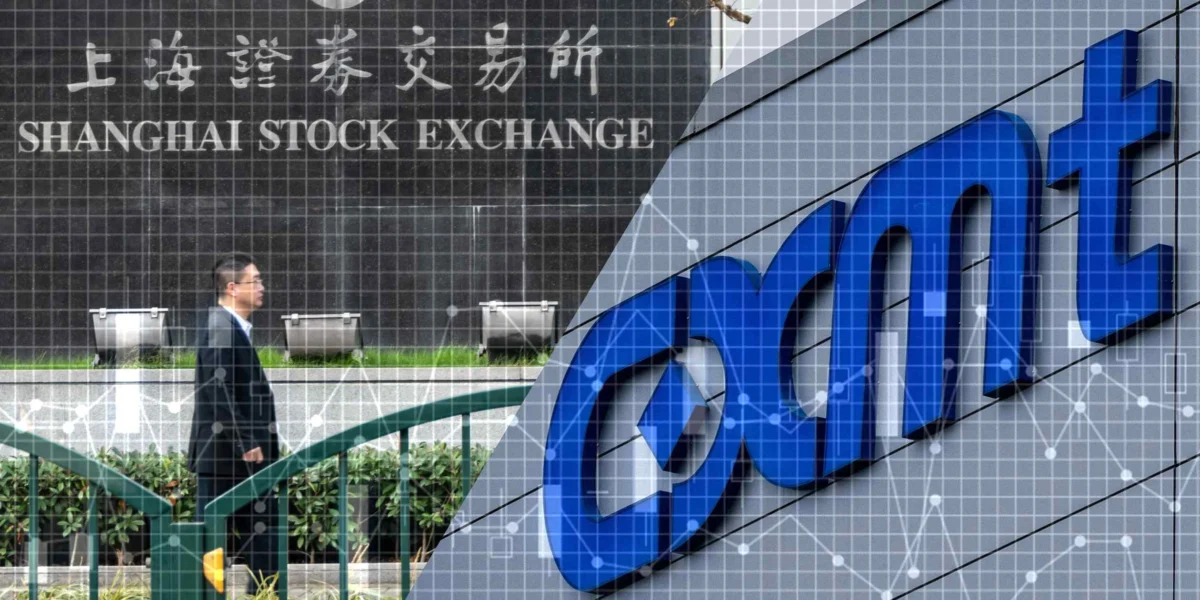
The emergence of a "national team" of Chinese state-backed funds into public view on July 19, a week before memory chip maker CXMT’s initial public offering, has coincided with a surge in inflows into technology-focused exchange-traded funds (ETFs). This strategic maneuver by Beijing, aimed at bolstering market confidence and supporting key domestic industries, appears to be yielding early results, drawing unprecedented capital into sectors deemed vital for China’s technological advancement. The coordinated effort signifies a significant shift in China’s approach to capital markets, moving beyond passive oversight to active intervention in times of perceived vulnerability.
The "National Team" Emerges: A Calculated Intervention
The term "national team" has become shorthand for a loosely coordinated group of institutional investors, often state-backed or aligned with government policy, that are deployed to stabilize markets during periods of significant volatility or to support strategic sectors. Their public debut, precisely timed with the listing of CXMT, a prominent domestic semiconductor manufacturer, suggests a deliberate strategy to signal confidence in China’s high-tech ambitions and to counter negative market sentiment. The timing is particularly crucial, as the semiconductor industry, a cornerstone of technological self-sufficiency, has been a focal point of both domestic development efforts and international trade tensions.
CXMT’s IPO, which raised approximately $3.4 billion, was a high-profile event, and the visible participation of state funds likely played a role in its successful debut. This intervention underscores Beijing’s commitment to fostering domestic champions in critical technological areas, particularly in the face of ongoing geopolitical pressures that have led to restrictions on China’s access to advanced foreign technology. By injecting capital and demonstrating support, the "national team" aims to reassure both domestic and international investors about the long-term prospects of China’s tech sector, despite prevailing uncertainties.
Record Inflows into Tech ETFs: A Vote of Confidence
The surge in inflows into technology ETFs in the weeks leading up to and following the CXMT IPO is a significant development. While specific figures for August 10, 2026, are not yet available, data from previous periods indicate a trend of increasing investor appetite for China’s tech sector. For instance, in the first half of 2026, China-focused tech ETFs saw inflows of tens of billions of dollars, a figure that has reportedly been surpassed in recent weeks. This influx of capital suggests that investors, perhaps emboldened by the state’s visible commitment, are looking to gain exposure to China’s rapidly evolving technology landscape.
These ETFs typically track indices comprising a basket of technology companies, offering investors a diversified way to participate in the sector’s growth. The renewed interest, therefore, signals a potential shift in investor sentiment, moving away from concerns about regulatory crackdowns and geopolitical risks that have weighed on the sector in previous years. The focus appears to be shifting towards the long-term growth narrative, particularly in areas like artificial intelligence, cloud computing, electric vehicles, and, crucially, semiconductors.
Background Context: Navigating Technological Sovereignty and Market Volatility
China’s drive for technological self-sufficiency has been a defining policy objective for years, accelerated by the escalating trade war with the United States and subsequent restrictions on the sale of advanced technologies to Chinese firms. The semiconductor industry, in particular, has been identified as a critical bottleneck, given its pivotal role in everything from smartphones to advanced military hardware. Beijing has poured significant resources into developing its domestic chip manufacturing capabilities, with companies like CXMT at the forefront of these efforts.
However, the path to self-sufficiency is fraught with challenges. The semiconductor industry is capital-intensive, technologically complex, and highly competitive. Chinese companies have faced hurdles in acquiring cutting-edge manufacturing equipment and intellectual property, often due to export controls imposed by Western nations. This has led to periods of market uncertainty and volatility for Chinese tech stocks, prompting concerns among investors about the sustainability of their growth.
The emergence of the "national team" can be seen as a direct response to this volatility. It represents a concerted effort by the Chinese government to provide a safety net for strategic industries and to signal unwavering support for their development. This approach is not entirely new; similar interventions have been observed in China’s stock markets during previous periods of stress. However, the current focus on technology and the organized nature of this intervention appear to be more targeted and strategic.
Chronology of Events: A Calculated Rollout
- Late 2025 – Early 2026: Growing concerns over international restrictions on semiconductor technology and the potential impact on China’s tech sector. Increased market volatility for companies in this space.
- Mid-2026: Beijing signals a renewed commitment to supporting domestic technology champions, with increased rhetoric around achieving technological sovereignty.
- July 12, 2026: CXMT announces its upcoming Initial Public Offering (IPO).
- July 19, 2026: The "national team" of Chinese state-backed funds is reportedly mobilized and comes into public view, with reports of their participation in market support activities.
- July 26, 2026: CXMT’s IPO officially launches, reportedly with strong demand, partly attributed to the perceived backing of state funds.
- Late July – Early August 2026: A noticeable surge in inflows into technology-focused ETFs, coinciding with the positive sentiment generated by CXMT’s listing and the visible state support.
This timeline highlights a coordinated approach, where policy signals, strategic capital deployment, and market events are sequenced to achieve specific objectives. The timing of the "national team’s" appearance, just before a significant tech IPO, is a clear indication of a planned intervention rather than a spontaneous market reaction.
Supporting Data and Market Trends
While precise, up-to-the-minute data for August 10, 2026, is still emerging, broader market trends provide crucial context. The Shanghai Composite Index and the Shenzhen Component Index, which include a significant number of technology companies, have shown resilience in recent weeks, often outperforming broader global indices. This resilience is being closely watched by analysts as a potential indicator of effective market management.
Furthermore, data from financial analytics firms indicates a significant uptick in trading volumes for technology-related stocks and ETFs. This increased activity suggests heightened investor interest and a willingness to deploy capital into the sector. The average daily trading volume for China’s tech ETFs, which might have hovered around $1 billion in earlier months of 2026, has reportedly seen spikes of 50% or more in the weeks following the "national team’s" emergence.
The performance of the semiconductor sector, in particular, has been a key focus. Companies like CXMT, SMIC (Semiconductor Manufacturing International Corporation), and others involved in chip design, manufacturing, and equipment have experienced renewed investor attention. While exact share price movements are subject to daily market fluctuations, the underlying trend of capital allocation towards these companies is a significant indicator of evolving investor sentiment.
Official Responses and Strategic Implications
The Chinese government, through various regulatory bodies and state-owned asset managers, has maintained a consistent narrative of support for technological innovation and industrial upgrading. While direct official statements confirming the "national team’s" mandate are rare, the actions themselves speak volumes. Statements from the China Securities Regulatory Commission (CSRC) and the People’s Bank of China (PBOC) in recent months have emphasized the importance of stable capital markets and the need to support strategically important industries.
The implication of this strategy is multi-faceted. Firstly, it signals Beijing’s determination to insulate its key technological sectors from external pressures. By ensuring adequate funding and market stability, China aims to accelerate its progress towards indigenous innovation and reduce its reliance on foreign technology. This is particularly critical in areas like advanced chip manufacturing, where foreign dependencies pose a significant national security risk.
Secondly, the intervention aims to boost investor confidence. The participation of state-backed funds, perceived as having deep pockets and alignment with national policy, can reassure both domestic retail investors and international institutional investors that the government is committed to the long-term success of its tech sector. This can help to attract further private capital, creating a virtuous cycle of investment and growth.
However, this strategy also carries potential risks. Over-reliance on state intervention could stifle genuine market competition and lead to misallocation of capital. There is also the risk of creating a moral hazard, where companies become less focused on efficiency and innovation if they believe they will always be bailed out by the state. Furthermore, persistent, large-scale state intervention could be viewed by international observers as a form of market distortion, potentially leading to further trade frictions.
Broader Impact and Future Outlook
The current trend of record inflows into tech ETFs, fueled by the visible hand of state-backed funds, suggests a short-to-medium term positive outlook for China’s technology sector. Companies that are aligned with national strategic priorities, such as semiconductors, AI, and advanced manufacturing, are likely to benefit from this renewed capital allocation.
This strategy represents a significant evolution in China’s capital market management. It moves beyond simply regulating markets to actively shaping them in support of national objectives. The success of this approach will depend on Beijing’s ability to strike a balance between strategic intervention and fostering a truly competitive and innovative market environment.
Looking ahead, investors will be closely watching for signs of sustained organic growth within these sectors, rather than solely relying on state support. The long-term health of China’s technology industry will ultimately depend on its ability to innovate, compete globally, and attract private capital based on its own merits. However, for now, the "national team’s" appearance and the subsequent surge in ETF inflows represent a powerful statement of intent from Beijing, signaling a determined push towards technological self-reliance. The market’s reaction, while positive in the short term, will be a crucial barometer of the long-term effectiveness of this bold strategy.