Ena Muazin
Three high-ranking Fed representatives voted for an interest rate change but were ultimately unsuccessful. They are now publicly explaining why they believe the decision was incorrect.
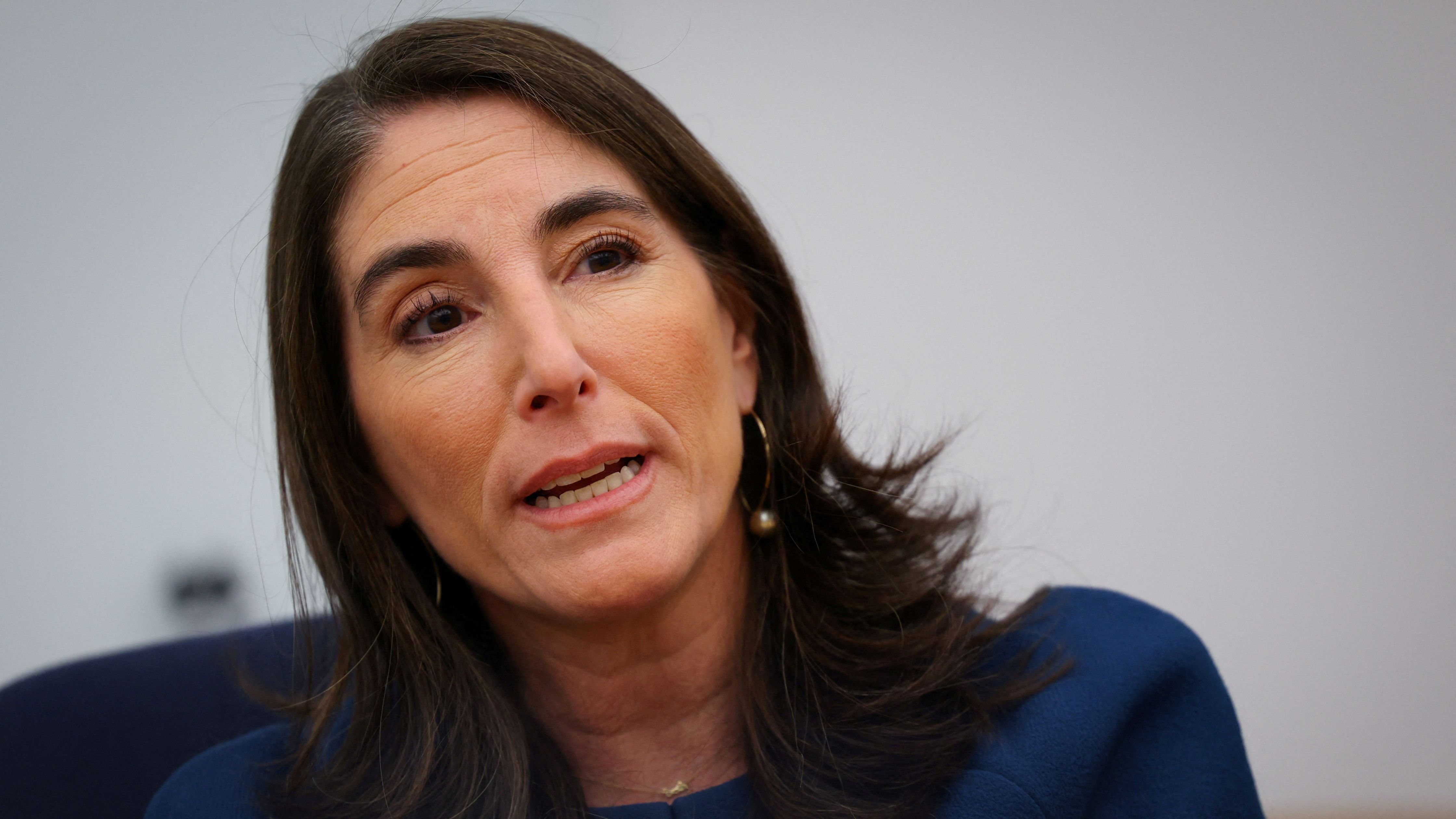
The recent decision by the U.S. Federal Reserve to hold interest rates steady has sparked a clear divergence of opinion among its own policymakers, with prominent voices advocating for a tighter monetary policy now making their dissenting views public. Beth Hammack, President of the Federal Reserve Bank of Cleveland, and Neel Kashkari, President of the Federal Reserve Bank of Minneapolis, have both articulated their concerns that the current monetary stance is insufficient to combat persistent inflation. Their public statements underscore a significant internal debate within the Fed regarding the appropriate path forward for U.S. monetary policy.
The Dissenting Voices Emerge
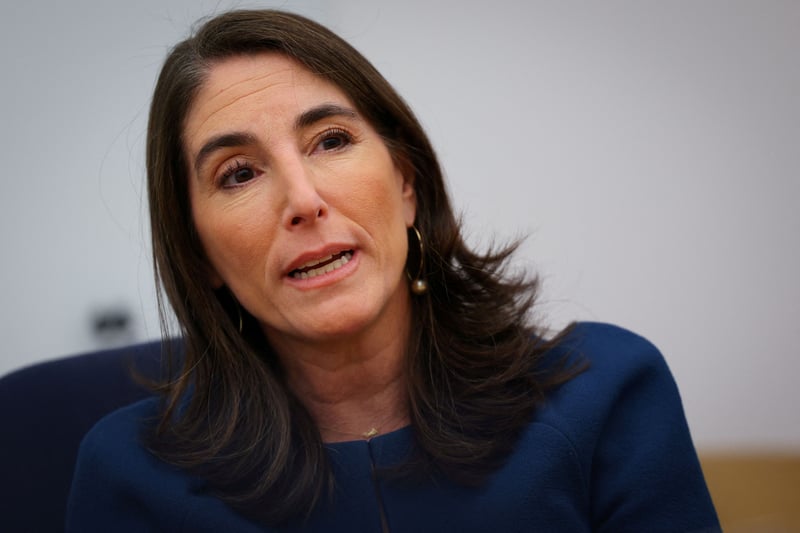
Beth Hammack, who had voted in favor of an interest rate hike at the most recent Federal Open Market Committee (FOMC) meeting, stated on Friday that inflation has remained stubbornly above the Fed’s target of 2.0 percent for over five years. "And I am not confident that it will return to our target on its own," Hammack added, emphasizing her belief that a higher benchmark interest rate would help to dampen economic activity and reduce inflationary pressures. She explicitly stated, "I would have preferred to act already at our most recent meeting, as I do not consider the current monetary policy course to be sufficiently restrictive."
Her colleague, Neel Kashkari, President of the Federal Reserve Bank of Minneapolis, echoed these sentiments, expressing concern about inflation. Kashkari’s view was that the Fed should have raised interest rates at the Wednesday meeting, seeing it as the first step in a series of increases. "To counter the risk of high inflation becoming entrenched, I would prefer to gradually tighten monetary policy while we gather further data on inflation and employment developments," Kashkari wrote in his public statement.
These comments are particularly noteworthy as they come from officials who have openly supported a more aggressive approach to monetary tightening. Their willingness to voice their disagreements publicly signals a lack of consensus within the FOMC, potentially creating uncertainty for markets and the broader economy.
Background: The Fed’s Inflation Fight
The Federal Reserve has been engaged in a prolonged battle against inflation that surged in the wake of the COVID-19 pandemic. Supply chain disruptions, strong consumer demand fueled by fiscal stimulus, and a tight labor market all contributed to a significant increase in price levels. In response, the Fed embarked on an aggressive rate-hiking cycle starting in March 2022, raising its benchmark interest rate from near zero to a range of 5.25% to 5.50% by July 2023.
This series of hikes was intended to cool demand, slow economic growth, and thereby bring inflation back down to the Fed’s 2% target. While inflation has shown signs of moderation from its peak, it has proven to be more persistent than many anticipated, particularly in the services sector. The core Personal Consumption Expenditures (PCE) price index, the Fed’s preferred inflation gauge, has remained elevated, leading to a debate about whether the current monetary policy stance is sufficiently restrictive.
The FOMC Meeting: A Moment of Hesitation
The FOMC’s recent decision to pause rate hikes, for the time being, suggests that a majority of policymakers believe that the current level of interest rates is appropriate to achieve their dual mandate of price stability and maximum employment. However, the fact that Hammack and Kashkari, along with at least one other unnamed member, voted for a rate increase indicates a close vote and a significant division of opinion.

This internal disagreement can be attributed to differing interpretations of economic data and varying outlooks on the future trajectory of inflation. Some policymakers may be more concerned about the risk of inflation re-accelerating, while others may be more focused on the potential for overtightening and triggering an unnecessary economic downturn.
Economic Data and Inflationary Pressures
Recent economic data has presented a mixed picture, contributing to the complex decision-making process for the Fed. While the labor market has shown some signs of cooling, it remains relatively robust, with unemployment rates historically low. Wage growth, while moderating, continues to be a factor contributing to inflationary pressures, particularly in labor-intensive service industries.
Inflation data has also been a source of debate. While headline inflation has declined from its peak, core inflation (which excludes volatile food and energy prices) has been more sticky. The services component of inflation has been a particular area of concern, driven by factors such as rent increases and the cost of healthcare and transportation.
The Fed’s own projections often highlight a range of potential outcomes, reflecting the inherent uncertainty in economic forecasting. The divergence of views among FOMC members suggests that they are grappling with these uncertainties and have different risk assessments.
Implications for Future Policy and Markets
The public pronouncements of Hammack and Kashkari could have several implications. Firstly, they serve as a signal to financial markets that the debate over interest rates is far from settled. This could lead to increased volatility as investors try to decipher the future direction of Fed policy.
Secondly, their willingness to speak out might put pressure on the FOMC to be more transparent about its internal deliberations. It also suggests that future meetings could see further discussion and potential votes for rate hikes if inflation data continues to surprise to the upside.

Analysts will be closely watching for any further comments from these policymakers and other Fed officials. The market’s reaction will depend on the perceived influence of these dissenting voices and the overall economic outlook. A persistent inflation environment could force the Fed to consider further tightening, even if it risks a sharper economic slowdown. Conversely, if inflation continues to moderate, the Fed might be able to hold rates steady for longer, allowing the economy to adjust to the current level of restrictiveness.
Broader Economic Context and Analysis
The current situation reflects a delicate balancing act for central banks worldwide. After a period of historically low interest rates, many economies are now grappling with the consequences of inflation. The challenge for central bankers is to bring inflation under control without causing a severe recession.
The U.S. economy has shown remarkable resilience thus far, defying many predictions of an imminent downturn. However, the cumulative effect of past rate hikes is still working its way through the economy, and the full impact may not yet be apparent. The Fed’s forward guidance, which signals its intentions regarding future policy actions, plays a crucial role in shaping market expectations and influencing economic behavior.

The dissent within the Fed underscores the complexity of monetary policy decision-making. Policymakers must weigh a wide range of economic indicators, consider various economic models, and assess the potential risks and rewards of different policy actions. The fact that experienced officials like Hammack and Kashkari hold strong views on the need for further tightening highlights the challenging environment in which the Fed is operating.
Looking Ahead: The Path Forward
The Federal Reserve’s next steps will be heavily influenced by incoming economic data, particularly on inflation and employment. Investors and economists will be scrutinizing each new report for clues about the FOMC’s future policy trajectory. The recent public statements by Hammack and Kashkari suggest that the debate within the Fed is likely to continue, and the possibility of further interest rate adjustments remains on the table.
The Federal Reserve’s commitment to price stability is paramount. However, achieving this goal without unduly harming economic growth is a significant challenge. The differing perspectives within the FOMC highlight the difficult trade-offs that policymakers must confront in navigating the current economic landscape. The coming months will be critical in determining whether the Fed’s current policy stance is sufficient to tame inflation or if further, more aggressive measures will be required. The expressed concerns of Hammack and Kashkari serve as a stark reminder of the ongoing vigilance needed in the fight against persistent price pressures.