Ena Muazin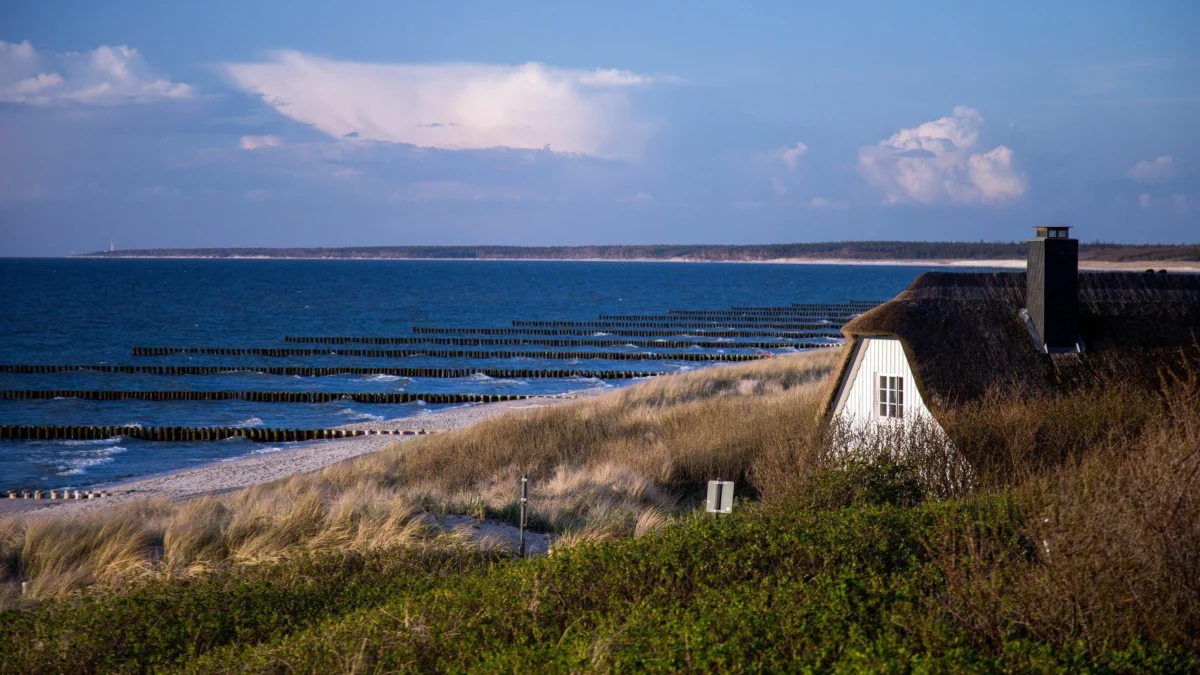
Berlin. The burgeoning trend of domestic tourism in Germany is presenting a significant investment opportunity for those looking to capitalize on the growing demand for vacation rentals. According to the 2026 Travel Analysis by the German Travel Association (DRV), one in five German holidaymakers now choose destinations within their own country, signaling a substantial shift in travel preferences. This surge in "staycations" is making holiday apartments an attractive alternative to traditional residential real estate, potentially offering higher yields for savvy investors. However, the success of such ventures is far from guaranteed, hinging on meticulous planning, a deep understanding of the market, and navigating a complex web of legal and operational considerations.
The Rise of the German Staycation
The data from the DRV’s 2026 Travel Analysis underscores a profound and sustained evolution in how Germans approach their leisure time. For years, international travel dominated the holiday landscape for many, with popular destinations in Southern Europe and further afield drawing significant numbers. However, a confluence of factors, including evolving economic conditions, a growing appreciation for the diverse natural beauty and cultural offerings within Germany, and perhaps a heightened awareness of sustainability in travel, has propelled domestic tourism to the forefront.
The most sought-after domestic destinations paint a clear picture of what German holidaymakers are seeking. Coastal regions along the Baltic and North Seas continue to be perennial favorites, offering a combination of relaxation, water sports, and family-friendly attractions. Bavarian regions, renowned for their picturesque alpine scenery, charming villages, and rich cultural heritage, also draw substantial numbers of visitors. Furthermore, Germany’s Mittelgebirge (low mountain ranges) like the Harz are experiencing a resurgence, appealing to those who seek outdoor activities such as hiking, cycling, and winter sports in a more tranquil setting.
Beyond these traditional nature-focused retreats, German cities are also experiencing an unprecedented surge in popularity as holiday destinations. Berlin, the nation’s vibrant capital, consistently ranks among the top choices, attracting visitors with its historical significance, cutting-edge art scene, and dynamic nightlife. Munich, the gateway to Bavaria, offers a blend of traditional Bavarian charm and cosmopolitan sophistication, while Hamburg, with its bustling port, vibrant cultural life, and picturesque canals, continues to captivate tourists. This diversification of popular destinations highlights a growing appetite for a wider range of holiday experiences within Germany, from serene natural landscapes to bustling urban centers.
Investment Potential and Pitfalls
This robust domestic travel trend presents a compelling opportunity for real estate investors. The logic is straightforward: a property purchased with the intention of short-term rental to tourists can potentially generate a higher return on investment (ROI) compared to a long-term residential rental. The ability to adjust rental rates based on seasonal demand, coupled with potentially higher per-night earnings, can make vacation rentals an attractive proposition.
However, the allure of higher yields must be tempered with a realistic assessment of the complexities involved. Unlike traditional buy-to-let investments, operating a successful vacation rental business is a demanding undertaking. It requires a proactive approach to marketing, guest management, property maintenance, and compliance with a myriad of local regulations. As Saadia Touzri, a consultant specializing in property rental and subletting, cautions, "Those who look only at the purchase price through the investor’s lens risk ending up in markets with insufficient demand." This highlights a critical pitfall: focusing solely on the acquisition cost without a thorough understanding of the rental market’s dynamics can lead to underperforming assets and financial losses.
The success or failure of a vacation rental investment hinges on several interconnected factors:
- Location, Location, Location: This age-old real estate adage is amplified in the vacation rental market. Proximity to popular attractions, transport links, natural beauty, and amenities is paramount.
- Legal and Regulatory Hurdles: Many German cities and regions have implemented stringent regulations regarding short-term rentals, including licensing requirements, occupancy limits, and taxes. Non-compliance can result in substantial fines.
- Operational Costs: Beyond mortgage payments and property taxes, investors must account for ongoing expenses such as cleaning, utilities, maintenance, insurance, marketing, and management fees.
- Market Demand and Seasonality: Understanding the ebb and flow of tourist seasons, local events, and competitor offerings is crucial for effective pricing and occupancy management.
Navigating the Path to Success: Expert Guidance
To help potential investors navigate these complexities, Touzri, along with other industry experts, emphasizes a structured, five-step approach to entering the vacation rental market. This systematic methodology aims to mitigate risks and maximize the chances of a profitable investment.
Step 1: Rigorous Location Analysis
The cornerstone of any successful vacation rental investment is a comprehensive analysis of the property’s location. As Touzri explains, the occupancy rate of a vacation property can vary significantly throughout the year depending on its geographical placement. Therefore, a detailed "location analysis" is not merely recommended; it is essential.
This analysis should involve more than a superficial assessment of local attractions. Investors should identify two to three promising regions and then delve into their specific market dynamics. Key metrics to scrutinize include:
- Average Occupancy Rates: This data provides insight into how frequently properties are booked in a given area throughout the year. Low occupancy rates are a significant red flag.
- Average Overnight Stay Prices: Understanding the typical nightly rates charged by similar properties allows for realistic revenue projections.
- Seasonality Patterns: Identifying peak seasons, shoulder seasons, and low seasons is critical for financial planning and marketing strategies.
To gather this vital information, investors can leverage a variety of resources. Online booking platforms like Airbnb, Booking.com, and FeWo-direkt offer a wealth of publicly available data on listing availability and pricing. For more sophisticated and granular analysis, specialized tools such as AirDNA or Airbtics can provide in-depth market insights, including competitor performance, revenue trends, and demand forecasts.
Supporting Data and Context:
The DRV’s 2026 Travel Analysis, released in late 2025, serves as a crucial benchmark for this trend. This annual report, compiled through extensive surveys of German travelers and industry stakeholders, provides a comprehensive overview of travel patterns, preferences, and expenditures. Its findings are widely consulted by tourism businesses, policymakers, and investors alike. The report’s consistent observation of a strengthening staycation trend over the past few years has solidified its importance. Data points from previous years, for instance, might show a steady increase in domestic travel as a percentage of total German holidays, perhaps from 18% in 2023 to the current 20% in 2026, indicating a sustained shift rather than a fleeting fad.
Furthermore, an analysis of booking platform data from early 2026 could reveal specific geographic hotbeds for vacation rentals. For example, reports might indicate a 15% year-over-year increase in bookings for coastal properties in Schleswig-Holstein, or a 10% rise in bookings for apartments in popular Bavarian ski resorts during the winter months. This granular data further validates the investment thesis for specific locations.
Implications:
A thorough location analysis directly impacts the financial viability of a vacation rental investment. A property in a highly desirable, consistently booked location with strong average rental rates will yield significantly better returns than one in an area with low demand or pronounced seasonality. This step helps investors avoid the costly mistake of acquiring a property in a market saturated with supply or one that experiences prolonged periods of vacancy. It ensures that the investment is aligned with demonstrable market demand.
Step 2: Understanding Local Legal Frameworks and Regulations
Once a promising location has been identified, the next critical step involves a deep dive into the local legal and regulatory landscape. Germany, like many other European countries, has been increasingly scrutinizing and regulating short-term rental platforms and individual property owners. Failure to comply with these regulations can lead to substantial fines, legal disputes, and even the prohibition of rental activities.
Key regulatory aspects to investigate include:
- Zweckentfremdungsverbot (Prohibition of Misuse of Land/Property): Many municipalities have enacted ordinances that restrict or prohibit the conversion of residential properties into holiday accommodations, especially in areas facing housing shortages. This often involves licensing requirements, permits, and limitations on the number of days a property can be rented out short-term per year.
- Gewerbeanmeldung (Business Registration): In many cases, operating a vacation rental business is considered a commercial activity, requiring registration with the local trade office (Gewerbeamt).
- Steuerliche Pflichten (Tax Obligations): Investors must understand their tax liabilities, which can include income tax on rental earnings, value-added tax (VAT) in certain circumstances, and local tourist taxes (Kurtaxe or Gästebetriebsabgabe) levied on guests.
- Bauordnung (Building Regulations): Any modifications or renovations to the property must comply with local building codes and safety standards, especially those related to fire safety and accessibility for guests.
- Wohnungseigentümergemeinschaft (WEG) Regulations: If the property is part of a condominium association (WEG), its statutes may contain specific rules or outright bans on short-term rentals. Obtaining permission from the WEG is often a prerequisite.
Expert Commentary and Industry Reactions:
The increasing complexity of these regulations has led to a growing demand for specialized legal and consulting services. Real estate lawyers and tax advisors who focus on the hospitality sector are seeing a surge in inquiries from potential investors. Industry associations, such as the German Hotel and Restaurant Association (DEHOGA), have also been vocal in advocating for stricter regulations to ensure fair competition between hotels and private vacation rental providers. Conversely, platforms like Airbnb have actively engaged with local authorities to advocate for clear and balanced regulatory frameworks, often emphasizing the economic benefits that tourism, including vacation rentals, brings to local communities.
Analysis of Implications:
Navigating these legal complexities requires significant due diligence. A property that appears attractive from an investment standpoint might be rendered unviable by local ordinances. For instance, a popular tourist town might have a strict "Zweckentfremdungsverbot" that limits short-term rentals to a mere 90 days per year, drastically reducing potential income. Investors must budget for legal consultation fees and be prepared to invest time in understanding and complying with all relevant regulations. Proactive engagement with local authorities and legal professionals can prevent costly missteps and ensure long-term operational legality.
Step 3: Financial Planning and Cost Assessment
A robust financial plan is the bedrock of any successful investment. For vacation rentals, this goes beyond the initial purchase price and mortgage. Investors need to meticulously assess all anticipated costs and project potential revenue streams.
Detailed Cost Breakdown:
- Acquisition Costs: Purchase price, notary fees, land transfer tax (Grunderwerbsteuer), and potential agent commissions.
- Renovation and Furnishing Costs: Vacation rentals often require a higher standard of furnishing and decor than long-term rentals to appeal to tourists. This includes furniture, appliances, linens, kitchenware, and decorative items.
- Operating Expenses:
- Utilities: Electricity, water, gas, internet, and waste disposal. These costs can be higher in vacation rentals due to frequent guest turnover.
- Cleaning and Laundry: Professional cleaning services and laundry are essential between guest stays.
- Maintenance and Repairs: Regular upkeep and prompt repairs are crucial to guest satisfaction and property longevity.
- Insurance: Specialized vacation rental insurance is often required, covering liability, property damage, and potential loss of rental income.
- Property Management Fees: If outsourcing management to a professional company, these fees typically range from 15% to 30% of the gross rental income.
- Marketing and Platform Fees: Costs associated with listing on booking platforms, advertising, and potentially professional photography.
- Taxes: Income tax on rental earnings, tourist taxes, and potentially VAT.
- Contingency Fund: A reserve of at least 10-15% of the annual operating costs should be set aside for unexpected expenses.
Revenue Projections:
Revenue projections should be based on realistic occupancy rates and average daily rates, derived from the location analysis. It is prudent to create multiple scenarios: an optimistic, a realistic, and a pessimistic projection to understand the range of potential outcomes.
Analysis of Implications:
A thorough financial assessment allows investors to determine the break-even point and the required occupancy rate to achieve profitability. It also highlights the importance of cost management. For instance, negotiating favorable rates with cleaning services or opting for energy-efficient appliances can significantly impact the bottom line. This step prevents investors from being blindsided by hidden costs and ensures they have a clear understanding of the investment’s financial viability before committing capital. It is a critical exercise in risk management.
Step 4: Property Selection and Preparation
With a clear understanding of the market, legalities, and finances, the focus shifts to selecting the right property and preparing it for rental.
Key Considerations for Property Selection:
- Guest Appeal: Does the property offer features that appeal to the target demographic? This could include proximity to attractions, beautiful views, outdoor space, modern amenities, or family-friendly facilities.
- Condition and Renovation Potential: The property’s current condition will dictate renovation costs and timelines. Properties that require extensive work may offer a lower purchase price but come with higher upfront investment and risk.
- Layout and Size: Is the layout conducive to short-term rentals? For example, properties with multiple bathrooms or flexible sleeping arrangements can be more appealing.
- Accessibility: Easy access for guests, including parking and proximity to public transport, is a significant advantage.
Property Preparation for Rental:
- Furnishing and Decor: Invest in durable, comfortable, and aesthetically pleasing furnishings. The decor should align with the property’s location and target audience. Professional staging can enhance appeal.
- Essential Amenities: Ensure the property is equipped with all necessary amenities, including high-speed internet, a fully equipped kitchen, comfortable bedding, ample towels, and basic toiletries.
- Safety Features: Smoke detectors, carbon monoxide detectors, a fire extinguisher, and a first-aid kit are essential.
- Welcome Pack: A small welcome pack with local information, Wi-Fi password, and emergency contact numbers enhances the guest experience.
- Professional Photography: High-quality photographs are crucial for online listings. They are the first impression potential guests will have of the property.
Analysis of Implications:
The physical attributes and presentation of the property directly influence guest satisfaction and booking rates. A well-maintained, attractive, and fully equipped property is more likely to receive positive reviews, leading to increased bookings and higher rental income. Conversely, a neglected or poorly furnished property will deter guests and result in a negative reputation, impacting long-term profitability. This step is about creating a compelling and comfortable experience for the guest, which is the core of the vacation rental business.
Step 5: Marketing, Management, and Guest Experience
The final, and ongoing, stage involves attracting guests, managing bookings, and ensuring a positive guest experience to foster repeat business and good reviews.
Marketing Strategies:
- Online Travel Agencies (OTAs): Listing on platforms like Airbnb, Booking.com, and Vrbo is essential for broad reach.
- Direct Bookings: Building a dedicated website or utilizing direct booking tools can reduce commission fees and foster brand loyalty.
- Social Media Marketing: Engaging potential guests through platforms like Instagram and Facebook can showcase the property and its surroundings.
- Local Partnerships: Collaborating with local tour operators, restaurants, or activity providers can offer package deals and attract guests.
Property Management Options:
- Self-Management: Investors can manage bookings, guest communication, cleaning, and maintenance themselves. This is the most cost-effective option but requires significant time and effort.
- Professional Property Management Companies: These companies handle all aspects of the rental operation for a fee. This is ideal for investors who lack the time or expertise.
- Hybrid Approach: Some investors manage bookings and guest communication themselves while outsourcing cleaning and maintenance.
Ensuring a Positive Guest Experience:
- Clear and Prompt Communication: Respond to inquiries quickly and provide all necessary information in advance.
- Seamless Check-in and Check-out: Offer flexible check-in/check-out options where possible and provide clear instructions.
- Property Cleanliness and Maintenance: The property must be immaculately clean and well-maintained.
- Local Recommendations: Provide guests with helpful tips on local attractions, restaurants, and activities.
- Problem Resolution: Address any guest issues or complaints promptly and efficiently.
- Soliciting Reviews: Encourage satisfied guests to leave reviews, as positive feedback is crucial for attracting future bookings.
Analysis of Implications:
Effective marketing is the engine that drives bookings, while exceptional guest experience is the fuel that sustains long-term success. Positive reviews act as powerful social proof, influencing the booking decisions of future guests. Conversely, negative reviews can severely damage a property’s reputation and deter potential renters. Investing in professional photography, responsive communication, and a consistently high standard of cleanliness and service are not merely operational tasks; they are strategic investments in the property’s profitability and longevity. The goal is to create a memorable and enjoyable stay that encourages guests to return and recommend the property to others. This ongoing commitment to guest satisfaction is what separates a successful vacation rental from a struggling one.