Lina Wu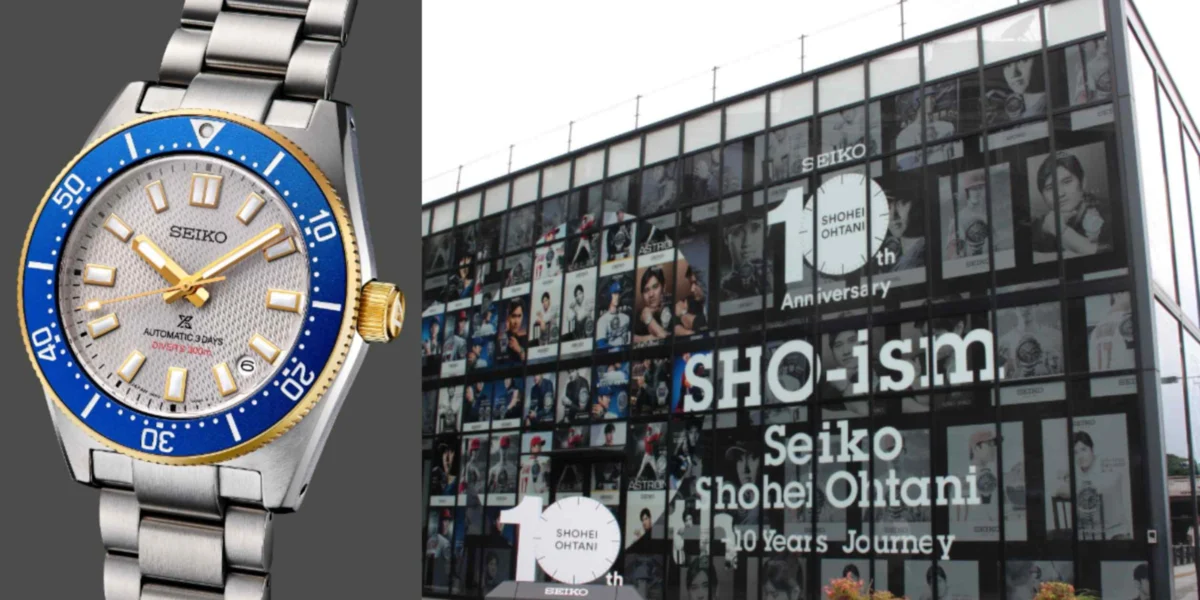
TOKYO — Japanese watchmaker Seiko Group is undertaking a profound transformation, strategically repositioning itself from a mass-market manufacturer to a distinguished luxury brand. This ambitious evolution has culminated in a significant milestone: the company has achieved a stock market valuation that rivals that of LVMH Moët Hennessy Louis Vuitton, the world’s largest luxury goods conglomerate. This surge in market capitalization underscores Seiko’s successful redefinition of its brand image, a process driven by substantial investments in marketing, strategic brand partnerships, and a deliberate shift towards higher-end product offerings.

The Grand Rebranding: A Decade in the Making
Seiko’s journey towards luxury status has not been an overnight phenomenon. For the past decade, the company has systematically cultivated an image of exclusivity and superior craftsmanship. This strategic pivot began to gain significant momentum around the early 2010s, as global luxury markets showed increasing resilience and appetite for heritage brands with strong narratives. Seiko, with its deep-rooted history in precision watchmaking dating back to 1881, possessed precisely the kind of legacy that resonates with affluent consumers seeking authenticity and enduring value.
The company’s strategy has been multi-faceted. A cornerstone of this repositioning has been a dramatic increase in advertising spending, particularly targeting discerning audiences through high-profile placements in luxury lifestyle publications, sophisticated digital campaigns, and impactful sponsorships. These marketing efforts have been meticulously designed to associate the Seiko name with prestige, innovation, and the pinnacle of horological artistry. Beyond traditional advertising, Seiko has embraced promotional deals, but with a distinct focus on exclusivity. This includes limited-edition releases, collaborations with renowned artists and designers, and the creation of highly sought-after timepieces that appeal to collectors and enthusiasts.

A prime example of this strategy’s success was the recent limited run of 3,400 watches produced in collaboration with baseball superstar Shohei Ohtani. These exclusive pieces, bearing the mark of a global sports icon, were reportedly snapped up by retailers and consumers almost instantaneously, highlighting the potent combination of brand equity, celebrity endorsement, and scarcity in driving demand within the luxury segment. The rapid sell-out not only generated significant revenue but also served as a powerful testament to Seiko’s ability to generate buzz and desirability around its premium offerings.
Strategic Pillars of Seiko’s Luxury Ascent
Seiko’s rebrand has been underpinned by several key strategic initiatives:

-
Product Segmentation and Premiumization: The company has increasingly focused on its higher-end lines, such as Grand Seiko and Credor, while still maintaining its more accessible offerings. This dual approach allows Seiko to capture a broader market while simultaneously demonstrating its capability to produce timepieces of unparalleled quality and exclusivity. Grand Seiko, in particular, has been a critical driver of this luxury transformation. Launched in 1960 with the ambition to create the "ideal watch," Grand Seiko has consistently pushed the boundaries of mechanical watchmaking, earning critical acclaim for its intricate movements, exquisite finishing, and unique design philosophies inspired by the natural beauty of Japan. Credor, positioned at the absolute apex of Seiko’s haute horlogerie, showcases the brand’s mastery of intricate complications, precious materials, and artisanal craftsmanship, further cementing its luxury credentials.
-
Enhanced Retail Experience: Seiko has invested heavily in upgrading its retail presence, creating more immersive and luxurious boutique experiences. This includes flagship stores in prime global luxury shopping destinations, offering personalized service and showcasing the brand’s heritage and craftsmanship in an elegant setting. The aim is to replicate the high-touch, bespoke experience that discerning luxury consumers expect.

-
Targeted Marketing and Brand Partnerships: As evidenced by the Shohei Ohtani collaboration, Seiko has become adept at forging strategic partnerships that resonate with its target demographic. These collaborations extend beyond sports to include alliances with cultural institutions, artists, and other luxury brands, all aimed at elevating Seiko’s brand perception and associating it with a lifestyle of sophistication and achievement. The Ohtani partnership, for instance, leveraged the immense global popularity of the two-way baseball phenom, tapping into a vast audience of both sports fans and luxury watch enthusiasts. The scarcity of the limited edition further amplified its desirability, creating a "fear of missing out" (FOMO) effect that drove rapid sales and generated considerable media attention.
-
Investment in Innovation and Craftsmanship: While emphasizing luxury, Seiko has not neglected its core strength: horological innovation. The company continues to invest in research and development, pushing the boundaries of watchmaking technology. This commitment to technical excellence, combined with a dedication to traditional artisanal techniques, ensures that Seiko’s luxury timepieces are not just beautiful but also technically superior. Innovations such as the Spring Drive movement, a unique hybrid technology that combines the power source of a mechanical watch with the precision of a quartz watch, exemplify Seiko’s commitment to pushing the envelope of watchmaking. This technological prowess provides a strong, factual basis for its luxury claims, moving beyond mere marketing.

The Valuation Benchmark: A New Era for Seiko
The comparison of Seiko Group’s stock market valuation with LVMH is a significant indicator of its successful brand repositioning. While LVMH operates a vast portfolio of diverse luxury brands across fashion, jewelry, spirits, and retail, Seiko’s valuation at a comparable level suggests that investors recognize the immense value and growth potential of its luxury watch division. This is particularly noteworthy given that Seiko Group’s business encompasses more than just high-end watches, including components, industrial machinery, and electronic devices. However, the market’s focus on the luxury watch segment’s performance and future prospects appears to be driving this elevated valuation.
This financial metric suggests a shift in investor perception, moving beyond Seiko’s historical reputation as a reliable, mass-market producer to one that commands premium pricing and enjoys strong demand for its most exclusive products. It signifies that the market views Seiko not just as a watch manufacturer, but as a purveyor of luxury goods with a strong brand identity and a compelling growth trajectory in the high-margin luxury sector.

Broader Implications for the Watch Industry and Beyond
Seiko’s transformation has several implications for the broader luxury watch industry:
-
Validation of Strategic Repositioning: Seiko’s success serves as a case study for other heritage brands that may be considering a similar strategic shift. It demonstrates that with sustained investment, a clear vision, and a commitment to quality, a brand can successfully transition to a higher market tier.

-
Increased Competition in the Luxury Segment: As Seiko solidifies its position in the luxury market, it intensifies competition with established Swiss and European luxury watch brands. This heightened competition can spur further innovation and a greater focus on customer experience across the board.
-
The Power of Japanese Craftsmanship: Seiko’s ascent highlights the growing global appreciation for Japanese craftsmanship, precision engineering, and aesthetic sensibilities. This could pave the way for other Japanese luxury brands to gain greater international recognition.

-
Diversification of Luxury Markets: The success of a Japanese brand like Seiko in challenging established European dominance in luxury watches also points to a growing diversification of luxury consumption patterns, with consumers increasingly seeking out brands that offer unique heritage, distinct craftsmanship, and cultural authenticity.
While the specific financial figures underpinning this valuation comparison would require ongoing market data, the sentiment is clear: Seiko Group is no longer just a maker of watches; it is a recognized player in the global luxury arena, commanding significant market confidence and investor attention. The company’s strategic decision to embrace luxury has not only redefined its brand but also reshaped its standing in the global marketplace, proving that heritage and innovation can indeed converge to create enduring value. The narrative of Seiko’s transformation from a household name to a luxury powerhouse is a compelling one, built on years of meticulous brand building, strategic product development, and a deep understanding of what constitutes true luxury in the 21st century. This evolution is a testament to the company’s long-term vision and its ability to adapt and thrive in an ever-changing economic and consumer landscape.