Lina Wu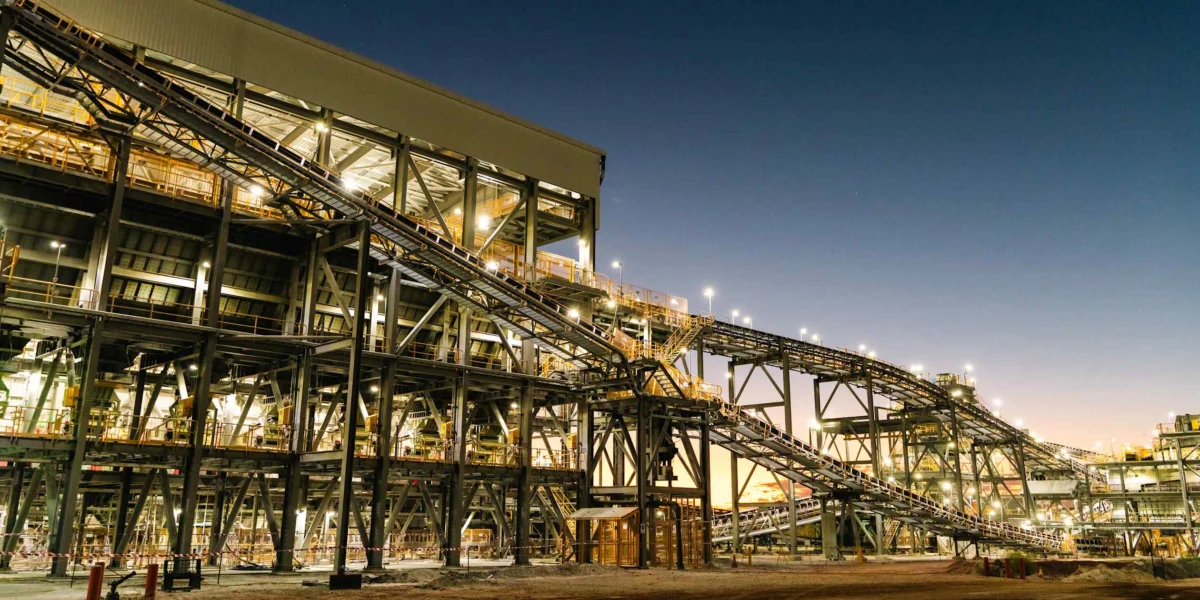
CANBERRA – Lithium producer PLS announced on Thursday its ambitious plan to increase production by approximately 20% in fiscal year 2027, signaling a strong commitment to expansion as Australian miners of the critical battery metal respond to robust global demand. This strategic move by PLS, a prominent player in the Australian lithium landscape, underscores the bullish outlook for the commodity, largely driven by the accelerating adoption of electric vehicles (EVs) outside of China.
Global EV Boom Fuels Lithium Demand
The burgeoning global electric vehicle market has become the primary catalyst for the sustained high demand for lithium, the indispensable component in modern battery technology. While China has long been the dominant force in EV manufacturing and consumption, recent data indicates a significant and accelerating uptake of electric vehicles in other key markets, including Europe and North America. This diversification of demand is providing a vital underpinning for the bullish sentiment surrounding lithium producers.

According to industry analysis from S&P Global Commodity Insights, global EV sales are projected to exceed 20 million units in 2026, a substantial increase from approximately 10 million units sold in 2023. This growth trajectory is not solely reliant on China; sales in Europe are anticipated to grow by over 25% year-on-year in the same period, while the North American market is expected to see a surge of nearly 30%. This widespread adoption necessitates a commensurate increase in lithium supply, creating a fertile ground for expansion by established producers like PLS.
PLS’s Expansion Strategy: A Closer Look
PLS’s targeted 20% production increase in fiscal year 2027 is not a speculative leap but a calculated response to market signals and its own operational capabilities. While specific details regarding the exact methods of expansion—whether through increased output from existing operations, the development of new processing facilities, or strategic acquisitions—were not fully elaborated in the initial announcement, the company’s stated intention points towards a significant scaling up of its lithium extraction and processing activities.
The company’s existing operations, likely including its Pilgangoora mine, a significant hard-rock lithium deposit in Western Australia, are understood to be the primary focus for this expansion. Australian miners have a distinct advantage in the global lithium market due to the country’s abundant and high-quality lithium reserves, coupled with a stable regulatory and political environment. This makes Australian lithium a preferred source for many international battery manufacturers seeking reliable and ethically sourced raw materials.

The infographic from the PLS website, showcasing the company’s operations, highlights its commitment to advanced mining and processing technologies, which are crucial for efficient and sustainable lithium production. The image depicts the crushing and sorting of ore, a fundamental step in the extraction process, suggesting that PLS is investing in and optimizing its upstream capabilities to meet future demand.
A Timeline of Growth and Market Dynamics
The announcement from PLS comes at a critical juncture in the global energy transition. The timeline of lithium market development has been characterized by rapid technological advancements in battery chemistry, evolving government policies promoting EV adoption, and volatile commodity prices influenced by supply-demand imbalances.
- Early 2020s: A period of significant price volatility for lithium, driven by supply chain constraints and a surge in EV production targets by major automotive manufacturers.
- Mid-2020s: Increasing recognition of the need for diversified and expanded lithium supply chains, leading to a renewed focus on exploration and production in countries like Australia. Government incentives and regulations in key markets further bolster EV demand.
- Late 2020s (Projected): Continued robust growth in EV sales globally, creating sustained pressure on lithium supply. Companies like PLS are strategically positioning themselves to capitalize on this demand by increasing their production capacity.
PLS’s announcement fits neatly into this projected timeline, indicating a proactive approach to securing its market position in the coming years. The company’s commitment to fiscal year 2027 suggests that the expansion plans are well underway, with significant investment and development expected in the intervening period.

Supporting Data: The Battery Metal Landscape
The significance of PLS’s expansion can be better understood by examining the broader context of the battery metal market. Lithium carbonate equivalent (LCE) prices, a key benchmark for the commodity, have experienced fluctuations but remain at levels that support profitable mining operations and encourage investment in new capacity. While prices have moderated from their record highs seen in late 2022, they have stabilized in a range that incentivizes producers to increase output.
According to data from the U.S. Geological Survey (USGS), global lithium mine production has seen a steady increase, but the demand growth, particularly from the EV sector, continues to outpace supply in certain segments. The USGS projected that global lithium demand could more than double by 2030, driven primarily by batteries for electric vehicles and energy storage systems. This forecast underscores the necessity for companies like PLS to ramp up their production capabilities.
Furthermore, the geographical distribution of lithium reserves highlights Australia’s importance. As of the latest USGS reports, Australia holds the largest identified lithium resources globally, making it a crucial player in meeting future demand. PLS, as a leading Australian producer, is strategically positioned to leverage this advantage.

Industry Reactions and Analyst Perspectives
While specific official reactions from other mining companies or major automotive manufacturers were not immediately available, the general sentiment within the industry is one of cautious optimism and strategic planning. Analysts closely monitoring the commodities sector are likely to view PLS’s expansion plans favorably, seeing them as a necessary step to meet anticipated demand.
"The move by PLS to increase production by 20% is a clear signal of their confidence in the long-term demand for lithium," commented an independent mining analyst, speaking on condition of anonymity. "The key for them will be the execution of these expansion plans, ensuring that they can bring additional supply online efficiently and at competitive costs. The continued strength of EV sales outside China is a critical factor supporting this bullish outlook, providing a more diversified and robust demand base."
Automotive manufacturers, who are heavily reliant on a stable and predictable supply of lithium, would generally welcome such expansion efforts. A consistent supply chain is crucial for them to meet their ambitious EV production targets and avoid disruptions that could impact sales and market share. The increasing focus on supply chain resilience among global automakers suggests that they will be actively seeking to secure long-term offtake agreements with reliable producers like PLS.

Broader Implications: Supply Chain Diversification and Geopolitics
PLS’s expansion has broader implications beyond just the company’s bottom line. It contributes to the ongoing global effort to diversify lithium supply chains, reducing reliance on a limited number of countries or regions. While China remains a dominant player in lithium processing and battery manufacturing, the expansion of mining operations in countries like Australia bolsters the upstream segment of the supply chain, offering more options for downstream industries.
This diversification is not only an economic imperative but also a geopolitical one. As the world transitions to cleaner energy sources, the availability and control of critical minerals like lithium are becoming increasingly significant. Investments in domestic or allied mining capacities enhance energy security and reduce vulnerabilities to geopolitical disruptions.
The expansion by Australian miners also underscores the country’s role as a key supplier of raw materials for the global energy transition. The economic benefits for Australia, including job creation, export revenues, and regional development, are substantial. The continued investment in the mining sector, particularly in critical minerals, is likely to remain a policy priority for the Australian government.

In conclusion, PLS’s announcement to increase lithium production by 20% in fiscal year 2027 is a significant development, directly responding to the robust and expanding global demand for EVs. Supported by positive trends in EV sales outside China, this move highlights the strategic importance of Australian miners in the global battery metal landscape and contributes to the broader efforts towards supply chain diversification and energy security. The success of this expansion will be closely watched by industry stakeholders, analysts, and governments alike as the world continues its transition towards a more sustainable future.