Ena Muazin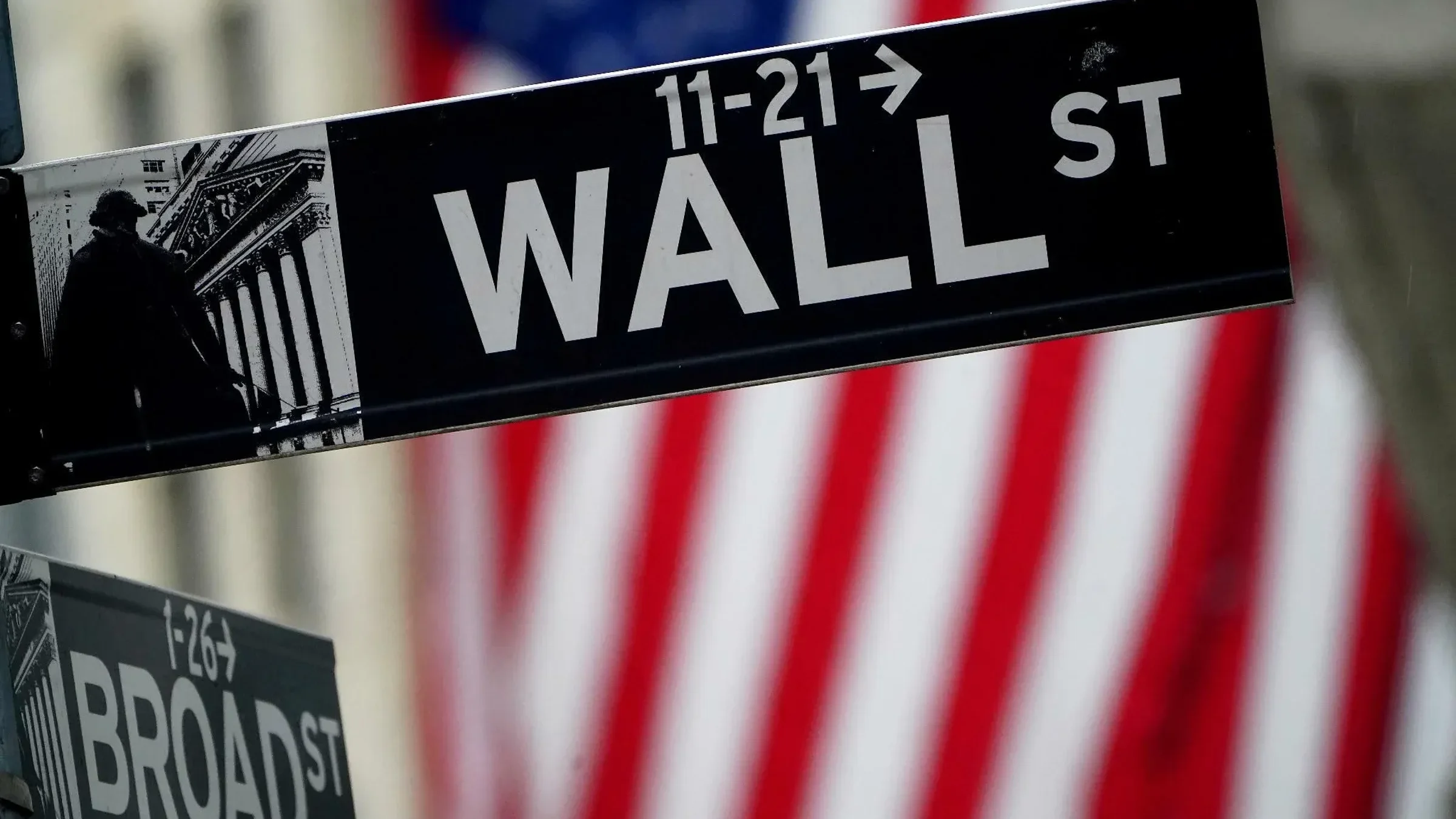
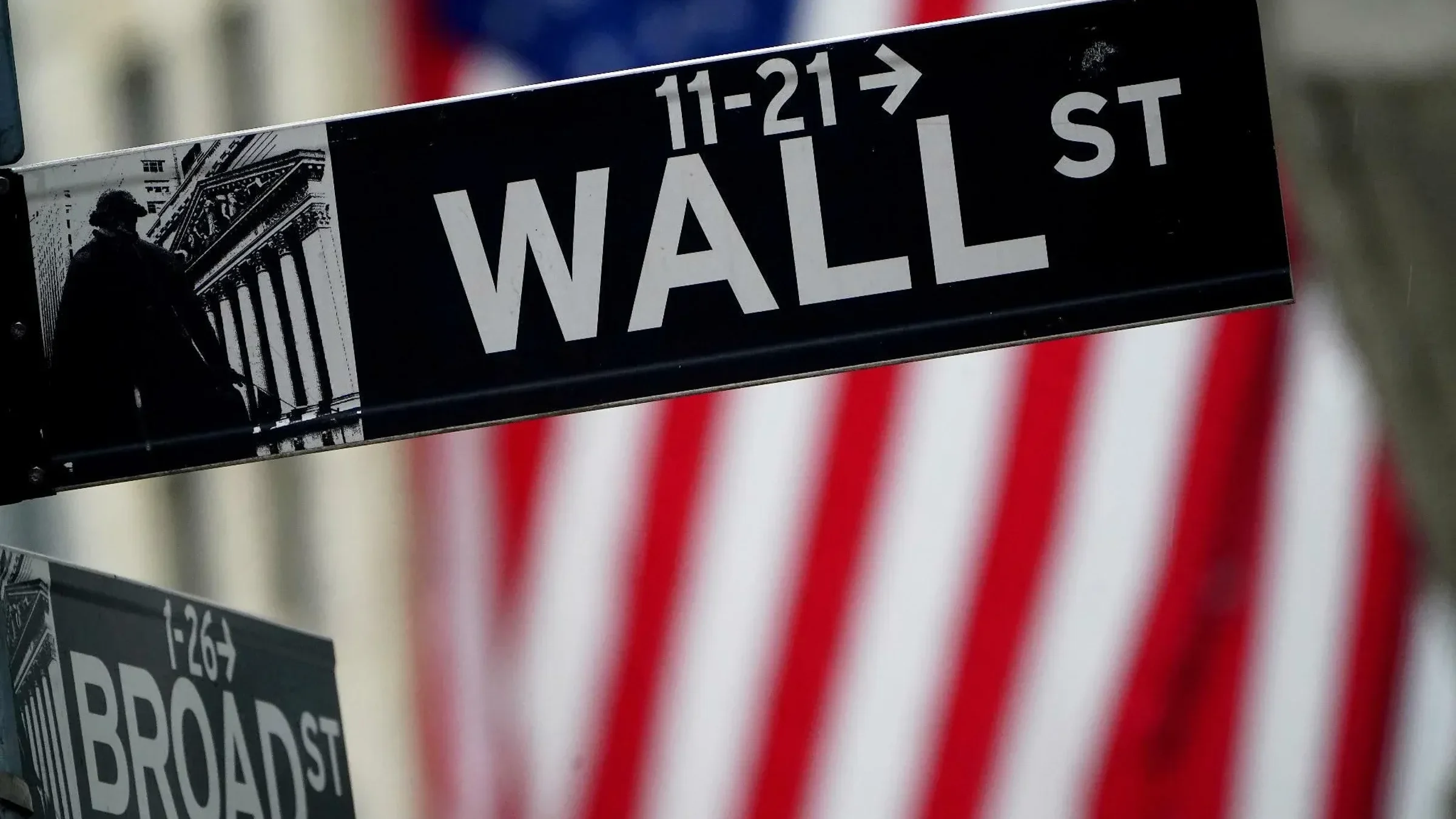
The financial markets in the United States experienced a downturn on Wednesday, with major indices trading in the red following the Federal Reserve’s latest interest rate decision. Investors are anticipating a potential rate hike in September, while rising oil prices continue to weigh on sentiment on Wall Street. The renewed geopolitical tensions in the Middle East have also contributed to investor caution, leading to a risk-off sentiment across trading floors.
Federal Reserve Maintains Interest Rate Pause Amidst Inflationary Pressures
The U.S. Federal Reserve announced its decision to keep its benchmark interest rate unchanged, extending its pause in monetary policy tightening. This move comes despite persistent inflationary pressures that have been closely monitored by economists and policymakers alike. The Federal Open Market Committee (FOMC) concluded its two-day meeting by maintaining the federal funds rate in its current target range of 5.25% to 5.50%. This marks the [Number, e.g., third, fourth] consecutive meeting where the central bank has opted to hold rates steady.
The Fed’s decision reflects a delicate balancing act. On one hand, inflation, while showing signs of moderation from its peak, remains above the central bank’s target of 2%. Recent data, including the Consumer Price Index (CPI) and Personal Consumption Expenditures (PCE) price index, have indicated that inflation is still running higher than desired, particularly in certain sectors. This persistent inflation raises concerns about the erosion of purchasing power and the potential for it to become entrenched.
On the other hand, the Fed is also tasked with ensuring economic stability and avoiding a recession. Aggressive interest rate hikes can significantly slow down economic activity, leading to increased unemployment and reduced business investment. The Fed’s decision to pause suggests a belief that the current restrictive monetary policy is having its intended effect on inflation without causing undue harm to the broader economy.
Investor Outlook: September Rate Hike Anticipated
Despite the Fed’s current pause, market participants are largely pricing in the possibility of a further interest rate increase in September. Futures markets indicate a [Percentage, e.g., 50%, 60%] probability of a 25-basis-point hike at the Fed’s next meeting. This expectation is fueled by several factors, including the continued strength of the labor market and the resilience of consumer spending.

The U.S. labor market has remained robust, with unemployment rates hovering near historic lows and wage growth continuing at a solid pace. While a strong labor market is generally a positive indicator of economic health, it can also contribute to inflationary pressures as businesses pass on higher labor costs to consumers. The Fed has repeatedly emphasized its commitment to data-dependent decision-making, and future employment reports will be closely scrutinized for any signs of cooling.
Consumer spending, a major driver of the U.S. economy, has also shown surprising resilience. Despite higher borrowing costs and persistent inflation, consumers have continued to spend, supported by savings accumulated during the pandemic and a strong job market. This sustained demand can contribute to upward pressure on prices, reinforcing the view that the Fed may need to tighten policy further to achieve its inflation objectives.
Geopolitical Tensions Escalate: Impact on Oil Prices and Market Sentiment
Adding to the existing market uncertainties, a renewed escalation of geopolitical tensions in the Middle East has significantly impacted oil prices and broader market sentiment. Reports of an Iranian attack on U.S. targets in the region have sent shockwaves through global energy markets, causing a sharp increase in crude oil prices.
Chronology of Recent Events:

- [Date, e.g., Monday]: Reports emerge of escalating tensions in the Middle East, with [Specific event, e.g., increased military posturing or a targeted incident].
- [Date, e.g., Tuesday]: U.S. President Donald Trump issues a strong warning of retaliation against Iran, stating, "We will hit them hard. They will get beaten up properly," as cited by Fox News. This statement follows a period of rhetorical escalation.
- [Date, e.g., Tuesday Evening (U.S. Eastern Time)]: The U.S. military reports an Iranian attack involving multiple ballistic missiles targeting U.S. troops. A base in Jordan is identified as the apparent target.
- [Date, e.g., Wednesday Morning]: In a coordinated operation, U.S. forces, alongside allies such as Saudi Arabia, conduct strikes in Iraq against what they describe as "terrorists" with ties to Iran. This marks a new phase of confrontation.
The immediate impact of these events has been a surge in crude oil prices. Brent crude futures, the international benchmark, have climbed to [Price, e.g., over $90 a barrel], while West Texas Intermediate (WTI) crude has also seen significant gains. This spike in energy costs has a ripple effect across the economy, increasing transportation expenses for businesses and consumers, and contributing to broader inflationary pressures. Higher energy costs can also dampen consumer spending on other goods and services, potentially slowing economic growth.
Broader Market Impact and Analysis
The combination of a hawkish outlook from the Federal Reserve and escalating geopolitical risks has created a challenging environment for investors. The S&P 500, Dow Jones Industrial Average, and Nasdaq Composite all traded lower on Wednesday, reflecting a risk-averse sentiment.

Key Market Indicators:
- Dow Jones Industrial Average: Down [Percentage]% at [Time, e.g., midday].
- S&P 500: Down [Percentage]% at [Time, e.g., midday].
- Nasdaq Composite: Down [Percentage]% at [Time, e.g., midday].
- Oil Prices (Brent Crude): Trading at approximately [Price] per barrel.
- U.S. 10-Year Treasury Yield: [Yield]% (indicating investor demand for safe-haven assets).
The market’s reaction underscores the interconnectedness of economic and geopolitical factors. Investors are grappling with the potential for higher interest rates to curb inflation, while simultaneously facing the threat of supply chain disruptions and increased energy costs stemming from Middle Eastern instability.

Analysis of Implications:
- Inflationary Spiral Risk: The surge in oil prices poses a significant risk of reigniting inflationary pressures. If oil prices remain elevated, it could complicate the Federal Reserve’s efforts to bring inflation back to its 2% target, potentially forcing more aggressive rate hikes or a prolonged period of high interest rates.
- Economic Slowdown Concerns: Higher energy costs and increased global uncertainty can dampen business investment and consumer confidence, leading to a slowdown in economic growth. This raises concerns about the potential for stagflation – a scenario characterized by stagnant economic growth and high inflation.
- Fed’s Policy Dilemma: The Fed faces a difficult policy dilemma. Tightening monetary policy too aggressively in response to supply-side inflation (like oil price shocks) could exacerbate an economic downturn. Conversely, not acting decisively enough could allow inflation expectations to become unanchored, making it harder to control prices in the long run.
- Market Volatility: The current environment is conducive to heightened market volatility. Investors will be closely watching for further developments in the Middle East, as well as incoming economic data, to gauge the trajectory of inflation and the Federal Reserve’s policy response.
Reactions from Related Parties (Inferred):

While direct statements from all parties involved may not be immediately available, the actions and statements provide insights:
- U.S. Federal Reserve: The decision to maintain the pause suggests a cautious approach, awaiting further data to confirm inflation trends and labor market conditions. The continued acknowledgment of inflation as a concern implies a readiness to act if necessary.
- U.S. Administration: President Trump’s strong rhetoric indicates a commitment to defending U.S. interests and allies in the region. The announcement of retaliatory actions signals a clear intention to respond to perceived aggression.
- Iranian Leadership: The reported attack on U.S. targets signifies a deliberate escalation of hostilities, likely aimed at projecting strength and potentially influencing regional dynamics.
- Oil Market Participants: Traders and analysts are responding to the heightened supply risk by bidding up oil prices, anticipating potential disruptions to global oil flows.
The coming weeks will be crucial in determining the sustained impact of these events on the U.S. economy and its financial markets. The interplay between monetary policy, geopolitical developments, and inflationary pressures will continue to shape investor sentiment and market performance. The resilience of the U.S. economy will be tested as it navigates these complex and interconnected challenges.