Gilang Muhammad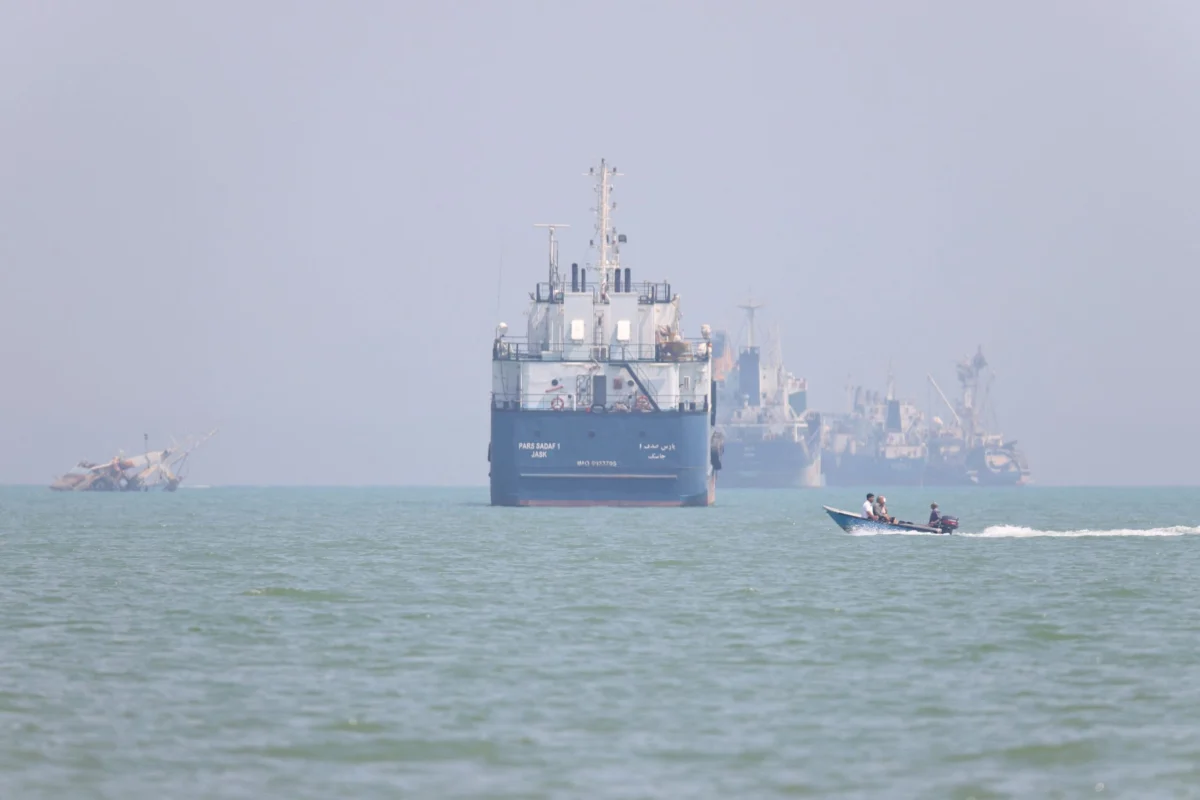
The International Maritime Organization (IMO) has announced a significant pause in its critical efforts to evacuate hundreds of ships and thousands of seafarers stranded within the Middle East Gulf. This abrupt suspension comes in the wake of a recent attack on a container ship in the Gulf of Oman, an incident that a U.S. official has directly attributed to Iran. The decision underscores the precarious security situation in one of the world’s most vital maritime chokepoints, threatening to unravel a nascent interim peace deal between the United States and Iran and further destabilize global trade routes.
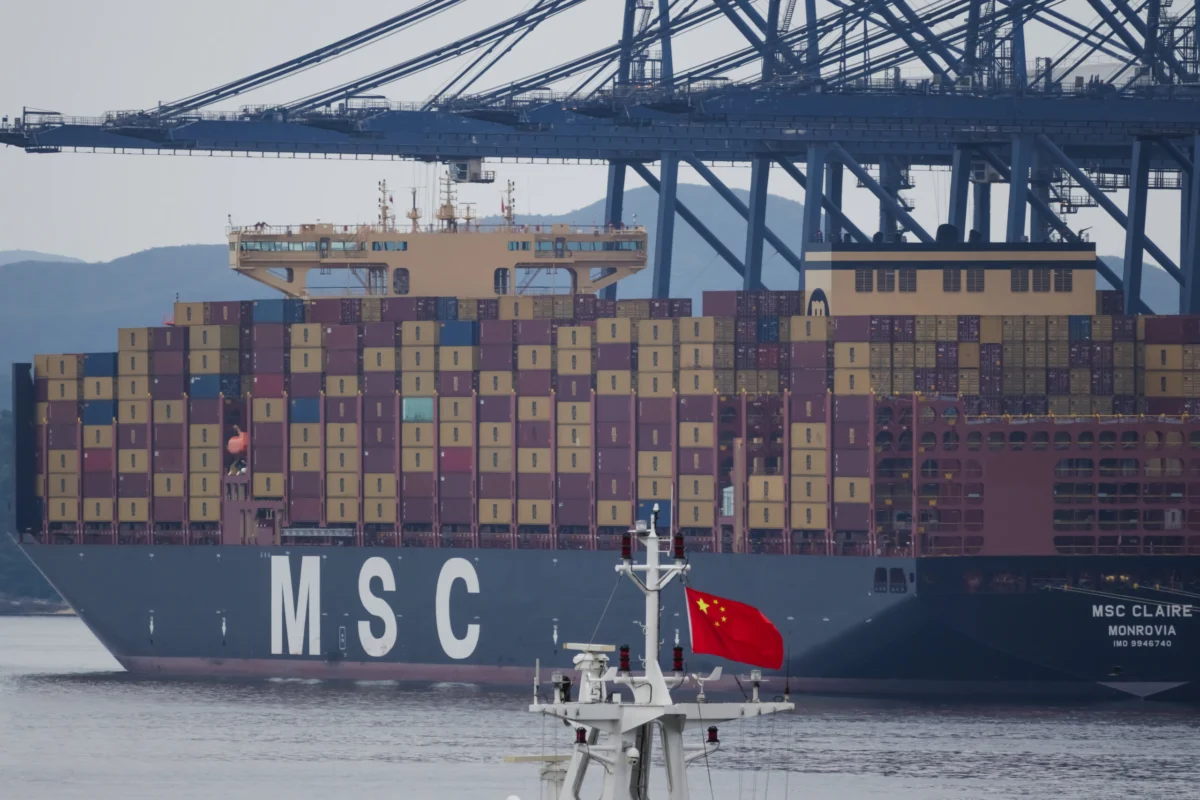
The incident, which occurred on Thursday, involved a Singapore-flagged container vessel, owned by the prominent shipping giant Evergreen, being struck by an "unknown projectile" near the Omani coastline. While the vessel reportedly did not fall under the IMO’s evacuation framework, the attack immediately triggered grave concerns about the safety of navigation and the integrity of the proposed humanitarian corridors. Arsenio Dominguez, Secretary-General of the IMO, a specialized agency of the United Nations, articulated the rationale behind the pause in a statement, emphasizing the need "to reconfirm that the necessary safety guarantees continue to be in place for the ships on our evacuation list and all those in the region."
A Precarious Peace Undermined
The IMO’s initiative, launched just days prior on Tuesday, was a direct response to a humanitarian and logistical crisis that had developed following an undeclared "war" that commenced in late February. The conflict had severely curtailed maritime traffic through the Strait of Hormuz, stranding numerous vessels and their crews, disrupting global supply chains, and elevating geopolitical tensions. The evacuation plan was designed to facilitate the safe passage of these vessels, offering two primary routes: a northern corridor through Iranian waters and a southern corridor via Omani waters, with the latter reportedly enjoying U.S. oversight.
This ambitious undertaking was predicated on a fragile interim peace deal struck on June 17 between the U.S. and Iran, brokered by President Trump and Senator Vance. The agreement aimed to pause hostilities for a period of 60 days, allowing for de-escalation and the progression of negotiations towards a more permanent peace settlement, potentially encompassing Iran’s nuclear program. Following the ceasefire, there had been a noticeable, albeit partial, recovery in traffic through the Strait of Hormuz. Lloyd’s List Intelligence reported that 125 vessels transited the strait in the week after the ceasefire, marking the highest weekly transit level since the conflict began. However, this figure still remained well below pre-war levels, highlighting the lingering apprehension within the maritime community.
Iran’s Assertions of Sovereignty and Route Contention
The nascent optimism surrounding the ceasefire and the IMO’s evacuation efforts was significantly complicated by Iran’s staunch assertions of control over the Strait of Hormuz. On Wednesday, preceding the container ship attack, Iran’s military issued a stern warning, explicitly cautioning vessels against using the southern route approved by the IMO. Tehran declared any new transit route established without its express approval as "unacceptable and dangerous," a clear indication of its intent to reinforce its grip over the vital energy waterway.
This directive from Tehran had immediate consequences. Reports from Lloyd’s indicated that at least two vessels, attempting to exit the Middle East Gulf via the southern route closest to the Omani coastline, performed U-turns after Iran’s insistence that vessels utilize only routes sanctioned by Tehran. This forceful stance by Iran underscored the fundamental disagreement over navigation rights and the authority to designate safe passage corridors in a region prone to flashpoints. The attack on the Evergreen vessel, occurring shortly after Iran’s warning, has intensified suspicions and deepened the geopolitical rift.
The Strategic Imperative of the Strait of Hormuz
The Strait of Hormuz is not merely a geographical feature; it is an economic artery of unparalleled global significance. Situated between Iran and Oman, it is the sole sea passage from the Persian Gulf to the open ocean, making it the world’s most important oil transit chokepoint. Approximately one-fifth of the world’s total petroleum consumption, and roughly one-third of the world’s liquefied natural gas (LNG), transits through this narrow waterway daily. Any disruption, however minor, sends ripples through global energy markets, impacting crude oil prices, shipping insurance premiums, and the broader stability of international trade.
The long-standing tensions between the U.S. and Iran, rooted in geopolitical rivalries, regional influence, and Iran’s nuclear ambitions, have historically manifested in maritime incidents within this strategic corridor. Past events, including attacks on tankers, seizures of vessels, and naval confrontations, have consistently highlighted the fragility of peace and the potential for rapid escalation. The "war" that began in late February had brought these tensions to a boiling point, leading to the severe disruption of shipping that the IMO was attempting to alleviate. The interim peace deal, while a welcome respite, was always understood to be a delicate truce, susceptible to the slightest provocation.
Official Reactions and International Concerns
The U.S. response to the attack has been measured but firm. A U.S. official, when questioned about the incident, stated, "we are aware of these reports and looking into them. President Trump has been clear that Iran cannot subvert the free flow of traffic in the strait." This reiterates a core tenet of U.S. foreign policy regarding freedom of navigation in international waters, particularly in economically critical areas. The attribution of the attack to Iran, without immediate public disclosure of specific evidence, nonetheless signals a significant escalation in U.S. diplomatic pressure and potential future actions.
The international shipping community, represented by organizations such as the International Chamber of Shipping (ICS) and BIMCO, is likely to express profound concern for the safety and well-being of seafarers. The humanitarian aspect of stranded crews, often facing dwindling supplies and psychological distress, is a paramount concern. The pause in evacuation efforts prolongs their ordeal and adds to the uncertainty. Maritime insurance providers are also expected to reassess risk premiums for vessels operating in the Middle East Gulf, potentially leading to increased shipping costs and further inflationary pressures on global goods. Energy analysts are closely monitoring crude oil futures, anticipating potential price volatility in response to heightened instability in the region.
Broader Implications and Future Outlook
The attack on the Evergreen container ship and the subsequent IMO pause carry profound implications across multiple domains. Firstly, it casts a dark shadow over the fragile 60-day interim peace deal between the U.S. and Iran. The incident, if definitively proven to be an Iranian action, could be interpreted as a direct challenge to the spirit of de-escalation and trust-building that the agreement sought to foster. This could derail the ongoing negotiations for a permanent peace deal and potentially reignite broader hostilities.
Secondly, the incident undermines the credibility and effectiveness of international mediation and humanitarian efforts. The IMO, as a neutral UN agency, plays a crucial role in ensuring maritime safety and facilitating humanitarian solutions. If its efforts are jeopardized by unilateral actions or a lack of security guarantees, it sets a dangerous precedent for future crises. The ability of international bodies to de-escalate tensions and provide essential services is critical for global stability.
Thirdly, the economic repercussions could be substantial. Prolonged disruption to shipping in the Strait of Hormuz translates directly into higher costs for consumers worldwide, particularly in energy-dependent economies. Diversion of routes, increased insurance, and potential delays can strain already fragile global supply chains. The uncertainty surrounding transit safety also discourages investment and trade in the region, impacting local economies.
Finally, the incident highlights the enduring challenge of securing freedom of navigation in contested waters. Iran’s assertion of unilateral control over transit routes, juxtaposed with international maritime law principles, creates an inherently unstable environment. The international community faces a renewed imperative to find diplomatic solutions that uphold maritime rights while addressing legitimate security concerns of riparian states. The coming days will be critical in determining whether this latest incident represents an isolated setback or a dangerous turning point that plunges the Middle East Gulf back into a cycle of confrontation.
CNBC’s Akayla Gardner, Lim Hui Jie, and Dan Mangan contributed to this report.