Gilang Muhammad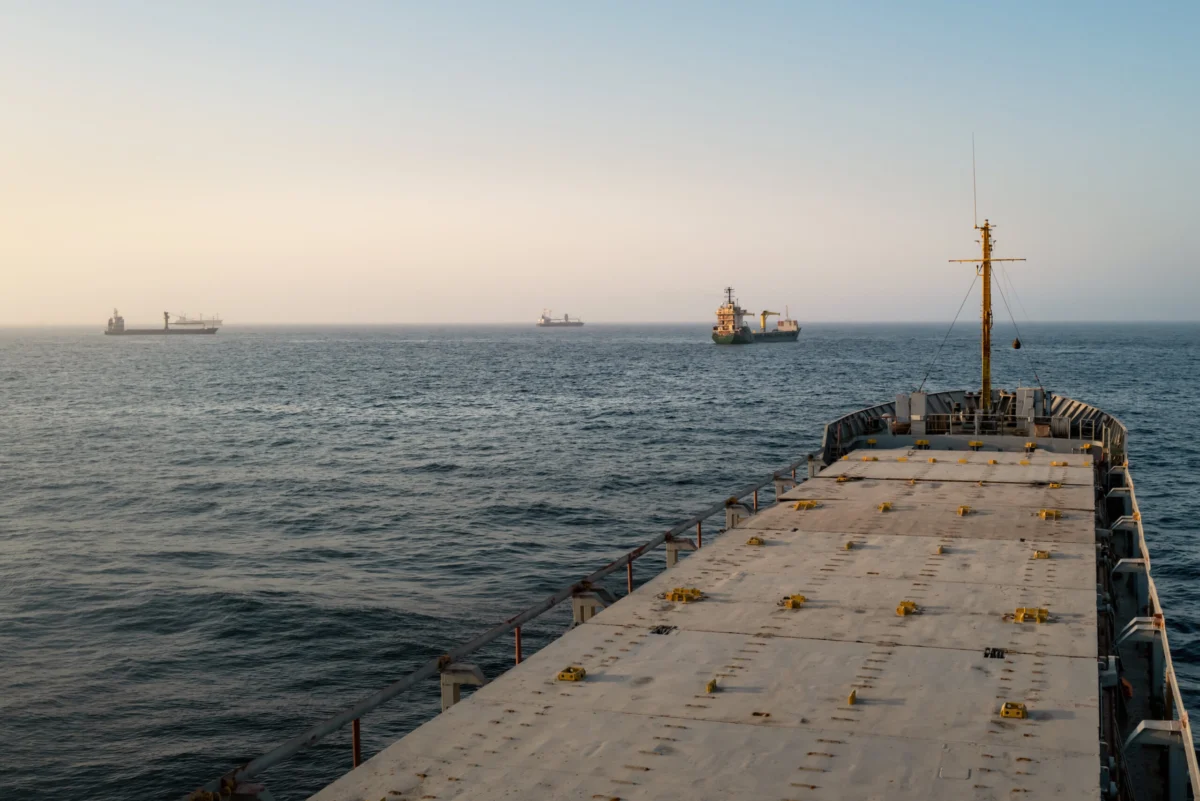
Oil tankers and cargo vessels remain anchored off the coast of Oman, having been stranded for days due to severe congestion at Port Sultan Qaboos, a stark visual representation of the ongoing disruptions plaguing maritime trade in the region. This backlog, observed on June 23, 2026, near Muscat, Oman, underscores the precarious state of shipping traffic, which had only just begun to recover a week after the United States and Iran signed a landmark deal aimed at reopening the strategically vital Strait of Hormuz. However, a fresh assault on a cargo ship this past Thursday has cast a pall of fresh uncertainty over the fragile passage, compelling the United Nations to halt its evacuation plans and prompting some commercial tankers to reverse course, amplifying concerns about the enduring instability in one of the world’s most critical maritime arteries.
A Brief Respite Shattered
The recent U.S.-Iran agreement, forged amidst intense diplomatic efforts at the G7 summit and championed by key figures like President Trump and Senator Vance, had initially sparked cautious optimism. The deal, which included a 60-day truce window, aimed to de-escalate tensions that had severely curtailed shipping through the Strait since the conflict ignited in late February. In the immediate aftermath of the ceasefire announcement on June 15, the maritime sector witnessed a discernible, albeit tentative, rebound. Between June 15 and June 21, a total of 125 transits were recorded, marking the highest weekly tally since the outbreak of hostilities. This surge was largely driven by a concerted effort from energy companies eager to move vast quantities of stored Gulf crude before the temporary truce period concluded.
Further evidence of this nascent recovery emerged on June 24, when AXS Marine reported 62 commercial vessel crossings within a single day. While this represented the highest single-day count since the war commenced, it painted a sobering picture of how far the industry still had to go, as this figure was merely 53% of the traffic recorded on the same day in the previous year. The optimism, however, proved short-lived.
Escalation and Conflicting Directives
The fragile peace began to unravel on Wednesday, June 26, when the Islamic Revolutionary Guard Corps (IRGC) issued a unilateral declaration, asserting that all ships transiting the Strait must exclusively utilize its northern route and adhere strictly to Iranian routing instructions. This bold pronouncement, effectively challenging the established international maritime protocols and the recently brokered ceasefire, created immediate apprehension within the shipping community.
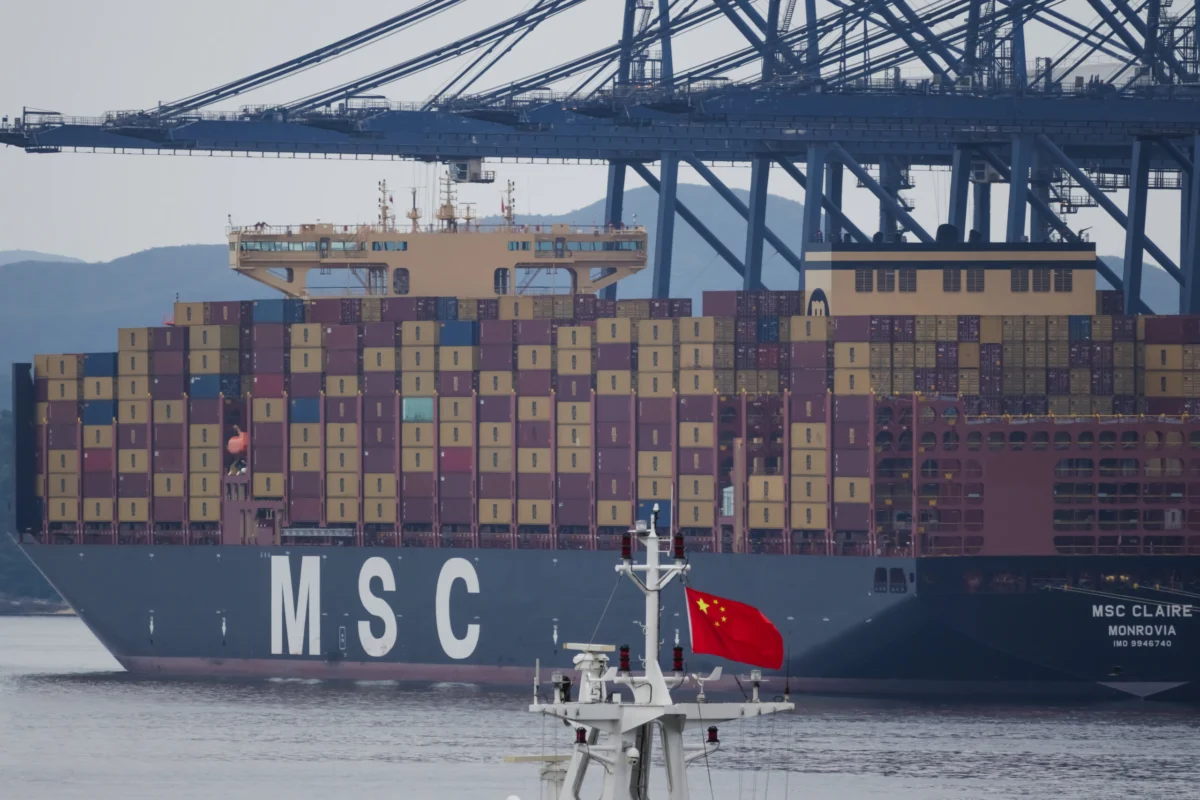
Hours after Iran’s declaration, a critical incident occurred that would profoundly alter the perception of safety in the Strait. The Ever Lovely, a Singapore-flagged Evergreen container ship, was struck on its starboard side by a projectile while navigating off the Omani coast. A U.S. official swiftly attributed the strike to the IRGC, marking it as the first attack on a commercial cargo vessel since the ceasefire took effect. This act of aggression not only directly contravened the spirit of the U.S.-Iran agreement but also reignited fears of widespread maritime insecurity. The immediate consequence was the suspension of the United Nations’ critical evacuation plan for vulnerable individuals in the region, highlighting the broader humanitarian and security implications of the renewed instability.
The Geopolitical Chessboard of the Strait
The Strait of Hormuz, a narrow waterway nestled between Oman and Iran, has long been globally recognized as an indispensable energy chokepoint. Historically, it manages approximately 20% of the world’s total oil traffic, making its security paramount for global energy markets and supply chains. Its strategic significance extends beyond oil, as it also serves as a crucial conduit for a substantial portion of the world’s liquefied natural gas (LNG) shipments, particularly from Qatar, the world’s largest LNG exporter. Any prolonged disruption here sends immediate ripples through global economies.
The recent attack exacerbated an already complex navigational dilemma for shipowners. They are now forced to contend with two competing authorities, each asserting control over different passages, with no mutually agreed-upon rules for safe transit. The northern corridor, now unilaterally declared by Iran as mandatory, falls under Iranian control, while a separate southern passage traverses Omani waters, backed by the U.S. and Oman. Compounding this challenge, the standard pre-war commercial lane, which was once the preferred and safest route, remains closed due to the pervasive threat of naval mines, whose full extent and location are unknown.
Iran has unequivocally warned that it would take decisive action against any vessels that fail to use its designated northern route or neglect to coordinate with Iranian authorities. In response, the U.S. and Oman have advocated for the continued use of the southern corridor, with Oman issuing its own navigational guidance and the formidable American Navy providing essential naval oversight and protection. This geopolitical standoff leaves shipping companies in an untenable position, navigating a maritime minefield of both physical and political risks.
The Economic and Operational Conundrum
The immediate aftermath of the Ever Lovely attack has plunged the shipping industry into a profound state of uncertainty. Companies are confronted with a difficult and high-stakes choice: either assume the significant risk of transiting the Strait or hold back, potentially ceding valuable market share to rivals who are willing to gamble.
Bruce Tan, an electronics manufacturer based in Singapore, exemplifies this predicament. Having withheld deliveries to his Middle East clients for four agonizing months during the peak of the conflict, he had cautiously resumed moving goods through the corridor. However, his strategy now involves sending only small, manageable batches, a deliberate hedge against the possibility of another sudden closure of the Strait. Furthermore, Tan is proactively routing some orders through alternative, albeit longer and more expensive, corridors as an additional safeguard, underscoring the shift towards resilience over efficiency in a volatile environment.
The financial ramifications are equally severe. Tim Huxley, CEO of Singapore-based Mandarin Shipping, which manages a global fleet of 50 vessels, has maintained a firm stance, keeping all his ships out of the Strait. He articulates the industry’s widespread apprehension, stating, "Until there is a more concrete set of guidelines on safe navigation, people are going to be very reticent to go through." Huxley further highlights the prohibitive costs associated with the heightened risk: "Insurance premiums are still very high on ships and cargoes going through the straits."
This sentiment is echoed and quantified by Han Shen Lin, China country director of The Asia Group, who offers a stark assessment of the boardroom discussions currently underway. "Boardrooms aren’t asking about cargo safety — they’re asking if it is insurable," Lin notes. He reveals that "War-risk premiums have shot up from 0.05% to over 0.7% of hull value per transit. That’s not a risk premium, that’s a serious business model stress test." Lin underscores the multifaceted consequences of a vessel seizure, emphasizing that "One vessel seizure doesn’t just cost you the cargo — it costs you the client relationship, the insurance renewal, and your board’s confidence. Speed is worthless without survivability."
Industry Reactions and Broader Implications
Despite the latest setback, some industry leaders are attempting to project a sense of cautious continuity. Aristidis Alafouzos, CEO of Okeanis Eco Tankers Corp, a prominent crude oil shipping company headquartered in Greece, expressed his view on Friday’s "Squawk Box Europe" that Thursday’s attack on a ship in the Gulf of Oman is unlikely to "significantly change" the underlying trend of transits through the waterway. "We’ve seen a large increase, especially on the crude oil passages, and I think this is set to continue and maybe this one-off event isn’t enough to really disrupt the recent events of the large exports of Kuwaiti and Emirati crude oil from the Gulf," Alafouzos stated.
However, Alafouzos also pointed out a significant missing piece in the puzzle of recovery: "The one big missing factor is the Saudis. For now, we haven’t seen them export almost anything from inside the Arabian Gulf and everything is coming from Yanbu in the Red Sea." This observation highlights Saudi Arabia’s strategic pivot towards its Red Sea terminals, utilizing pipelines to bypass the Strait of Hormuz, a move that minimizes exposure to the current volatility but could also signal a long-term shift in regional energy infrastructure and trade routes. This strategic diversification by the world’s largest oil exporter underscores the deep-seated mistrust and long-term risk assessment inherent in the region.
The Path Ahead: Clarity and De-escalation
Analysts universally agree that passage through the waterway remains fraught with peril. Shipping companies, therefore, are intensifying their calls for unambiguous clarity on safe navigation protocols. Beyond immediate safety, there are pressing questions regarding the potential imposition of tolls, how existing international sanctions might interact with future open passages, and the long-term viability of the region as a primary shipping route.
Tim Huxley reiterates the gravity of the unknown: "We don’t know how much of the straits is mined — it can be very dangerous going through that." He further elaborates on the broader implications of the geopolitical impasse: "You’ve got this debate about who is authorizing ships to go through, what level of control the Iranians have on one side, the Americans have on the other. A lot of ship owners are just saying: I’m going to wait and see how these talks progress before I commit to sending a ship, its cargo, and most importantly, its crew." This ‘wait and see’ approach, while prudent for individual companies, collectively slows down the global supply chain and perpetuates economic uncertainty.
The recent attack on the Ever Lovely has undeniably demonstrated the extreme fragility of the U.S.-Iran ceasefire agreement and the inherent challenges in securing peace in such a strategically contested region. The incident not only jeopardizes the tentative recovery of maritime traffic but also complicates international efforts to stabilize a region critical to global energy security and economic stability. The international community, including the United Nations and various maritime organizations, will need to intensify diplomatic efforts to establish universally accepted navigational guidelines and ensure robust security guarantees to prevent further escalation and to restore confidence in the Strait of Hormuz as a safe passage for global trade. Without such concrete measures, the anchoring of vessels off Oman will remain a persistent symbol of a vital global artery struggling to flow freely.