Lina Wu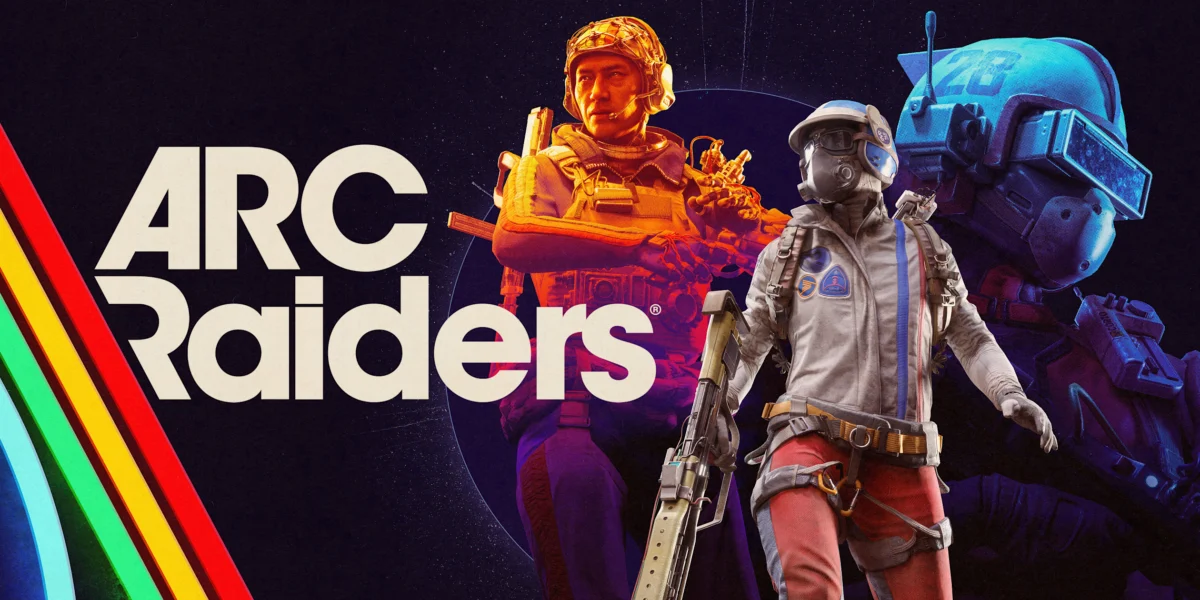
TOKYO — Video game titan Nexon, a company with roots in South Korea and its current headquarters firmly planted in Japan, is grappling with a complex period of transition. While its once-robust businesses in China and South Korea are exhibiting signs of a slowdown, the company’s ambitious and long-anticipated expansion into Western markets has yet to fully materialize, presenting a significant challenge to its future growth trajectory. The recent release of "ARC Raiders" in the autumn of 2025, a title developed by Embark Studios and published by Nexon, underscores this intricate strategic balancing act.
Founded in 1994, Nexon has established itself as a formidable player in the global gaming industry, particularly renowned for its success in the free-to-play (F2P) and massively multiplayer online (MMO) genres. Its early dominance in Asia, driven by hit titles like "MapleStory" and "Dungeon Fighter Online," cemented its financial strength and market influence. However, the dynamic nature of the gaming industry, coupled with evolving player preferences and intensified competition, has necessitated a continuous re-evaluation of its strategic priorities.
The Shifting Sands of Asian Markets
Nexon’s historical stronghold in the Asian market, particularly in China and South Korea, has been the bedrock of its financial success. For years, the company has capitalized on the immense popularity of its F2P titles, which often feature deep customization and social interaction elements, resonating strongly with a broad demographic. South Korea, its birthplace, continues to be a significant market, though the saturation of the domestic gaming landscape and the increasing cost of user acquisition have begun to exert pressure.
The Chinese market, a veritable goldmine for international game developers, has also presented its own set of challenges. Regulatory hurdles, intense local competition from domestic giants like Tencent and NetEase, and shifting player tastes have made sustained growth increasingly difficult. While Nexon has maintained a presence in China, the days of effortless dominance are long past. The company has had to adapt its strategies, often through partnerships or localization efforts, to navigate this complex environment. Data from market research firms consistently shows a maturing Chinese gaming market, with a greater demand for high-quality, often story-driven, premium experiences, a segment where Nexon has historically focused less of its core development efforts. For instance, the global games market report for 2025 indicated a steady, albeit slower, growth rate in PC and mobile gaming revenue in China compared to previous years, suggesting that established players need to innovate to maintain their market share.
The Western Frontier: A Delayed but Crucial Objective
Nexon’s strategic pivot towards Western markets – North America and Europe – has been a stated objective for well over a decade. The rationale is clear: these markets represent a vast and lucrative consumer base, with a higher propensity for premium game purchases and a diverse range of gaming platforms, including consoles, which have been a traditional strength for Western developers. The company has made significant investments, including acquisitions and the establishment of new studios, in an effort to crack this challenging market.
The acquisition of Embark Studios in 2021 for approximately $220 million was a key move in this Western expansion strategy. Embark, founded by former DICE developers behind the "Battlefield" series, brought with it a wealth of experience in developing visually stunning and technically advanced first-person shooter (FPS) games. The flagship title emerging from this investment is "ARC Raiders," a cooperative PvE FPS game. Its release in the autumn of 2025 was positioned as a significant entry point for Nexon into the Western console and PC gaming scene. However, the initial reception and commercial performance of "ARC Raiders" have been met with mixed reviews and have not yet delivered the blockbuster success that Nexon had envisioned for this strategic initiative. While post-launch updates and continued development are expected, the early performance raises questions about the effectiveness of Nexon’s approach to penetrating the highly competitive Western AAA game development and publishing landscape.
Industry analysts have pointed to several factors contributing to the challenges of Western expansion for Asian gaming companies. These include differing cultural preferences in game design and narrative, the higher cost of marketing and user acquisition in Western territories, and the established dominance of Western publishers with deep-seated relationships with console manufacturers and distribution channels. Furthermore, the gaming press and influencer ecosystem in the West operate differently, requiring a nuanced and sustained engagement strategy that can be difficult to replicate from afar.
Strategic Investments and Diversification Efforts
In its pursuit of diversification and new revenue streams, Nexon has also explored other avenues. The company has invested in emerging technologies such as augmented reality (AR) and virtual reality (VR), though these ventures are still in their nascent stages and have yet to yield significant financial returns. Furthermore, Nexon has been actively investing in esports, recognizing the growing popularity of competitive gaming as a spectator sport and a powerful marketing tool.
The company’s financial reports offer a glimpse into this strategic recalibration. While specific figures for the slowing growth in its Asian businesses are often aggregated, qualitative statements from Nexon’s management have acknowledged the increased competition and evolving market dynamics. Conversely, the financial contributions from Western markets, while growing, have not yet reached a scale that compensates for any deceleration in its traditional strongholds. The company’s overall revenue growth has consequently moderated in recent fiscal periods, prompting investors to scrutinize its long-term strategy.
The "ARC Raiders" Factor and Future Outlook
The performance of "ARC Raiders" is a crucial data point in assessing Nexon’s Western ambitions. Developed with a clear focus on modern gaming trends – cooperative play, live-service elements, and high-fidelity graphics – it was intended to be a flagship title. The game’s reception, while acknowledging its technical merits, has also highlighted the intense competition within the FPS genre and the high expectations of Western players. Early sales figures, where available, have not indicated a runaway success, though Nexon has publicly stated its commitment to supporting the game with ongoing content updates.
The implications of this uneven growth are significant for Nexon. A sustained slowdown in its core Asian markets, coupled with a protracted and potentially less impactful Western expansion, could lead to increased pressure on its profitability and stock valuation. The company’s ability to adapt its development pipeline, marketing strategies, and talent acquisition to better align with the demands of both established and emerging markets will be critical.
Broader Industry Context and Expert Opinions
The challenges faced by Nexon are not unique within the broader gaming industry. Many established Asian game developers are grappling with similar issues as they seek to diversify their revenue streams and reduce reliance on single markets. The global gaming market, estimated to be worth over $200 billion annually, is incredibly dynamic, characterized by rapid technological advancements, shifting player demographics, and intense competition from both established players and nimble startups.
Industry observers have noted that Nexon’s strategy of acquiring Western studios, like Embark, is a common approach to gain immediate expertise and market access. However, integrating these studios effectively and ensuring their output aligns with the parent company’s overall vision and financial goals is a complex undertaking. "The success of such acquisitions hinges on more than just financial backing; it requires cultural synergy and a deep understanding of the acquired studio’s creative process and market positioning," commented a senior analyst from a leading gaming industry research firm, who wished to remain anonymous due to client confidentiality.
The timeline of Nexon’s expansion efforts can be traced back to the late 2000s, with incremental investments and partnerships. However, a more aggressive push began in the 2010s, marked by a series of acquisitions and the establishment of international development teams. The current phase, with titles like "ARC Raiders" as prominent examples, represents a maturation of this long-term strategy, but one that is facing significant headwinds.
Official Statements and Company Response
While specific internal strategies are closely guarded, Nexon has consistently communicated its commitment to global growth and diversification. In its investor relations communications, the company has highlighted its long-term vision, emphasizing the importance of developing high-quality games for a global audience. Following the release of "ARC Raiders," Nexon’s leadership has reiterated their belief in the game’s potential and their dedication to its ongoing development and player support.
"We are committed to building compelling gaming experiences that resonate with players worldwide," a Nexon spokesperson stated in a recent industry conference. "Our strategic investments in studios like Embark are part of a long-term vision to broaden our portfolio and reach new audiences. We understand the competitive nature of the global market and are dedicated to adapting and innovating to meet player expectations."
However, the financial results will ultimately be the most telling indicator of Nexon’s success in navigating these choppy waters. As the company continues to invest heavily in its Western ambitions while simultaneously working to sustain its presence in Asia, the coming years will be a critical test of its strategic acumen and its ability to deliver on its promise of sustained global growth. The evolution of its game portfolio, the performance of key titles like "ARC Raiders," and its capacity to adapt to the ever-changing demands of the global gaming landscape will define Nexon’s trajectory in the years to come.