Lina Wu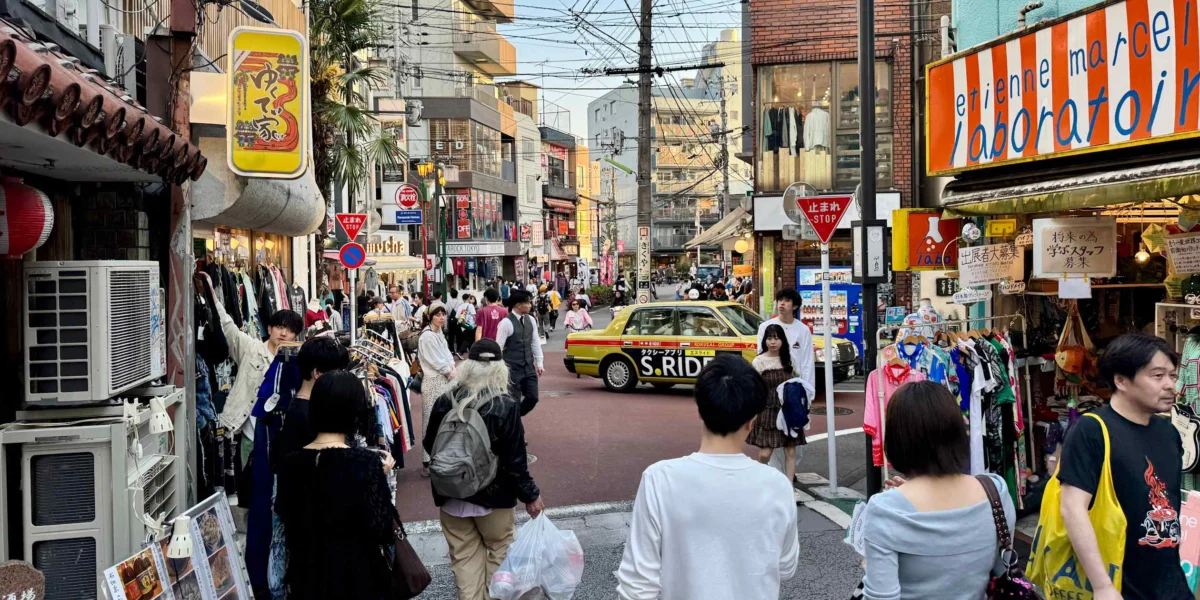
On weekends, Shimokitazawa feels less like a Tokyo neighborhood than a village in a 1960s art-house film. Young Japanese sport green hair, guitar cases and bags stuffed with secondhand clothes. The aroma of drip coffee wafts along lanes, and handwritten signs point the way to basement music venues known as live houses. People flock to "Shimokita" by train, but the maze-like streets belong to pedestrians.
Shimokitazawa, affectionately known as "Shimokita," has long cultivated an image as Tokyo’s bohemian enclave, a district that pulsates with a distinctly counter-cultural rhythm. This vibrant neighborhood, nestled within the Setagaya ward, has become a magnet for artists, musicians, fashion enthusiasts, and those seeking an alternative to the city’s more polished and commercialized districts. The description of the weekend atmosphere—green hair, guitar cases, secondhand clothing hauls, the pervasive scent of artisanal coffee, and the allure of basement live houses—paints a vivid picture of a community that prioritizes self-expression, creativity, and an independent spirit. This unique character, largely pedestrian-centric in its narrow, winding lanes, fosters an intimate and immersive experience for visitors and residents alike.
The Genesis of a Bohemian Haven
The evolution of Shimokitazawa from a relatively unremarkable suburban area to a cultural hotspot is a narrative woven through decades of grassroots development and a deliberate embrace of artistic expression. Following World War II, the area began to see an influx of residents, many of whom were drawn to its more affordable housing compared to central Tokyo. However, it was in the latter half of the 20th century that Shimokitazawa truly began to forge its distinct identity.
The 1960s and 1970s saw the rise of student movements and a burgeoning counter-culture across Japan. Shimokitazawa, with its developing infrastructure and a growing number of independent businesses, provided fertile ground for these movements to take root. Small, independent bookstores, art galleries, and experimental theaters began to spring up, attracting like-minded individuals. The establishment of numerous "live houses," often small, dimly lit venues hosting emerging bands and performers, became a cornerstone of Shimokita’s cultural scene. These spaces provided a crucial platform for musicians to hone their craft and connect with audiences, fostering a vibrant local music ecosystem.
By the 1980s and 1990s, Shimokitazawa’s reputation as a haven for alternative fashion and vintage clothing began to solidify. Independent boutiques specializing in imported vintage wear and unique, locally designed garments started to dominate the streetscape. This trend was further amplified by the growing popularity of thrift shopping and a desire for individuality in fashion, which resonated deeply with the neighborhood’s bohemian ethos. The district became synonymous with a laid-back, yet stylish, aesthetic that appealed to a younger generation looking to express themselves beyond mainstream trends.
A Labyrinth of Independent Spirit
The physical layout of Shimokitazawa plays a significant role in shaping its unique atmosphere. Unlike the wide boulevards and grid-like structures of many other Tokyo districts, Shimokita’s streets are a delightful maze. This labyrinthine quality, often described as a key characteristic that belongs to pedestrians, encourages exploration and serendipitous discovery. Visitors are compelled to wander, to turn corners without a specific destination in mind, and in doing so, they often stumble upon hidden gems: a tiny record store, a cozy cafe with an unexpected courtyard, or a vintage clothing shop brimming with treasures.
This pedestrian-friendly environment is not accidental; it’s a natural consequence of the neighborhood’s organic development. As businesses and residents grew, the streets evolved to accommodate foot traffic, prioritizing a more human-scale interaction. This contrasts sharply with many urban renewal projects that prioritize vehicular access and often sacrifice the intimate feel of a neighborhood. The dominance of walking also fosters a stronger sense of community, as people are more likely to encounter familiar faces and engage in casual interactions on the street.
The Economic Engine of Individuality
The economic landscape of Shimokitazawa is characterized by a high concentration of independent businesses. These range from independent record labels and small art studios to bespoke tailors and artisanal food vendors. This entrepreneurial spirit is a defining feature of the district, contributing significantly to its unique appeal and economic vitality.
Data from the Setagaya Ward Office, while not always specific to Shimokitazawa’s sub-districts, indicates a strong presence of small and medium-sized enterprises (SMEs) in areas known for their creative industries. These businesses often operate on tight margins but thrive due to a loyal customer base that values authenticity and craftsmanship. The success of Shimokita’s independent sector can be partly attributed to its ability to cater to niche markets and to build strong community ties, fostering a sense of shared purpose among business owners.
Furthermore, Shimokitazawa has become a significant draw for tourism, both domestic and international. Visitors are attracted by its distinct character, its unique shopping opportunities, and its vibrant cultural scene. This influx of visitors provides a crucial economic stimulus, supporting the independent businesses that form the backbone of the neighborhood. While precise figures for Shimokitazawa alone are difficult to isolate, the broader trend of cultural tourism in Tokyo shows a consistent increase, with districts like Shimokita playing a vital role in this growth. A 2023 report by the Japan National Tourism Organization (JNTO) highlighted the growing interest in "experiential tourism," which aligns perfectly with what Shimokitazawa offers.
Challenges and Adaptations in a Changing City
Despite its enduring charm, Shimokitazawa, like many beloved urban enclaves, faces the perennial challenge of gentrification and the pressures of modernization. As its popularity has grown, so too has the interest from larger retail chains and property developers. This presents a delicate balancing act for the community: how to maintain its authentic character and support its independent businesses while also accommodating necessary infrastructure improvements and economic growth.
One of the most significant recent developments impacting Shimokitazawa has been the extensive redevelopment of the area surrounding the station. While intended to improve accessibility and modern facilities, such projects often bring concerns about the displacement of long-standing businesses and the potential erosion of the neighborhood’s unique identity. For instance, the construction of new commercial complexes, while offering modern retail spaces, can lead to increased rents, making it difficult for smaller, independent shops to remain competitive.
In response to these pressures, the local community and business associations have actively sought to preserve the spirit of Shimokita. Initiatives such as the "Shimokitazawa Street Art Project," which encourages local artists to create murals and installations throughout the neighborhood, aim to maintain the district’s creative energy. Furthermore, efforts to promote "localism" and support independent retailers through dedicated marketing campaigns and events are ongoing. The success of these efforts will be crucial in ensuring that Shimokitazawa can navigate the complexities of urban development without losing the very essence that makes it so special.
The Enduring Allure of Authenticity
The continued success of Shimokitazawa as a cultural hub is a testament to the enduring human desire for authenticity, community, and self-expression. In a rapidly homogenizing world, districts like Shimokita offer a vital counterpoint, a space where individuality is celebrated and creativity is fostered. The "village in a 1960s art-house film" atmosphere is not merely a nostalgic aesthetic; it represents a conscious choice by its inhabitants and a significant portion of its visitors to prioritize substance over superficiality, creativity over conformity, and human connection over commercial expediency.
The sounds of live music drifting from basement venues, the visual feast of unique fashion, and the aroma of meticulously brewed coffee are more than just sensory experiences; they are the markers of a community that has deliberately cultivated a distinct identity. As Tokyo continues to evolve, Shimokitazawa stands as a vibrant reminder that even in the heart of a bustling metropolis, pockets of bohemian spirit can not only survive but thrive, offering a crucial space for cultural innovation and personal expression. The future of Shimokitazawa will undoubtedly involve further adaptation, but its core ethos of independent spirit and artistic exploration appears firmly rooted, promising to continue drawing those who seek the genuine heartbeat of Tokyo.