Lina Wu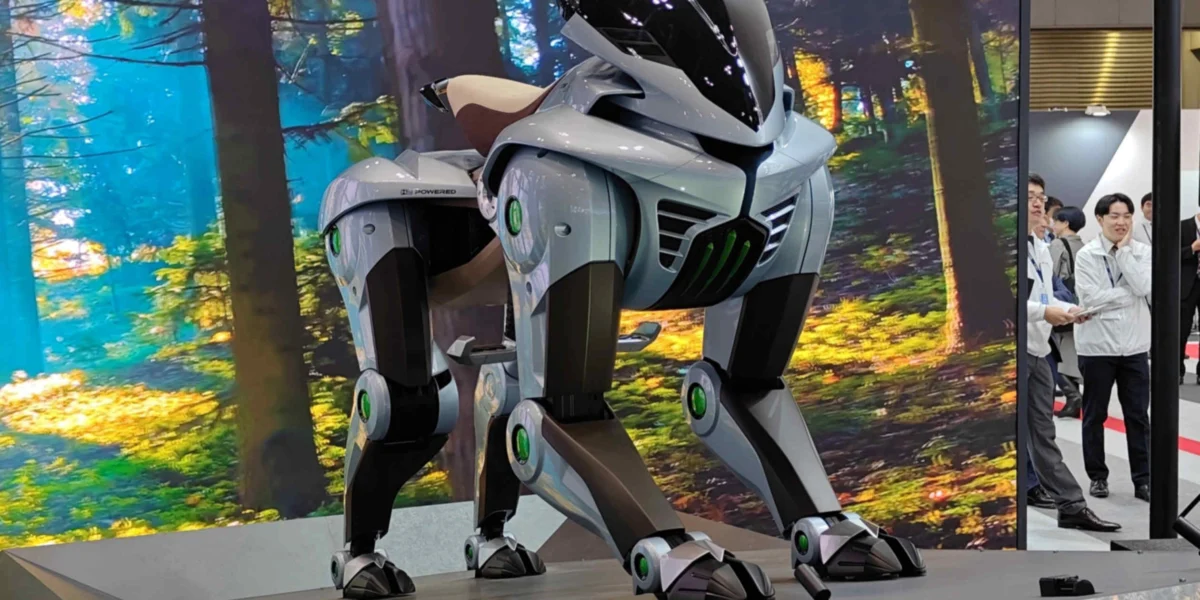
TOKYO – April 19, 2026 – Kawasaki Heavy Industries is spearheading a significant technological advancement in the maritime sector with the development of an artificial intelligence-equipped shipbuilding robot designed to dramatically enhance welding productivity and address the persistent shortage of skilled technicians. This innovative robotic solution, drawing upon the company’s extensive experience in robotics and advanced manufacturing, promises to usher in a new era of efficiency and safety within shipyards, a critical industry facing mounting global demand and demographic challenges.
The new robot is envisioned to double the current welding productivity rates, a substantial leap that could significantly impact production timelines and costs for shipbuilders. This ambitious goal is underpinned by sophisticated AI algorithms that will enable the robot to perform complex welding tasks with unprecedented precision and speed. Beyond mere automation, the AI integration aims to provide the robot with a degree of adaptability and problem-solving capability, allowing it to navigate the intricate and often unpredictable environments of a shipyard.

Addressing a Critical Industry Challenge: The Technician Shortage
The shipbuilding industry, a cornerstone of global trade and infrastructure, has been grappling with a widening skills gap for years. An aging workforce, coupled with a declining interest among younger generations in pursuing traditional manual labor roles, has created a critical shortage of experienced welders and other skilled tradespeople. This scarcity not only impedes production capacity but also poses a significant risk to operational safety, as overworked or inexperienced technicians may be more prone to errors or accidents.
Kawasaki Heavy Industries’ initiative directly confronts this challenge by offering a technological solution that can augment, rather than simply replace, human labor. The AI-powered robot is not intended to entirely eliminate the need for human oversight but rather to collaborate with human workers, taking on the most strenuous, repetitive, and hazardous tasks. This symbiotic relationship is expected to free up skilled technicians to focus on more complex problem-solving, quality control, and supervisory roles, thereby optimizing the utilization of human expertise and improving overall job satisfaction.

A Legacy of Innovation: From Quadrupedal Robots to Shipbuilding
The development of this advanced shipbuilding robot is a testament to Kawasaki Heavy Industries’ long-standing commitment to robotics innovation. The company has a rich history in developing cutting-edge robotic systems, ranging from industrial robots for manufacturing to more specialized applications. A key enabling technology for the new shipbuilding robot is expected to be derived from Kawasaki’s Corleo quadrupedal robot.
The Corleo robot, designed for navigating challenging and uneven terrains, possesses advanced mobility and sensing capabilities. While the specific details of its application in shipbuilding are still emerging, it is logical to infer that the mobility systems, sensor fusion technologies, and advanced control algorithms developed for Corleo can be adapted to enable the shipbuilding robot to move efficiently and safely within the complex, multi-level structures of a vessel under construction. This could include navigating scaffolding, working at heights, and maneuvering in confined spaces, all critical requirements for effective shipyard operations. The ability to precisely position and maneuver its welding arm in such dynamic environments is paramount, and the experience gained with Corleo would be invaluable in this regard.

Enhancing Productivity and Precision
The projected doubling of welding productivity is a significant figure, and it stems from several factors. Firstly, robotic systems can operate continuously without fatigue, unlike human workers. Secondly, AI-powered robots can achieve a level of precision and consistency that is difficult for humans to maintain over extended periods, especially in the demanding conditions of a shipyard. This precision translates to higher quality welds, reducing the need for rework and further boosting efficiency.
The AI’s role is multifaceted. It is expected to enable the robot to:

- Optimize Welding Parameters: Analyze the specific metal, thickness, and joint configuration to automatically adjust welding speed, voltage, and amperage for optimal results.
- Real-time Defect Detection: Employ advanced vision systems to identify potential weld defects such as porosity, cracks, or incomplete fusion as they occur, allowing for immediate correction or flagging for human inspection.
- Adaptive Path Planning: Dynamically adjust its welding path in response to minor variations in the workpiece or the environment, ensuring continuous and accurate welding.
- Predictive Maintenance: Monitor its own operational status and predict potential component failures, allowing for proactive maintenance and minimizing downtime.
This level of automation and intelligence not only boosts throughput but also significantly improves the quality and integrity of the final product.
Safety: A Paramount Concern
Beyond productivity gains, the introduction of AI-powered robots in shipyards offers substantial improvements in worker safety. Welding, particularly in confined spaces or at heights, is inherently hazardous. It involves exposure to intense heat, fumes, sparks, and the risk of falls. By delegating these dangerous tasks to robots, Kawasaki Heavy Industries aims to drastically reduce the incidence of workplace injuries and occupational health issues.

The robot’s AI can be programmed with strict safety protocols, ensuring it operates within designated perimeters and avoids potential hazards. Furthermore, the integration of advanced sensor technology can provide real-time environmental monitoring, alerting both the robot and human supervisors to any anomalies that could compromise safety. This proactive approach to safety is not only ethically imperative but also contributes to reduced insurance costs and improved overall operational stability for shipbuilding companies.
Supporting Data and Industry Context
The global shipbuilding market is experiencing a resurgence, driven by increased demand for cargo vessels, cruise ships, and specialized offshore structures. According to recent industry reports, the order book for new vessels has reached record levels, placing immense pressure on shipyards to ramp up production. This heightened demand, however, is juxtaposed with the ongoing labor challenges.

For instance, a 2023 report by the International Maritime Organization highlighted that while global shipping capacity continues to grow, the availability of skilled labor in key shipbuilding nations remains a bottleneck. Countries like South Korea, Japan, and China, which are dominant players in the shipbuilding industry, have all reported difficulties in recruiting and retaining skilled welders. This trend underscores the urgency for technological solutions that can alleviate these pressures.
The economic implications of increased productivity are also substantial. Doubling welding output can lead to:
- Reduced Production Costs: Faster completion times and less rework translate directly into lower manufacturing costs per vessel.
- Shorter Delivery Times: The ability to deliver ships faster can provide a competitive edge in a highly contested market.
- Increased Throughput: Shipyards can potentially build more vessels within the same timeframe, maximizing their operational capacity.
Potential Reactions and Broader Implications

The announcement of Kawasaki Heavy Industries’ AI shipbuilding robot is likely to be met with keen interest from major shipbuilders worldwide. Companies such as Hyundai Heavy Industries, Samsung Heavy Industries, and China State Shipbuilding Corporation, all of whom are facing similar labor challenges and production pressures, will undoubtedly be evaluating the potential of this technology.
Industry analysts suggest that the successful deployment of such robots could set a new benchmark for shipbuilding operations. This could lead to a wider adoption of advanced robotics and AI across the maritime construction sector, potentially spurring further innovation and investment in related technologies.
The implications extend beyond individual shipyards. A more efficient and productive shipbuilding industry could have a positive ripple effect on global supply chains, ensuring the timely delivery of goods and supporting international trade. Furthermore, by enhancing safety and potentially creating new roles for human workers in overseeing and maintaining advanced robotic systems, the technology could contribute to a more sustainable and future-proof workforce.

The Road Ahead: Development and Deployment
While the announcement marks a significant step forward, the development and deployment of such a complex system will likely involve several phases. Rigorous testing and validation in real-world shipyard environments will be crucial to ensure the robot’s reliability, safety, and performance. Collaboration with shipbuilders to understand their specific needs and integrate the robot seamlessly into existing workflows will also be paramount.
Kawasaki Heavy Industries’ commitment to leveraging its expertise in robotics and AI positions it at the forefront of this technological revolution in shipbuilding. The AI-equipped shipbuilding robot represents not just an advancement in automation but a strategic response to critical industry challenges, promising a future of enhanced productivity, improved safety, and a more resilient shipbuilding sector. The full impact of this innovation will unfold in the coming years as the technology matures and becomes more widely integrated into the global shipbuilding landscape.