Ena Muazin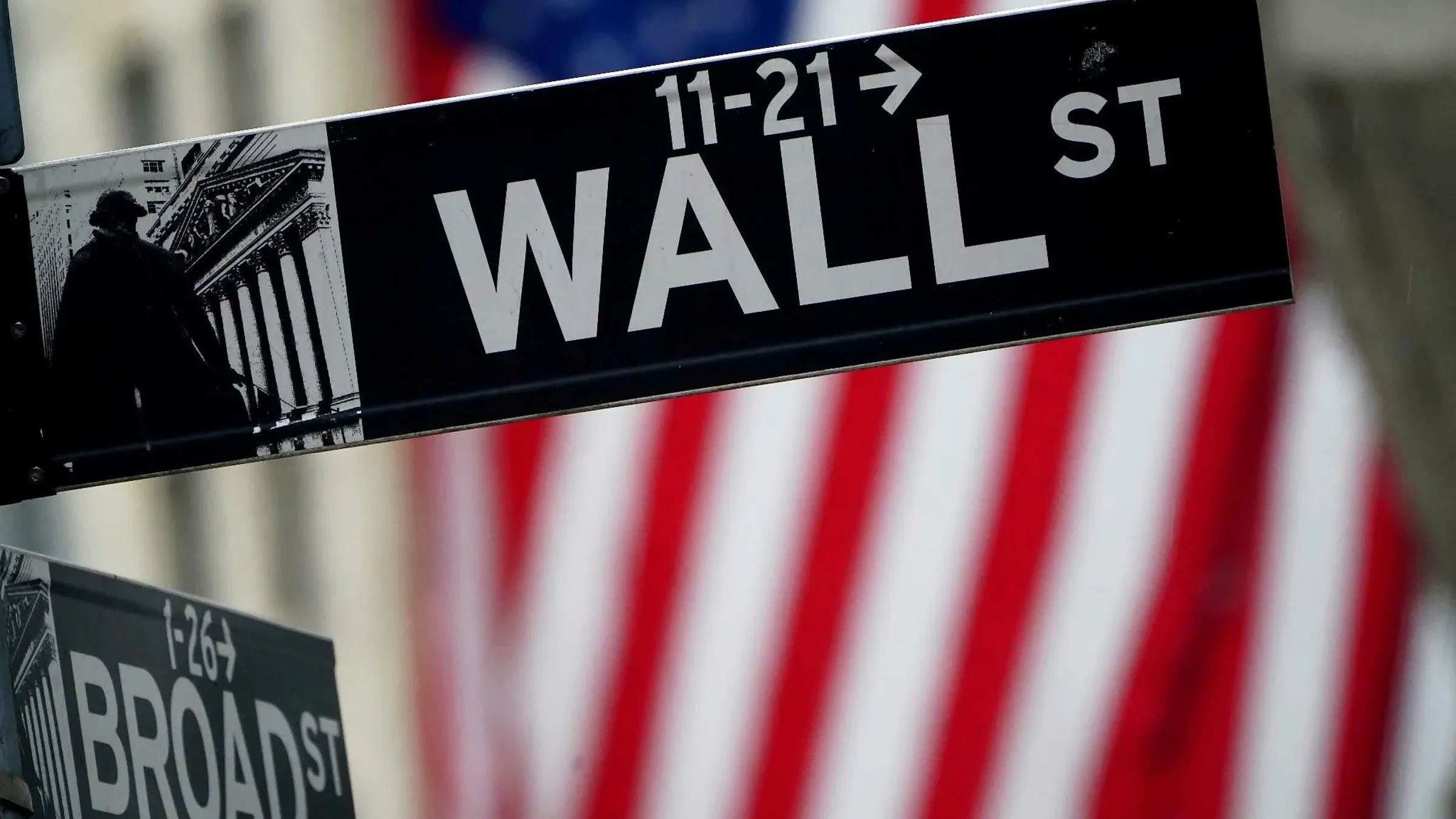
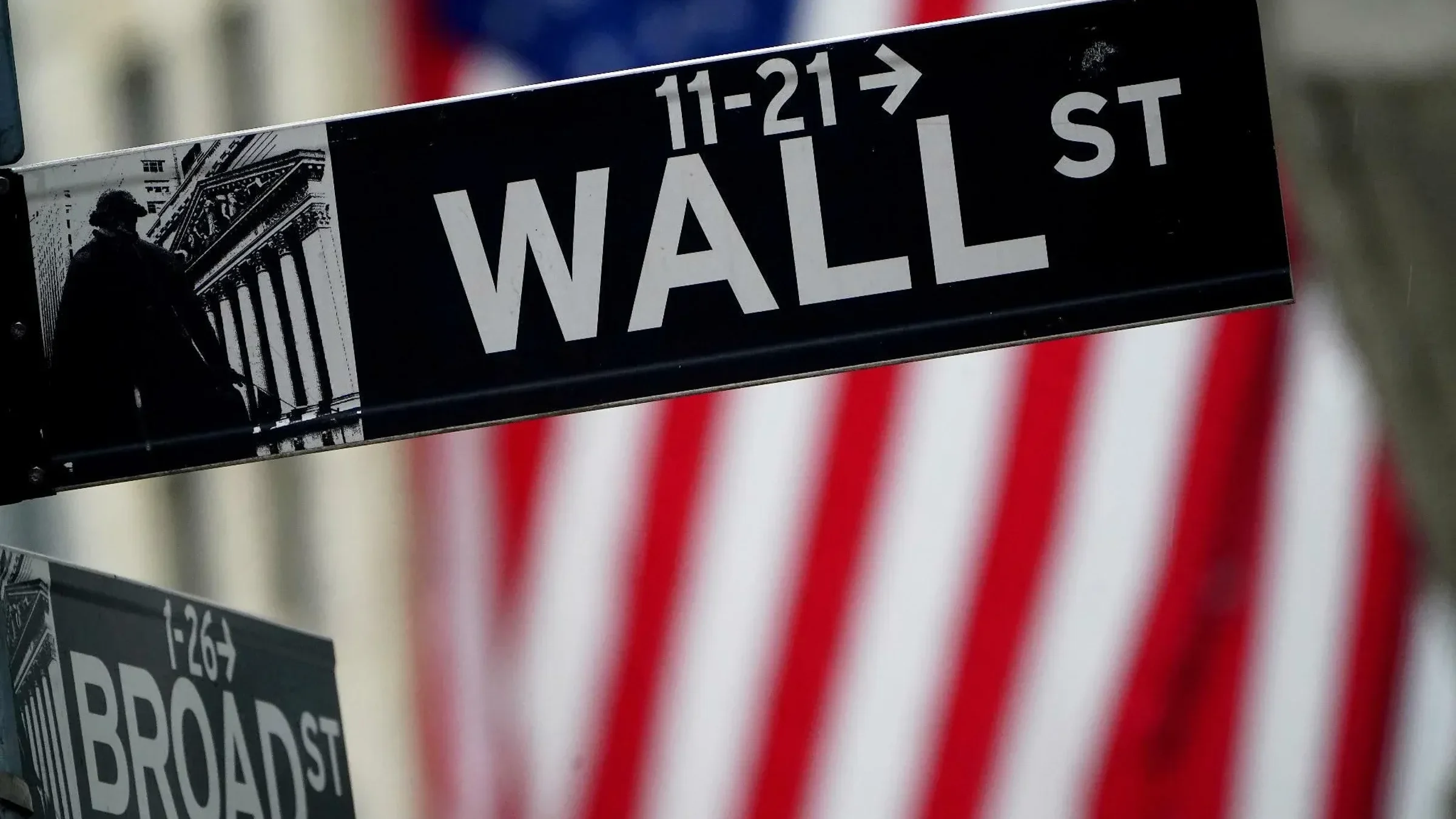
The United States stock market continued its impressive upward trajectory on Thursday, with major indices maintaining their record highs. This sustained rally, driven by a confluence of positive economic indicators and a perceived de-escalation of geopolitical tensions, has bolstered investor confidence. In parallel, the U.S. dollar experienced a notable decline, falling below a significant long-term average, reflecting shifting global financial dynamics.
Market Momentum Continues Amidst Optimism
The prevailing sentiment in the U.S. financial markets remains decidedly positive. Early trading on Thursday saw the key indices holding steady, building on the strong performance of previous sessions. This resilience underscores a robust appetite for U.S. equities, even amidst historically high valuations. Analysts suggest that investors are increasingly optimistic about the earnings prospects of American corporations, which appear to be weathering global economic headwinds with remarkable fortitude.
Joachim Schallmeyer, Head of Capital Markets & Strategy at Dekabank, commented on the market’s ability to quickly absorb and move past crises, stating, "The indices are quickly putting the crisis behind them. This is good and right, as it has little impact on the earnings development of U.S. companies." This perspective highlights a growing confidence in the underlying strength of the U.S. corporate sector.
The S&P 500, a broad benchmark for the U.S. stock market, has demonstrated a particularly strong recovery. After hitting an eight-month low at the end of March, the index has embarked on a significant rally in April. In fact, the index has closed down on only one trading day in April, with that decline being a negligible 0.1 percent. Cumulatively, the S&P 500 has gained an impressive eleven percent during the month, showcasing the powerful upward momentum.

Analysts at LBBW have noted the impressive nature of this rally, especially considering the elevated valuations in the market. They observed, "Investors have been hesitant to sell this time around, but have bought in very decisively once the first indications of possible negotiations emerged." This suggests a strategic shift in investor behavior, with a readiness to capitalize on perceived opportunities for de-escalation and improved economic outlooks.
Geopolitical Developments and Their Market Impact

A significant factor contributing to the market’s positive sentiment appears to be the easing of geopolitical tensions. A ceasefire between the United States and Iran was reported to be in effect until the following Wednesday. Initial negotiations in Islamabad between the warring parties concluded without a resolution last weekend. However, U.S. President Donald Trump has recently indicated the possibility of a second round of talks scheduled for the upcoming weekend. According to President Trump, Iran has also expressed its willingness to forgo nuclear weapons for over 20 years. In a related development, Israel and Lebanon have agreed to a ten-day ceasefire, further contributing to a sense of regional stability.
These de-escalatory signals have provided a crucial catalyst for market participants, who have been seeking any indication of reduced global instability. The perception that major conflicts might be averted or at least managed has allowed investors to shift their focus back to economic fundamentals and corporate performance.

U.S. Dollar Weakens Against Key Averages
In parallel to the stock market’s ascent, the U.S. dollar has experienced a significant downturn. The Dollar Index, which tracks the value of the world’s primary reserve currency against a basket of major currencies, has fallen below its pre-conflict level and, more importantly, has dipped below the 200-day moving average. This average is widely considered a key indicator of long-term trends in financial markets. The dollar’s weakening suggests a potential shift in global investor preferences, with capital potentially flowing away from the U.S. dollar and into other assets or currencies.

The bond market has also seen a moderation in yields. The yield on ten-year U.S. Treasury bonds has decreased from 4.4 percent at the end of March to 4.2 percent. The decline in the yield of two-year Treasury notes has been even more pronounced, indicating a broader trend of decreasing interest rate expectations or a reallocation of capital towards safer, fixed-income assets with potentially higher future valuations.
Economic Resilience and Labor Market Strength

The underlying strength of the U.S. economy continues to be a dominant theme, with its resilience proving to be a key driver of market performance. This resilience is further substantiated by the ongoing earnings season, with companies reporting quarterly results that generally reinforce the positive economic narrative.
The labor market, in particular, has shown signs of robust recovery and sustained strength. In March, U.S. businesses and government entities added 178,000 jobs, and the unemployment rate declined to 4.3 percent. This indicates a healthy and expanding job market, which is a cornerstone of consumer spending and overall economic growth.

Further bolstering this outlook, new data released on Thursday revealed a slight decrease in the number of weekly initial jobless claims. Claims fell by 11,000 to 207,000. Steve Sosnick, Chief Analyst at Interactive Brokers, commented on these figures, stating, "We can temporarily set aside the theory of a weakening labor market." This sentiment suggests that concerns about a potential slowdown in job creation have been allayed by recent data.
However, the industrial sector has exhibited some unexpected weakness. Industrial capacity utilization in March fell below expectations, and industrial production decreased by 0.5 percent compared to the previous month, contrary to forecasts. Despite this, it is important to note that production data for February was significantly revised upwards, suggesting that the industrial sector’s performance may be more cyclical than indicative of a sustained downturn.
Key Company Performance and Market Focus
As the market navigates these broader trends, individual companies are also drawing significant attention. The upcoming earnings reports are closely watched for insights into corporate health and future strategies.

Netflix is set to release its earnings after the market close, as is customary for major U.S. technology companies. Investors will be keenly awaiting any statements regarding the company’s future strategy, particularly following its withdrawal from the takeover battle involving Paramount and Skydance for Warner Bros. The market will be looking for clarity on Netflix’s strategic direction in a rapidly evolving media landscape.
PepsiCo shares experienced a notable increase of 2.3 percent after the beverage giant surpassed earnings expectations for the quarter. This performance highlights the company’s ability to maintain strong consumer demand and operational efficiency.

In contrast, Abbott Laboratories saw its shares decline by six percent, reaching their lowest point since November 2023. This downturn followed the medical technology company’s downward revision of its full-year profit forecast. This cautionary signal from Abbott may reflect specific challenges within the healthcare sector or company-specific issues.
Charles Schwab, the financial services provider, also experienced significant stock depreciation, falling by 7.6 percent after releasing its financial results. This indicates that investors may have reacted negatively to the company’s performance or outlook, despite broader market optimism.

American Express announced its acquisition of Hyper, an artificial intelligence (AI) startup specializing in expense categorization and reporting. While financial details of the deal were not disclosed, the move signals American Express’s strategic investment in AI capabilities to enhance its financial services offerings. The company’s stock, however, traded 1.03 percent lower.
Broader Implications and Future Outlook

The current market environment suggests a growing investor confidence in the resilience of the U.S. economy and a cautious optimism regarding the easing of global geopolitical risks. The strong performance of the S&P 500, coupled with a weakening dollar and stable bond yields, paints a picture of a dynamic financial landscape.
The sustained strength of the U.S. labor market and positive corporate earnings reports provide a solid foundation for continued market performance. However, investors will remain vigilant, closely monitoring economic data, corporate guidance, and any potential shifts in geopolitical stability. The divergence in performance between various sectors and companies also underscores the importance of selective investment strategies, focusing on businesses with strong fundamentals and clear growth prospects.

The coming weeks will be critical in determining whether the current market momentum can be sustained. Key economic releases, further developments in international relations, and the ongoing earnings season will all play a significant role in shaping investor sentiment and market direction. The U.S. economy’s demonstrated ability to adapt and overcome challenges, as evidenced by its robust labor market and resilient corporate earnings, provides a strong basis for optimism, but careful observation of evolving global dynamics remains paramount.